Yemeni forces retake Dhubab district
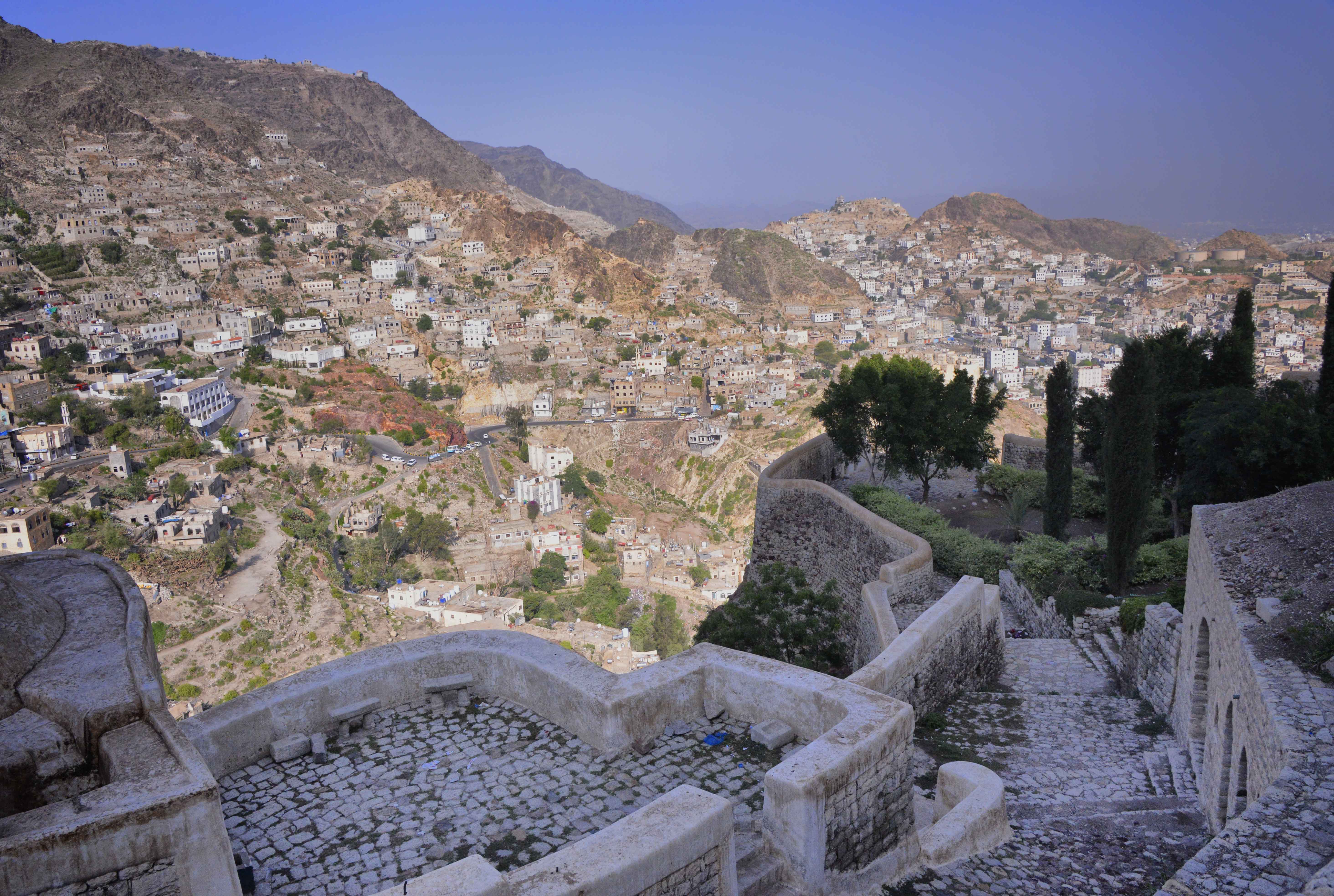
RIYADH — Yemeni forces retake Dhubab district in the first reported territorial gain of the government counteroffensive announced a day earlier, according to three military sources and one government source who spoke to Reuters. They said the Saudi-backed forces, supported by heavy coalition air power, seized key positions near the Bab el-Mandeb shipping lane and large parts of the district.
The battlefield picture remains unsettled. Houthi-aligned media had denied that government troops made advances in the area, and Reuters is so far the only independent news organization cited in available reporting for Monday's control claim. Signal Post News could not independently verify the front line. Every statement about territory in this report should therefore be read as attributed, provisional and subject to change.
If sustained, the gain would reverse part of the Houthis' lightning September coastal offensive. They took Mocha on September 10 and Dhubab and Mayyun—also known as Perim Island—on September 11, giving the movement leverage over both shores and islands around one of the world's most sensitive maritime passages.
What is known—and what remains disputed
The government-side account
Reuters reported that Saudi-backed Yemeni government forces advanced under heavy air cover and took large areas of Dhubab, which overlooks the strait. The sources described the action as the first territorial result of the campaign announced Sunday by Presidential Leadership Council chairman Rashad al-Alimi. Al-Alimi had vowed to fight until Yemen was liberated from what he called the “terrorist militia.”
Saudi Arabia arms and trains the government forces and is providing air support. Riyadh has also sought logistical assistance from allies as it tries to protect Red Sea traffic and end Houthi attacks on Saudi territory. Separate reporting said the United States was providing intelligence support, while the campaign itself remained Saudi-led.
The Houthi denial and the fog of war
Houthi-aligned media denied government advances in Dhubab. No independently authenticated geolocated imagery, on-the-ground reporting or neutral monitoring statement reviewed for this article has settled who controls every position. Coalition and Houthi accounts have both produced battlefield claims in the past that later proved incomplete or contested.
That verification gap is especially important for casualties. Government and Houthi outlets have circulated large kill counts during the wider offensive, but this report does not repeat them as fact. Control claims, casualty claims and reports of damaged equipment need independent corroboration before they can be treated as settled.
Why this matters: Bab al-Mandeb is the other energy chokepoint
Dhubab matters because terrain above Bab al-Mandeb can shape surveillance, fire control and the perceived risk facing every ship below. The strait connects the Red Sea and Suez route with the Gulf of Aden and Indian Ocean. At a time when the Iran conflict has already constrained the Strait of Hormuz, insecurity at Bab al-Mandeb threatens the principal alternative maritime route rather than a distant secondary theater.
The effect can reach consumers without a vessel being hit. A credible threat raises war-risk insurance, security costs and the chance that carriers divert around southern Africa. Longer voyages consume more fuel and vessel time, reduce effective shipping capacity and can feed into freight rates, oil prices and delivered goods costs. A stable government hold around Dhubab would not by itself make the corridor safe, but it would reduce the Houthis' direct leverage over one approach to the strait.
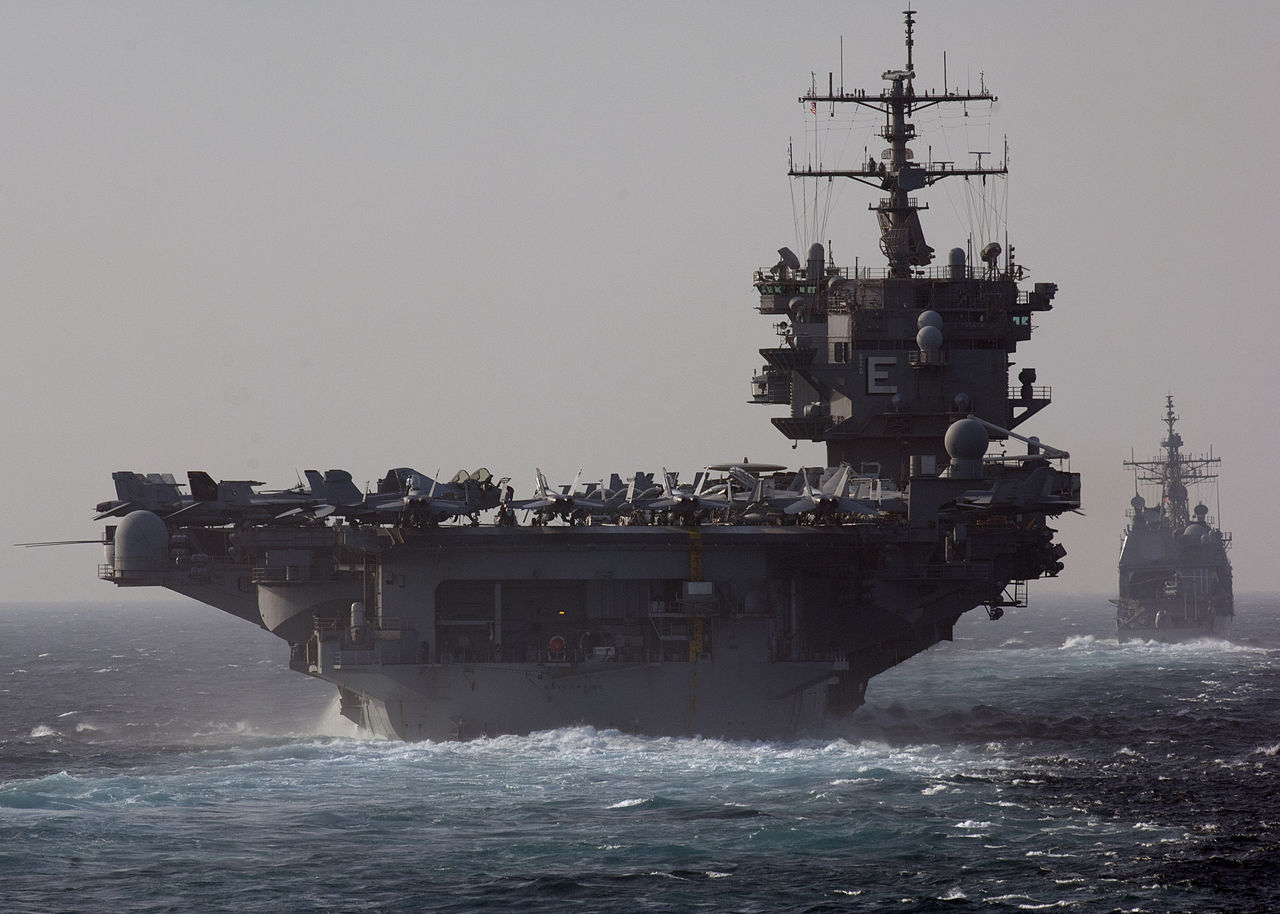
The military significance is equally large. A month of Houthi momentum put Mocha, Dhubab and Perim under pressure while fighters pushed around Taiz. The capture of al Turbah on the Taiz–Aden supply road threatened to isolate government troops. A verified Dhubab gain would show that air power and reorganized ground units can do more than slow the advance; it could force the Houthis to defend the coast while still trying to encircle positions inland.
From the 2022 truce to a new coastal war
Yemen's front lines largely froze after the UN-brokered truce that began in 2022, even after the formal agreement expired. That uneasy pause unraveled in July 2026 amid the wider regional war. The Houthis declared a naval blockade on Saudi Arabia, renewed attacks and then pushed rapidly down the Red Sea coast in September.
The conflict's deeper architecture dates to 2015, when the Saudi-led coalition intervened to restore the internationally recognized government after the Houthis seized Sanaa. Years of airstrikes damaged Houthi forces but did not produce a durable political order or decisive government victory. The UN estimated in 2021 that the war's direct and indirect effects would cause 377,000 deaths by the end of that year, a measure of how military stalemate translated into hunger, disease and lost services.
That history is the central caution for the new operation. Air power can expose vehicles, suppress positions and enable an advance. It cannot by itself hold towns, reconcile rival anti-Houthi factions, restore administration or protect civilians after the front moves. The test is therefore not only whether troops enter Dhubab, but whether they can remain without reopening the cycle of local fragmentation that weakened earlier campaigns.
Who gains, who loses and who remains at risk
Potential beneficiaries
The Yemeni government gains badly needed legitimacy if the advance holds: the campaign would have produced a tangible result within a day of Al-Alimi's declaration. Saudi Arabia gains credibility after more than a decade of costly involvement, particularly on a route tied directly to energy security. Shippers, insurers and oil consumers benefit if the risk of attacks or coercion around the strait declines.
The gain would also weaken a central Houthi bargaining chip. Control near Mocha, Dhubab and Perim translates geography into negotiating leverage. Iran, which backs the Houthis, would lose some proxy pressure over Saudi Arabia and Red Sea traffic if government forces can build a defensible coastal line.
Civilians carry the immediate downside
People in Dhubab, Taiz and the surrounding hills face displacement, unexploded weapons and interrupted access to food, water and medical care regardless of which force advances. UNHCR figures cited in reporting put displacement this month above 130,000, with as many as 100,000 more people projected to flee if fighting widens. UN human rights chief Volker Türk said 32 civilians, including 15 children, had been documented killed since August.
Those figures are not a side note to the strategy. A coastal victory that triggers mass flight or leaves communities without services can erode the legitimacy it is supposed to restore. The same applies to Taiz, where the fight over al Turbah and the road to Aden could determine whether aid and commercial supplies reach a densely populated city.
The skeptics' case
Skeptics point first to the Houthi denial and the absence of independent battlefield confirmation. They also note the coalition's record of announcing tactical successes that did not become durable political control. Even if the government holds Dhubab, the Houthis retain drones, ballistic missiles, hardened inland positions and the ability to impose costs far from the front.
What happens next
Scenario one: a push toward Perim and Mocha
Government forces could try to turn Dhubab into a bridgehead, move toward the coast and contest Perim and Mocha. Success would require protected supply lines, mine clearance, air cover and political coordination among units that have not always shared a chain of command. Watch for independently verified imagery from road junctions and coastal facilities rather than broad victory statements.
Scenario two: Houthi retaliation widens the theater
The Houthis could answer with missiles or drones against Saudi cities, energy infrastructure or coalition bases. Houthi claims that they struck Riyadh and the Khurais oil facility have not been confirmed by Saudi authorities and should not be treated as established attacks. Verified damage, official Saudi alerts and changes to aviation or oil operations would be stronger indicators than claims alone.
Scenario three: Taiz decides whether the coastal gain can last
The inland fight may determine the coast. If Houthi forces consolidate al Turbah and pressure the Taiz–Aden road, they can threaten government logistics even while losing ground at Dhubab. If government forces reopen or bypass that corridor, they can connect the coastal push with deeper defenses around Taiz.
Scenario four: battlefield movement changes negotiating leverage
A sustained reversal could push both sides toward talks from a new balance. It could also encourage escalation if leaders believe momentum is finally available. The danger is that the U.S.–Iran confrontation turns Yemen from a local civil war with regional sponsors into a more direct arena for retaliation.
How this fits the expanding Yemen campaign
The Dhubab report is the first battlefield test of Al-Alimi's announced counteroffensive. It follows Saudi coalition promises of full operational support and the earlier plan for a Bab al-Mandeb push as Washington stayed out of direct strikes. It also comes one day after the Houthi capture of al Turbah cut the Taiz–Aden supply route.
The next 48 hours should answer the most basic question: whether Monday's advance becomes a stable line, a springboard or a temporary claim erased by counterattack. Until visual evidence and independent reporting catch up, the responsible description is precise: government-side sources report a significant gain; Houthi media deny it; control remains contested.
Sources and reporting notes
- Reuters, October 5 — four government-side sources on Dhubab and the Houthi-aligned media denial
- Reuters wire via Froggy KVOX, October 4 — Al-Alimi's counteroffensive announcement and September coastal gains
- TBS News, October 4 — televised address and fighting near the Taiz–Aden road
- Aju Press, October 5 — offensive context and reported U.S. intelligence support
- Foundation for Defense of Democracies, September 14 — chronology of the September Houthi coastal seizure
Verification note: Reuters is the sole independent outlet cited in available reporting for Monday's Dhubab control claim, relying on three military sources and one government source. Houthi-aligned media denied an advance. Signal Post News has not independently confirmed battlefield control or casualty claims.