World · War · Diplomacy
ASEAN’s special envoy asked Myanmar to end hostilities and open more of the country to aid — and asked after Aung San Suu Kyi. What she got was a positive word on aid, a claim about restoring Myanmar’s ASEAN role that her own office did not repeat, and no reported meeting with the detained Nobel laureate.
Track it live: Live wars and conflicts tracker
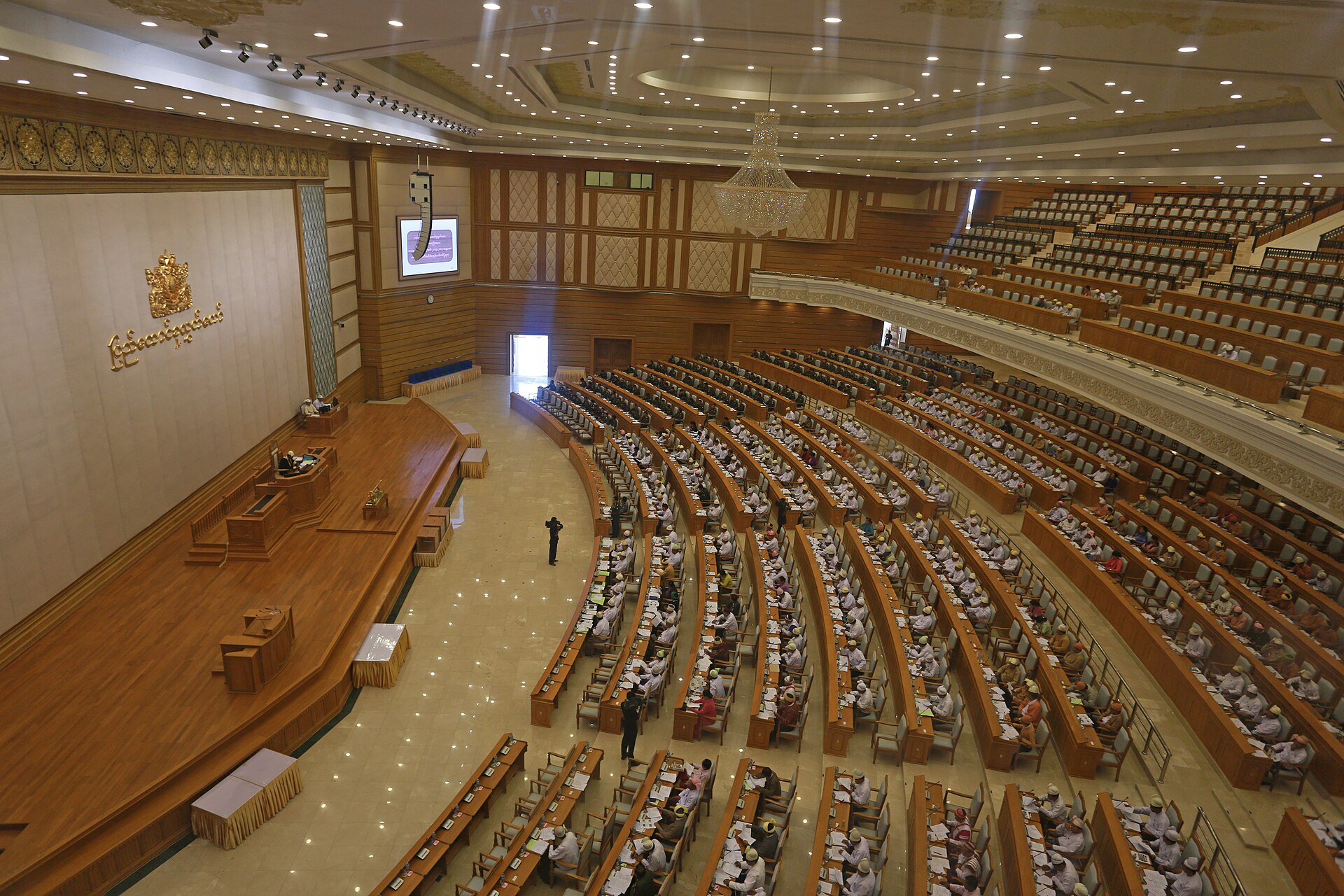
ASEAN envoy Myanmar civil war diplomacy came back to Naypyitaw this week — and left with the same gap it arrived with. The Southeast Asian bloc’s special envoy, Philippine Foreign Secretary Ma. Theresa Lazaro, met Myanmar’s Foreign Minister Tin Maung Swe in the capital on Thursday, October 29, 2026, to discuss the civil war and humanitarian access, according to official statements reported by Reuters on Friday. Lazaro asked Myanmar to end hostilities and open more of the country to aid, the Philippine Department of Foreign Affairs said. She also asked after Aung San Suu Kyi, the Nobel laureate detained since the 2021 coup — and was told, she later said, that “she’s doing well.” No meeting with Suu Kyi was reported.
A visit built around aid, not recognition
Lazaro’s mission, run with the ASEAN Coordinating Centre for Humanitarian Assistance on Disaster Management (the AHA Centre), began on Wednesday in Taunggyi, in Southern Shan State, where she led an ASEAN Monitoring Team distributing rice, family kits and personal hygiene items to displaced people, Philippine officials said. The mission kicks off a month-long operation intended to reach more than 11,000 households in Kayin State and Northern Shan State, in areas Philippine Undersecretary for Policy Leo Herrera-Lim said had not previously been reached by the AHA Centre. In Nay Pyi Taw, her programme also included the handover of a monastery reconstructed in Pyinmana Township and a prefabricated school building in Tha Pyay Pin Village — projects funded by Philippine contributions after the earthquake that devastated parts of Myanmar in 2025. The humanitarian framing is deliberate. One element of ASEAN’s Five-Point Consensus, the bloc’s 2021 peace plan for Myanmar, is precisely this: a conducive environment for aid to reach people. “It means that we are still moving under the Five-Point Consensus,” Herrera-Lim said — “it’s not Philippine priority alone; it’s ASEAN priority.”
What was actually discussed — two accounts
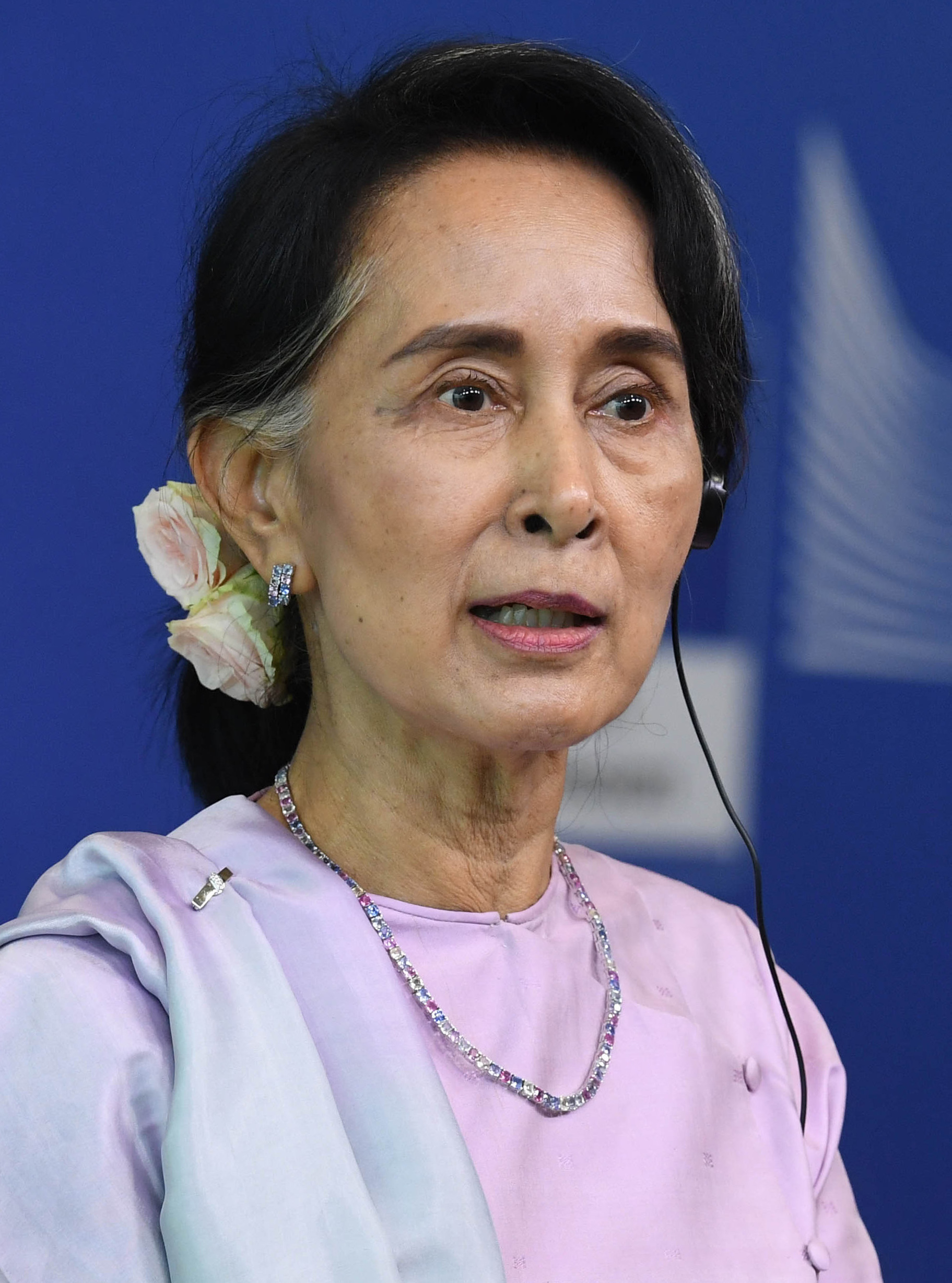
The two governments’ readouts agree on the humanitarian core and diverge on everything else. Tin Maung Swe told his guest, according to Myanmar state media, that Myanmar was working to implement the Five-Point Consensus “in line with its national interests and sovereignty.” Lazaro said the two had “a very positive discussion point on the humanitarian side,” and that Myanmar appeared open to aid reaching “certain areas that have not been reached.” Then the accounts split. Myanmar’s state-run Global New Light of Myanmar reported on Friday that Lazaro had discussed ways to restore Myanmar’s original role and rights within ASEAN. A statement from Lazaro’s own office on the trip made no mention of any discussion of restoring Myanmar’s role, Reuters noted. That omission matters, because Myanmar’s army-backed government wants normalisation: its leaders have been barred from ASEAN summits since 2021, after the bloc judged that the military had failed to de-escalate the conflict that followed its coup. Only in August, Myanmar’s government said there was no longer a need for an ASEAN special envoy at all. An envoy was in Naypyitaw anyway — talking aid, on the record, and talking normalisation, if at all, only in the host’s version of events.
The Suu Kyi question
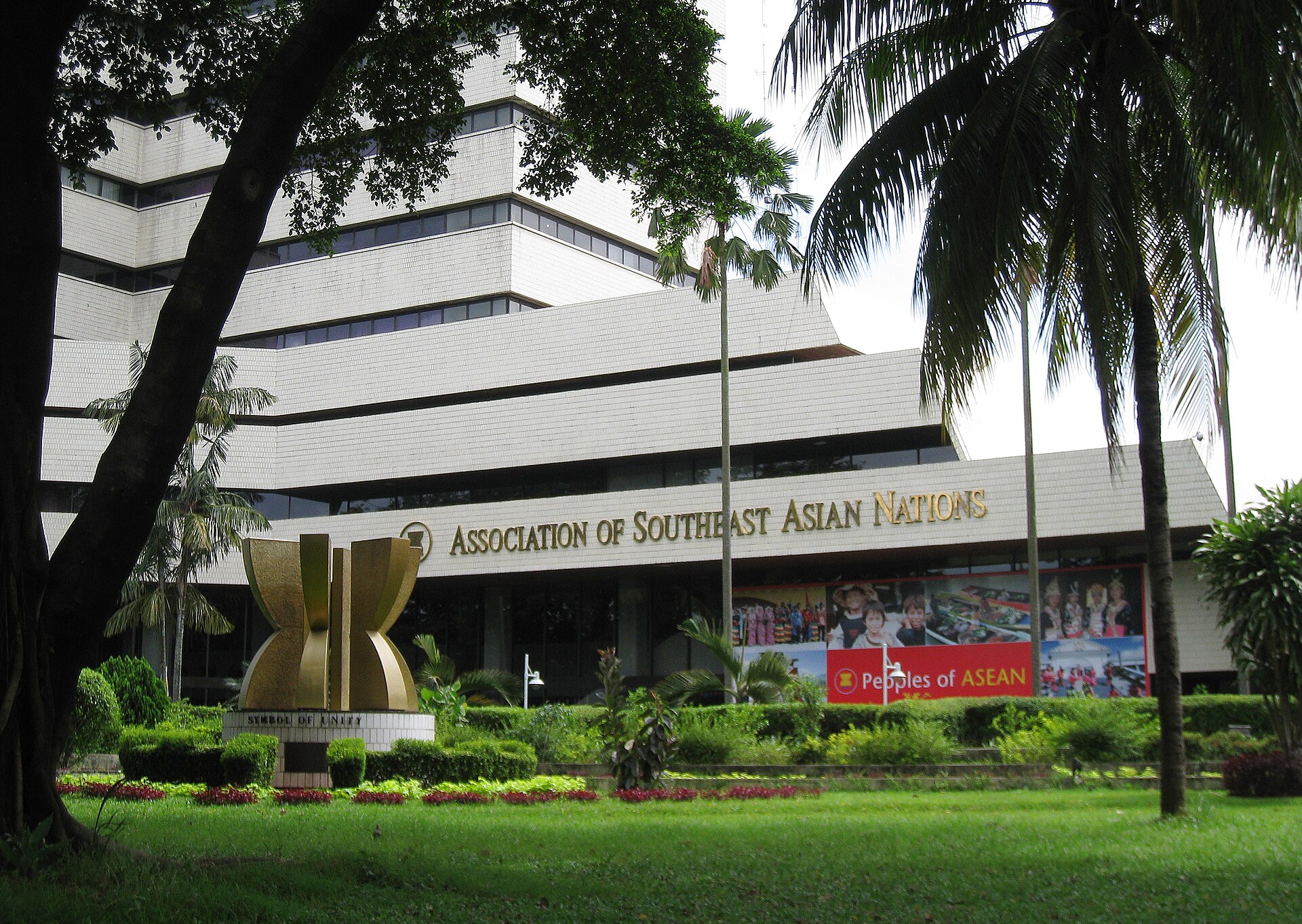
Lazaro had sought access to Aung San Suu Kyi, who has been detained since the military ousted her elected government in February 2021. Her office’s statement made no mention of a meeting, and the Philippine foreign ministry had said before the trip that there were “no details” on a possible meeting. What Lazaro reported afterwards was secondhand: “I asked about the situation of Daw Aung San Suu Kyi and the response was quite positive that she’s doing well,” she was quoted as saying by the Philippine news outlet Bilyonaryo, which travelled with her. That is a reassurance relayed by the government holding her — not a visit, not an independent health check, and not access. Suu Kyi, 81, was moved to house arrest in April of this year and is serving an 18-year sentence on charges ranging from incitement and corruption to election fraud and breaching a state secrets law, all of which she denies; as SPN reported earlier this month, no foreign leader or envoy has publicly met her despite repeated requests, even as Myanmar’s government released rare photographs of her receiving books and a letter from Britain’s King Charles. For ASEAN’s envoy to ask, and to be answered with a sentence rather than a door opening, is the Five-Point Consensus in miniature: the bloc’s plan explicitly envisages its envoy meeting all parties, and five years on, the most important detained party remains unreachable.
Why this matters
Myanmar’s civil war has killed an estimated 100,000 people and displaced more than 3.5 million, by the estimates Reuters cites — a war that continues on the ground even as its diplomacy moves through conference rooms, as SPN’s coverage of junta airstrikes on displaced people’s camps in Ponnagyun this month underlines. Three things are at stake in a visit like this. First, aid geography: if the areas “not previously reached” in Kayin and the Shan States actually receive the month-long distribution, the mission will have moved food and kits to people no ASEAN operation has reached before — a measurable outcome, not a communiqué. Second, the normalisation question: a government that was expelled from summit rooms for failing to stop a war is campaigning, through its state media’s reading of an envoy’s visit, to be readmitted to them — while adding the words “in line with its national interests and sovereignty” to every promise about the peace plan. Third, precedent: with Washington opening direct talks with Myanmar’s generals of its own, ASEAN’s claim to be the central broker of the Myanmar file is being tested from two directions at once. An envoy who can deliver aid but not access, and whose host announces a normalisation discussion she does not confirm, is holding a mandate that is visibly narrowing to the humanitarian lane.
Who gains, who loses
The army-backed government gains the photograph and the headline it wrote itself — an ASEAN envoy in its capital, reported at home as discussing its restoration — at the price only of aid deliveries it can permit, route and claim credit for hosting. ASEAN and the Philippine chairmanship gain a concrete aid operation and a live process to report when leaders meet in Manila in November, where a decision on implementing the Five-Point Consensus is due. The losers, on the evidence of this visit, are the plan’s other promises: dialogue among all parties, an end to violence, and envoy access to everyone — none of which advanced in any verifiable way this week. Critics of ASEAN’s approach have made that argument after every envoy visit since 2021; defenders inside the bloc answer that the humanitarian lane is the only one currently open, that 11,000 households is not nothing, and that keeping a channel to Naypyitaw is what makes any later political opening possible. Both readings fit this week’s facts. What does not fit the facts is calling the visit a breakthrough.
What the numbers say
The visit’s verifiable arithmetic is small and precise. Two days on the ground (October 28–29). One ministerial meeting. More than 11,000 households targeted by a month-long aid operation across two states and one state already visited. Zero reported meetings with Suu Kyi, zero ceasefire commitments, and one phrase — “in line with its national interests and sovereignty” — qualifying the host’s pledge to implement a five-point plan that is now five years old, against a war estimated at 100,000 dead and 3.5 million displaced. Meanwhile the supply lines of that war keep moving in the other direction, from the Iranian jet fuel reaching the junta disguised as diesel that SPN documented this month to the airstrikes that continue in Rakhine and beyond. Diplomacy is being measured, this week, in rice bags and school kits. That is better than being measured in nothing — and it is not the same as peace.
What happens next
The next test is dated. ASEAN leaders convene in Manila in November and are due, Philippine officials say, to reach a decision on how the Five-Point Consensus is to be implemented — a decision that will either widen Lazaro’s mandate beyond aid or confirm it has shrunk to one. Watch, before then, whether the month-long distribution actually reaches the unreached areas of Kayin and Northern Shan, whether any ASEAN account ever confirms the normalisation discussion Myanmar’s state media described, and whether the answer on Suu Kyi changes from a reassuring sentence to an opened door. If none of those moves, this visit will stand as the clearest available snapshot of where Myanmar diplomacy actually is in the autumn of 2026: active, courteous, humanitarian — and stuck.
Sources
- Reuters, “ASEAN envoy meets Myanmar minister, discusses civil war and aid access,” October 30, 2026.
- Philippine News Agency, “ASEAN special envoy leads humanitarian mission to Myanmar – DFA,” October 28, 2026.
- Malaya Business Insight, “Lazaro urges Myanmar to end hostilities, open more areas to aid,” October 30, 2026.
- The Chronicle (Philippines), “DFA: Myanmar mission affirms ASEAN’s continued 5PC efforts,” October 2026.
- Reuters, “Myanmar authorities release rare images of Aung San Suu Kyi,” October 19, 2026.