War / World — Iranian jet fuel Myanmar shipments were disguised as South African diesel in sales contracts and import documents, according to a Reuters investigation published on Monday — a paper disguise that Myanmar’s own foreign-exchange regulator approved in writing days before one sanctioned tanker arrived, and that kept fuel flowing to a military the United Nations says has killed thousands of civilians in aerial attacks.
Track it live: Live Global War Tracker
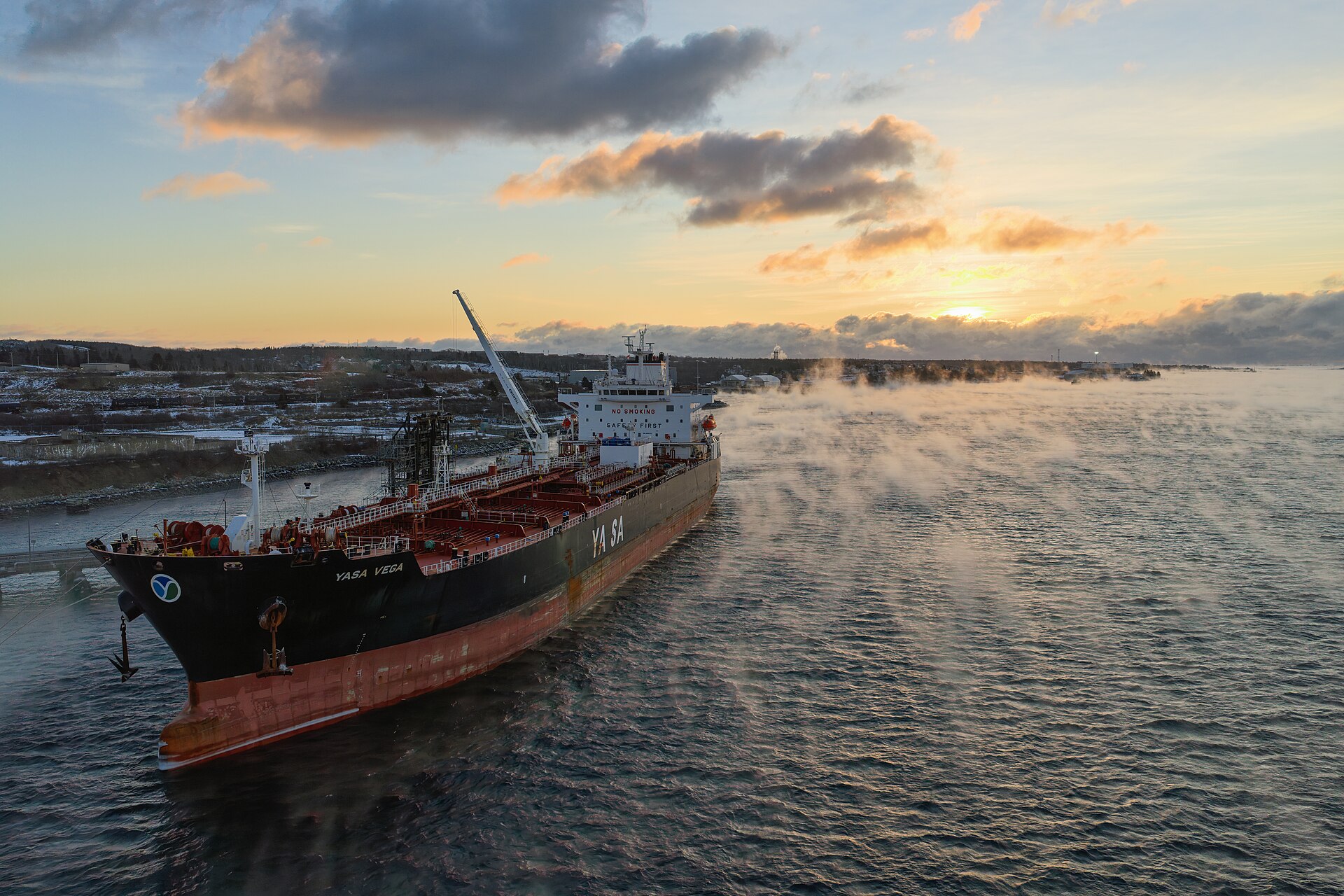
In December 2025, a tanker called Reef — a vessel under U.S. sanctions, since renamed Maris — arrived in Myanmar waters carrying about 113,000 barrels of fuel. On paper, the cargo was unremarkable: a Myanmar-based energy broker, Dynamic Wave, had ordered it under a $15.8 million sales contract with Thailand’s Tawan-Oil Trading, and the paperwork described a similar quantity of South African diesel. In reality, according to Myanmar fuel-shipment records reviewed by Reuters and satellite imagery and analysis by SynMax Intelligence, Reef was carrying jet fuel loaded at Iran’s Bandar Abbas port. The diesel, on the evidence of trade data, did not exist: United Nations data and Vortexa, a shipping and energy data provider, show no South Africa–Myanmar diesel trade at all in 2025.
The documents Reuters examined — a sales contract shared by the advocacy group Justice for Myanmar, an earlier contract and invoice, and a letter from Myanmar’s foreign-exchange regulator — describe a supply line in which the disguise was not improvised at sea but written into the transaction itself, with the knowledge of a Myanmar state regulator. Justice for Myanmar, which published its own report on Monday, reached the same conclusion: the junta was importing jet fuel mislabeled as diesel. None of the companies or governments named in the documents responded to Reuters’ questions, and this article sets out both what the records show and what remains unanswered.
How the disguise worked: jet fuel on paper, diesel on the forms
The clearest document in the set is dated November 30, 2025 — days before Reef arrived. In it, Myanmar’s foreign-exchange regulator wrote that the import documentation for the delivery would label the fuel as diesel “instead of jet fuel,” and authorized Dynamic Wave and its client, National Energy Prime Aviation Services Company, to pay Tawan for the shipment. National Energy Prime is part-owned by Myanmar’s military-backed government. The letter did not explain why the cargo needed to be mislabeled.
The labeling mattered because jet fuel is precisely the commodity Myanmar’s military is not supposed to be able to buy freely. In 2023, the United States imposed targeted sanctions on Myanmar’s jet-fuel industry, citing the military’s bombing campaign against civilian targets in its war against a rebel-led insurgency. Iranian fuel carries a second layer of exposure: buyers of Iranian oil and fuel products are themselves subject to sweeping U.S. sanctions. A cargo documented as South African diesel touched neither tripwire on paper. A cargo documented as Iranian jet fuel for a military aviation company touched both.
The December contract followed the same pattern as the paperwork around it. It stipulated payment into Tawan’s account at Thailand’s Siam Commercial Bank (SCB), and it described the cargo’s origin and type in terms that the shipping record contradicts: the fuel was loaded at Bandar Abbas, Iran’s main oil-export port, and the tanker that carried it was a U.S.-sanctioned vessel whose business, on the evidence Reuters assembled, was moving Iranian fuel to Myanmar under borrowed descriptions.
An earlier cargo, and a tanker that pointed at the wrong port
The December shipment was not the first. In May 2025, Dynamic Wave agreed to buy 202,000 barrels from Tawan for $26 million, in a contract Reuters reviewed that described the cargo as South African diesel to be delivered to Yangon within a month, with payment into Tawan’s SCB account. Two details in the invoice did not fit that description. The fuel’s density matched jet-fuel specifications rather than the diesel normally sold in Southeast Asia, according to Joshua Heyne, a jet-fuel expert at Washington State University, and data from Platts. And the price was more than 50 percent above a global diesel benchmark — a premium that makes sense for sanctioned jet fuel moved through intermediaries, and very little sense for ordinary diesel.
The ship told the same story. On June 17, the tanker Noble called at Yangon carrying just under 200,000 barrels of jet fuel for Dynamic Wave, loaded at Bandar Abbas, SynMax’s analysis showed. On its way, Noble’s transmitted signals made it appear to be bound for Chittagong, in Bangladesh — a destination the ship never reached, because it was never going there. Between them, Reef (now Maris) and Noble carried much of Tehran’s supply to Myanmar’s military: Reuters reported in January that Iran was the Myanmar military’s primary jet-fuel supplier between October 2024 and December 2025, and its October reporting, citing SynMax and satellite imagery, says shipments between Iran and Myanmar have continued this year.
Why this matters
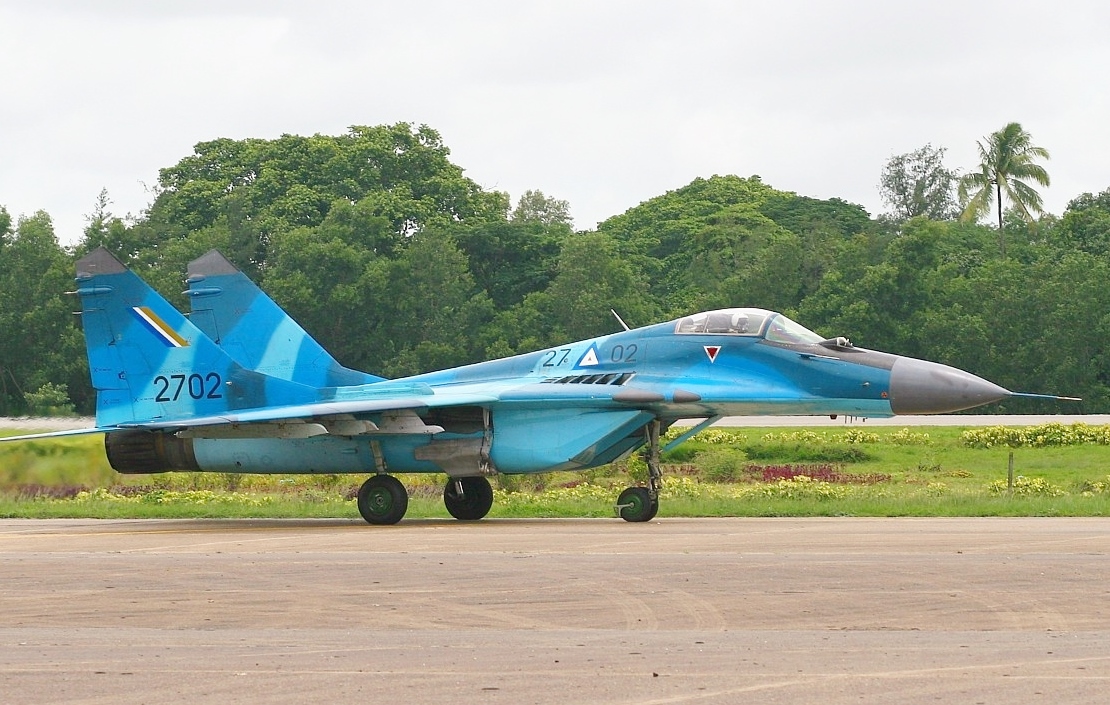
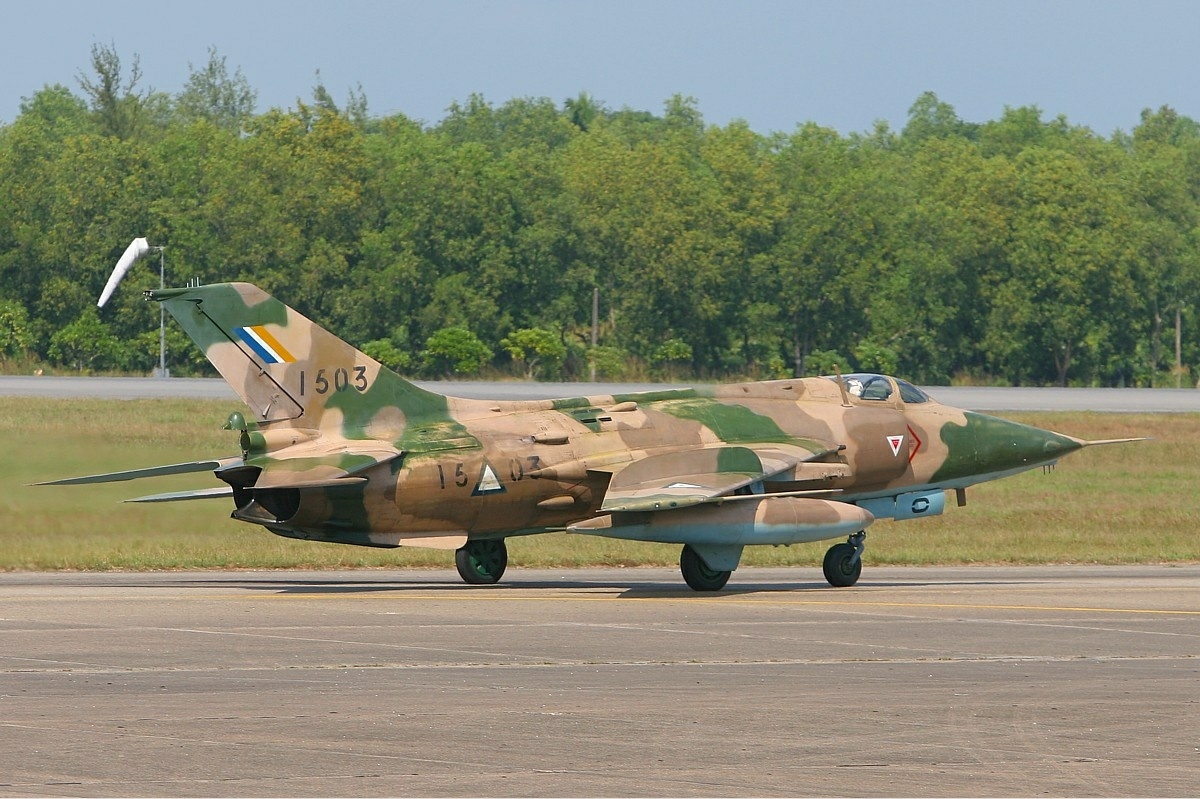
Jet fuel is the junta’s leash, and everyone in this story knows it. Myanmar’s military does not hold the country’s territory from the ground: since the 2021 coup it has relied on air power — fighters, ground-attack aircraft and helicopters — to strike an insurgency it cannot defeat in the field. Sanctions on jet fuel were designed to shorten that leash by making the one input the air campaign cannot do without harder and more expensive to obtain. The documents Reuters published describe, in unusual transactional detail, how that design was defeated: not by smuggling in the hold of an unregistered ship, but by an ordinary-looking commercial chain — a broker, a trading company, a bank account, a regulator’s letter — in which every document said “diesel.”
That is why the November 30 letter is the most consequential page in the file. Sanctions evasion usually depends on keeping governments at arm’s length from the paperwork. Here, a state regulator specified the false description in writing and approved the payment route, and the end customer was part-owned by the military-backed government itself. If the letter is authentic — and its delivery dates and quantities match Iranian jet-fuel shipment records Reuters reviewed independently — then the mislabeling was not a broker’s private fraud. It was a feature of the import process.
The second reason this matters is geographic. The chain runs through Thailand’s financial system: contracts with a Thai trading company, payments into a Thai bank, cargoes landed at Yangon. U.S. sanctions on Myanmar’s jet-fuel sector and on Iranian fuel exports both depend on third-country intermediaries deciding the risk is not worth taking. The documents suggest that, at least through 2025, parts of that intermediary layer decided otherwise — or did not look closely enough to decide at all.
Background: a war fought from the air since 2021
Myanmar’s generals seized power in 2021, overthrowing the democratically elected government of Aung San Suu Kyi. The coup sparked a civil war that has since spread across most of the country, pitting the military against a rebel-led insurgency of ethnic armies and resistance forces. The UN said in August that the military has killed thousands of people, including many civilians, in aerial assaults. Myanmar’s foreign ministry, responding to UN allegations, has said the military “exercises maximum restraint to avoid civilian harm.”
The air campaign that jet fuel sustains is the subject of continuing Signal Post News coverage: a military airstrike in Yesagyo Township that killed at least 11 civilians, including children, and junta airstrikes on displacement camps in Ponnagyun, in Rakhine State, that killed eight people sheltering there. Those strikes are the operational end of the supply line the Reuters documents describe — which is why a fuel invoice, a density reading and a regulator’s letter are, in this war, documents about bombing.
The Thai bank in the paperwork
Both contracts Reuters examined routed payment the same way: into Tawan-Oil Trading’s account at Siam Commercial Bank. That detail carries its own history. In a 2024 report, UN experts identified Tawan as a jet-fuel supplier to Myanmar’s military and described SCB as a major facilitator of Myanmar military procurement. After that report, SCB said it adheres to anti-money-laundering laws and that its Myanmar-related transactions were legitimate and not connected to the arms trade. Reuters could not determine whether SCB was aware of the nature of Tawan’s business, and the bank did not respond to questions for this report. Thai regulators, for their part, ordered banks in 2024 to closely scrutinize Myanmar-related transactions — an instruction whose effectiveness the December 2025 contract, written a year later, now tests.
What the numbers imply
The figures in the documents sketch the shape of the trade. About 113,000 barrels in the December cargo, sold for $15.8 million. About 202,000 barrels contracted in May for $26 million, with just under 200,000 barrels delivered by Noble in June. A price more than 50 percent above the diesel benchmark in the May invoice — the premium that sanctions impose, paid by the buyer and split, presumably, among the intermediaries who make the trade possible. And a supply relationship that, on Reuters’ reporting, made Iran the Myanmar military’s primary jet-fuel supplier for the fourteen months from October 2024 to December 2025, continuing into this year. None of these numbers describes a marginal or improvised arrangement. Together they describe a standing procurement channel, running scheduled tanker voyages between Bandar Abbas and Yangon, with a regulatory paper trail on the Myanmar end and a mainstream bank account on the Thai end.
Who benefits, who loses
The beneficiaries are visible in the documents. Myanmar’s military keeps its aircraft flying and its air campaign supplied, at a premium it has shown itself willing to pay. Iran gains a paying customer for fuel its other buyers are sanctioned for touching. The intermediaries — the broker that ordered the cargoes and the trading company that sold them — earn the spread that a 50-percent-above-benchmark price makes possible. The losers are equally identifiable: the civilians under the flight paths of the aircraft this fuel powers; the sanctions policy of the United States, whose 2023 measures were built to interrupt exactly this trade; and the credibility of the third-country compliance system — bank scrutiny, trade data, shipping signals — each layer of which, in this account, either was deceived or did not detect the deception.
How the documents surfaced
The paper trail became public through an unlikely opening. Justice for Myanmar, the advocacy group that shared the December sales contract with Reuters and which supports further sanctions on Myanmar jet-fuel imports, said it obtained the documents from a junta-run server that was briefly publicly accessible. Reuters found a dead link to one of the documents through the search engine DuckDuckGo, indicating it had been hosted on that server, and confirmed that the delivery dates and quantities in the documents match the Iranian jet-fuel shipment records it reviewed separately — the cross-check that turns a leaked contract into a corroborated account of actual cargoes. Justice for Myanmar’s report, published on Monday, concluded that the junta was importing jet fuel mislabeled as diesel.
What the companies and governments say — and don’t say
Reuters asked every party named in the documents to respond. Dynamic Wave and National Energy Prime did not respond to its questions. Spokespeople for Myanmar’s military-backed government and its foreign-exchange regulator did not return requests for comment, and neither did Iran’s foreign ministry. SCB, Tawan and the Bank of Thailand did not respond to questions for this report. The U.S. Treasury did not respond to questions about Iran–Myanmar jet-fuel shipments, and the manager of the tankers Reef and Noble did not respond either. The record therefore stands on the documents, the shipment data and the satellite analysis, with one historical exception: SCB’s earlier statement, after the 2024 UN report, that it complies with anti-money-laundering law and that its Myanmar-related transactions were legitimate and unconnected to the arms trade.
What happens next
Three questions now decide what these documents change. The first is enforcement: whether the U.S. Treasury, which has not commented, treats the Reef and Noble voyages, the Tawan contracts and the SCB payment route as a sanctions case — against the companies, the vessels, or the facilitators — or leaves the 2023 measures as they stand. The second is Thailand: whether its regulators, having ordered close scrutiny of Myanmar-related transactions in 2024, act on a documented case in which a Thai trading company and a Thai bank account sat at the center of the trade. The third is diplomatic. Washington has recently opened direct talks with Myanmar’s generals, a shift that complicates any new pressure campaign aimed at the same military’s fuel supply. Justice for Myanmar is calling for further sanctions on jet-fuel imports; whether any government takes that call up, and whether the Bandar Abbas–Yangon run continues while they decide, is the measure by which this disclosure will be judged.
Related coverage: Myanmar Military Airstrike in Yesagyo Kills at Least 11 Civilians, Including Children · Myanmar Airstrikes Kill 8 in Rakhine Displacement Camps · Washington opens direct talks with Myanmar’s generals
Sources
- Reuters, Oct 26, 2026 — “How purchases of sanctioned Iranian jet fuel were disguised by Myanmar”: the December 2025 Reef cargo of about 113,000 barrels; the $15.8 million Dynamic Wave–Tawan contract describing South African diesel; UN data and Vortexa showing no South Africa–Myanmar diesel trade in 2025; Myanmar shipment records and SynMax Intelligence satellite analysis placing the loading at Bandar Abbas; the November 30 foreign-exchange regulator letter authorizing the diesel label and payment by Dynamic Wave and National Energy Prime; the May 2025 contract for 202,000 barrels at $26 million; the invoice density assessment by Joshua Heyne of Washington State University and Platts data; the price premium over the diesel benchmark; Noble’s June 17 Yangon call and its Bangladesh-bound signals; the SCB payment route, the 2024 UN experts’ findings and SCB’s response at that time; and the non-responses of Dynamic Wave, National Energy Prime, Tawan, SCB, the Bank of Thailand, the U.S. Treasury, the tanker manager, and the Myanmar and Iranian authorities. Reuters.
- Justice for Myanmar, Oct 26, 2026 — report concluding the junta was importing jet fuel mislabeled as diesel, based on documents obtained from a briefly public junta-run server and shared with Reuters; the group supports further sanctions on Myanmar jet-fuel imports (as cited by Reuters).
- Reuters, January report (as cited in its October investigation) — Iran was the Myanmar military’s primary jet-fuel supplier between October 2024 and December 2025, with much of the volume carried by the tankers Reef/Maris and Noble.
- United Nations (as cited by Reuters) — the UN said in August that the military has killed thousands, including many civilians, in aerial assaults; UN experts’ 2024 report identifying Tawan as a jet-fuel supplier to Myanmar’s military and describing SCB as a major facilitator of Myanmar military procurement.