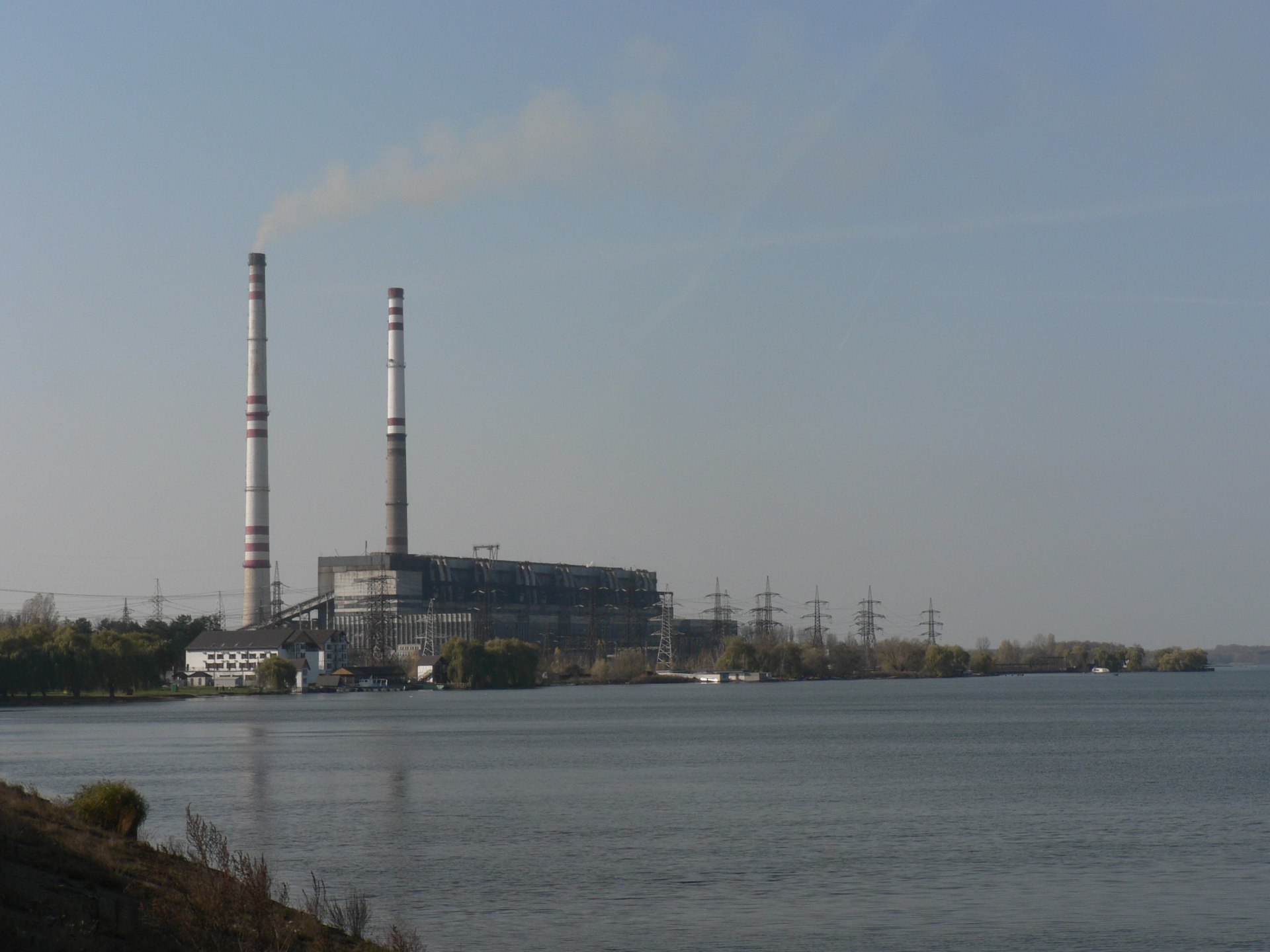
Russia attacked Ukraine energy 76 times in the week since U.S. President Donald Trump announced an energy ceasefire, President Volodymyr Zelenskyy said on Sunday, reporting that overnight strikes hit substations in the Vinnytsia, Zhytomyr, Khmelnytskyi and Odesa regions and left tens of thousands of families without electricity. Zelenskyy said two people were killed and 12 injured, including two children, in overnight strikes on residential buildings, and that an agricultural enterprise in the Volyn region was hit on Sunday morning. Over the past week, he said, Russia launched nearly 2,700 attack drones, about 1,700 guided aerial bombs and 66 missiles at Ukraine. Neither Kyiv nor Moscow has confirmed the ceasefire agreement Trump announced, Reuters noted. As the strikes unfolded, neighbouring Poland put its air force on preventive operations and suspended flights at the Lublin and Rzeszów airports, the Polish Armed Forces and the Polish Air Navigation Services Agency said.
Ukraine / A ceasefire neither side confirmed, counted in substations — 76 strikes in seven days and a second straight night of blackouts
Track it live: follow the front lines on the Signal Post News Ukraine War Map and armed conflicts worldwide on the Live Global Wars Tracker.
KYIV, Ukraine — Russia attacked Ukraine energy 76 times in the week since President Donald Trump announced a halt to strikes on energy infrastructure, President Volodymyr Zelenskyy said on Sunday, in a post on X that paired the tally with a second consecutive night of damage to the power grid. "Since the American President announced the energy ceasefire a week ago, Russia has deliberately attacked Ukraine's energy and oil and gas sectors 76 times," Zelenskyy wrote, adding that the latest strikes hit substations in the Vinnytsia, Zhytomyr, Khmelnytskyi and Odesa regions. Reuters, reporting the statement, noted the fact that sits underneath the whole dispute: neither Kyiv nor Moscow has confirmed the ceasefire agreement Trump announced.
What Zelenskyy said
Zelenskyy's post, carried in full by Ukraine's UNN news agency, was built as an indictment with a ledger attached. "Just this night, substations in Vinnytsia, Zhytomyr, Khmelnytskyi, and Odesa regions were hit. Tens of thousands of families remain without electricity. Energy workers and repair crews are effectively working around the clock to restore supplies," he wrote. "During the night, the Russians also struck residential buildings in our regions. As of now, 12 people are known to have been injured, including two children. Two people were killed. My condolences to their relatives and loved ones. In the morning, an agricultural enterprise in Volyn was hit. All necessary services are working at the site."
The weekly totals he attached are the largest single-week accounting Kyiv has published in this dispute: nearly 2,700 attack drones, about 1,700 guided aerial bombs and 66 missiles launched at Ukraine over seven days, with energy facilities, in his words, the main targets. "The Russians are trying to create a blackout," he wrote. The casualty figures in the post are Zelenskyy's own account of the overnight strikes; they had not been independently verified by Sunday morning, and Russia's Defence Ministry had not published its version of the night's target list at the time of writing.
A second night on the grid
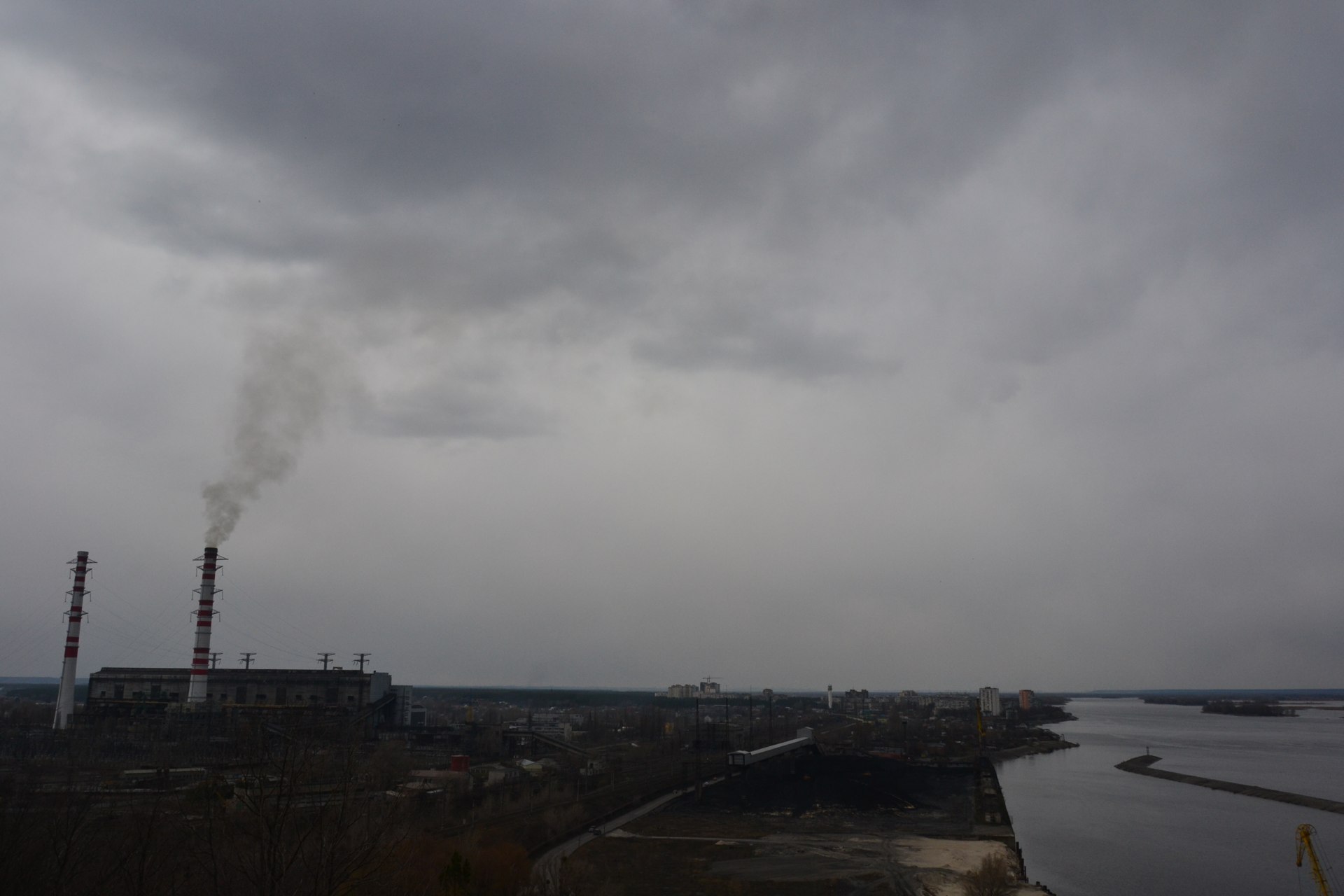
Sunday's strikes were not a one-off spike. They landed the night after the attack Signal Post News reported on Saturday, in which Zelenskyy said more than 15 energy facilities were targeted in a single night — an attack grid operator Ukrenergo described as among the largest yet against its substations, with rolling blackouts planned for Kyiv and eight regions. Read together, the two nights describe a tempo, not an incident: Friday night, a massed wave aimed at generation and transmission across at least ten regions; Saturday night, a follow-up against substations in four more, concentrated in the centre and south. Substations are the grid's joints — cheaper to hit than power stations, slower to replace than pylons, and the specific component Ukraine's repair crews have spent three winters learning to rebuild under fire.
Ukraine has been striking back along the same seam. Kyiv's drone campaign against Russian refineries, fuel depots and export infrastructure — the campaign Washington has pressed it to stop — is the other half of the energy war, and Zelenskyy has said repeatedly that Ukraine offered a simple trade: it would stop hitting Russian diesel and refining if Russia stopped hitting Ukrainian electricity and heat. That offer, and what became of it, is the background to Sunday's post.
Poland scrambles, two airports close
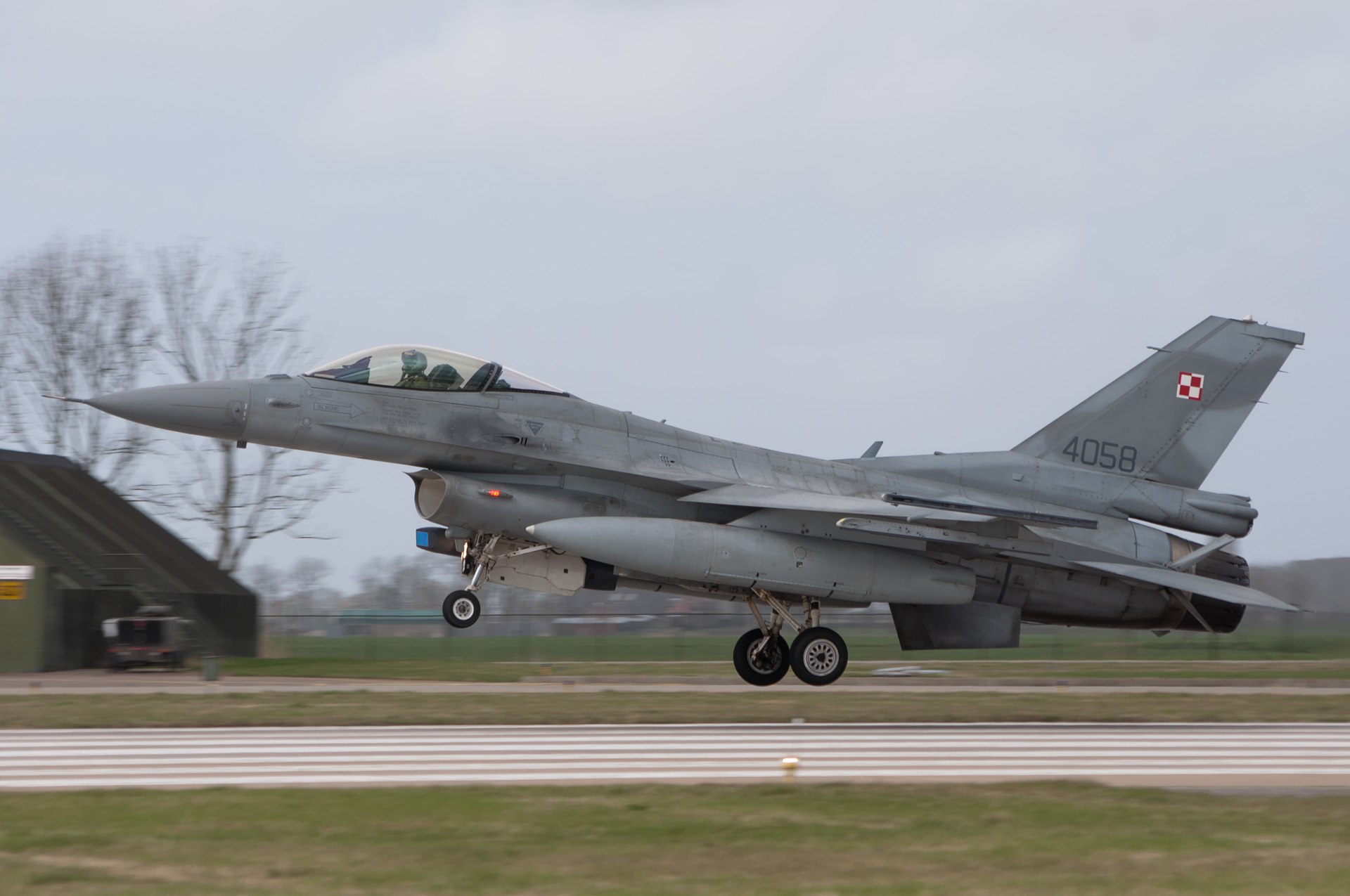
The night's shockwave reached NATO territory without crossing it. The Polish Air Force was conducting preventive operations related to Russian missile attacks on Ukraine on Sunday, the Polish Armed Forces said on X. "These actions are preventive in nature and are aimed at securing and protecting Polish airspace, particularly in regions adjacent to areas at risk," the statement said. Airports in Lublin, in the east, and Rzeszów, in the southeast, suspended flight operations to ensure freedom of action for military aviation, the Polish Air Navigation Services Agency said in a separate post on X, according to Reuters.
Rzeszów is not any airport: it is the principal logistics hub through which Western military aid has flowed into Ukraine since 2022, and its repeated closure during Russian strike nights has become a rough barometer of how close to the border the night's attack is running. No violation of Polish airspace was reported in the Polish statements carried by Reuters. The scramble was the second Baltic-to-Polish air alert of the weekend: Lithuania had already sent residents in its centre and north to shelters on Sunday morning over an unrecognised flying object, with NATO air-policing fighters summoned and Kaunas airport closed — a separate incident, on the same morning, in the same crowded sky.
Why this matters
The 76 is not really a statistic. It is an argument, aimed at one reader, about cause and effect. A week ago, Trump announced on social media that both sides had agreed to an energy ceasefire. Ukraine's presidential office said it had not been informed in advance and had no information about any such agreement; the Kremlin said the scope of the ceasefire was never determined. In the days since, Washington has gone further: a Friday executive order waived key provisions of the Graham sanctions act, and the administration has defended a deal under which Russia supplies diesel to global markets. On Saturday, Secretary of State Marco Rubio framed the waiver as a pause of up to 60 days to weigh its economic impact, while senators from both parties objected in unusually blunt terms.
Zelenskyy's Sunday post connects those dots explicitly. "America must see that Russia is not taking steps toward an agreement in response to the lifting of sanctions or a deal," he wrote. "On the contrary, they perceive every signal about the possibility of making money as meaning that betting on war is working and that they can continue fighting. It is precisely because of Russia's position that the war continues… Russia must be pressured so that peace has a chance." That is the thesis Kyiv has been building all week — in the diesel-deal criticism, in the Starlink dispute, and now in a strike count with a date range that begins exactly when the ceasefire was announced. The count is chosen so that the ceasefire itself is the unit of measurement: every substation hit since the announcement is entered as evidence against it.
The numbers in context
Put the week in the longer ledger and two things stand out. First, the composition: roughly 2,700 drones against 66 missiles is a ratio of about 40 to 1, and it reflects how this war's air campaign is actually fought now — massed, comparatively cheap unmanned systems saturating defences, with scarce ballistic and cruise missiles reserved for the highest-value nodes such as substations and generation. Second, the timing: these strikes are landing in mid-October, at the front edge of the heating season, the same window in which Russia's previous grid campaigns did their worst damage. The UN's migration agency warned on Friday that millions of Ukrainians face another winter of hardship, with nearly 3.6 million people internally displaced and energy, heating and water systems under repeated attack. A blackout in July is an inconvenience; the same blackout in January, at minus ten, is a displacement event. That is why the repair crews in Zelenskyy's post are not a detail — in the grid war, restoration speed is a weapons system, and both sides know it.
What Moscow and Washington say
Balance requires stating what the other capitals have — and have not — said. Moscow has not confirmed any energy ceasefire agreement, and Russian officials have previously described the announced truce's scope as undetermined. Russia's Defence Ministry routinely describes its long-range strikes as directed at military and military-linked energy facilities; it had not issued its account of Saturday night's strikes when Zelenskyy posted. Its forces' own claim-making this week ran the other direction, with the General Staff asserting large territorial gains since September that Ukraine's General Staff publicly dismissed as an illusion on Saturday. Washington, for its part, has not endorsed Zelenskyy's count, and the administration's position — stated by Rubio — is that the sanctions waiver and diesel deal are tools for managing energy prices while negotiations continue, not a reward. Trump told reporters on Friday that he would continue to deal with both Zelenskyy and President Vladimir Putin: "I want that war to end." Three capitals, three incompatible descriptions of the same week. The substations, at least, are not in dispute.
What happens next
Three things to watch. First, whether the strike tempo holds for a third and fourth night: a sustained run at this rate would confirm that the autumn grid campaign, not a single retaliatory wave, is under way, and Ukrenergo's blackout schedules will be the most honest daily indicator. Second, whether Washington answers the 76 directly. Kyiv has now publicly priced the ceasefire announcement at zero and attached a number to it; a response — or silence — will shape how the sanctions argument plays in Congress, where the waiver already has bipartisan critics promising to raise it with the president in person. Third, the flank: Poland's scramble and Lithuania's shelter order on the same morning show the alert burden on NATO's east rising with the strike tempo, and every closure of Rzeszów is also a friction cost on the aid pipeline itself. Zelenskyy closed his post with thanks "to everyone who understands this and helps." The count was the message. The winter is the deadline.
Related coverage: Zelenskyy: Russia struck more than 15 energy facilities in one night · Zelenskyy blasts Trump's Russia diesel deal · Ukraine's 1,000-drone wave at Russia in one night
Sources: Reuters, "Zelenskiy says Russia attacked Ukrainian energy sector 76 times in past week" (Oct 18, 2026) and "Poland scrambles aircraft as Russia launches strikes on Ukraine, Polish military says" (Oct 18, 2026); UNN via Bytes Europe, full text of President Zelenskyy's Oct 18 post on X; Reuters, "Russian strikes, winter hardship may drive more Ukrainians from homes, UN agency warns" (Oct 16, 2026). Casualty and strike figures for the overnight attacks are President Zelenskyy's published account and are attributed as such; neither the ceasefire's existence nor the 76 count has been confirmed by Moscow or Washington.