Ukraine 1000 drones Russia: Russia's Defence Ministry said its air defences downed 1,015 Ukrainian fixed-wing drones over 16 Russian regions in a single night — the largest one-night drone count Moscow has ever published — with 195 of them, by the Moscow mayor's account, destroyed while headed for the capital, both of the city's biggest airports suspended, and St. Petersburg revising its toll from the same night's attacks to one person killed and five injured.
One night, two capitals under fire — and a drone count Russia itself put past a thousand
Track it live: follow this conflict on the Signal Post News Ukraine war map and the Live Global Wars Tracker.
MOSCOW — Start with the arithmetic, because the arithmetic is the story. Russia's Defence Ministry said on Sunday that overnight air defences downed 1,015 Ukrainian fixed-wing drones over 16 regions, in an attack window running from roughly 20:00 on Saturday to 08:00 on Sunday. Four-figure drone nights have happened once before in this war — during September's election-night wave — and were treated then as a threshold. They now look like a tempo. The ministry said Moscow and St. Petersburg took the heaviest weight of the attack, and it is in those two cities that the night's details, and its costs, come into focus.
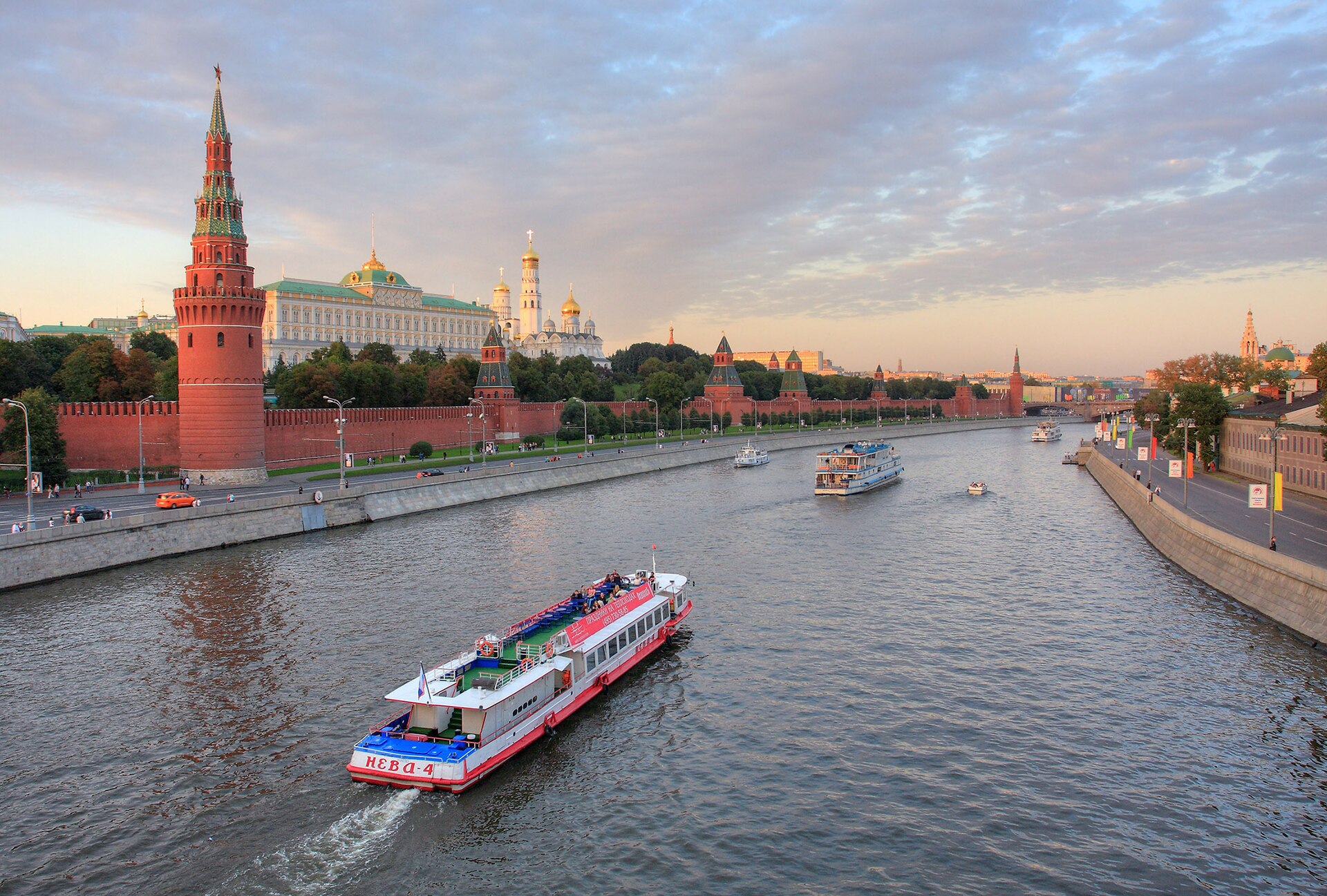
Moscow: 195 headed for the capital, and two airports stopped
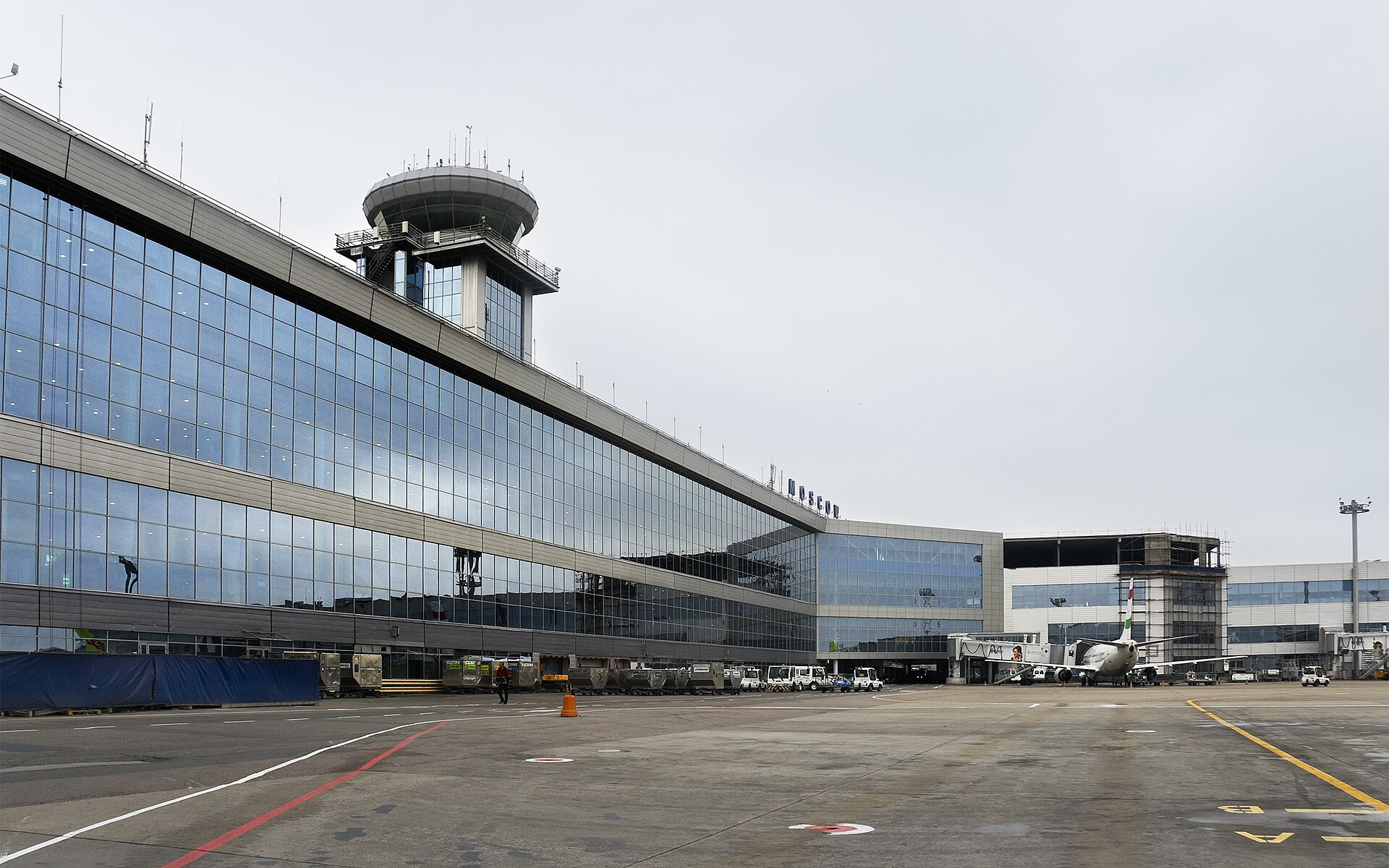
Moscow Mayor Sergei Sobyanin, posting on Telegram through the night, said 195 drones had been destroyed since midnight while headed for the capital, with emergency crews examining falling debris at the impact sites. Russia's aviation authority Rosaviatsia suspended operations at Domodedovo and Vnukovo — two of the capital's four main airports — the now-familiar mechanism by which a drone wave stops being purely a military event and becomes a disruption felt by every traveller in the city. One caution belongs inside the headline figure: a Defence Ministry tally relayed the same morning put the number destroyed on approach to Moscow at 127, not 195. The two counts cover different windows and appear to use different counting rules — the mayor counting from midnight and including the wider capital region, the ministry counting differently — and neither can be reconciled from outside. What is not in dispute between them is the scale: somewhere well above a hundred long-range drones were aimed at the Russian capital in one night, and the city's air defences, airports and emergency services all spent the night answering them.
St. Petersburg: the toll, revised
In St. Petersburg, Governor Alexander Beglov said on Sunday that one person had been killed and five injured in the overnight attacks — a revision that supersedes the earlier account, carried in our coverage of the strike on the Petersburg Oil Terminal, in which officials initially reported no fatalities while fires were still being fought. Beglov said fires burned at the oil terminal, at an oil depot and at industrial warehouses. The damage list widened through the day: the retailer Ozon said its St. Petersburg logistics hub was on fire, and the technology company VK said its data centre in the Leningrad region had been attacked, adding that its services remained available as normal. Later regional tallies put the number of drones downed over the Leningrad region at 144, and local reporting put the number of people left without power in the city and region at roughly 20,000. The pattern is a familiar one in this war — an initial official toll of zero, replaced within a day by named casualties — and it is why this article states the revision plainly: the first account was wrong, and the corrected one is the record.
The same night, in the other direction
The wave was not one-way. Ukraine's Air Force said Russia launched one Iskander-M ballistic missile from the Voronezh region and 180 strike drones from six launch areas — Orel, Bryansk, Kursk, Shatalovo and Primorsko-Akhtarsk in Russia, and occupied Donetsk and Hvardiiske in Crimea — from 18:00 on Saturday. The mix it described included Shahed-type drones, 26 of them jet-powered, alongside S-8000 Banderol and Dan-T types and Gerbera and Parodiya decoys. By 08:00, the Air Force said, Ukrainian defences had shot down or suppressed 152 of them, including 16 of the jet-powered Shaheds, with impacts recorded at 20 locations and debris at four more, and about ten drones still airborne when the report was filed. Russia's Defence Ministry, for its part, said its strikes hit 142 Ukrainian transport, drone and troop locations and that the Black Sea Fleet destroyed an uncrewed Ukrainian naval boat. Both accounts are claims by the militaries fighting the war; the shape they agree on is a night in which each side fired its largest available instrument at the other, simultaneously.
Why this matters
The significance is industrial before it is tactical. A 1,015-drone claim — even discounted for the inflation that afflicts every official tally in this war — describes a Ukraine able to build, stockpile and launch long-range strike drones at a rate that was science fiction in 2022, and a Russia forced to defend sixteen regions and both of its great cities at once. That inverts the war's original geometry. For its first two years, deep strikes were a Russian monopoly exercised against Ukrainian cities; the overnight exchange, in which the larger wave by raw count flew east, is what the drone war looks like once production on both sides has been industrialised. The economics cut the same way. Every drone Russia downs over Moscow is a transaction in which a comparatively cheap airframe is exchanged for interceptor missiles, gun ammunition, radar hours and a closed airport — and the exchange repeats nightly, whether or not anything is hit. Airports have become the pressure point where that arithmetic touches ordinary life: suspending Domodedovo and Vnukovo costs little in military terms and a great deal in the currency capitals actually run on, which is the feeling of normality. A government can absorb burning oil terminals as war news. A capital whose airports close and whose mayor counts drones at midnight is a capital being taught, night by night, that the war is not somewhere else.

How we got here
The immediate context is a week of escalation in the air war's energy front. On the night of October 16–17, Russia fired a 332-drone-and-missile barrage at Ukraine that struck more than 15 Ukrainian energy facilities, the kind of pre-winter grid campaign Kyiv has warned about for months. The wave that answered it a night later was aimed at the mirror-image targets: an oil terminal, an oil depot, a data centre, a logistics hub — the infrastructure of a modern city's ordinary functioning — plus the capital itself. Zoom out and the trajectory is a staircase. Ukraine's deep-strike campaign began with handfuls of converted aircraft and improvised drones against border-region fuel depots; it built through refinery campaigns and the first massed raids on Moscow; it crossed four figures once, in September, on an election-night wave that set the precedent this weekend repeated. Each step up the staircase has been met by the same Russian adaptation — more air defence around the capitals, more airport suspensions absorbed as routine — and by a production race in which both sides now measure output in thousands of airframes a month. A repeated four-figure night means the threshold is no longer a threshold. It is the baseline the next escalation will be measured from.
Both sides
Ukraine's stated doctrine, in its officials' earlier public statements, is retaliation in kind: strikes on Russian cities and energy infrastructure answer Russian strikes on Ukrainian ones, and are intended to raise the cost of the grid campaign and force Russian air defences home from the front. Kyiv had issued no detailed claim for the whole overnight wave in the reporting reviewed — an unusual silence that may reflect operational caution, an accounting still being compiled, or a choice to let Moscow's own numbers make the point. Russia's stated position is that its strikes target military, transport and energy infrastructure supporting Ukraine's war effort, and its Defence Ministry framed the night defensively: 1,015 drones downed is, in the ministry's telling, a story about the shield, not the sword. Critics of Ukraine's campaign, including voices inside Russia and some outside it, argue that massed raids on the capitals risk civilian lives from falling debris and harden Russian public support for the war; critics of Russia's campaign make the symmetrical argument about the grid strikes that preceded this wave, and note that the casualty revision in St. Petersburg — like Kyiv's nightly tolls — is a reminder that "downed" and "harmless" are different words. Both governments accuse the other of deliberately targeting civilians; both deny it of themselves. The verifiable middle ground is narrower: the drones flew, in very large numbers, in both directions, on the same night, and people were killed and injured in at least one of the cities they flew at.
What the numbers say
Handled carefully, the competing tallies still describe the same night. Russia's 1,015 is a claim of drones downed, which implies a launched figure at least that large; Ukraine's 180-and-one-missile is a claim of drones launched at it, of which it says 152 were stopped. Even if both numbers carry the usual wartime padding, the asymmetry is real and new: the eastbound wave was several times the size of the westbound one, reversing the pattern of most of the war. Within Russia's own reporting, the 195-versus-127 gap on Moscow is best read as two bureaucracies counting different things — a mayor counting everything destroyed on approach from midnight, a ministry counting a subset by its own rules — rather than evidence about the sky; the honest figure is "well over a hundred, by any count." The Leningrad tally that grew to 144 through the day, and the roughly ten Russian drones Ukraine said were still airborne at 08:00, make the same point from opposite ends: these are running counts from a night that had not finished being counted when the statements were written. And one figure needs no attribution dispute at all, because it is about effect rather than claims: two of Moscow's airports stopped. Whatever the true drone count was, it was large enough to close the capital's sky to its own airlines.
What happens next
The diplomatic clock makes the military one harder to read. The wave landed in the middle of a sanctions argument in Washington: the Trump administration has waived the Russia sanctions in the Graham Act — a decision our coverage of the waiver tracks — and nights like this one are the evidence each side of that argument will reach for, Kyiv pointing to a Russia still absorbing punishment and escalating anyway, Moscow's defenders pointing to the futility of pressure that has not stopped the drones. On the battlefield, the watchpoints are repetition and response: whether four-figure waves become a weekly rhythm, which would strain interceptor stockpiles on both sides into a production contest measured in months; whether Russia answers against Kyiv's government quarter or doubles down on the grid; and whether Ukraine's still-unpublished accounting of its own wave, when it comes, claims targets — airfields, air-defence sites, factories — that would reframe the night from retaliation to something more deliberate. The September wave was a statement. A second one, six weeks later and larger, is a capability. What capitals do about capabilities, rather than statements, is the question the next nights will answer.
Sources: Reuters via Devdiscourse, Oct. 18, 2026 (1,015-drone ministry figure; Beglov's revised St. Petersburg toll of one killed and five injured; fires at the oil terminal, depot and warehouses); The Guardian's Ukraine war briefing via EuropeSays, Oct. 18, 2026 (Sobyanin's 195 drones headed for Moscow; Domodedovo and Vnukovo suspensions); Qatar News Agency via Fana News, Oct. 18, 2026 (195 figure, emergency crews examining debris); Russian Defence Ministry reporting via Topwar, Oct. 18, 2026 (attack window, 16 regions, the 127 Moscow-approach tally, Leningrad count reaching 144); Ukrainian Air Force statement via Antikor, Oct. 18, 2026 (Iskander-M and 180 drones launched, 152 downed or suppressed, impacts at 20 locations); SFG Media, Oct. 18, 2026 (Ozon logistics hub fire, VK data centre attack, roughly 20,000 without power). Verification note: the 1,015 figure is Russia's Defence Ministry claim, also carried in Reuters' Sunday reporting; the Moscow figures conflict between the mayor (195) and a ministry tally (127) and both are reported as claims; the St. Petersburg toll is the governor's revised statement and supersedes the earlier no-fatalities account; Ukraine had issued no detailed claim for its own wave in the reporting reviewed. Related on Signal Post News: Ukraine drone attack on St. Petersburg's oil terminal · Russia strikes 15+ Ukraine energy facilities · Ukraine War, Day 1697 briefing.