Russia strikes Ukraine energy facilities: President Volodymyr Zelenskyy said on Saturday, October 17 that Russia attacked more than 15 Ukrainian energy facilities overnight in one of the largest grid attacks yet, grid operator Ukrenergo warned of rolling blackouts in Kyiv and eight regions, and Russia's Defence Ministry claimed strikes on the ArcelorMittal steelworks in Kryvyi Rih, a Zhytomyr substation, a Zaporizhzhia steel plant and a Black Sea cargo vessel.
Ukraine / The grid was the target — 15 facilities in a single night
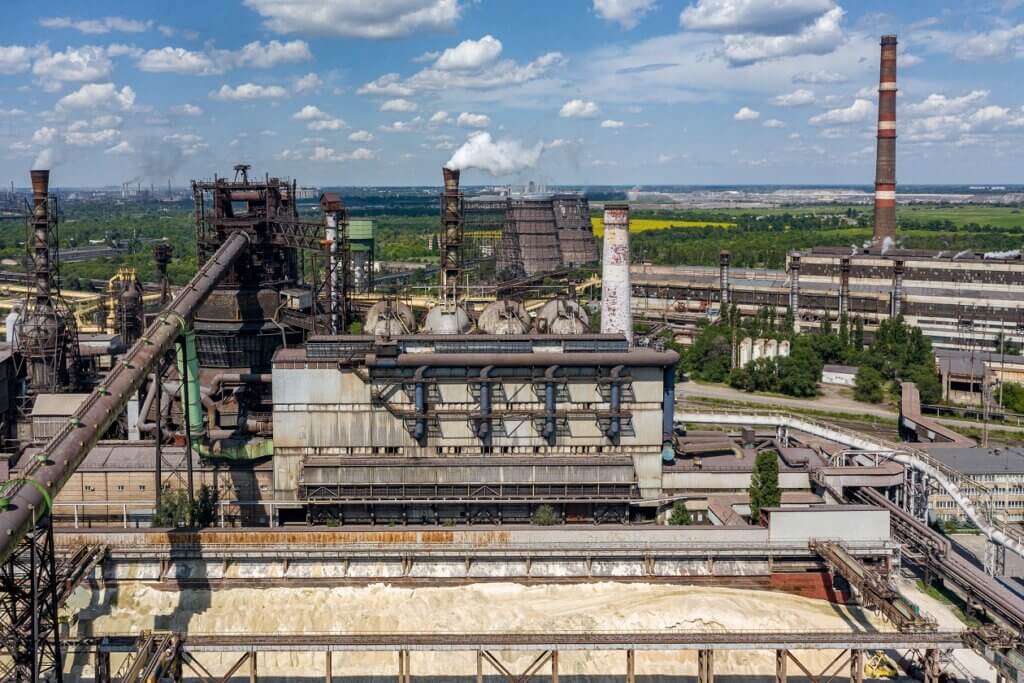
KYIV, Ukraine — Russia strikes Ukraine energy facilities at a scale Kyiv says is designed to break the repair system itself: President Volodymyr Zelenskyy said on Saturday that Russian forces targeted more than 15 critical power generation and transmission facilities across Ukraine overnight, in what he called one of the largest attacks on the country's energy sector since the full-scale invasion began. Restoration work was under way across the country on Saturday, with, in Zelenskyy's words, "all necessary services and all available resources of Ukrainian energy companies involved" and crews working practically nonstop. The hardest-hit areas were in the west and centre of the country — Lutsk, Rivne, Zhytomyr, Vinnytsia and the smaller industrial towns of Shepetivka, Slavuta and Netishyn — with energy facilities also struck in the Kharkiv, Kyiv and Dnipro regions. Russia's Defence Ministry, in its own account of the same night, said its forces hit Ukraine's largest steelworks in Kryvyi Rih, a second steel plant in Zaporizhzhia, an electricity substation in Zhytomyr and a cargo vessel in the Black Sea. The two accounts agree on the target set — power and heavy industry — and disagree, as they always do, on what that target set is for.
Track it live: Live global wars tracker · Ukraine war map
What Zelenskyy said
Zelenskyy laid out the night in a statement posted on X and Telegram on Saturday morning. "Yesterday, the Russians carried out one of their largest attacks on Ukraine's energy sector — more than 15 critical power generation and transmission facilities were targeted across different regions of Ukraine," he wrote. Between 7 p.m. on Friday and 7 a.m. on Saturday, he said, Russia used more than 320 jet-powered and gasoline-powered Shahed drones, along with loitering munitions, cruise missiles and ballistic missiles, "against our energy sector, our cities, and our communities." His explanation of the tactic was precise: Russia "has expanded its campaign against the energy system and is trying to stretch Ukraine's reserves and repair capacity as thinly as possible." Fifteen-plus facilities spread across at least ten regions is not a list chosen at random. It is a workload — each damaged substation or plant ties down a specialist crew, a crane, a stock of replacement parts, for days — imposed simultaneously from Lutsk in the far northwest to Dnipro in the southeast.
The president closed with the political argument he has been building all week. "Russia is trying to leave millions of our people without electricity and heating. Pressure is needed to stop this," he wrote. "A U.S. sanctions blackout, easing pressure on the aggressor, financial rewards for Putin — all of this only encourages him to keep attacking." The timing was pointed: the post landed the morning after Washington waived the new round of Russia sanctions and tariffs that Congress had passed, a decision the White House framed as being in the U.S. national interest and that Kyiv has treated, publicly, as a reward delivered at the exact moment the grid campaign intensified.
The night in numbers
Ukraine's Air Force tally, reported by RFE/RL, broadly matches Zelenskyy's account of the barrage's size. Russia launched 332 attack drones — including 31 jet-powered models — alongside four Kalibr cruise missiles, Iskander-M and KN-23 ballistic missiles and Kh-22/32 cruise missiles. Air defences shot down or suppressed 293 aerial targets, including all four Kalibrs and 289 drones. Even at that interception rate, impacts were recorded at 22 locations, with debris falling at three more. The human cost of the same night — a 64-year-old ambulance driver killed in Kherson and at least 24 people injured nationwide, according to Ukrainian officials — is covered in our separate report on the barrage; what distinguishes this statement is that Zelenskyy is not describing a night of city strikes with energy damage attached. He is describing an energy operation that also hit cities.
Ukrenergo: substations first, and a worse winter outlook
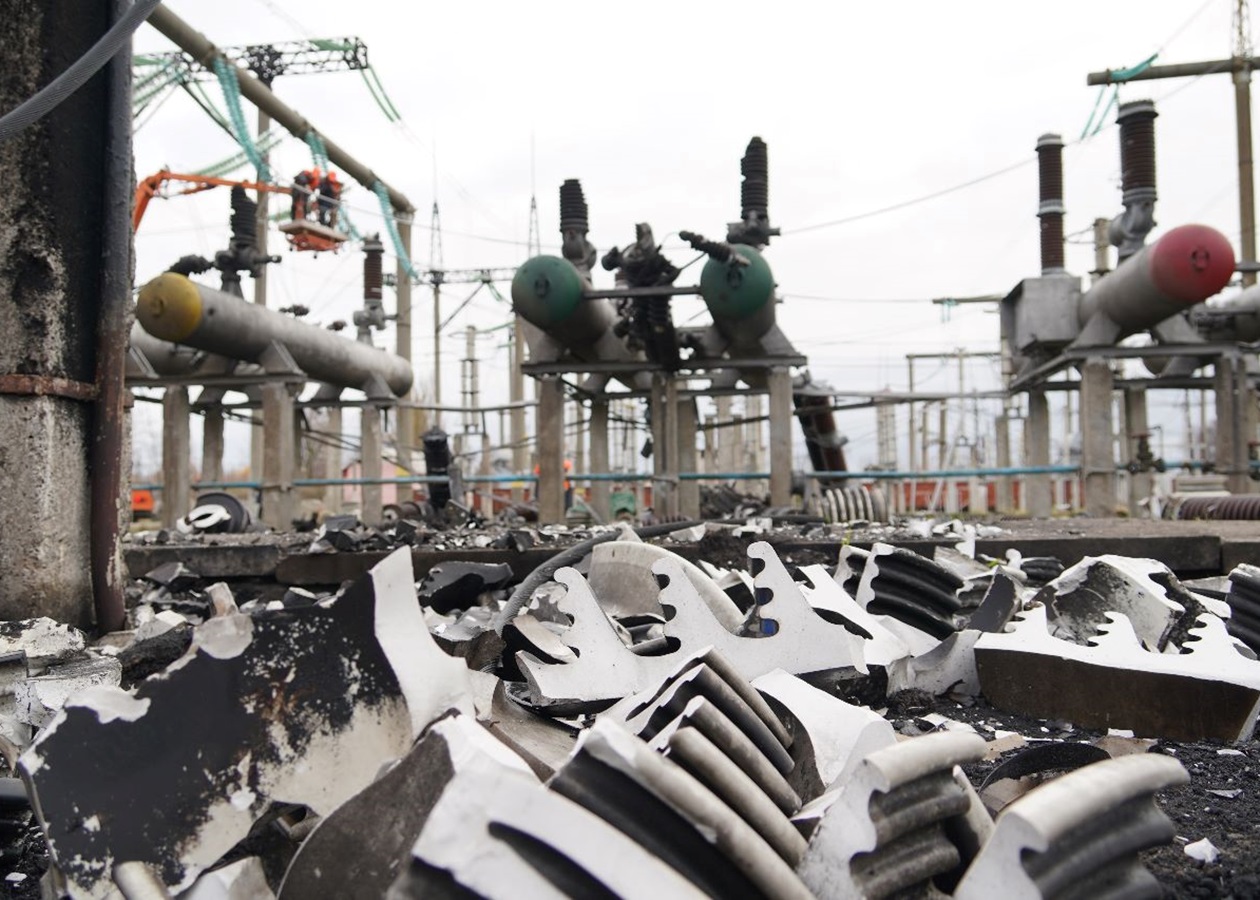
The grid operator's assessment, given to Ukrainian and international media on Saturday, was the bleakest institutional reading of the night. Ukrenergo said the massive attack on its electrical substations was one of the largest against its facilities since the full-scale war began, and that restoring substations is its top priority. New outages were reported in Kyiv and eight regions after the strikes, and some local authorities planned hourly rolling cuts to protect the grid — the managed-blackout regime Ukrainians know well from previous winters, arriving this year before the cold has properly set in. Ukrenergo added that hits on thermal power plants have cut into the generating capacity that was supposed to be ready for winter, and that the overall winter outlook has worsened as a result. It urged households and businesses to prepare backup power sources and to cut and optimise electricity use while repairs and equipment procurement proceed.
That sequence — substations first, generation second — matters more than any single night's megawatt figure. A damaged thermal plant removes capacity in one place. A damaged high-voltage substation can strand capacity that still exists elsewhere, because the power cannot be routed around the broken node quickly. Large power transformers are also among the hardest components in the entire system to replace: they are built to order, they weigh hundreds of tonnes, and Ukraine's Soviet-era grid depends in part on Soviet-specification units that are no longer in mass production anywhere. Every substation Russia breaks is therefore a repair measured in weeks or months and a procurement problem measured in international phone calls, which is precisely the arithmetic Zelenskyy's "stretch our reserves" line describes.
Moscow's version: steel, a substation and a ship
Russia's Defence Ministry presented the same operation as a strike on the military-industrial base. In a statement carried by Reuters on Saturday, the ministry said Russian forces had carried out a large-scale overnight attack on Ukrainian infrastructure targets, including the ArcelorMittal steelworks in Kryvyi Rih — the country's largest — which it said supplied steel products to Ukraine's military-industrial complex. It said Russian forces also hit an electricity substation in Zhytomyr and another steel plant in Zaporizhzhia, near the front line, and that a cargo vessel in the Black Sea was hit, alleging it was delivering military cargo to Ukraine's Odesa port. Reuters noted it could not independently confirm the ministry's report, and neither the damage at the steel plants nor the vessel claim had been independently verified on Saturday. Ukraine did not confirm the ministry's specific industrial claims; Kyiv's own statements concentrated on the energy network and civilian impact.
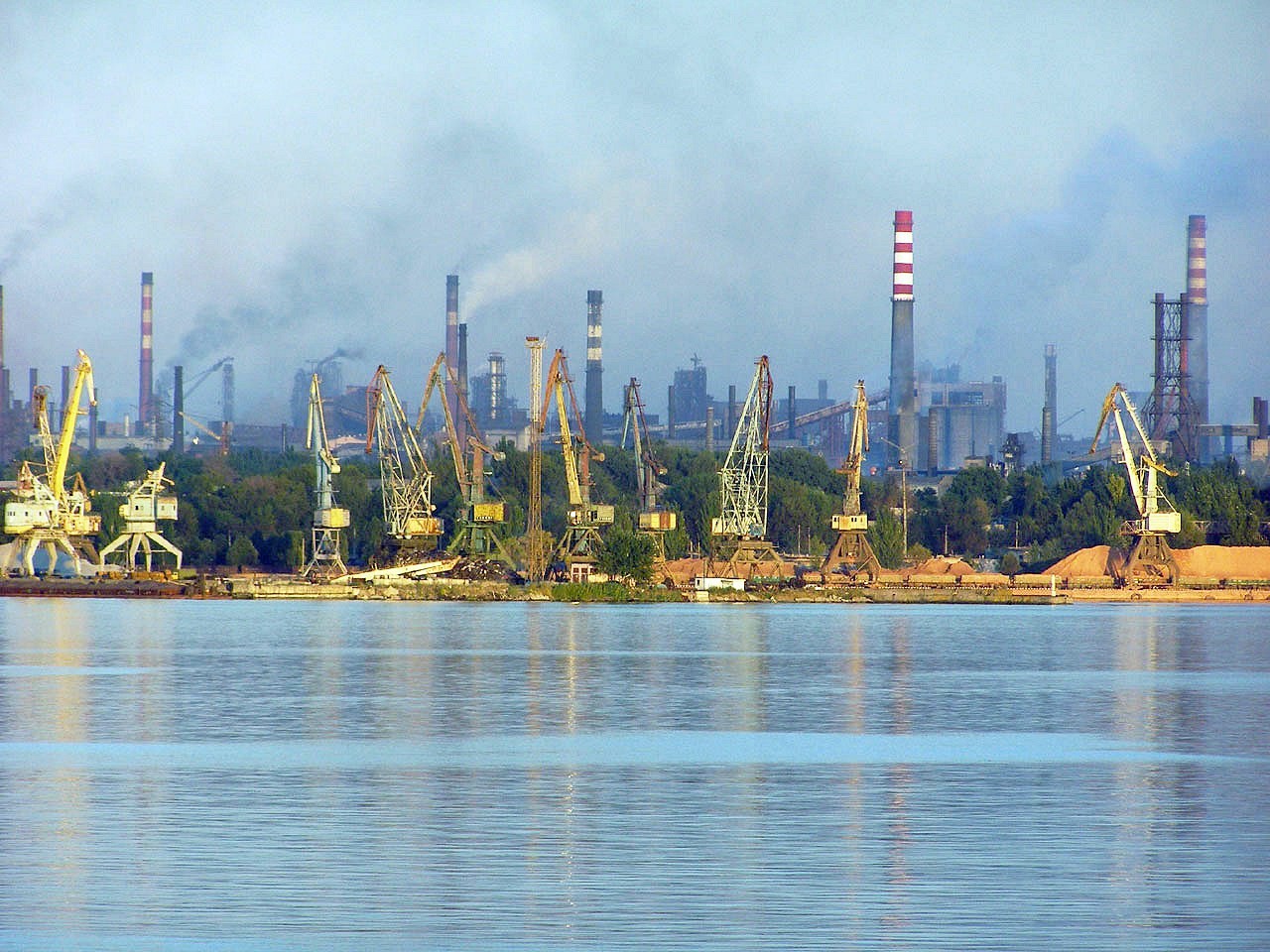
Both narratives contain a kernel the other side does not dispute. Steel is a war input: it becomes armour, fortifications, rail stock and shell bodies, and Ukraine's plants have supplied its defence industry throughout the war. Electricity is also a war input — and a civilian lifeline, in a country where winter temperatures fall far below freezing and where heating, water pumping and hospitals all ride on the same grid. The argument is over which description governs, and it is an argument neither capital intends to concede. What can be said on the evidence is that the overnight target list, as described by both sides, spanned power generation, power transmission, steel production and maritime logistics in a single coordinated wave — the full stack of a war economy, hit in one night.
Why this matters
The deeper significance of Saturday's statement is the shift it documents in the air war's centre of gravity. The barrage that delivered these strikes — 332 drones and a layered mix of ballistic and cruise missiles — is now a repeatable Russian capability rather than an exceptional effort, and Kyiv is openly saying the limiting factor is no longer air defence alone but repair throughput: crews, transformers, spare parts, money. That reframes what support for Ukraine has to mean. Interceptor missiles defend a night; transformers defend a season. The UN Human Rights Monitoring Mission's latest monthly count underlines the civilian backdrop against which this infrastructure war is being fought: at least 328 civilians killed and 2,105 injured in September alone, a combined toll 85 percent higher than the same month a year earlier, with UN officials describing the first two weeks of October as among the deadliest periods for civilians in years.
There is also a negotiation signal embedded in the timing. Zelenskyy's post explicitly connects the grid campaign to the sanctions waiver in Washington and to what he calls financial rewards for Moscow — a public argument that easing economic pressure while strikes intensify teaches the Kremlin that escalation is costless. Moscow, for its part, has presented the strikes as answers to Ukraine's resumed attacks on Russian oil refineries, which Kyiv restarted this week after a short pause and which President Trump publicly criticised. Each side is thus describing the other's infrastructure campaign as the escalation and its own as the reply — a symmetry of rhetoric over an asymmetry of exposure, because Ukraine's grid, steel and ports are being hit at a scale Russia's are not.
A steel industry already on its knees
If the Kryvyi Rih claim is accurate, the missiles fell on a plant that was already dark. ArcelorMittal Kryvyi Rih — founded in 1934, built up into one of the largest steelworks in Europe, and still employing some 12,000 to 15,000 people even in wartime — suspended operations in September after a series of ballistic missile strikes, part of a five-week campaign against Ukraine's three major remaining steel plants that the Financial Times reported had left facilities accounting for roughly 90 percent of the country's steel output idle. The company said on September 25 that it could not safely and sustainably restart: four attacks in five weeks had killed five of its workers and injured 17, it had spent more than $700 million sustaining the plant through the war, and it expected an impairment charge of about $1 billion. On October 11 it began moving the works into cold shutdown, to be mothballed until hostilities end. In its last full year of operation the plant produced 1.69 million tonnes of steel and paid 8.5 billion hryvnia in taxes and duties — revenue the city of Kryvyi Rih, Zelenskyy's hometown, is now cutting budgets to live without. Striking a mothballed plant is not about tonight's production. It is about making sure there is nothing left to restart — converting a wartime suspension into a permanent loss, and a city's industrial future into a reconstruction bill.
What happens next
The near-term questions are mechanical, and they will be answered in days. How much of the substation damage can Ukrenergo's crews bridge with rerouting and mobile equipment before the rolling cuts deepen? How quickly can replacement transformers — the scarcest item in the system — be sourced from European stocks and manufacturers? And does Russia repeat a 15-facility night soon enough that repairs never catch up, which is the explicit logic Zelenskyy attributes to it? Beyond the mechanics, watch three political threads: whether Kyiv's public campaign against the sanctions waiver moves anyone in Washington; whether the refinery-versus-grid exchange settles into a stable, brutal rhythm or keeps climbing; and whether European governments, who applauded Zelenskyy in Brussels this week and pledged continued support, convert that support into the unglamorous hardware — transformers, switchgear, generation spares — that this phase of the war actually consumes. Winter is the deadline both sides are working against. On Saturday's evidence, Russia is trying to arrive at it with Ukraine's grid already broken, and Ukraine is trying to arrive at it with the grid still repairable. Fifteen facilities in one night is what that race looks like from above.
Related coverage: Russia fires 332 drones and missiles in one night; a Kherson ambulance driver is dead · Ukraine says it is out of Patriot interceptors · Trump waives the Russia sanctions Congress passed
Sources
President Volodymyr Zelenskyy, statement on X and Telegram, October 17, 2026 — more than 15 critical power generation and transmission facilities targeted; worst situation in Lutsk, Rivne, Zhytomyr, Vinnytsia, Shepetivka, Slavuta and Netishyn; more than 320 drones and missiles used between 7 p.m. and 7 a.m.; "stretch Ukraine's reserves and repair capacity" (carried by Reuters, RFE/RL and the Kyiv Post, October 17, 2026). Reuters, October 17, 2026 — Russian Defence Ministry statement: large-scale overnight attack hitting the ArcelorMittal steelworks in Kryvyi Rih, a Zhytomyr electricity substation, a Zaporizhzhia steel plant and a Black Sea cargo vessel; Reuters could not independently confirm. RFE/RL, October 17, 2026 — Ukrainian Air Force tally (332 drones, four Kalibr missiles, 293 targets downed or suppressed, impacts at 22 locations). Ukrenergo, via Particle/Reuters reporting, October 17, 2026 — substation attack among the largest against its facilities; outages in Kyiv and eight regions; rolling cuts planned; winter outlook worsened. Associated Press, October 17, 2026 — UN Human Rights Monitoring Mission September figures (328 civilians killed, 2,105 injured, up 85 percent year on year). ArcelorMittal company statements, September 25 and October 11, 2026, via the Financial Times, BBC and GMK Center — suspension of operations, worker casualties, cold shutdown.