World · Ukraine · Türkiye · Black Sea
A bilateral working visit, not a peace summit — but with a possible trilateral meeting in Abu Dhabi days away, a fresh Patriot sale approved in Washington and Moscow publicly unmoved, what Zelenskyy and Erdoğan say at Dolmabahçe today will be parsed in three capitals.
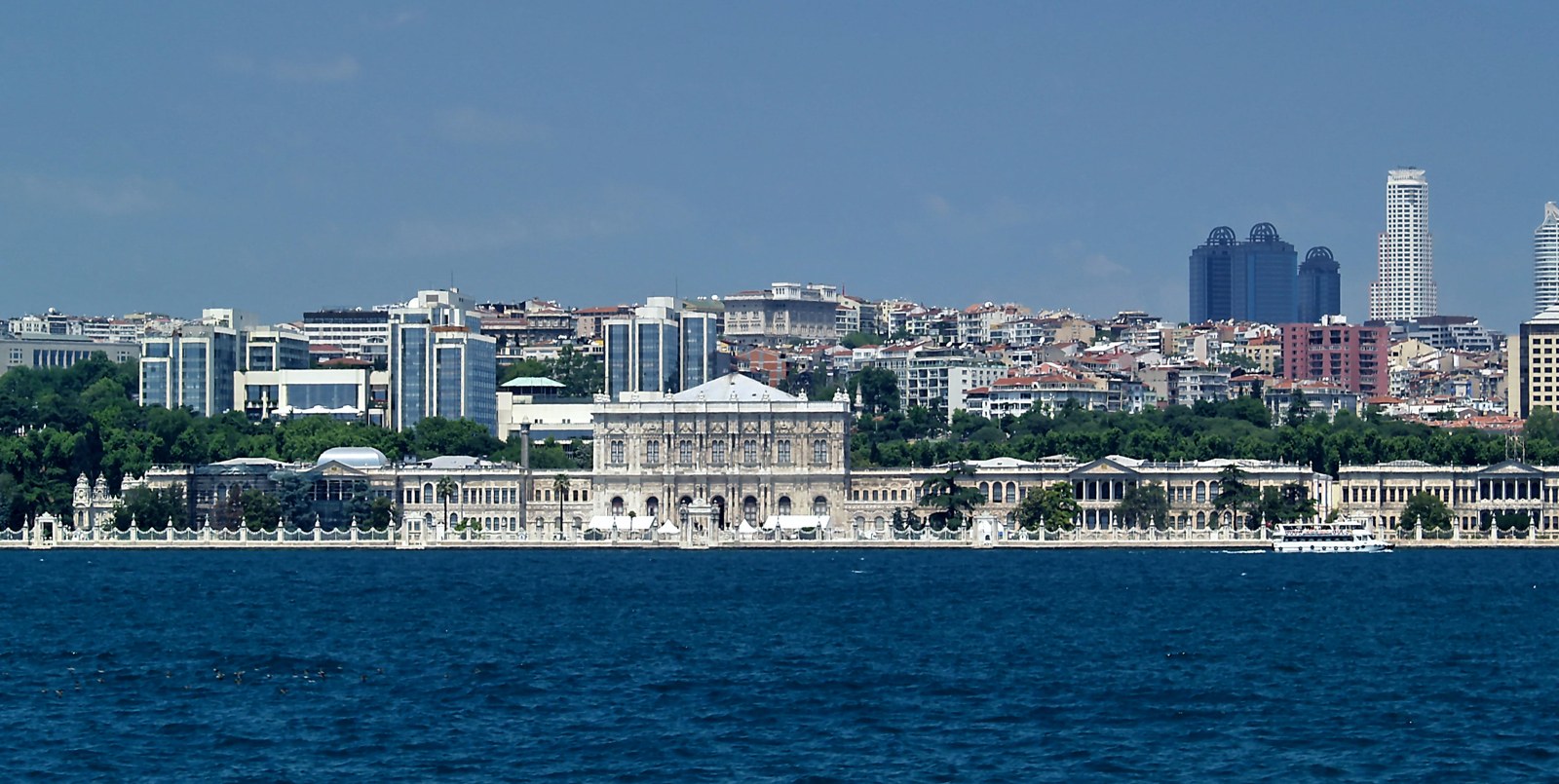
The Zelenskyy Erdogan Istanbul meeting takes place today, Saturday, October 31, as Ukrainian President Volodymyr Zelenskyy pays a working visit to Türkiye at the invitation of President Recep Tayyip Erdoğan, with the Russia-Ukraine war and Black Sea security at the top of an agenda that also reaches toward a possible trilateral meeting with Russian and American negotiators in Abu Dhabi in November. Erdoğan receives Zelenskyy at his Dolmabahçe office overlooking the Bosphorus, and the two leaders are scheduled to hold a joint press conference afterwards, according to the Turkish Presidency. Zelenskyy set the tone himself on Friday night, calling the trip a round of “important negotiations” and saying Ukraine hopes that in November it can finally move toward negotiating formats that have been under discussion for a long time.
Track it live: Ukraine war map — live tracker
What we know
The visit was announced on Friday, October 30, by the Turkish Presidency's Directorate of Communications. Its head, Burhanettin Duran, said on X that Zelenskyy would pay a working visit to Türkiye on October 31 at Erdoğan's invitation, and that the talks in Istanbul would cover steps to enhance bilateral cooperation as well as regional and international developments — above all, in the announcement's framing, the Russia-Ukraine war and Black Sea security. The presidency said Erdoğan would receive Zelenskyy at his Dolmabahçe office and that the two leaders would hold a joint press conference after their talks.
Zelenskyy confirmed the trip in his nightly video address on Friday, in remarks reported by Reuters. “Important negotiations will take place in Turkey,” he said. “We are also working to ensure that all available diplomatic opportunities are pursued; we expect that in November we will be able to move towards the formats that have been under discussion for such a long time.” He added that he hopes a trilateral meeting of Ukrainian, Russian and United States peace negotiators can take place in Abu Dhabi between November 6 and 10. No date has been confirmed, and Kyiv's position is that Europe should be involved in any such format.
Two precision points matter before anything is read into today's meeting. First, this is a bilateral working visit between the Ukrainian and Turkish presidents; it is not a new round of Ukraine-Russia peace negotiations, and no agreement has been pre-announced by either side. Second, nothing about the Abu Dhabi window is settled: Zelenskyy described a hope and a target window, not a scheduled summit. What happens at Dolmabahçe today is therefore best understood as preparation and positioning — for the Black Sea file immediately, and for a possible November negotiating format behind it.
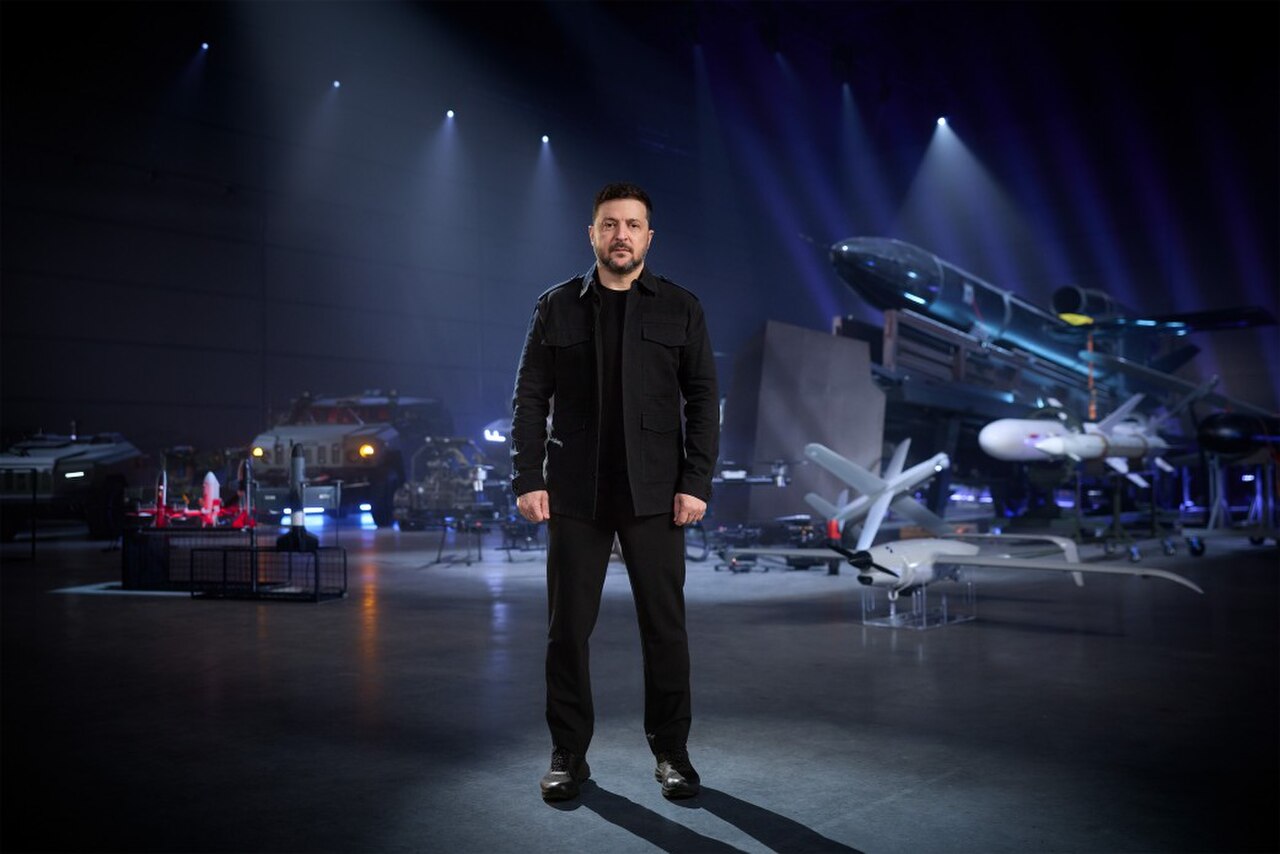
In the same Friday remarks, Zelenskyy also announced progress in Ukraine's deep-strike capability, saying that Russian strategic facilities from Yamal in the Arctic north to Western Siberia are now within range of Ukrainian missiles and drones. That claim, which he presented as the product of a review of a military briefing, is his statement of Ukraine's reach, and it lands in Istanbul as both context and leverage: Kyiv is negotiating while publicly expanding the map of what it says it can hit. The claim also follows directly on a week in which Ukraine struck the Novokuybyshevsk refinery in Russia's Samara region, ending a two-week pause in refinery strikes that had been built under American pressure.
The agenda: Black Sea security first
The Turkish announcement put bilateral cooperation first in its sentence order, but the ordering of concerns around this visit runs the other way. The war — and within the war, the Black Sea — is the substantive core. Türkiye controls the Bosphorus and Dardanelles straits under the Montreux Convention, hosts the shortest diplomatic line between Kyiv and Moscow that either capital still answers, and has spent the autumn warning about the safety of commercial shipping. The meeting comes against a backdrop of attacks on civilian vessels in the Black Sea, a subject the two leaders addressed directly when they met in September: Erdoğan then called attacks on commercial ships inexplicable, in a conversation Signal Post News covered in its report on the Erdoğan-Zelenskyy meeting on Black Sea commercial vessels.
For Kyiv, the Black Sea file is existential in a literal, economic sense: Ukraine's maritime export corridor is the route by which its grain and goods reach world markets despite the war, and every attack on a civilian vessel raises insurance costs, frightens shipowners and narrows the corridor's practical capacity. For Ankara, the same file is about keeping a war it borders from spilling into NATO's southeastern maritime flank — and about preserving Türkiye's unique position as the one capital that can convene both sides. Bilateral business will not be absent: the two governments agreed in Istanbul on April 4 to deepen security cooperation, including projects drawing on Ukrainian expertise and technology, and today's agenda explicitly includes steps to enhance cooperation. But those items are the frame; the war is the picture.
Why this matters
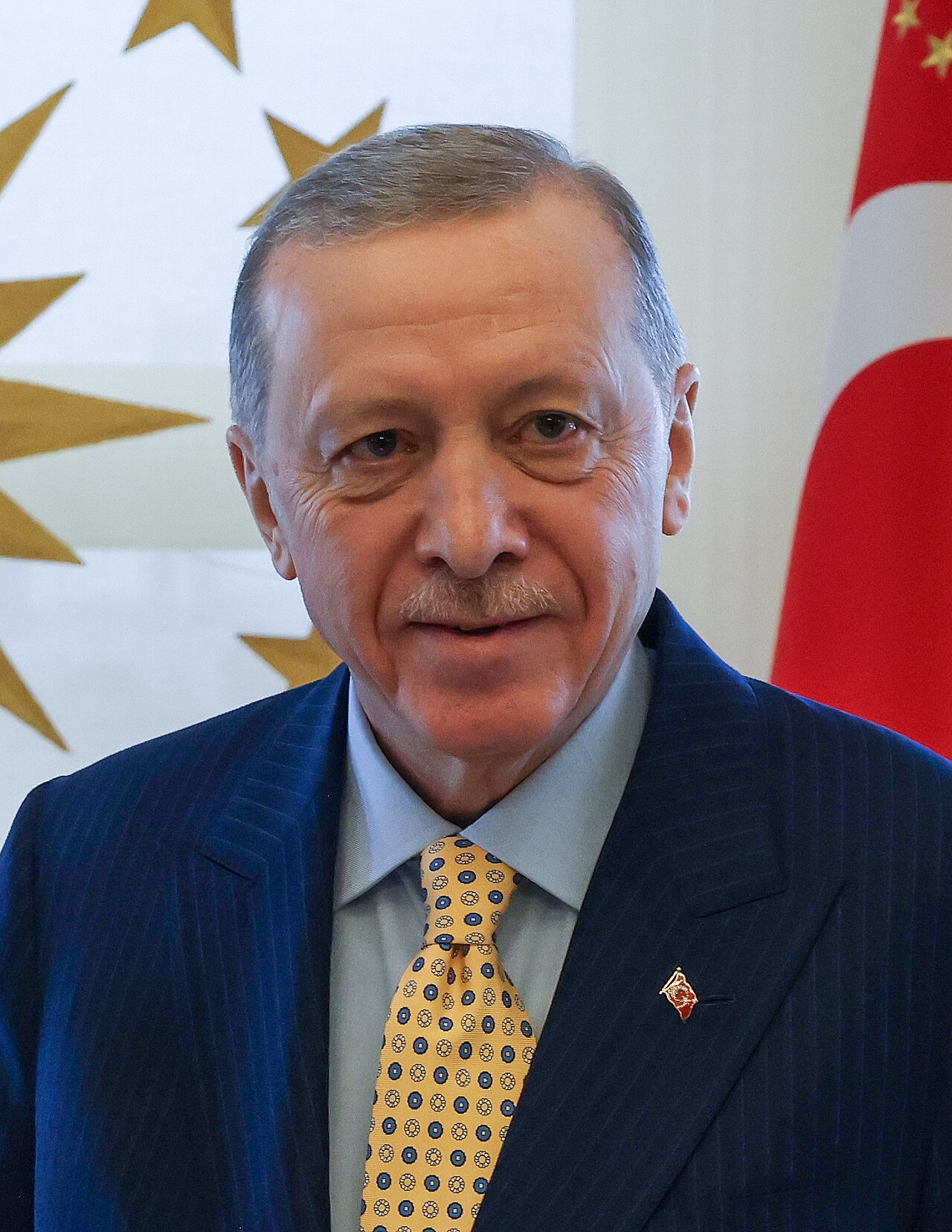
Analysis: today's meeting matters less for anything it can decide than for what it can unlock — or reveal to be locked. Türkiye is the only actor that currently holds working channels to Kyiv, Moscow and Washington simultaneously, and the choreography of this week underlines it: Erdoğan spoke by phone with US President Donald Trump on October 28, announced Zelenskyy's visit on October 30, and hosts him on October 31, days before the November 6-10 window Zelenskyy has named for Abu Dhabi. If a trilateral format is genuinely close, Istanbul is the natural place for its final pre-negotiation: the venue where Ukrainian and Russian delegations have met repeatedly since May 2025, in the country whose president has just spoken to the American president and now sits down with the Ukrainian one.
The reverse reading is equally available, and it is the one Moscow is promoting. If Russia's position is, in its foreign minister's words on Friday, unchanged, then Istanbul risks becoming another well-staged bilateral that produces photographs, a press conference and no movement — while the war's actual trajectory is set by refinery strikes, Patriot deliveries and the front line. The honest assessment ahead of today's press conference is that both readings are live. What distinguishes them will not be the warmth of the welcome at Dolmabahçe but whether the two presidents' public words contain anything new: a date, a format, a named next step, or Turkish confirmation that Ankara will host or facilitate the November meeting Zelenskyy described.
Context and background — how we got here
Türkiye's mediator role and the grain initiative legacy
Ankara's claim to the mediator's chair was earned early in the war. Türkiye helped broker the Black Sea grain initiative that moved Ukrainian exports past the Russian blockade from the summer of 2022 until Moscow withdrew from the arrangement in 2023, and it has guarded that legacy jealously ever since: the maritime export corridor Ukraine now runs on its own sits in the same waters, under the same Turkish-held straits regime, and Ankara's interest in keeping commercial shipping alive in the Black Sea has never depended on which flag administers it. Türkiye has repeatedly offered to facilitate talks between Kyiv and Moscow, and Erdoğan has kept personal channels to both Zelenskyy and Vladimir Putin open through every freeze in the wider diplomacy.
Istanbul talks and prisoner exchanges
Istanbul itself is the war's most-used negotiating address. Ukrainian and Russian delegations have met in the city repeatedly since May 2025, in the first direct contact formats of their kind since the war's opening weeks. Those rounds produced mainly prisoner-exchange agreements — real humanitarian outcomes that returned soldiers and civilians home, but not ceasefires, not territorial frameworks and not the political settlement each side's public position still demands. That history cuts both ways today: it proves Istanbul can convene the two sides, and it defines the ceiling of what convening alone has so far achieved.
The road to October 31
The two presidents last met on September 23 at the Turkish House in New York, on the margins of the UN General Assembly period, where Black Sea security, the maritime export corridor and a possible Turkish role in peace talks led the agenda. Before that, on April 4 in Istanbul, they agreed to deepen security cooperation, including projects involving Ukrainian expertise and technology — the bilateral track that today's working visit formally continues. Erdoğan's October 28 phone call with Trump added the third leg: whatever is said at Dolmabahçe today will be said by a Turkish president who has spoken to Washington and Kyiv within the same four days, which is precisely the geometry Ankara wants heading into November.
Multiple angles
Kyiv: momentum, and a message about range
From Kyiv's side, the visit is one element in a deliberate sequence: end the refinery pause with a strike deep inside Russia, announce that Yamal and Western Siberia are within range, and then sit down in Istanbul talking about formats and November dates. The intended signal is that Ukraine negotiates from growing capability rather than exhaustion, and that time pressure should fall on Moscow. Zelenskyy's insistence that Europe be involved in any trilateral format is part of the same posture: Kyiv does not want a November table at which its future is arranged by Washington and Moscow with Ukraine as guest rather than principal.
Moscow: position unchanged, strikes 'unhelpful'
Moscow used Friday's G20 foreign ministers' meeting in Atlanta to answer in advance. Russian Foreign Minister Sergei Lavrov said Russia's position on the conflict is unchanged, called Zelenskyy's comments about maintaining strikes on Russian targets unhelpful for preparing new talks, and said fundamental issues between the United States and Russia remain unresolved — sanctions remain in place, he noted, while American arms supplies and intelligence support for Kyiv are growing. Lavrov also pointed to the US State Department's approval on Friday of the sale of 500 Patriot PAC-3 missiles to Ukraine. The Atlanta meeting itself supplied its own visual verdict on the diplomatic weather: it skipped its traditional family photo after European ministers refused to be photographed with Lavrov, a rupture covered in Signal Post News' report on the G20 foreign ministers' meeting in Atlanta. Moscow's critics will note that 'position unchanged' is itself a negotiating move; Moscow's defenders will answer that Kyiv's strike campaign is one too. Both are correct, which is the problem.
Washington: the Patriot signal
Washington enters this weekend holding the two levers everyone else is reacting to: the approval of 500 Patriot PAC-3 missiles for Ukraine, announced the same day Lavrov complained about it, and the unconfirmed Abu Dhabi format that Zelenskyy hopes Trump-era negotiators will join in November. Erdoğan's October 28 call with Trump means Ankara has heard the American position directly before hosting Kyiv. What Washington has not done is confirm the November 6-10 window — and until it does, the trilateral remains a Ukrainian hope with a Turkish venue problem solved and an American attendance question open.
The numbers behind the talks
The data points framing today's meeting are stark. The war is in its fifth year, and the diplomatic calendar is being set by military arithmetic as much as by politics. The 500 PAC-3 interceptors in the newly approved sale are the single largest concrete number in the story: air-defence interceptors are the scarcest currency of this war, and a sale of that size — whatever its delivery timeline, a point on which Ukrainian need and American production schedules have repeatedly collided — signals that Washington expects Ukraine to be defending its cities and energy grid for a long time yet. Lavrov's decision to cite the number in Atlanta confirms Moscow reads it the same way.
On the Black Sea, the numbers are measured in risk rather than inventory: each attack on a civilian vessel reprices war-risk insurance for every ship in the corridor, and the corridor's economics — not any single hull — are what Kyiv and Ankara are jointly defending today. And in the background sits Zelenskyy's range claim: Yamal to Western Siberia describes an arc thousands of kilometres deep, which, if Ukraine's briefing-based assertion holds in practice, moves facilities once considered beyond the war's geography into its target set. None of these numbers appears in a communiqué. All of them will be in the room.
What happens next
The immediate test is today's joint press conference at Dolmabahçe. Watch for three things: whether Erdoğan publicly commits Türkiye to facilitating the November format; whether either leader names Abu Dhabi, dates, or participants on the record; and whether the Black Sea produces anything concrete — a shipping-safety understanding, a corridor commitment, or language Moscow will have to answer. Beyond today, the unconfirmed November 6-10 window is the story's clock. Three scenarios cover most of the plausible ground. In the first, Istanbul unlocks Abu Dhabi: the trilateral is confirmed within days, with Türkiye credited as midwife and Europe pressing for its seat. In the second, the window slips quietly — no confirmation, no denial, and the Istanbul visit is reabsorbed into the long list of preparatory meetings. In the third, events outrun diplomacy: another deep strike, another vessel hit, or another Lavrov-style hardening makes November moot before it begins. Which scenario is unfolding should be legible within a week, in whether the words 'Abu Dhabi' acquire a date attached to them by anyone other than Kyiv.
Conclusion
Zelenskyy's Istanbul visit will not end the war, settle the Black Sea or confirm a November summit, and neither presidency has claimed otherwise. Its real function is narrower and still significant: it keeps the only fully connected diplomatic channel in this war visibly working at the exact moment the calendar offers a possible next format, and it lets Kyiv present its case — corridor, capability and November dates — through the one capital Moscow and Washington both still call. The press conference at Dolmabahçe will show how much of that function produced substance. Until then, the accurate summary is the modest one: important negotiations, as Zelenskyy called them, are under way in Turkey — and what they are important for will be decided in the next ten days.
Sources
- Reuters — "Zelenskiy says he will head to Turkey for talks" (October 30, 2026): Zelenskyy's nightly address, the 'important negotiations' remark, the November formats and the Abu Dhabi hope.
- Reuters — "Lavrov says Zelenskiy comments are unhelpful, Russia's position is unchanged" (October 30, 2026): Lavrov in Atlanta on Russia's position, Ukrainian strikes, sanctions and the Patriot sale.
- Reuters — "G20 foreign ministers skip photo op amid objections over Russia" (October 30, 2026): the cancelled family photo at the Atlanta meeting.
- Turkish Presidency, Directorate of Communications (October 30, 2026) — Head of Communications Burhanettin Duran's announcement of Zelenskyy's working visit, the Istanbul agenda and the Dolmabahçe joint press conference.
This article is based on the Turkish Presidency's announcement of October 30, 2026, and Reuters reporting of October 30, 2026, including Zelenskyy's nightly video address and Lavrov's remarks in Atlanta. Quotations are as published by those sources. Zelenskyy's statement on the range of Ukrainian missiles and drones is reported as his statement, made in the context of a military briefing review, and has not been independently verified. Analysis is by Signal Post News.