War · Iran · Breaking News · Strait of Hormuz
Tehran's Revolutionary Guard says four tankers struck naval mines on routes it calls unauthorised, the fourth a supertanker carrying more than two million barrels of crude. The claim is unverified, no ship has been named, and what can be confirmed so far is much narrower than what is being claimed.
Track it live: Live global wars tracker · Oil price tracker and forecast
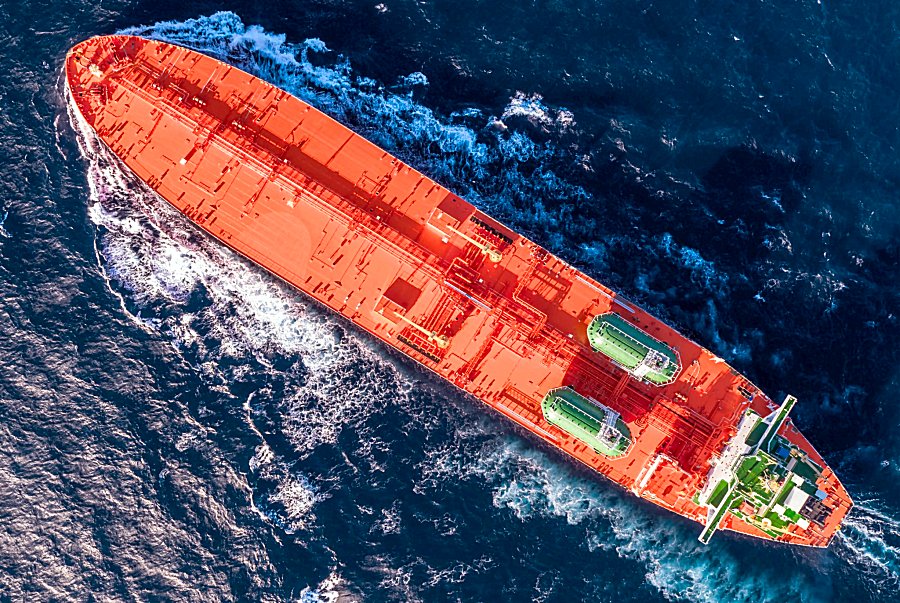
TEHRAN, October 31, 2026 — Iran's Islamic Revolutionary Guard Corps (IRGC) Navy says four oil tankers have caught fire after striking naval mines in the Strait of Hormuz, the narrow waterway through which roughly a fifth of the world's oil passes. The Strait of Hormuz tanker attack described by Tehran would be the most serious incident yet in a week of attacks on shipping in and around the strait. It is also, at the time of publication, a claim: reported by Al Jazeera, Reuters and Anadolu Agency from Iranian statements, not independently confirmed by any shipowner, flag state, maritime authority or other government, and not verified by Signal Post News. This report presents it strictly as Iran's account, alongside the smaller set of facts that outside bodies have actually reported.
What Iran says happened
According to the IRGC Navy's statements, carried by Iranian state media and reported by Al Jazeera, the tankers were travelling on what Tehran calls “unauthorised routes” — in its telling, the southern passage of the strait near the Omani coast — after switching off navigation systems and ignoring repeated Iranian radio warnings. The Guard said the fourth vessel, a supertanker carrying more than two million barrels of crude oil, struck a mine late on Friday, suffered a powerful explosion and was burning. On Iran's account, the four tanker fires have occurred since early Friday, following warnings it says it issued on Thursday to ships using the southern route.
What the claim does not contain matters as much as what it does. Iran has not named any of the four vessels, their flags, owners, cargoes beyond the one crude figure, or their crews. It has not said who laid the mines it describes, where exactly the explosions occurred, whether any seafarer was hurt, or what has happened to the ships since. No imagery of a burning tanker in the strait has been verified by any major news agency.
What can actually be confirmed
The independent record, so far, is thinner and different in shape. The United Kingdom Maritime Trade Operations (UKMTO), the Royal Navy-run body that collects incident reports from shipping in the region, reported that a vessel was hit by an unidentified projectile some 40 nautical miles south of Iran's Lavan Island, and in a separate report that a small boat attached explosive devices to a tanker's hull about 25 nautical miles north-east of Khasab, Oman, starting an engine-room fire. Those are real, attributed reports of attacks on shipping — this newsroom has covered a week of them, from the wave of UKMTO-reported tanker attacks to the limpet-mine attack on the tanker Louise 1 near Khasab. But UKMTO's reports describe projectiles and limpet devices, not four mine strikes, and they do not add up to Iran's account. Reuters stated plainly that it could not immediately verify the IRGC statements. Israeli reporting by Ynet described one tanker hit and a second vessel on fire — overlapping with Tehran's story, perhaps, but not the same story.
Why this matters
The Strait of Hormuz is the single most important oil chokepoint on earth. Roughly a fifth of global petroleum consumption and a large share of the world's liquefied natural gas move through a channel only a few miles wide at its narrowest, bordered by Iran to the north and Oman and the Emirates to the south. That is why an unverified claim about mines in the strait is itself market-moving news: mines are the one weapon that can close a waterway without anyone firing a shot, because insurers, owners and masters — not admirals — decide whether ships sail. A credible mine threat raises war-risk premiums overnight, pushes owners to pause transits, and can strand the thousands of seafarers already inside the Gulf; the International Maritime Organization has already warned this month about thousands of seafarers trapped in the region, as Signal Post News reported in its coverage of the IMO's warning over 6,000 trapped seafarers.
The framing is also doing work. By describing the tankers as violators — dark ships, off-route, warned and warned again — Tehran presents the fires, if they happened, as enforcement rather than attack: a sovereignty story in which Iran polices its waters and ships that disobey pay the price. That framing is aimed at two audiences at once. For Gulf exporters and Asian buyers, it says the strait is open to the compliant. For Washington, it advertises a capability — whether or not it was used this week — that Iran can raise the cost of the waterway at will. Notably, the claim landed on the same news cycle as President Donald Trump telling reporters that Iran “wants to talk” and that the United States is in no hurry, with a Qatari delegation reported in Tehran working on an agreement. A mine claim is leverage in exactly that kind of negotiation, which is a reason to read it as a message as well as a battle report.
Context: the Tanker War's long shadow
Hormuz has been here before. During the Iran-Iraq war's “Tanker War” of the 1980s, mines and missile attacks on Gulf shipping drew in the US Navy, which reflagged Kuwaiti tankers and, in 1988, fought the largest American naval battle since the Second World War after the frigate USS Samuel B. Roberts struck an Iranian mine. In 2019, limpet-mine attacks on tankers near Fujairah and in the Gulf of Oman — blamed by Washington on Iran, denied by Tehran — again showed how deniable, unattributed attacks on hulls can pressure adversaries without open war. The pattern across four decades is consistent: shipping is attacked or said to be attacked; attribution lags days or never arrives; and the real contest is over insurance, routing and nerves. The difference in 2026 is the surrounding war — an active Iran conflict, a week of confirmed attacks on vessels, and a strait whose closure, even partial or feared, would be felt in fuel prices on every continent within days.
Multiple angles: who gains, who pays
If the claim is accurate, Iran gains a demonstrated veto over the southern route and a warning shot across every bridge in the Gulf. If it is exaggerated — four fires assembled from a projectile strike, a limpet attack and older incidents — Tehran still gains most of the deterrent effect at no cost, unless owners and insurers conclude the strait is safe and call the bluff by sailing. Shipowners and crews pay either way: war-risk premiums, rerouting decisions and danger to seafarers do not wait for verification. Gulf exporters lose if buyers price in disruption; oil consumers gain nothing. And Washington faces the familiar fork: respond militarily to an unverified claim and risk escalation, or let it stand and watch a claimed minefield become a negotiating fact. Critics of Tehran's account note the absence of names, imagery or wreckage reporting — the things that accompanied every confirmed tanker attack this month. Supporters of Iran's position answer that the southern-route warnings were public, and that ships sailing dark near a wartime coast accepted the risk.
What happens next
Verification, if it comes, will arrive from outside Iran: satellite imagery of the strait's anchorages, statements from flag states and owners, UKMTO and coalition naval updates, and the movement of the ships themselves on tracking data. Watch three things. First, whether any owner, insurer or maritime authority confirms a mine strike or a burned tanker by name. Second, whether transits through the strait slow — a measurable pause would show the claim working whether or not it is true. Third, oil: crude markets will price the gap between Iran's account and the confirmed record, and any confirmed mine presence historically triggers minesweeping deployments and convoy talk within days. Until independent confirmation exists, the accurate sentence is the narrow one: Iran says four tankers hit mines and burned in the Strait of Hormuz. Nobody else has yet said so.
Related coverage: Hormuz Tanker Attack October 2026: Six Ships Hit in a Week of Strikes · Tanker Louise 1 Hit by Limpet Mines in Strait of Hormuz in First Successful Attack of Its Kind Since the Iran War Began · Seafarers Trapped in Strait of Hormuz: IMO Chief Says 6,000 Crew Cannot Leave as Attacks Mount
Sources
- Al Jazeera (October 31, 2026) — Iran says four tankers on fire after striking mines in Hormuz — the IRGC account of four mine strikes on “unauthorised routes,” including a supertanker carrying more than two million barrels of crude.
- Reuters (October 31, 2026) — Iran's IRGC Navy says four tankers catch fire in Strait of Hormuz; Reuters noted it could not immediately verify the statements and that it was unclear which ships were involved.
- Today News Brief, compiling Reuters, AP and UKMTO (October 31, 2026) — UKMTO's separate reports of a tanker struck by an unknown projectile and of explosive devices attached to a tanker's hull north-east of Khasab, Oman.
- Israel.com / Ynet (October 31, 2026) — One tanker damaged and a second vessel on fire in Israeli reporting; President Trump's remarks that Iran wants to talk and the US has time; a Qatari delegation reported in Tehran.