Erdogan Zelenskyy Black Sea meeting
Lead: a narrow warning with broad consequences
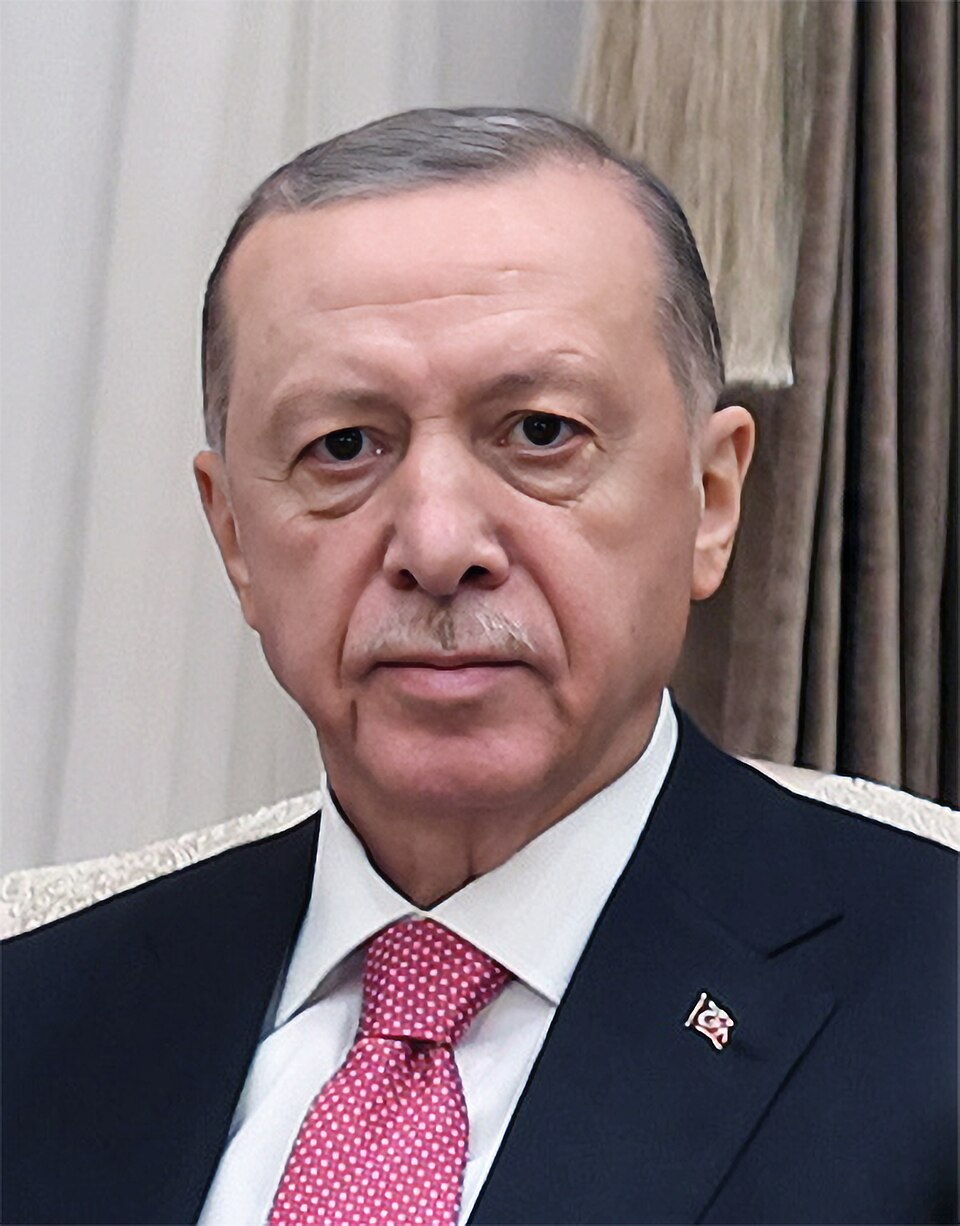
The Erdogan Zelenskyy Black Sea meeting placed civilian shipping at the center of Türkiye's attempt to reopen a practical negotiating channel between Ukraine and Russia. President Recep Tayyip Erdoğan met President Volodymyr Zelenskyy on Wednesday, September 23, at the Turkish House, or Türkevi, in New York during the 81st U.N. General Assembly. According to Anadolu's account of the Turkish presidency readout, they discussed bilateral relations, the war and regional developments.
Reuters reported that the Turkish presidency said Erdoğan told Zelenskyy Türkiye was ready to do all it could to help end the war with a lasting peace and would keep trying to revive direct negotiations. The most pointed line concerned the sea: “a step must be taken regarding navigational safety in the Black Sea, that attacks on commercial vessels are inexplicable, and that we expect the sides to act responsibly.” The readout said his warning covered attacks by both Russia and Ukraine.
The formulation was deliberate and consistent with Erdoğan's General Assembly speech on Tuesday, when he called attacks on commercial vessels “unacceptable, regardless of who is responsible.” For a NATO leader that supports Ukraine while retaining a working channel to Moscow, condemning both sides carries more diplomatic weight than a one-sided rebuke—and exposes Ankara to criticism from both capitals if it cannot turn symmetry into rules.
That is a reported official position, not a ceasefire announcement. Ankara says it has sent proposals to both Ukraine and Russia to halt attacks and is awaiting responses. No mutually accepted text, start time or monitoring system was public at the time of publication. The distinction matters: merchant shipping can be protected only by operational commitments, not by parallel statements of interest.
Why Türkiye has more than diplomatic prestige at stake
Türkiye is a NATO member that supports Ukraine's territorial integrity and has provided Kyiv with military backing, while declining to join Western sanctions on Russia and maintaining commercial ties with Moscow. That combination gives Ankara access that many governments lack. It also creates a credibility test: a mediator with channels to both capitals gains leverage when it can produce a narrow bargain, but risks looking performative when proposals repeatedly stall.
The Montreux Convention gives Türkiye important authority over passage through the Turkish Straits, the route between the Black Sea and the Mediterranean. That is leverage, but it should not be overstated. Montreux helps Ankara regulate warship transit; it does not let Türkiye police every commercial voyage, prevent attacks inside the Black Sea or guarantee that belligerents will honor a truce. Any Turkey Ukraine Russia Black Sea truce would still need consent, precise protected areas and credible verification.
Türkiye also has direct domestic stakes. Turkish-owned vessels have been hit and Turkish citizens have been killed or injured. Erdogan has said safe grain shipments require a solution, while his government is also seeking deeper cooperation with Ukraine in energy, mining and defense. The Erdogan Black Sea commercial vessels warning therefore connects diplomacy, food trade, Turkish lives and national commercial interests.
Black Sea commercial vessels attacked: the human and commercial toll
Figures attributed to the Turkish Chamber of Shipping, IMEAK, show how quickly the danger intensified. The chamber said 226 civilian or commercial vessels had been attacked since Russia's full-scale invasion in February 2022. Of those, 163—more than 70%—were hit in the first eight months of 2026. Industry sources said 22 Turkish-owned ships were struck in the preceding two months, followed by four more afterward.
One attack gives those totals human scale. The Turkish-owned MV Reyhan Sari was attacked on July 22 after loading Russian coal, killing one person and injuring three, according to reporting cited by the Turkish shipping industry. More recently, a strike on a cargo ship near the Odesa area killed its Ukrainian captain. Signal Post News' report on that attack explains the danger to crews and insurers: Russian strike on Black Sea cargo ship kills captain.
Attribution and definitions remain contentious. Russia and Ukraine have accused each other of endangering maritime traffic, while Kyiv has targeted vessels it identifies as part of Russia's “shadow fleet.” A ship's civilian registration, cargo, beneficial ownership, sanctions status and operational role may point in different directions. A viable agreement must define the protected class rather than assume the phrase “commercial vessel” settles every case.
Wheat prices and Black Sea shipping: the numbers behind the urgency
Market data translate Turkey Black Sea shipping attacks into costs far from the combat zone. Reuters reported that Chicago wheat futures had risen about 40% from June lows to a three-and-a-half-year high. Cargo movements had been near standstill since July. Russia's September wheat exports were estimated at about 1 million tonnes, down from roughly 5 million a year earlier; Ukraine's were also near 1 million tonnes, about half the previous September level.
The disruption is reshaping individual trade lanes. Indonesia received about 60,000 tonnes of Black Sea wheat compared with 500,000 tonnes a year earlier. Buyers seeking replacements faced Australian wheat priced roughly 20% to 25% higher than earlier Black Sea supply. Romanian wheat was quoted near $340 a tonne cost-and-freight to Southeast Asia, while Australian Premium White was around $345.
Egypt's first-half September imports fell to 143,870 tonnes from 876,139 tonnes in the same period a year earlier. Some mills were reportedly running at about 30% of capacity. Those are market estimates and industry reports rather than treaty metrics, but together they show why Black Sea navigational safety is also a food-security issue. When sailings stop, the damage spreads through freight, insurance, milling and bread prices.
Turkey's Black Sea Grain Initiative: what the 2022 deal proved—and what it did not
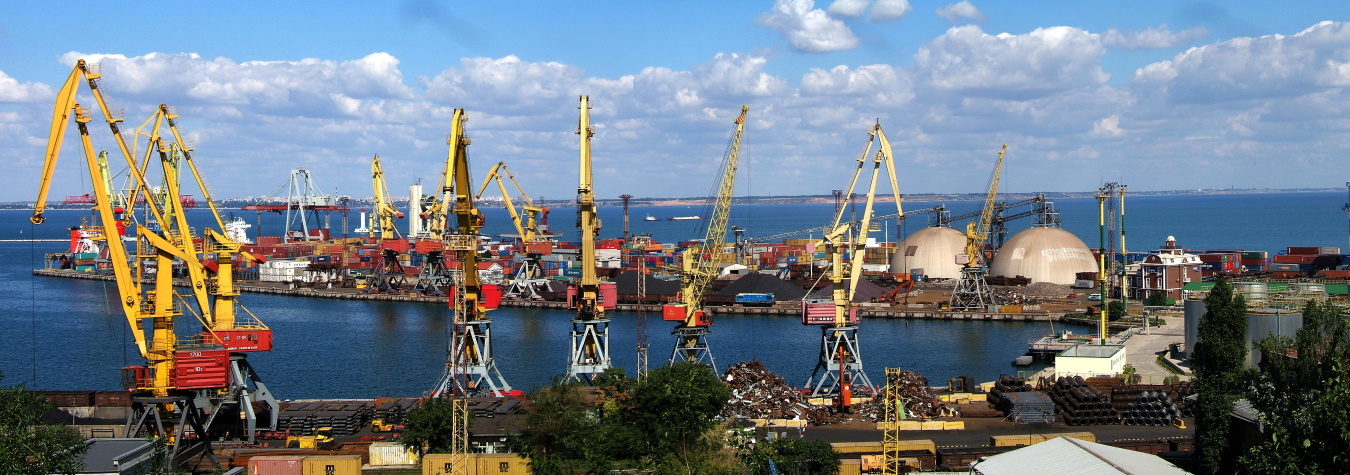
Türkiye and the United Nations mediated the Black Sea Grain Initiative in July 2022, creating a mechanism for Ukrainian agricultural exports during the war. The arrangement demonstrated that narrowly defined maritime cooperation was possible even while combat continued. Russia withdrew in 2023, saying obstacles remained for its own food and fertilizer exports.
The initiative's collapse exposed the weakness of arrangements dependent on continuing political consent. Port and vessel attacks later escalated, while each side framed its conduct through military necessity and reciprocity. Critics of subsequent limited-truce proposals point to recurring disputes over definitions, sequencing, monitoring and sanctions. Who moves first? Which ships qualify? Who investigates an explosion? Does one alleged breach terminate the entire deal? Those questions are the agreement, not administrative details to be settled later.
What each side could gain
Türkiye: A measurable reduction in attacks would strengthen Ankara's claim to be the indispensable Black Sea intermediary. It could protect Turkish crews and capital, stabilize transit-dependent trade and create space for cooperation with Ukraine without severing Russia-facing commerce.
Ukraine: Safer routes would improve export continuity, foreign-currency earnings and confidence among shipowners and insurers. Kyiv would also gain a limited security arrangement without accepting a broader pause on terms it considers unfavorable.
Russia: Moscow could gain protection for legitimate commercial shipping, steadier grain exports and a channel to press its complaints about payments, insurance and logistics. The harder issue is whether protection would extend to vessels Ukraine identifies with Russia's shadow fleet. Kyiv may argue that some sanctioned or dual-use ships are part of the war economy; Moscow may insist they are civilian commerce.
Importers and crews: Food-importing countries, port workers and seafarers would be the clearest beneficiaries of a credible pause. They also bear the greatest risk from a weak arrangement that lowers caution before it lowers danger.
Crimean Platform: Zelenskyy opens a same-day path to a Black Sea maritime truce
Earlier Wednesday, Zelenskyy told leaders at the Crimean Platform summit that Ukraine was ready for a Black Sea maritime truce based on proposals from Egypt, India and Türkiye. The Zelenskyy maritime truce proposal was an offer of readiness, not evidence of a signed bargain.
Zelenskyy said several options were on the table to restore the Ukraine grain export corridor fully. He framed restraint as reciprocal: if Russia stopped attacks on Ukrainian infrastructure, Ukraine was ready to halt its long-range strikes in return. He also said he had briefed Erdoğan on contacts with the U.S. team; the two presidents discussed a free-trade zone and a possible drone agreement, showing that their Black Sea diplomacy sits inside a broader strategic and commercial relationship.
U.S. Secretary of State Marco Rubio also discussed with Russian Foreign Minister Sergei Lavrov the idea of a limited ceasefire covering grain and energy. Their conversation indicated overlapping interest in a narrower track, but it did not resolve the wider negotiating deadlock. At the U.N. Security Council, Russia publicly rejected the idea of pausing the broader war on Western terms; Signal Post News' account of the Lavrov “no pause” position shows why a maritime deal cannot be treated as a proxy for a comprehensive ceasefire.
What happens next: Erdoğan-Putin negotiations and three paths from Türkevi
- A limited maritime truce. The most achievable scenario would define protected civilian vessels, routes, coordinates and port facilities; require pre-sailing notifications; establish a monitoring cell and emergency hotline; and create a rapid, evidence-based investigation process after any incident. Success would be visible in completed voyages, lower war-risk premiums and fewer attacks—not merely another communiqué.
- A broader grain-and-energy ceasefire. Maritime rules could be linked to reciprocal restraint around grain infrastructure and energy facilities. That would widen the economic benefit but multiply disputes over target categories, dual-use assets and sequencing. The arrangement would need separate technical annexes rather than one vague promise.
- Failure through delay or conditionality. Moscow could postpone a response, demand sanctions relief before implementation or reject protection rules that exclude shadow-fleet vessels. Kyiv could refuse terms it sees as shielding Russian logistics without stopping strikes on Ukrainian ports. In that scenario, Ankara's proposal becomes another diplomatic marker while cargo movements and prices remain exposed.
Signal Post News analysis: the test is enforceable restraint
The diplomatic logic is unusually clear. Türkiye has access to both sides; Ukraine has publicly accepted a maritime-truce framework; Russia has an export interest; and importers face visible supply stress. Yet previous attempts show that shared economic interest does not erase wartime incentives. Each side may value the option to strike shipping or port infrastructure more than the aggregate gains from restraint.
The best near-term outcome is therefore not a grand peace claim but a technical pact that narrows ambiguity. It should publish protected coordinates, define civilian and sanctioned vessels, require notifications, create an incident log and prevent one disputed event from automatically collapsing the system. The Black Sea Grain Initiative supplies useful institutional memory, but a 2026 accord would have to address attacks and technologies that the earlier corridor was not designed to manage.
Erdogan's wording matters because it frames attacks on commerce as unacceptable to a state with relationships—and leverage—on both sides. What happens next depends on whether Ankara can convert that symmetry into reciprocal obligations. Until Kyiv and Moscow accept the same text and ships move safely under it, the meeting is a meaningful intervention, not a breakthrough.
Sources
- Reuters: Erdoğan says Black Sea attacks on commercial vessels are “inexplicable”
- Anadolu: Turkish presidency readout of the Erdoğan–Zelenskyy meeting
- Reuters: Zelenskyy's Crimean Platform statements on a maritime truce
- AFP: Turkish sailors, ship attacks and IMEAK figures
- Reuters analysis of wheat flows and prices
- Safety4Sea: Odesa-area cargo-ship attack
Reporting basis: Official statements, attributed industry figures and Signal Post News analysis are identified separately. No maritime truce had been signed at publication.