World · War · Diplomacy
World / War — Russia’s sanctioned foreign minister is sitting in an American conference room days before the midterms, Ukraine and South Africa were not invited, China sent a deputy, and no joint statement is expected — Atlanta is less a negotiation than a stress test of whether the G20 can still agree on anything.
Track it live: Live war tracker — wars and conflicts worldwide
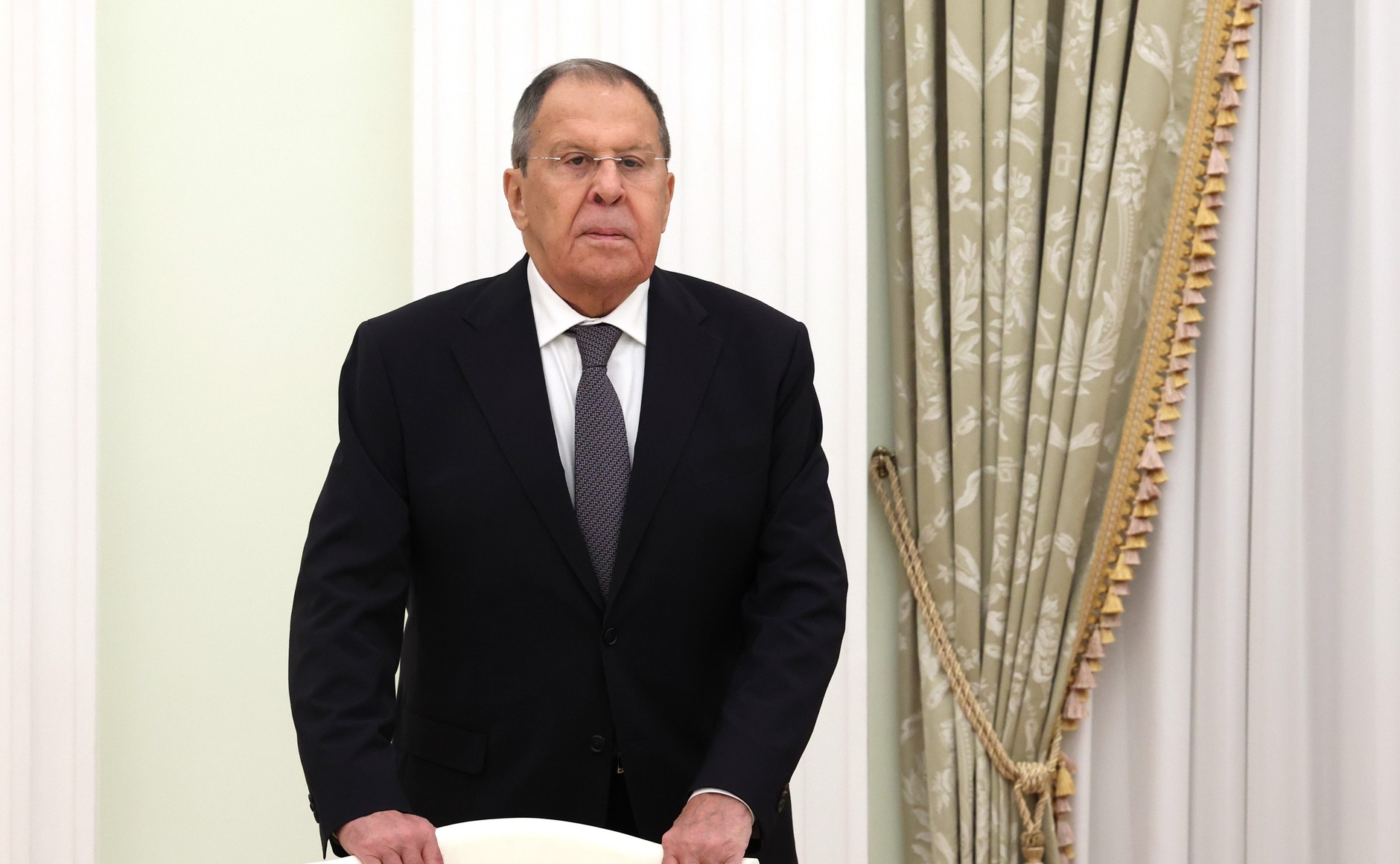
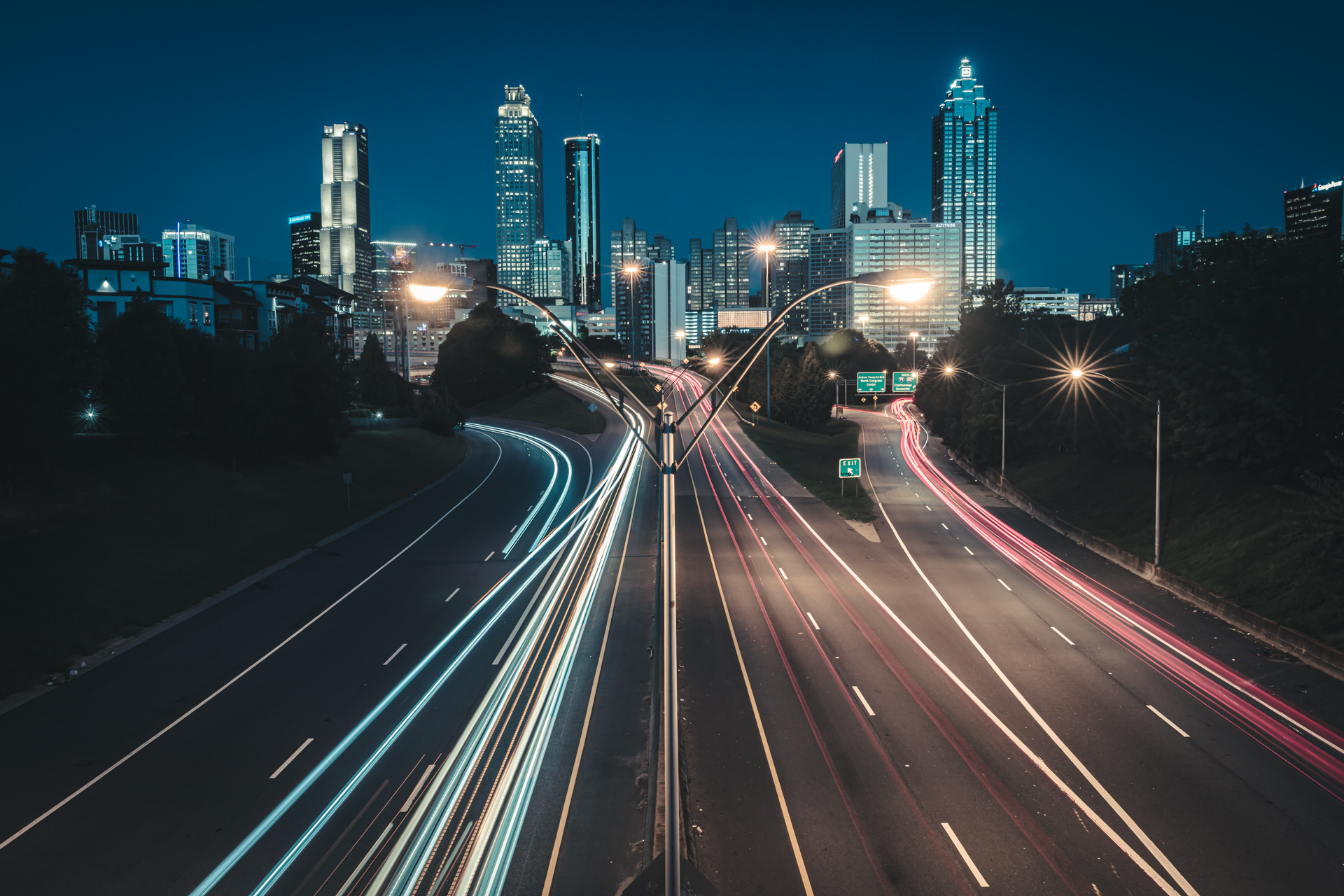
The G20 foreign ministers meeting Atlanta was billed by Washington as a working session on shipping lanes, energy and supply chains. It opened on Friday, October 30, 2026, as something else: a room in which the world’s largest economies sat down together while two wars they cannot agree on — Russia’s war in Ukraine and the U.S.–Israeli war with Iran — did more to define the agenda than any communiqué could. U.S. Secretary of State Marco Rubio chairs the two-day meeting, held under the United States’ G20 presidency. Russia’s foreign minister, Sergey Lavrov, arrived in Atlanta on Friday, Russian state media reported — a rare trip to a NATO member state by a sanctioned minister, four days before the U.S. midterm elections, one day after Russian daylight strikes that killed at least 19 people across Ukraine on Thursday, and with Ukraine itself not invited. Track it live: the wars dominating this table are updated on Signal Post News’ live war tracker.
A guest list that tells the story
Start with who is in the room, who sent a substitute, and who is not there at all. Lavrov is there in person, and Moscow made sure the friction of getting him there was part of the record: Russia’s foreign ministry complained that visas for its delegation were resolved only at the last minute, creating the impression, spokeswoman Maria Zakharova said, that “not everyone in Washington is happy” about his attendance. She said Lavrov would use the meeting to advocate for the “swift reform of global economic institutions” and to promote Russia’s vision of a “multipolar world”; AFP reported he plans to argue against international sanctions. China is represented not by Wang Yi but by a deputy — Executive Vice Foreign Minister Ma Zhaoxu, according to the reporting on the delegations — a downgrade in protocol terms that Beijing did not explain.
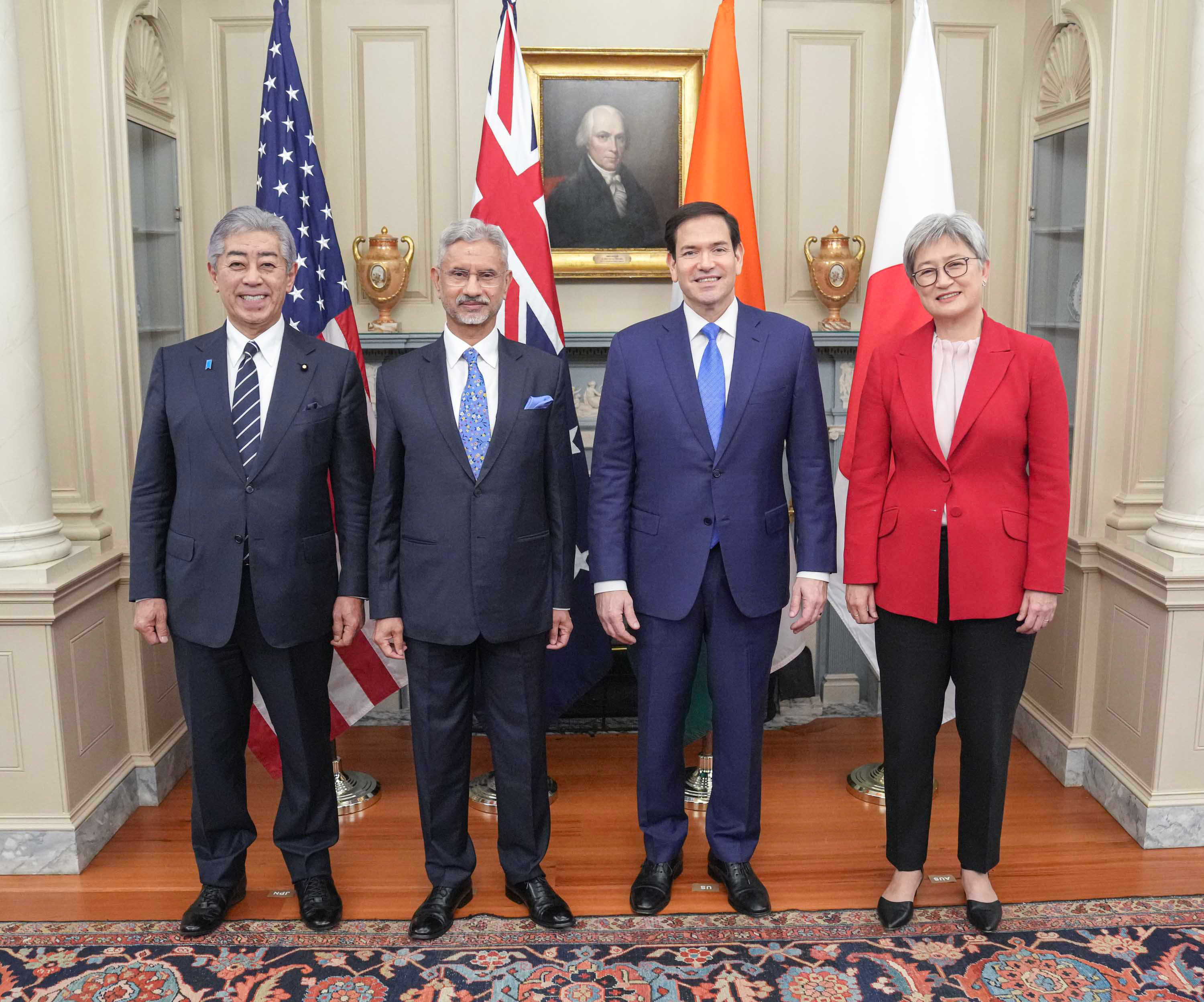
The European Union’s foreign policy chief, Kaja Kallas, is attending, as are India’s S. Jaishankar — who is also expected at a Quad foreign ministers’ meeting on the sidelines — and the foreign ministers of Germany, France, Poland, Canada, Turkey, Britain, Australia and Japan. And then the absences. Ukraine, not a G20 member but invited to previous such meetings, was not invited this year; U.S. officials said they made a conscious choice to include only formal members. South Africa, which chaired the G20 last year and is embroiled in bitter disputes with the Trump administration, is also missing — a year after top U.S. officials, including Trump and Rubio, shunned the meetings it hosted.
Washington’s agenda: sea lanes first
The State Department framed the meeting in deliberately practical language. Rubio sees it, the department said, as a way “to advance practical cooperation on shared economic and security challenges,” with a priority on solutions to “geopolitical crises contributing to global economic shocks” — threats to freedom of navigation, energy and food security, and preserving supply chains of critical minerals. U.S. officials said their top priority is resolving differences over freedom of navigation in four contested waterways: the Strait of Hormuz, the Red Sea, the Black Sea and the South China Sea, with discussion of Iran, Russia–Ukraine and China and its smaller neighbours. That is a revealing list. Every one of those sea lanes is currently disrupted, threatened or militarised by a conflict involving at least one government sitting at the Atlanta table — which is precisely why the agenda is ambitious and why almost nobody expects it to be met.
The Iran shadow over the room
Hanging over the meeting, the Associated Press reported, is the prospect of new U.S. military intervention in Iran, which has put the region — including G20 member Saudi Arabia — on edge. The AP has reported that U.S. officials have told several Middle East countries and regional allies to be prepared for potential renewed military strikes against Iran after Tuesday’s midterm elections, and for the possibility that Iran retaliates against them. That reporting — attributed, and not an announced American plan — changes what Atlanta is. Foreign ministers are not only debating shipping through Hormuz in the abstract; some of them are sitting in the room knowing their own capitals have been quietly warned to brace. It also explains the meeting’s strangest tension: Washington is simultaneously asking the G20 for cooperation on energy security and, on the AP’s account, warning partners that the largest threat to that security in the coming weeks may be its own next move.
Why this matters
The G20 was built for exactly this kind of moment — a forum broad enough to contain rivals, created so that a crisis in one part of the world economy could be managed by everyone it touched. Atlanta is a test of whether that design still functions when the crises are wars between, or involving, its own members.
Three things are really being measured. First, whether a group that includes Russia, China, India, the EU and the United States can still produce even the language of a shared position: AFP reported that no joint declaration is expected, and that Washington is expected to publish a chair’s summary instead — a document written by the host alone. “The G20 is no longer really a forum where foreign ministers can reach agreement on a statement,” Alisha Chhangani of the Atlantic Council told AFP. Second, whether access itself has become a policy instrument: Ukraine’s exclusion and South Africa’s absence, in a year when the host also invited Vladimir Putin to the December leaders’ summit at his Florida resort, tells every middle power in the system that a seat at the American table is now allocated, not assumed. Third, whether the economics still disciplines the politics. Fuel prices, food security and critical-mineral supply chains are the stated agenda because they are the channels through which these wars reach voters — including American voters, four days before an election in which fuel prices are a live campaign issue and in which, AP noted, Washington is seeking Moscow’s cooperation on reining them in even as it hosts Moscow’s foreign minister.
Who gains, who loses
Lavrov gains by being photographed in Atlanta at all. For a minister who has travelled very infrequently to NATO member states since February 2022, presence is the message: Russia is sanctioned, but it is not isolated, and it can say so from American soil. Ian Kelly, a U.S. ambassador to Georgia during Trump’s first term who now teaches at Northwestern, called the invitation “politically boneheaded,” arguing it will hurt efforts to present a unified Western approach on Ukraine and hand Democrats an issue days before the vote — while many Republican lawmakers, he noted, are already “cranky” with Trump’s conciliatory approach to Putin. Ukraine loses a room it used to be in, at the moment its president is publicly clashing with Washington over delayed arms, restricted intelligence and sanctions relief for Russia.
The G20’s middle powers — India, Turkey, Indonesia, Brazil and others — gain quietly: a forum that cannot produce consensus produces bilaterals instead, and the sidelines of Atlanta, from the Quad meeting to Jaishankar’s round of engagements, may matter more than the plenary. Elaine Dezenski of the Foundation for Defense of Democracies put the host’s case this way: “It will be less of a meeting and more of a test” — whether the U.S. can build cooperation with partners when consensus is out of reach, something she said the administration has shown some success at doing outside the G20 framework.
The numbers underneath the diplomacy
The G20’s claim on everyone’s attention is arithmetic: its members account for the overwhelming majority of world output and trade, which is why a stalemate here is not a diplomatic embarrassment but an economic fact. Consider the sequence the Atlanta meeting sits inside. It is the final major ministerial before the leaders’ summit on December 14–15 at Trump National Doral in Miami. It follows a G20 trade ministers meeting that ended with members rejecting a U.S.-backed statement on excess capacity — an early warning that even the economic core of the agenda no longer commands automatic agreement. It takes place four days before midterm elections that will decide whether the administration hosting it keeps its congressional majorities. And its central agenda item, freedom of navigation, is priced daily in the world’s fuel markets, which have been convulsed since the Iran war began in late February and Hormuz shipping was blocked. When the ministers talk about “geopolitical crises contributing to global economic shocks,” the translation is simple: the wars are now a line item in every household budget on earth, and the body invented to manage that kind of spillover cannot currently agree on a paragraph about it.
Context: how the G20 got here
The forum’s foreign ministers were never its centre of gravity — the G20 was a finance-ministers’ club elevated to leaders’ level after the 2008 financial crisis, on the theory that the biggest economies coordinating could stop a collapse. Its summits survived the trade wars of the late 2010s and the pandemic, but Russia’s full-scale invasion of Ukraine in 2022 broke its central convention: since then, nearly every G20 gathering has been consumed by the fight over whether, and how, its documents would describe a war one of its members was waging. Hosts from Indonesia to India to Brazil to South Africa each negotiated that language down to something everyone could sign. The American presidency is the first since the invasion to stop trying for the shared paragraph — moving instead to a chair’s summary, a members-only guest list, and a leaders’ summit at the president’s own resort, with Putin’s attendance still undecided and European allies uneasy. Whatever Atlanta produces, that shift is the durable news: the G20 is being converted, by its most powerful member, from a consensus machine into a convening platform — useful for bilaterals, Quad meetings and signals, but no longer pretending to speak with one voice.
What happens next
Watch four things between now and December. First, the chair’s summary itself: its language on Ukraine and on Hormuz will be read in Kyiv, Moscow and Tehran as the administration’s current bottom line, precisely because nobody else had to sign it. Second, any Rubio–Lavrov encounter — even a corridor conversation would be the highest-level U.S.–Russia contact of the autumn, and both governments will choreograph how much of it the cameras see.
Third, Tuesday: if the AP’s reporting about post-midterm preparations on Iran is borne out by events, the Atlanta conversation about freedom of navigation will look, in retrospect, like the last multilateral discussion held before the next escalation rather than a step away from it. Fourth, Putin’s answer on Miami. A Russian president at a G20 leaders’ summit on American soil in December would complete the arc Atlanta begins; a refusal would leave the chair’s-summary model as the administration’s only G20 achievement of the season. The meeting ends Saturday. The test it represents does not.
Sources
- Associated Press (October 30, 2026) — “G20 diplomats, including from China and Russia, face deep rifts as they prepare to meet in Atlanta”: Rubio chairs Friday–Saturday; freedom of navigation as the top U.S. priority; Lavrov representing Russia; China sending a deputy; Ukraine and South Africa not invited; and the AP’s reporting that U.S. officials told Middle East allies to prepare for potential renewed strikes on Iran after Tuesday’s midterms.
- AFP (October 30, 2026), via Europe Says — “Rubio hosts G20 ministers as Iran, Ukraine wars divide members”: fractious talks expected; Lavrov to argue against sanctions; Wang Yi absent with a deputy sent; no joint declaration expected, with a chair’s summary expected instead.
- U.S. Department of State media note (October 26, 2026) — Secretary Rubio to host the G20 Foreign Ministers’ Meeting in Atlanta, October 30–31, as reported by Indian News Network: practical cooperation on shared economic and security challenges, freedom of navigation, energy and food security, and the stage set for the December 14–15 leaders’ summit at Trump National Doral, Miami.
- TASS / Sputnik (October 30, 2026), via Devdiscourse — “Russian FM Sergey Lavrov arrives in Atlanta for G20 foreign ministers meeting”: Lavrov’s arrival in Atlanta on Friday.
- Photos: Vyacheslav Prokofiev / Presidential Press Service / TASS via Kremlin.ru (CC BY 4.0), Freddie Everett / U.S. Department of State (public domain) and Shawn M. Kent (CC BY-SA 4.0), all via Wikimedia Commons, as credited in the captions. File photographs — not photographs of the Atlanta meeting itself.