world reaction plague outbreak

The world reaction to the plague outbreak in Siberia has been a strange mix of alarm and restraint: deleted travel warnings, edited official statements, American politicians demanding flight bans, and a conspicuous silence from the world's top health body. No country has closed a border. No airline has cancelled a route. But the story has traveled further and faster than the disease itself — and the gap between what governments are saying and what they are doing is telling its own story.
The Warning That Vanished
The single most revealing moment of the international response happened on Telegram. The Baikalsk city administration — a municipality on the shores of Lake Baikal, near the outbreak zone — published an official notice urging residents not to travel to Shelekhov because of the possible plague situation. Roughly two hours later, the notice was gone. Deleted.
A deleted travel advisory is, in its own way, more alarming than the advisory itself. It suggests a local authority that believed the danger was real enough to warn its citizens — and a higher authority that decided the warning was more dangerous than the disease. The deletion became international news within hours, cited by outlets from London to New York as evidence that Moscow was managing the narrative rather than the outbreak.
Buryatia's Edited Statement
A similar pattern played out one region over. Alexey Tsydenov, the head of Buryatia — which borders the Irkutsk region and Mongolia — initially wrote that the woman who died in Irkutsk had died of plague and had not visited his republic. Then the post was edited. "Died of plague" became "may have died of plague." The softening was small and enormously significant: even acknowledging the word required a correction.
Buryatia matters because it sits on the competing theory of the outbreak's origin — that Shipilova was exposed during a trip to the republic rather than in the laboratory. Tsydenov's government denied she had visited. The edit left the central question exactly where it started: unresolved.
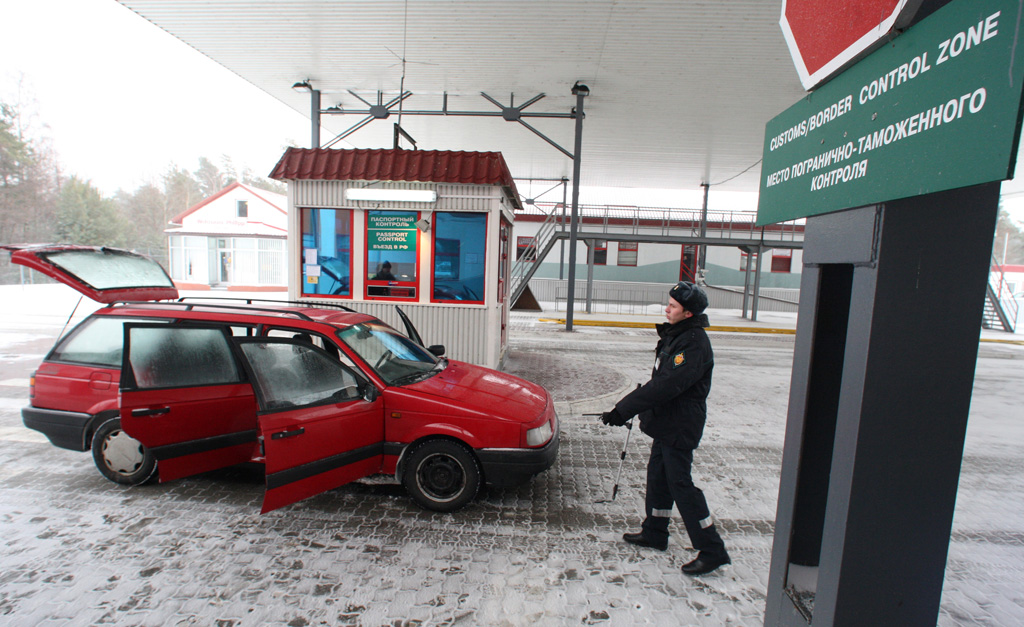
Washington: Flight-Ban Calls and High Alert
Across the Pacific, the reaction was louder. According to the Visegrád 24 news service, some U.S. politicians began calling for commercial air travel to and from Russia to be stopped until the situation is clarified. The WLT Report described the White House as being "on high alert" over the outbreak's spread.
Here is the context those calls omit: direct commercial flights between the United States and Russia have been suspended since 2022, following the invasion of Ukraine and the subsequent airspace closures. There is no direct air bridge to shut down. A flight ban would be a symbolic act layered over an existing reality — which has not stopped politicians from demanding one, because the demand itself is the message.
That said, the American attention is not baseless. Pneumonic plague — the feared lung form — is the only type that spreads person-to-person, and a laboratory accident involving it at a national reference institute is exactly the kind of event that triggers international health-security concern. The U.S. concern is less about this specific cluster, where no secondary cases have been confirmed, and more about what the opacity surrounding it implies.
The WHO Silence
Perhaps the most notable feature of the world reaction is what has not happened: as of this writing, the World Health Organization has issued no formal statement on the Irkutsk incident. No disease outbreak news bulletin. No risk assessment. No comment on the Russian denials.
This is not unusual. The WHO typically acts on confirmed, officially notified events — and Russia has notified nothing, insisting the death was "pneumonia of unknown aetiology" with no lab accident. The WHO's International Health Regulations depend on member states reporting; when a state does not report, the machinery idles. Critics call this a structural weakness exposed by every opaque outbreak. Defenders call it the limit of what a Geneva-based agency can do about a Siberian laboratory.
What the WHO's silence does not mean is that the international health community is unaware. Epidemiologists worldwide are following the Russian regional press, the deleted Telegram posts, and the criminal case under Article 236 — each a stronger signal than any press release.
Neighbors: Mongolia and the Border Question
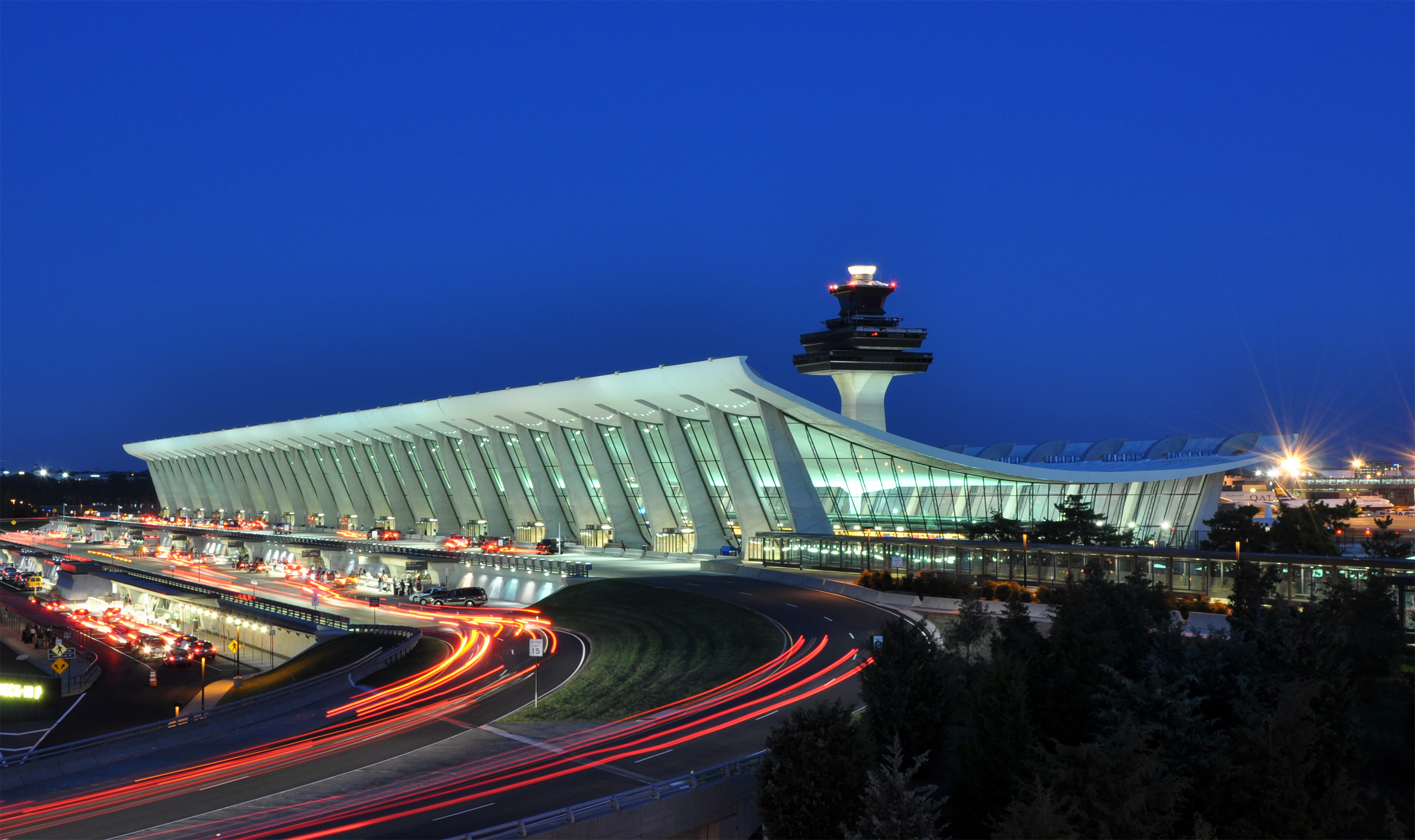
The countries with the most at stake are the quietest. Mongolia shares a long border with the Irkutsk region and Buryatia, and parts of the competing origin narrative place Shipilova near that border before she fell ill. Natural plague foci exist on both sides — Mongolia has its own history of marmot-linked plague cases, and Mongolian health authorities run annual public awareness campaigns warning against hunting marmots.
No border closures have been announced by Mongolia, China, or any neighboring state. This is consistent with the epidemiology: pneumonic plague requires close respiratory contact, and with no confirmed secondary cases and all contacts reportedly testing negative, there is no evidence of community transmission that would justify border measures. The restrained neighbor response is, paradoxically, a vote of confidence in containment — or at least in the absence of evidence for spread.
The Media Reaction: From Tabloids to Analysts
International media has split into two camps. The tabloid press — Britain's Sun, the New York Post — has run the story hard: "Black Death outbreak," "cover-up," "new pandemic" fears. The analytical press has been more careful. Robert Malone's detailed review concluded the most likely explanation was a laboratory-acquired infection compounded by a failure to respond quickly — "a serious biosafety failure," but with "no evidence of weaponization, a large-scale aerosol release, or renewed offensive biological weapons work."
Both camps agree on the central fact: the official story does not match the official actions. Five quarantined hospitals, 189 people in isolation, a 2,600-mile emergency flight by the chief sanitary physician, deleted warnings, and a criminal negligence case are not the footprint of "pneumonia of unknown aetiology." The world reaction, at its core, is a reaction to that mismatch.
What Would Trigger Real International Action
For all the noise, the threshold for genuine international measures remains clear and unmet: confirmed secondary cases, evidence of community transmission, or published laboratory data contradicting the official denial. None has materialized. Contacts are reportedly symptom-free and testing negative. Until that changes, the world reaction will likely stay where it is — watchful, vocal in some capitals, silent in Geneva, and focused less on the disease than on the credibility of the country managing it.
The deeper lesson is about the architecture of global health security. The system assumes transparency. When a state chooses opacity — deleting warnings, editing statements, refusing to name the disease — the system has few tools beyond watching and waiting. The Irkutsk incident is testing whether that is enough. So far, the world's answer has been to keep watching.
Read also: Irkutsk Plague Outbreak Origin: How It Started, Is Plague Contagious? How Plague Spreads, Siberia Plague vs COVID: Comparison
Frequently Asked Questions
Has any country closed its border over the Siberia plague outbreak?
No. No country has closed a border or imposed travel restrictions. A local travel warning issued by the Baikalsk administration was deleted within about two hours.
Has the WHO issued a statement on the Irkutsk plague incident?
No formal WHO statement has been issued as of this writing. The WHO typically acts on officially notified events, and Russia has not notified a plague case, attributing the death to "pneumonia of unknown aetiology."
Are flights between the US and Russia affected?
Direct commercial flights between the US and Russia have been suspended since 2022. Calls by some US politicians for a flight ban would therefore be largely symbolic.
What are neighboring countries doing?
Mongolia, China, and neighboring Russian regions have announced no border measures. Buryatia's leadership initially acknowledged a plague death, then softened the statement to "may have died of plague."