plague vs covid
IRKUTSK, Russia — The most-searched question after news of a young laboratory worker’s death was blunt: in a plague vs covid comparison, is Siberia facing the beginning of another pandemic? The short answer is no—not on the evidence available. A 28-year-old researcher at the Irkutsk Anti-Plague Institute died after a suspected laboratory accident, and roughly 200 contacts were placed under observation. That is a serious biosafety event. It is not evidence of sustained community transmission.
The longer answer matters because the word plague compresses seven centuries of memory into a single headline. Untreated pneumonic plague is among the most lethal infections known. COVID-19 killed a much smaller proportion of those infected, yet it transformed the world because SARS-CoV-2 was extraordinarily efficient at reaching large numbers of people—including through infectious carriers who felt well enough to travel, work and socialize.
That difference—severity in one patient versus capacity to spread across populations—is the key to understanding the Irkutsk plague laboratory death and the observation of about 200 contacts. Plague is a bacterial disease with effective antibiotic treatment. COVID-19 is viral, spreads through airborne particles far more readily, and has no antibiotic cure, although vaccines and antiviral drugs substantially reduce severe outcomes. A frightening case is not automatically a pandemic seed.
The responsible conclusion is neither dismissal nor panic. The Irkutsk incident warrants transparent laboratory findings, continued monitoring and immediate treatment of any symptomatic contact. But the characteristics that made COVID global—high transmissibility, frequent presymptomatic or asymptomatic spread, and long chains of infection—are not the usual characteristics of modern plague outbreaks.
Why this comparison matters
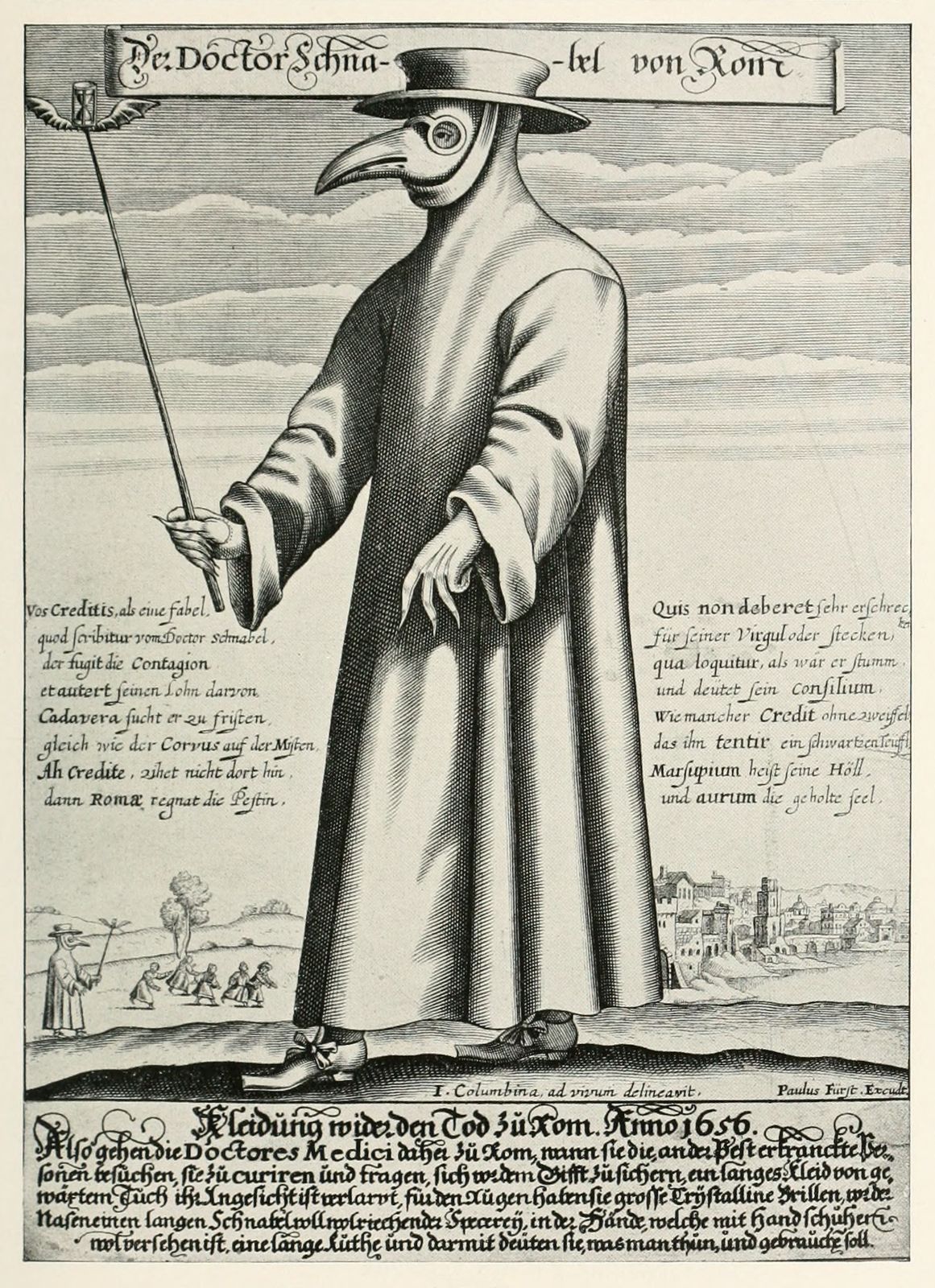
Outbreak anxiety runs on images before it runs on numbers. The plague evokes black robes, swollen lymph nodes and medieval mass graves. COVID evokes overwhelmed hospitals, lockdowns and a pathogen that crossed borders before most governments understood what they were seeing. Put those memories beside a laboratory death in Siberia and a figure of nearly 200 people under observation, and fear fills the gaps faster than public-health agencies can publish test results.
The search surge around “is plague worse than covid,” “is plague contagious” and “can plague become a pandemic” reveals what readers actually need: a way to separate the hazard posed by the organism from the probability of widespread exposure. In epidemiology, those are different questions. Pneumonic plague is an extreme hazard to an untreated person. Its probability of reaching millions is low under ordinary modern conditions because transmission normally requires close contact with a visibly ill patient and because antibiotics can stop both disease and onward spread.
COVID-19 presented the inverse public-health trap. Its average case-fatality ratio was far below untreated pneumonic plague, but SARS-CoV-2 could circulate through people before symptoms appeared or without obvious symptoms at all. By the time fever and cough announced one infection, several others might already have been seeded. The virus exploited indoor air, global mobility and delayed recognition at population scale.
This is why raw fatality percentages can mislead. A pathogen that kills nearly every untreated patient but reaches hundreds may cause fewer deaths than one that kills a few percent but infects hundreds of millions. The search question “covid vs plague: which is deadlier?” has two valid answers: plague is deadlier per untreated pneumonic case; COVID-19 was deadlier in aggregate because it infected vastly more people.
The numbers, head to head
The figures below compare broad, historically reported ranges, not a prediction for any individual patient. Case-fatality ratios shift with age, access to care, immunity, reporting practices and the strain or variant involved. Reproduction numbers also change with behavior and setting. Still, the scale differences are large enough to explain why one disease became a modern pandemic and the other usually remains a contained outbreak.
| Measure | Pneumonic plague | COVID-19 |
|---|---|---|
| Pathogen type | Yersinia pestis, a bacterium | SARS-CoV-2, a virus |
| Untreated case fatality | About 30% to 100%; pneumonic disease approaches 100% without early treatment | About 2.62% overall in a 112-study meta-analysis; lower for Omicron in the cited comparison |
| Estimated R0 | About 1.18 to 1.3 in historical pneumonic-plague analyses | Wild type about 2.2 to 3.8; Delta about 4 to 5 |
| Main transmission | Flea bites, infectious tissues or fluids; pneumonic cases can spread respiratory droplets at close range | Airborne aerosols and respiratory particles, including from people without symptoms |
| Incubation | Roughly 1 to 6 days after airborne exposure | Usually several days, varying by variant and immunity |
| Treatment | Antibiotics; speed is critical, especially within 24 hours of pneumonic symptoms | Supportive care and antivirals; antibiotics do not treat the virus |
| Vaccine status | No widely available vaccine | Widely deployed vaccines reduce severe disease and death |
| Historical toll | Black Death killed more than 50 million in Europe, according to WHO | A global pandemic with deaths spread across nearly every country |
The plague R0 reproduction number deserves special attention. An R0 near 1.2 or 1.3 means each case, in a fully susceptible population and absent control measures, generates only modest onward transmission on average. That can still create an outbreak—especially in crowded conditions—but it leaves public-health teams more room to break chains through isolation, contact tracing and prophylactic antibiotics. An R0 above 2 means growth is much faster; Delta’s estimated 4 to 5 made containment by contact tracing alone exceptionally difficult.
The COVID fatality figure also needs context. The cited meta-analysis put the overall case-fatality ratio around 2.62%, with large variation by period and variant: beta 4.19%, gamma 3.6%, alpha 2.62%, delta 2.01% and omicron 0.7% in the summary. These are reported case-fatality ratios, not universal infection-fatality risks. Testing intensity, health-system strain and population age all affect the denominator. The honest comparison is therefore directional, not a contest between two immutable percentages.
How each one spreads — and why that decides everything
How does plague spread?
Most human plague begins with an infected flea. The flea feeds on a rodent carrying Yersinia pestis, then bites a person. The bacterium can also enter through unprotected contact with contaminated tissues or fluids, including when people handle infected animals. Those routes produce bubonic or septicemic disease and do not normally create effortless person-to-person spread.
Pneumonic plague is the exception. When the lungs are infected, a patient can expel bacteria in respiratory droplets. Public-health guidance describes transmission risk during close, direct contact—roughly within six feet—particularly when a severely ill person is coughing. That is why the Irkutsk contacts are being watched. If the deceased researcher had pneumonic disease, health workers, relatives and others in close proximity during the symptomatic period are the people who matter most.
Even then, plague is not transmitted like measles and does not behave like COVID in ordinary settings. The droplets are relatively heavy and close-range exposure is generally required. A pneumonic-plague patient also tends to become acutely and visibly ill, reducing the window in which someone moves unnoticed through daily life. The short 1-to-6-day pneumonic plague incubation period helps investigators know relatively quickly whether a ring of contacts is developing symptoms.
Pneumonic plague vs coronavirus: droplets are not the same as aerosols
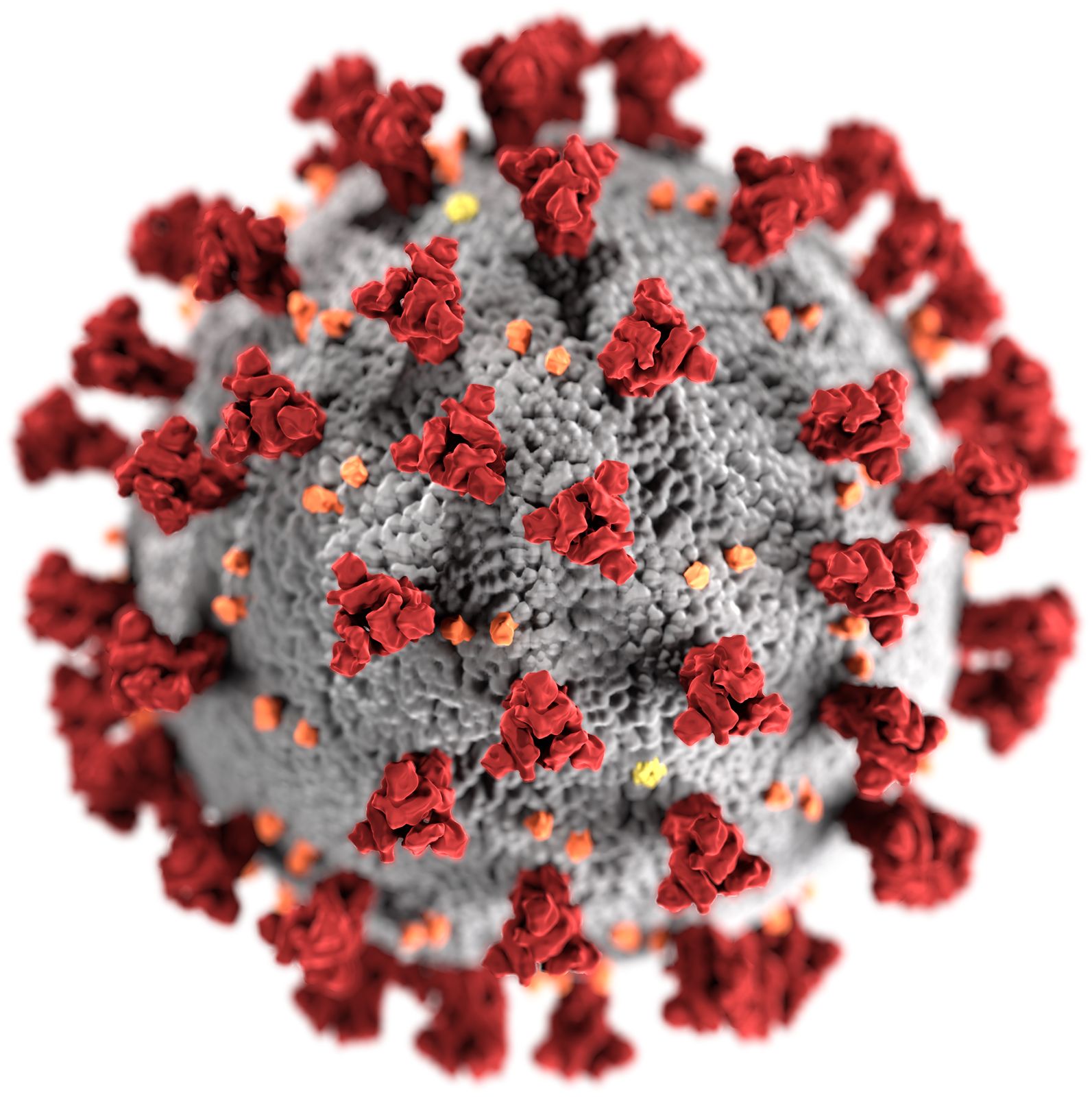
COVID-19 spreads predominantly through inhalation of virus-containing aerosols and respiratory particles. Those particles can accumulate in poorly ventilated indoor spaces and travel beyond conversational distance. Crucially, infected people can emit virus before they feel ill or while remaining asymptomatic. That allows transmission chains to grow without a dramatic sick person at their center.
This is the core reason COVID went global and modern plague has not. SARS-CoV-2 exploited ordinary behavior: breathing in offices, singing in gatherings, eating in restaurants, sitting in aircraft cabins. Pneumonic plague generally demands sustained proximity to a seriously ill source. The distinction is not that plague cannot spread between humans—it can—but that its usual route is narrower, more visible and easier to interrupt.
Context can change the equation. Crowded households, delayed diagnosis, inadequate protective equipment or a dense urban cluster can give pneumonic plague opportunities. The 2017 Madagascar epidemic showed that urban transmission can occur and that fear can outrun laboratory confirmation. But the same outbreak also showed that antibiotic treatment, contact tracing and targeted prophylaxis can bring a large plague emergency under control without it becoming a world pandemic.
Which is deadlier — and why the deadlier one is less scary
Plague death rate vs COVID death rate
On an untreated case-by-case basis, pneumonic plague is the more lethal disease. WHO describes pneumonic and septicemic plague as invariably fatal unless treated early and places untreated plague case fatality between 30% and 100%, depending on form. For primary pneumonic disease, the practical shorthand is nearly 100% without prompt antibiotics. Death can follow within a day or two after severe respiratory symptoms begin.
Yet the word untreated does most of the work in that sentence. Plague is caused by a bacterium, and antibiotics such as streptomycin, gentamicin and doxycycline or other tetracyclines are effective. Treatment should begin on clinical suspicion rather than wait for final laboratory confirmation. For pneumonic plague, the first 24 hours after symptoms begin are crucial. Close contacts may receive a seven-day preventive antibiotic course.
COVID-19 is caused by a virus, so antibacterial drugs do not cure it. Vaccination, prior immunity, antivirals and improved clinical care sharply reduce the likelihood of severe disease, but the pathogen’s broad reach gave it an enormous pool of hosts. A lower percentage of an immense number can produce more deaths than a catastrophic percentage of a small number.
That is why the deadlier organism can pose the smaller population threat. Plague announces itself brutally and can be attacked with existing antibiotics. COVID often spread quietly and required a layered response—vaccination, ventilation, testing, isolation and antiviral treatment—across entire societies. Lethality attracts attention; transmissibility determines scale.
The Black Death vs COVID: what history teaches
The Black Death swept Europe from 1347 to 1353 and killed more than 50 million people there, about half the continent’s population by WHO’s summary. That historical catastrophe is the emotional baseline whenever plague reappears. But comparing medieval Europe directly with a modern laboratory incident misses the systems that transformed the disease’s consequences.
Fourteenth-century communities had no germ theory, no understanding that fleas and rodents carried Yersinia pestis, no antibiotics, no microbiological testing and no organized contact tracing. People lived with dense rodent populations, moved goods along trade routes and interpreted illness through religious, environmental or social theories that could not stop bacterial transmission. Quarantine emerged through painful experimentation, not modern evidence.
Today, plague’s ecology is understood. Health departments can test a suspected patient, identify close contacts, prescribe effective antibiotics and monitor the brief incubation window. Surveillance teams track natural plague foci in animals. WHO estimates that 1,000 to 3,000 human cases still occur worldwide each year, about 98% of them in Africa, particularly the Democratic Republic of the Congo and Madagascar. The United States averages roughly seven reported cases annually. These cases are serious, but they do not recreate 1348 because the surrounding medical world is different.
COVID’s lesson cuts the other way. Twenty-first-century medicine had advanced diagnostics, intensive care, genomic sequencing and the capacity to develop vaccines at extraordinary speed. It still faced a virus optimized for a connected world. Air travel moved infected people before symptoms; large indoor networks amplified spread; and the pathogen repeatedly evolved. History teaches that medical capacity matters, but it cannot fully compensate for an organism’s ability to transmit invisibly at scale.
Ebola and SARS: the middle ground
Ebola, SARS and MERS help explain the relationship between severity and spread. They are not versions of the same disease, but each shows why a high fatality rate does not automatically produce COVID-scale transmission.
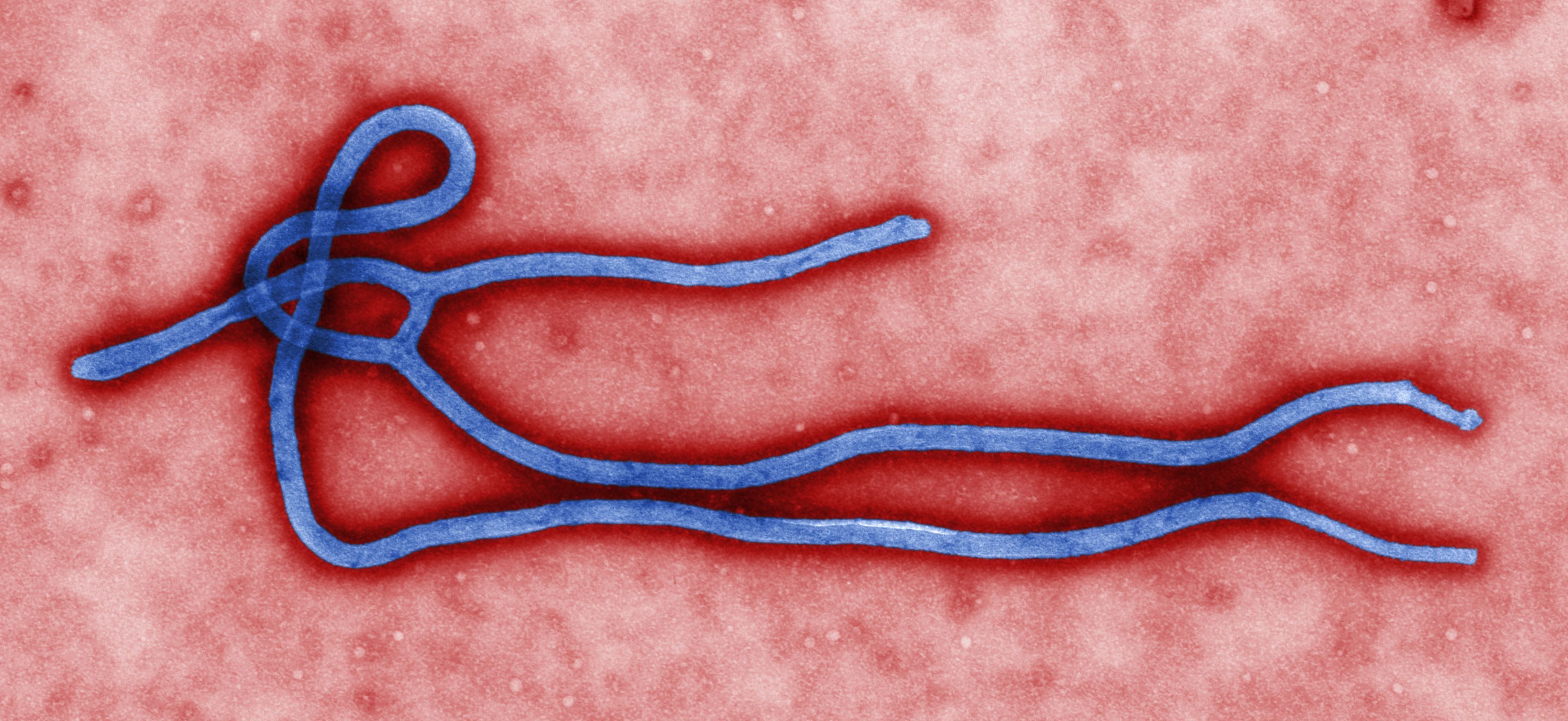
WHO places Ebola’s average case-fatality ratio near 50%, with outbreaks ranging from about 25% to 90%. During the 2014–2016 West Africa epidemic, 28,646 cases and 11,323 deaths were recorded. That was a devastating regional emergency, yet Ebola usually spreads through direct contact with blood or other bodily fluids of a symptomatic person. It does not ordinarily float across a room from someone who feels healthy. Infection-control failures, funeral practices and delayed isolation can accelerate it; the route remains more constrained than airborne coronavirus.
The 2002–2003 SARS outbreak produced 8,096 reported cases and 774 deaths, a case-fatality ratio of 9.6%. MERS has killed roughly 34% of reported patients. Both coronaviruses are substantially deadlier per diagnosed case than typical later COVID-19, but they transmit poorly before obvious illness compared with SARS-CoV-2. Traditional hospital infection control and contact tracing therefore had a better chance of catching chains.
The same trade-off applies, imperfectly, to plague. A pneumonic patient can infect close contacts, but rapidly worsening symptoms tend to expose the chain. The more a disease confines its transmission to people who are visibly sick, the easier it is to find and isolate them. The more it spreads from people who do not know they are infected, the more it behaves like the threat public-health systems fear most.
The comparison also guards against complacency. “Poor spreader” does not mean harmless. Ebola devastated families, health systems and economies. SARS caused international alarm and costly hospital outbreaks. A small number of pneumonic-plague cases in an unprepared setting could cause many deaths. Readers following the region can also see our report on the Congo Ebola outbreak and the pressure on contact tracing. Containment success is achieved, not assumed.
What would it take for plague to go pandemic?
A plague pandemic is biologically possible; history proves that. A new pandemic arising from the reported Irkutsk incident is not the likely scenario. Three paths illustrate the difference between possibility and probability.
Scenario one: a contained laboratory incident
This is the most likely interpretation on the facts presently reported. One worker died, a defined group of roughly 200 contacts was identified, and those people are under observation. If no secondary cases emerge during the incubation period, the public-health story closes quickly even as the biosafety investigation continues. The central question then becomes how a trained researcher was exposed and whether procedures, equipment or reporting failed.
A contained event would still matter. Laboratories handling high-consequence pathogens depend on redundant safeguards: engineering controls, protective equipment, training, incident reporting and medical surveillance. A death means one or more layers did not protect the worker. Fixing that failure reduces occupational risk and preserves public trust without pretending the surrounding population faced a pandemic.
Scenario two: an antibiotic-resistant strain
The more troubling scenario would be a strain resistant to several frontline antibiotics, combined with delayed recognition. Resistance has been documented in plague bacteria, although it is not the norm. The response would require rapid susceptibility testing, alternative drugs, aggressive contact management and international sharing of laboratory findings. Even then, resistance alone would not give plague COVID-like airborne transmissibility; it would make each case harder to cure and raise the stakes of every transmission.
This is why transparency from the Irkutsk laboratory matters. Officials should disclose the form of plague, whether the strain was natural or laboratory-held, its antibiotic susceptibility and the exposure route when those findings are established. Information discipline is not alarmism. It is how authorities prevent rumor from replacing evidence.
Scenario three: a pneumonic cluster in a dense city
The 2017 Madagascar epidemic, with more than 2,300 suspected, probable and confirmed cases reported in WHO summaries, is the modern warning. A large share involved pneumonic disease, cases reached urban centers, and fear spread quickly. Dense housing, delayed care, crowded clinics and movement between cities created conditions for sustained chains that rural flea-borne cases usually lack.
For such a cluster to become a global pandemic, several barriers would have to fail at once: cases would need to go unrecognized, infected people would need to travel while contagious, health systems would need to miss close contacts, antibiotics would need to be unavailable or ineffective, and transmission would need to persist above replacement for many generations. None is impossible. Together they are improbable in the present Irkutsk setting, where surveillance began around a known occupational case.
The honest probability assessment is therefore asymmetric: a contained incident is much more likely than a pandemic; a limited secondary cluster is possible and demands preparation; widespread international transmission would require evidence that does not currently exist. Declaring “the next pandemic” now would convert a risk scenario into a fact and undermine the credibility needed if the facts worsen later.
Who benefits, who loses, what critics say
Public-health agencies benefit from early caution when observation catches a symptomatic contact before that person exposes others. They also bear a communication cost: masks, isolation and large contact counts can look like proof of uncontrolled spread when they may instead show that containment is working. Officials should publish definitions—observed is not infected, suspected is not confirmed—and update the same metrics consistently.
Residents and health workers carry the immediate burden. People under observation lose time, freedom of movement and peace of mind. Hospital staff may have faced exposure while treating an undiagnosed patient. The researcher’s family bears the loss behind the statistics. Calling every precaution an overreaction discounts those realities; treating every precaution as evidence of catastrophe distorts them.
Laboratories and governments face competing incentives. Rapid disclosure can invite scrutiny, but delayed disclosure feeds suspicion and makes contact tracing harder. The Irkutsk institute has a reputational interest in demonstrating that its safeguards worked; investigators have a public interest in establishing where they did not. Independent reporting is essential because institutions should not be the sole judges of their own containment failure.
Critics of reassurance can fairly point to the uncertainties: the exact form of the worker’s disease, the exposure route and the final status of all contacts. They are right that pneumonic plague deserves immediate action. Critics of alarmism can fairly point to the low reproduction estimates, close-contact transmission and effective antibiotics. They are right that “plague” is not synonymous with “new COVID.” The balanced position holds both ideas at once.
There are also commercial and political incentives to exaggerate. Sensational headlines earn attention; authorities may prefer declarations of control before investigations are complete. The antidote is a public ledger of verifiable facts: confirmed cases, symptom onset dates, contact-test results, antimicrobial susceptibility, and clear WHO or national guidance.
What happens next
The next several days should answer the most important epidemiological question: does anyone among the roughly 200 people under observation develop compatible symptoms or test positive? Because pneumonic plague has a short incubation period, an uneventful monitoring window would be powerful evidence that transmission stopped with the initial case. A secondary case would not prove a pandemic, but it would expand the contact-tracing circle and sharpen the need for prophylaxis.
Watch for confirmation of the disease form. Bubonic, septicemic and pneumonic plague carry different transmission implications. Watch for the investigation’s account of how exposure happened inside or outside the Irkutsk Anti-Plague Institute. Watch for antibiotic-susceptibility results. And watch for statements from WHO or Russia’s national health authorities that distinguish verified findings from preliminary reports.
The public should also listen for what officials do not say. A rising number “under observation” is not necessarily a rising number infected; it can reflect more thorough contact tracing. A mask recommendation is not proof of airborne community spread; it can be a precaution around an unresolved pneumonic-plague question. Conversely, a claim of containment is strongest when paired with dates, test results and a completed observation period.
For now, the plague vs COVID comparison points away from panic. Pneumonic plague is more lethal without treatment, but it is bacterial, treatable and usually requires close exposure to a sick person. COVID-19 was less lethal per case but far more transmissible, including through people who did not know they were infected. The Irkutsk death is a tragedy and a biosafety warning. It is not, on the facts now available, the beginning of another coronavirus-scale pandemic.
Sources
- World Health Organization: Plague fact sheet — transmission, fatality, treatment, global burden and historical context.
- CDC Emerging Infectious Diseases: Pneumonic plague transmission model — reproduction-number estimate near 1.3.
- Epidemiology & Infection: Transmission dynamics of primary pneumonic plague in the USA — reproduction-number estimate of 1.18.
- Pennsylvania Department of Health: Plague fact sheet — close-contact distance, symptoms, incubation and preventive treatment.
- Becker’s Hospital Review: COVID-19 variants ranked by fatality risk — summary of the 112-study case-fatality meta-analysis.
- National Library of Medicine: SARS-CoV-2 reproduction-number review — wild-type, Delta and Omicron transmissibility estimates.
- National Library of Medicine: SARS and MERS epidemiological review — reported cases, deaths and case-fatality ratios.
- United Nations News: Ebola outbreak reporting — WHO fatality context and current outbreak background.
- Military Medical Research: West Africa Ebola epidemic review — 2014–2016 case and death totals.