Health
The United States has lost its measles elimination status, held since 2000, after a PAHO expert panel found the same strain had circulated for more than 12 months — with 5,412 CDC cases counted in 2026 alone.
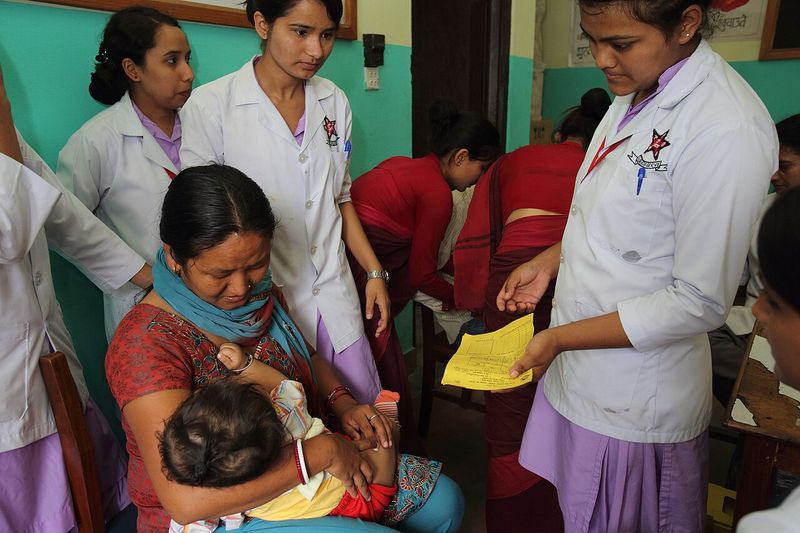
WASHINGTON, November 14, 2026 — The US loses measles elimination status it has held since 2000: an expert panel of the Pan American Health Organization has revoked the designation, concluding that the same measles strain has circulated continuously in the United States for more than 12 months, the criterion that ends an elimination claim. The Wall Street Journal reported the decision first, followed by Reuters and CNN. The CDC counts 5,412 measles cases in 2026, against 2,289 in 2025 — already the highest annual toll since 1991. A formal PAHO announcement is expected Tuesday, November 17. Track the outbreak on the Signal Post News outbreak tracker.
The numbers behind the decision
Reuters' accounting puts 7,500 people infected and 13 deaths since 2025, while state-reported figures record 10 deaths in 2026; the two counts use different windows and confirmation standards, and both are presented here as reported rather than reconciled. Kindergarten MMR coverage stands at 92.4%, down from 95.2% in 2019–20 and below the 95% level public-health practice treats as the herd-immunity target for measles — one of the most contagious viruses known.
What 'elimination' meant, and what losing it means
Elimination never meant zero cases; it meant no continuous domestic transmission, with imported cases dying out. Losing the status is therefore both a technical finding and a reputational one: the US joins a category it spent 25 years outside, and regaining the designation requires 12 months of interrupted transmission — a clock that cannot start until the current chains are broken.
Why this matters
Measles is the canary of vaccination systems: it finds coverage gaps first because it needs the least opportunity. A fall in kindergarten MMR coverage from 95.2% to 92.4% sounds marginal; multiplied across millions of children and unevenly distributed — concentrated in undervaccinated communities — it is the difference between outbreaks that self-extinguish and transmission that sustains itself for a year. The PAHO decision converts that arithmetic into an official verdict, and it will shape everything from travel advisories issued by other countries to the politics of school-entry requirements in state legislatures this winter.
What happens next
PAHO's formal announcement is expected Tuesday. Federal and state health officials face a two-track task: outbreak response in active clusters, and a coverage-recovery effort aimed at the kindergarten cohort. The 12-month clock for regaining elimination status makes 2027, at the earliest, the horizon for restoration — and only if transmission is interrupted soon.
Related coverage: Wisconsin Measles: Second Child Death in Grant County
Sources
- The Wall Street Journal, November 2026 — first reporting of the PAHO panel decision.
- Reuters, November 2026 — case and death tallies since 2025 and panel reporting.
- CNN, November 2026 — coverage of the revocation and CDC figures.
- CDC measles data, 2026 — 5,412 cases in 2026 and kindergarten MMR coverage of 92.4%.