War / Ukraine
Washington has cleared the biggest single Patriot package of the second Trump administration — 500 PAC-3 MSE interceptors, paid for entirely by allies. Kyiv’s problem is the calendar: the missiles do not exist yet.
Track it live: Ukraine War Map — Live Global Trackers
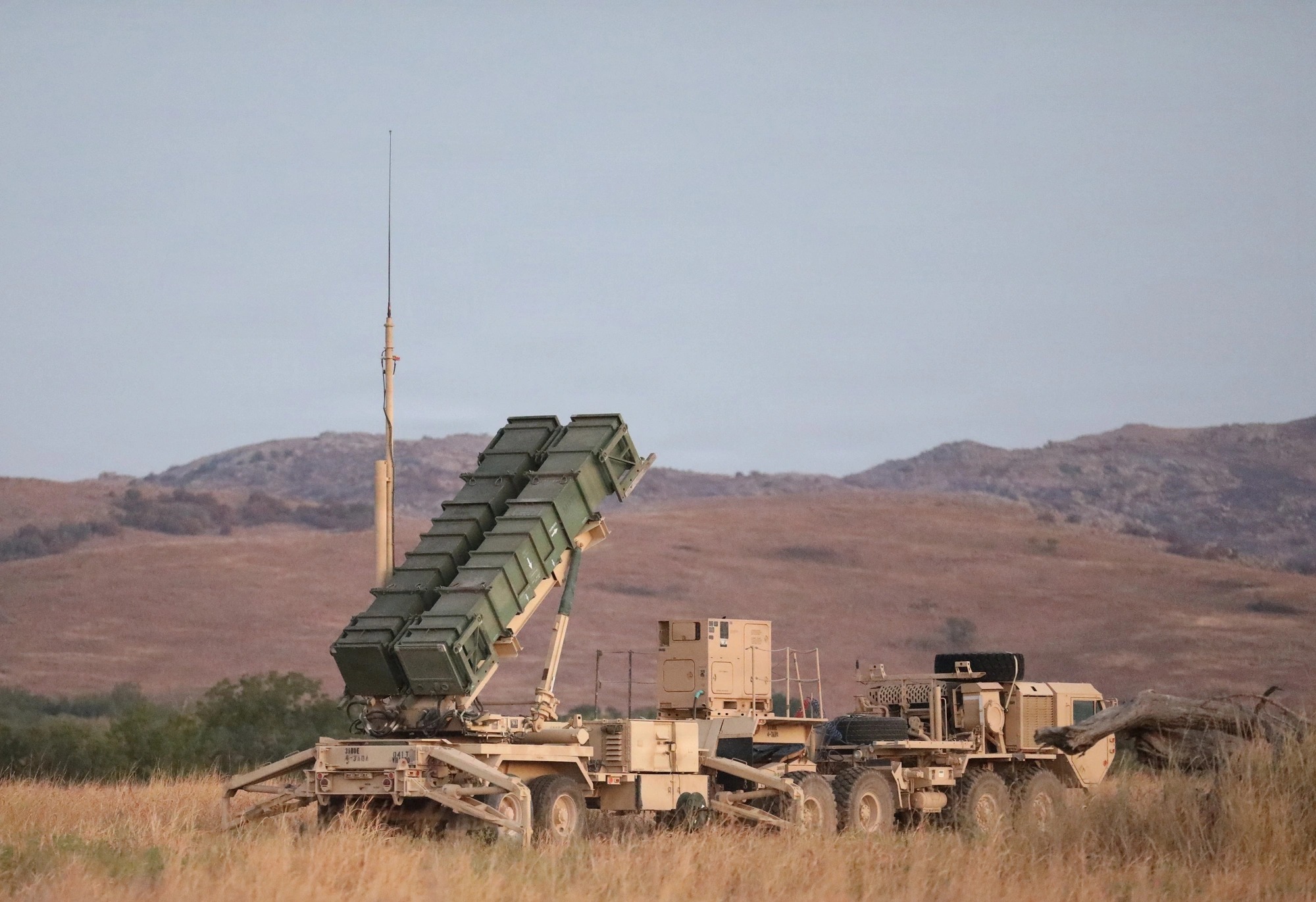
The U.S. State Department on Friday approved the potential sale of 500 Patriot PAC-3 missiles to Ukraine for an estimated $2.1 billion, Reuters reported, in what would be one of the most significant steps to supply defensive weapons to Kyiv since the start of the second Trump administration. The missiles at the heart of the deal, the PAC-3 MSE, are the most advanced Patriot variant in service and one of the few weapons in the world able to shoot down incoming ballistic missiles. President Volodymyr Zelenskyy welcomed the approval — and immediately pointed at the catch. The interceptors have not yet been manufactured, and two people briefed on the U.S. decision told Reuters they are not expected to be delivered until a couple of years into the 2030s.
What the $2.1 billion Patriot package actually buys
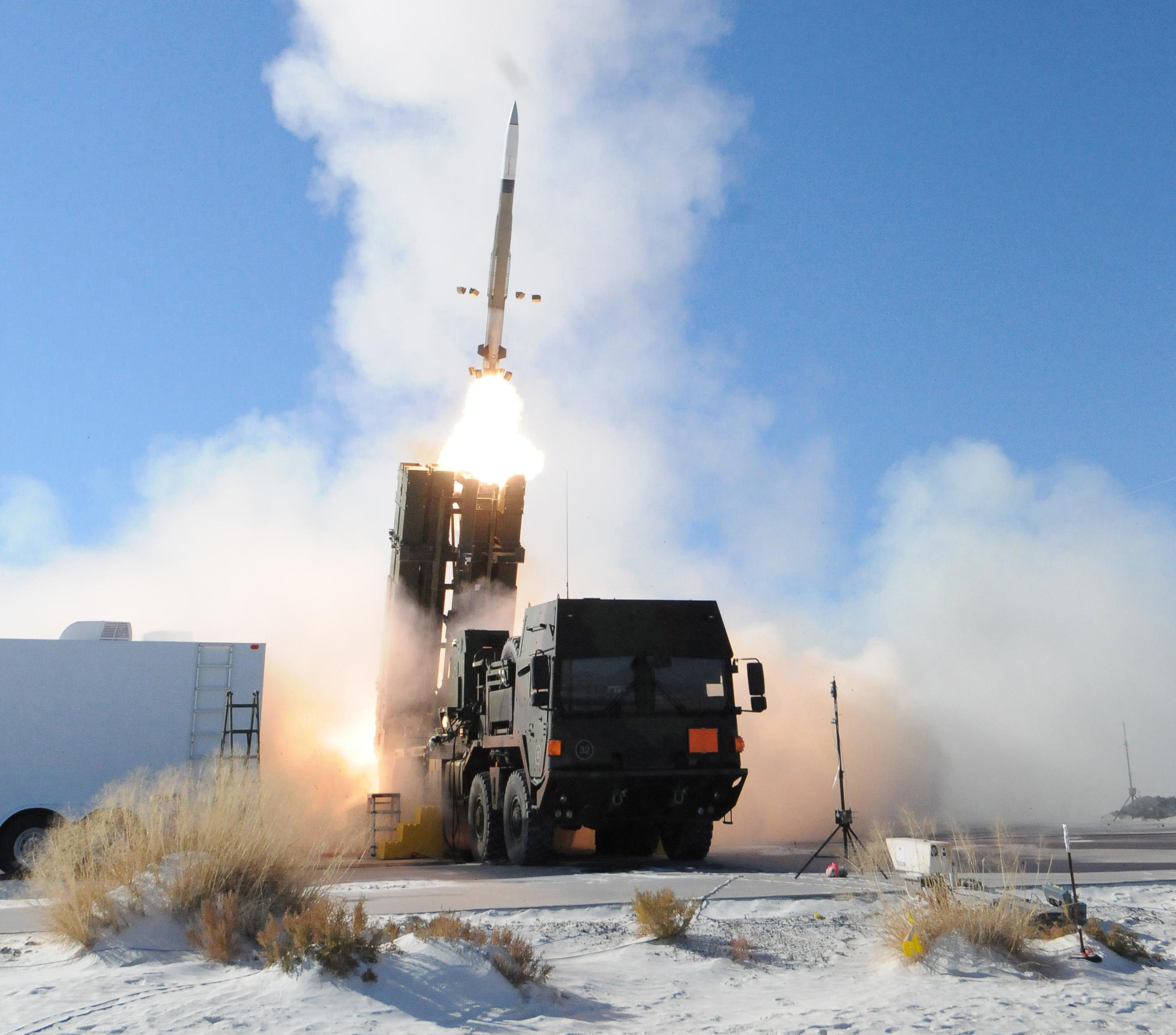
The package covers 500 PAC-3 MSE interceptors plus related equipment, spares and support — about $4.2 million per missile once spares and support are counted. Lockheed Martin is the principal contractor. The approval is a notification to Congress, not a signed contract: quantities and final prices can still change during the congressional review period.
Ukraine is not paying out of its own treasury in the usual way, and the United States is not financing it. Canada, Germany and Norway are contributing donations routed through the U.S. JUMPSTART program — the Joint Ukrainian Multinational Program–Services, Training and Articles Rapid Timeline, created in 2022 so third countries can fund American-made equipment for Ukraine — with the rest covered by Ukrainian national funds financed by the European Union’s Ukraine Support Loan. Reuters noted JUMPSTART was used in August to buy 3,350 air-launched cruise missiles worth $825 million.
Zelenskyy’s counter-proposal: send the stockpile now, backfill it later
Zelenskyy said Kyiv had asked Washington for a winter support package at a rate of 100 Patriot interceptors per month, and that 500 missiles would be enough to protect Ukrainian skies over the coming months, “precisely when it is so important for Ukraine to be in a strong position in negotiations.” Writing on X, he urged partners to release interceptors from existing warehouses this winter — the winter of 2026–2027 — and replenish their own arsenals later from the production this sale contracts and pays for: “We are asking our American partners to find a solution for the time when there is a real danger and a real need to use PAC-3 interceptors.”
Ukraine’s Ministry of Defense is encouraging the Pentagon to bring the delivery date forward the same way, one of the briefed sources told Reuters. The urgency has a recent history: CNN reported earlier in October that Ukraine’s Patriot interceptor supply had run dry, leaving Kyiv exposed to Russian ballistic strikes. The State Department gave no delivery schedule, and said it was “not aware” of any offset agreement for producing components in Ukraine, though Kyiv could negotiate one directly with Lockheed Martin — a live question since President Trump announced at the July NATO summit in Turkey that Ukraine would receive a license to produce its own Patriot missiles, a move he has seemingly backed away from since.
Why this matters
Air defence is now a production war, not just a battlefield one. The arithmetic is stark: at the 100-a-month rate Zelenskyy requested, 500 interceptors equal five months of winter cover — but only if they existed today. Instead they join a queue. In July the U.S. Army awarded Lockheed Martin a contract worth up to $58.6 billion for Patriot interceptors; Lockheed says it will triple PAC-3 MSE production capacity by the end of 2030 and raise output toward 2,000 missiles a year, expanding its Camden, Arkansas workforce by about 50 percent, from roughly 1,200 to 1,850 jobs.
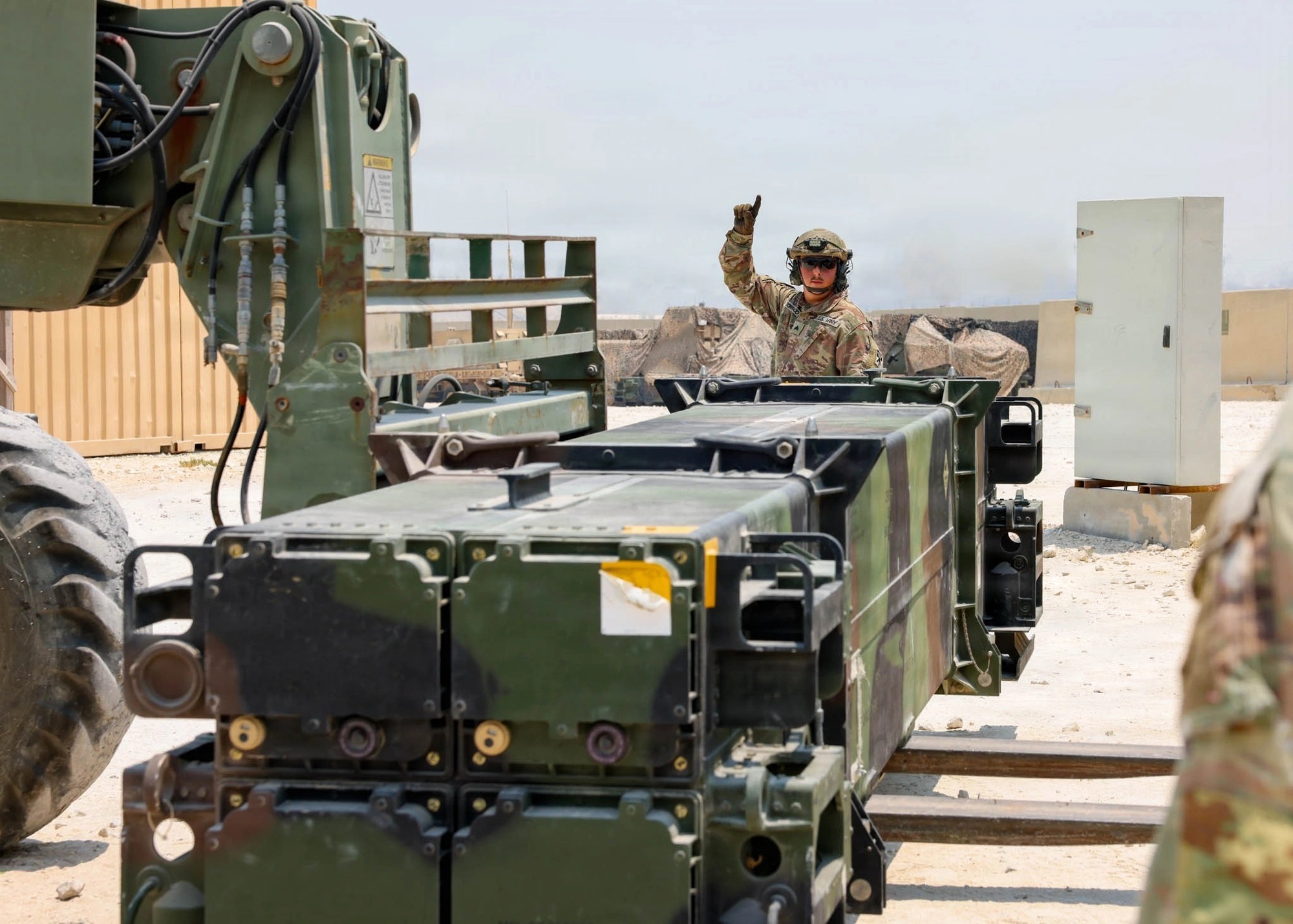
That output must be shared among the U.S. military’s own replenishment — drawn down by operations in the Iran war, which has raised inventory concerns in Washington — a long list of allied buyers, and now Ukraine. Every PAC-3 that rolls off the line in 2027 already has several claimants.
The week the deal landed in
The approval followed nearly a month of waiting — Zelenskyy said Monday Kyiv had been waiting almost a month for sign-off — and a fraught stretch in U.S.–Ukraine relations: Trump announced a deal allowing Russian diesel exports and criticised Ukraine’s strikes on Russian refineries, and Ukraine’s access to the Starshield satellite system was throttled for a period before being restored last week.
The human stakes were visible the day before the announcement: on Thursday a Russian drone strike killed at least 14 people on a crowded rail platform in Dnipro, five more people died in daytime strikes on two other provincial cities, and a late-evening missile strike killed one person in Kyiv, according to Ukrainian officials cited by Reuters. Ukraine answered in kind overnight into Saturday, striking the Kamensky rocket-fuel plant in Russia’s Rostov region with Neptune missiles and drones — each side attacking the industrial base behind the other’s missiles on the same news cycle that produced this sale.
What happens next
Three paths now present themselves. First, the congressional review runs its course and a letter of offer and acceptance is signed — the normal path, with first deliveries years away. Second, the stockpile-swap Zelenskyy proposed: partners hand over existing PAC-3s this winter and take Ukraine’s production slots as backfill — faster for Kyiv, but it asks allies to accept a thinner shield at home while Russia is still firing. Third, licensed production in Ukraine revives, shortening the chain in the long run but helping not at all this winter.
Meanwhile diplomacy continues on a separate track — Washington is also reviewing Turkish and Indian proposals for a limited Black Sea ceasefire — a reminder that the same administration is simultaneously arming Ukraine for a long war and shopping for ways to narrow it.
Sources
- Reuters (October 30, 2026) — “US approves $2.1 billion Patriot missile sale to Ukraine”: the State Department approval, the 500 PAC-3 MSE interceptors, the JUMPSTART funding structure and the briefed delivery timeline into the early 2030s.
- CNN (October 30, 2026) — “Zelensky welcomes sale of crucial US Patriot missiles but warns delivery could take years”: Zelenskyy’s winter stockpile-swap proposal and the 100-interceptors-a-month request.
- U.S. State Department / Defense Security Cooperation Agency (DSCA) notification, via Defence Blog (October 30, 2026) — the formal congressional notification of the proposed sale, including the statement that no U.S. funds are involved and that the department was not aware of any offset agreement.