The Shield Runs Dry: Ukraine Is Out of Patriot Missiles as Ballistic Strikes Get Through
Track it live: Ukraine war map — live front-line and strike tracker.
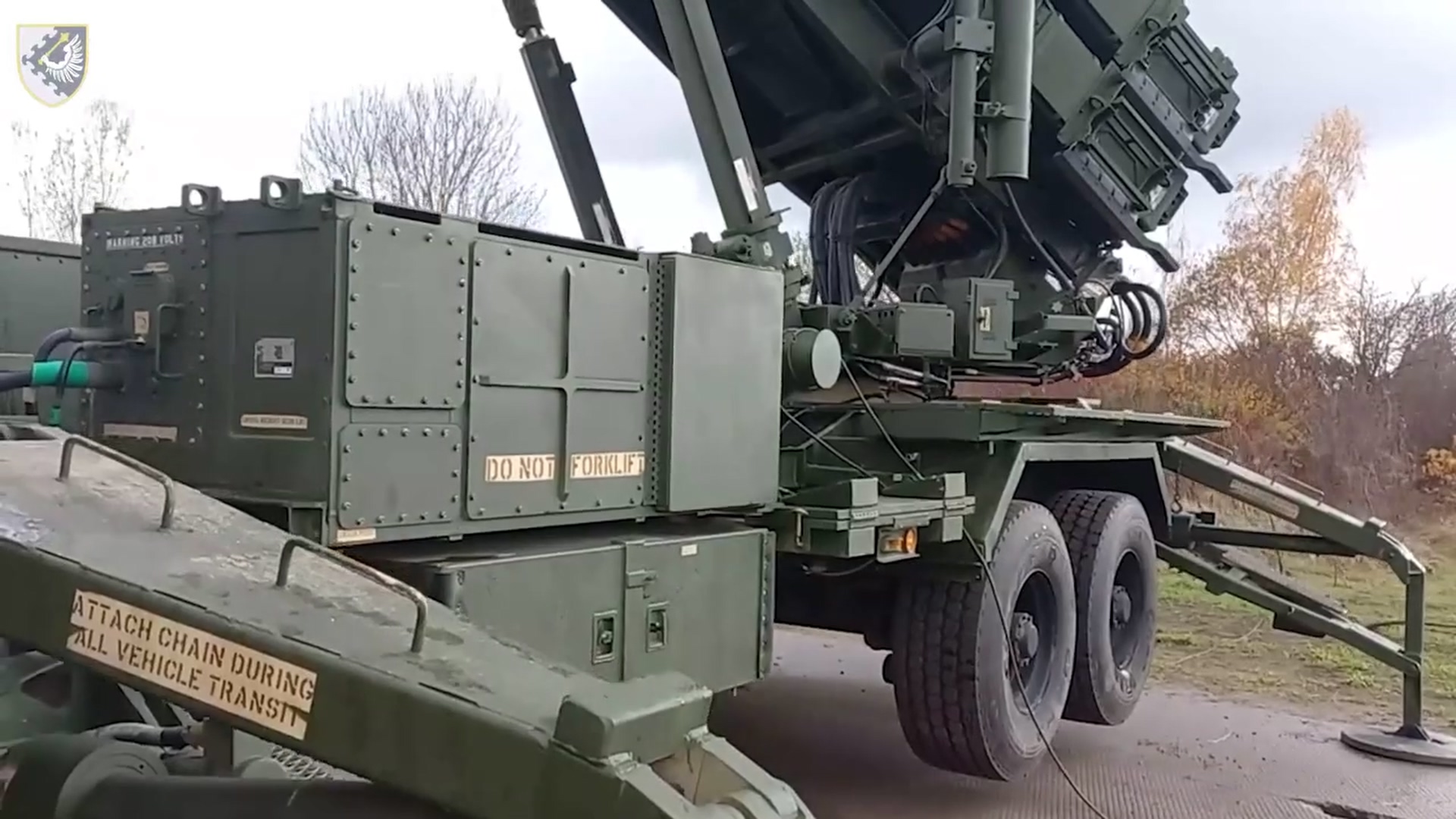
KYIV, October 15, 2026 — The Patriot is not one air defense system among many in Ukraine; for the threat that matters most, it is the only one. Russian ballistic missiles — Iskanders and Kinzhals that arrive in minutes on steep, fast trajectories — can be engaged by very few weapons in the world, and in Ukraine's arsenal the Patriot stands alone. That is what makes CNN's report so stark. "Almost all the ballistic missiles from the last strike were not intercepted due to lack of the (interceptor) missiles," the source told the network, describing an attack overnight into Wednesday that hit three power plants in Kyiv and targeted energy infrastructure in Kharkiv, killing four people and injuring 25 in the capital. Ukraine's Air Force said it intercepted four ballistic missiles while defending against that attack — a success that reads differently alongside the source's account: it suggests Kyiv used the last few Patriots it had.
A warning Zelenskyy has been giving for months
None of this arrived without notice. President Volodymyr Zelenskyy has warned repeatedly, for months, that Ukraine was running out of the American-made interceptors, and has pressed Washington for more stocks and for licenses to produce the missiles in Ukraine. The warnings were easy to file as negotiating rhetoric — leaders at war always ask for more than they expect to get. CNN's reporting says the cupboard is now actually bare, and adds a sobering footnote: it is not thought to be the first time Ukraine has fully run out. The stockpile has become a tide line, filled by allied deliveries and emptied by Russian salvoes, and each cycle leaves the country's power stations and cities dependent on how quickly the next shipment can cross an ocean.
Why the shelf is empty everywhere
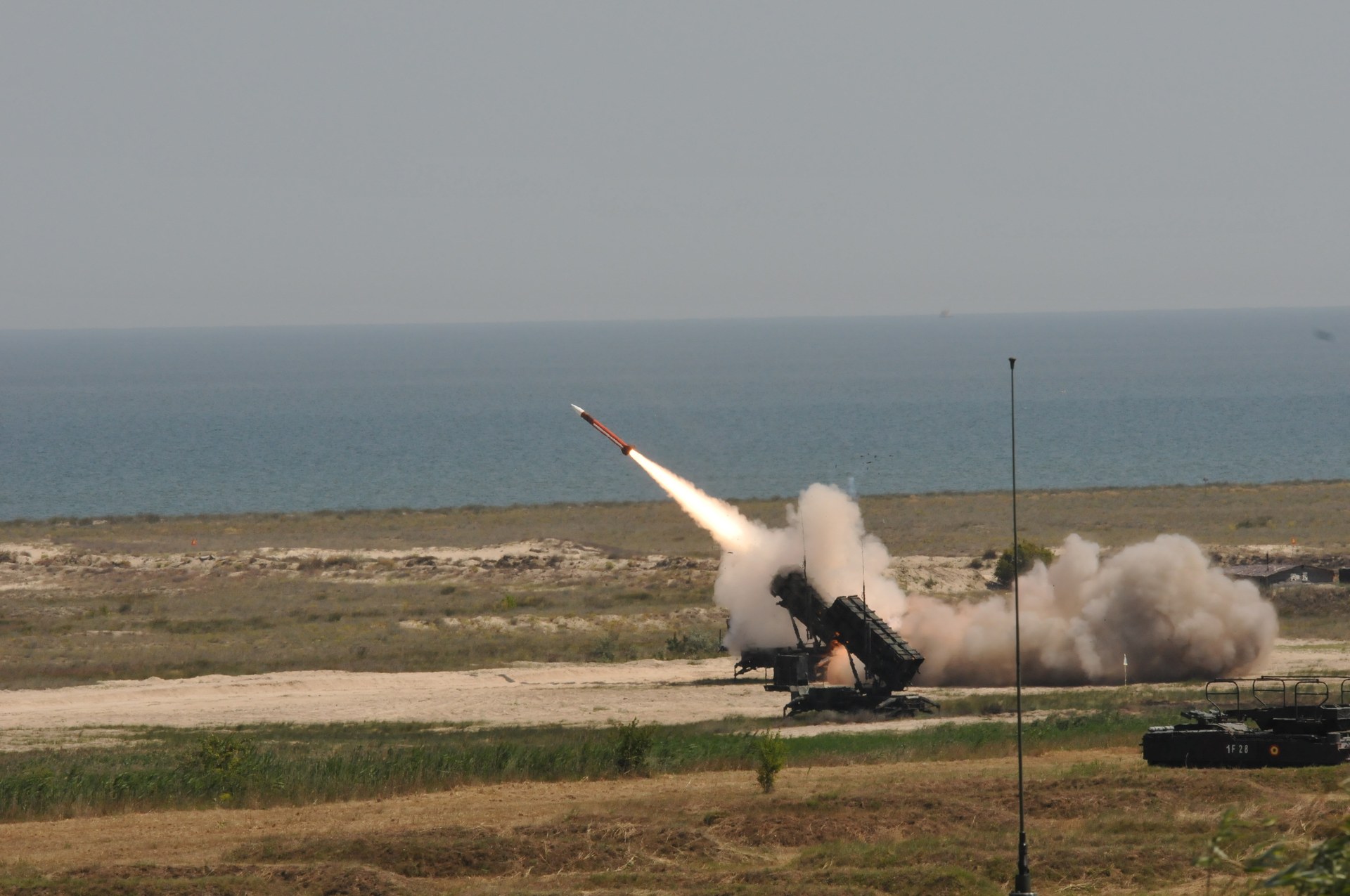
The shortage is not simply a matter of American reluctance, though the politics are real. Patriot interceptors are expensive — each one costs millions of dollars — and they are in short supply globally. Production is limited and slow to expand; stockpiles are national insurance policies that governments surrender reluctantly; and other countries have burned through their own reserves or moved to shore up their defenses amid the war in Iran, which has consumed interceptors across the Middle East at a rate no planner budgeted for. Ukraine is therefore queueing for the same scarce missiles as richer customers who can pay cash and wait years. That structural scarcity is the backdrop against which the political fight must be read: even a Washington fully committed to Kyiv's air defense could not conjure interceptors that do not exist — though how the scarce supply is rationed among claimants remains a choice, and Kyiv believes the choice is being made against it.
An empty shield in the middle of a feud
The timing could hardly be worse, or more pointed. The Patriot exhaustion surfaces in the middle of an increasingly bitter public feud between President Donald Trump and Zelenskyy: the White House struck a heavily criticized deal to import Russian diesel, heaped pressure on Ukraine to halt its strikes on Russia's oil infrastructure, and — Reuters reported on Thursday — saw an order to limit Ukraine's Starshield satellite service traced to inside the White House, a restriction Kyiv felt in its drone guidance. Zelenskyy, who said he felt betrayed by the diesel deal, answered on Thursday by ending the energy ceasefire outright — "the block is out; we're done," he told the Financial Times — and Ukrainian drones struck the Rosneft refinery at Ryazan within hours, as Signal Post News reported when the truce collapsed. So the two stories converge: Ukraine is defying Washington over the one campaign it believes is working, at the exact moment its dependence on Washington — for satellite guidance and for the only missiles that can stop a ballistic strike — has never been more exposed.
Why this matters
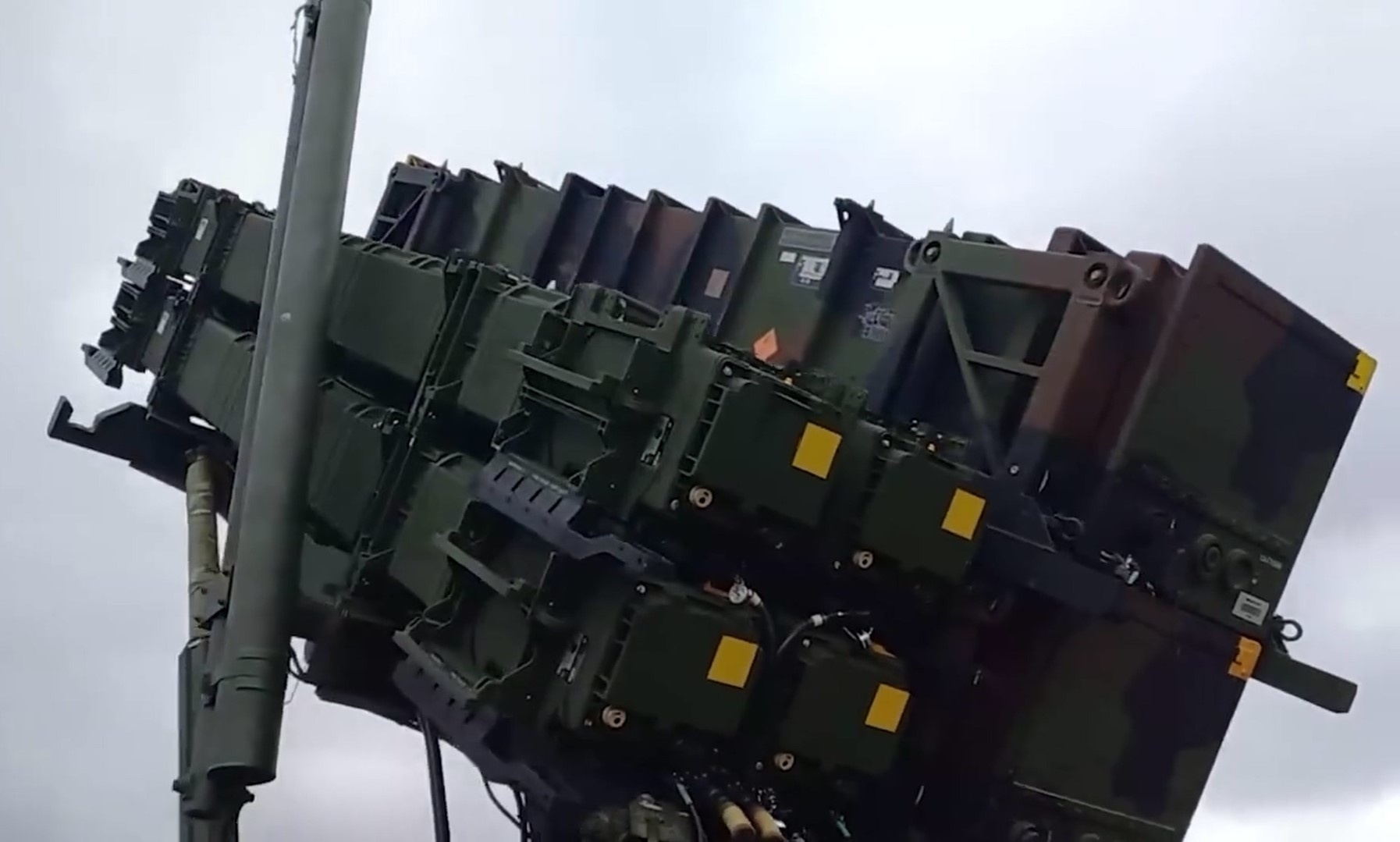
Air defense is where the war's arithmetic turns into civilian consequences fastest. With interceptors available, a ballistic salvo on Kyiv is a terrifying night with limited damage; without them, it is an open gate to the power plants, heating networks and substations that carry a capital of millions through a winter that is now weeks away. Russia's strategy has been explicit in pattern if not in statement: strike the grid, degrade daily life, and let cold and darkness negotiate. An empty Patriot magazine is therefore not a procurement detail — it is the variable that decides whether that strategy works this winter. It also redraws the politics. Every unintercepted missile strengthens Moscow's hand, weakens Kyiv's, and raises the price of Zelenskyy's defiance of Washington; every resupply, when it comes, will arrive as both a military delivery and a political signal about how much of Ukraine's defiance the United States is willing to underwrite.
What happens next
The immediate question is resupply: whether a new tranche of interceptors — American, or purchased by European allies from American production — can reach Ukraine before the next major ballistic salvo, and whether fresh deliveries restore the shield or merely restart the countdown to the next empty week. Behind it sits the harder industrial question of production: interceptor lines cannot surge the way artillery shell lines eventually did, and the queue of customers now includes countries that spent the Iran war firing their own stockpiles down. And behind that sits the feud. Kyiv has chosen to resume the refinery campaign while its air defense magazine reads zero; Washington holds both the interceptors and, on Reuters' account, the satellite dial. The next Russian strike on Kyiv's power grid will land in the middle of that standoff — and how many missiles meet it will say more about the state of the alliance than any statement either president makes.
Sources: CNN, October 15, 2026; Reuters, October 15, 2026; Financial Times (Zelenskyy interview), October 15, 2026.