War / Ukraine
Kyiv says the Ukrainian Navy's Neptune coastal missiles joined attack drones against the Kombinat Kamensky works in Rostov region overnight — a finished-products warehouse burned and four workshops were damaged at the plant that makes solid propellant for Russia's Uragan, Smerch and Tornado-S rockets. Moscow has not commented on the plant, and the extent of the damage has not been independently established.
Track it live: Ukraine war map — live tracker
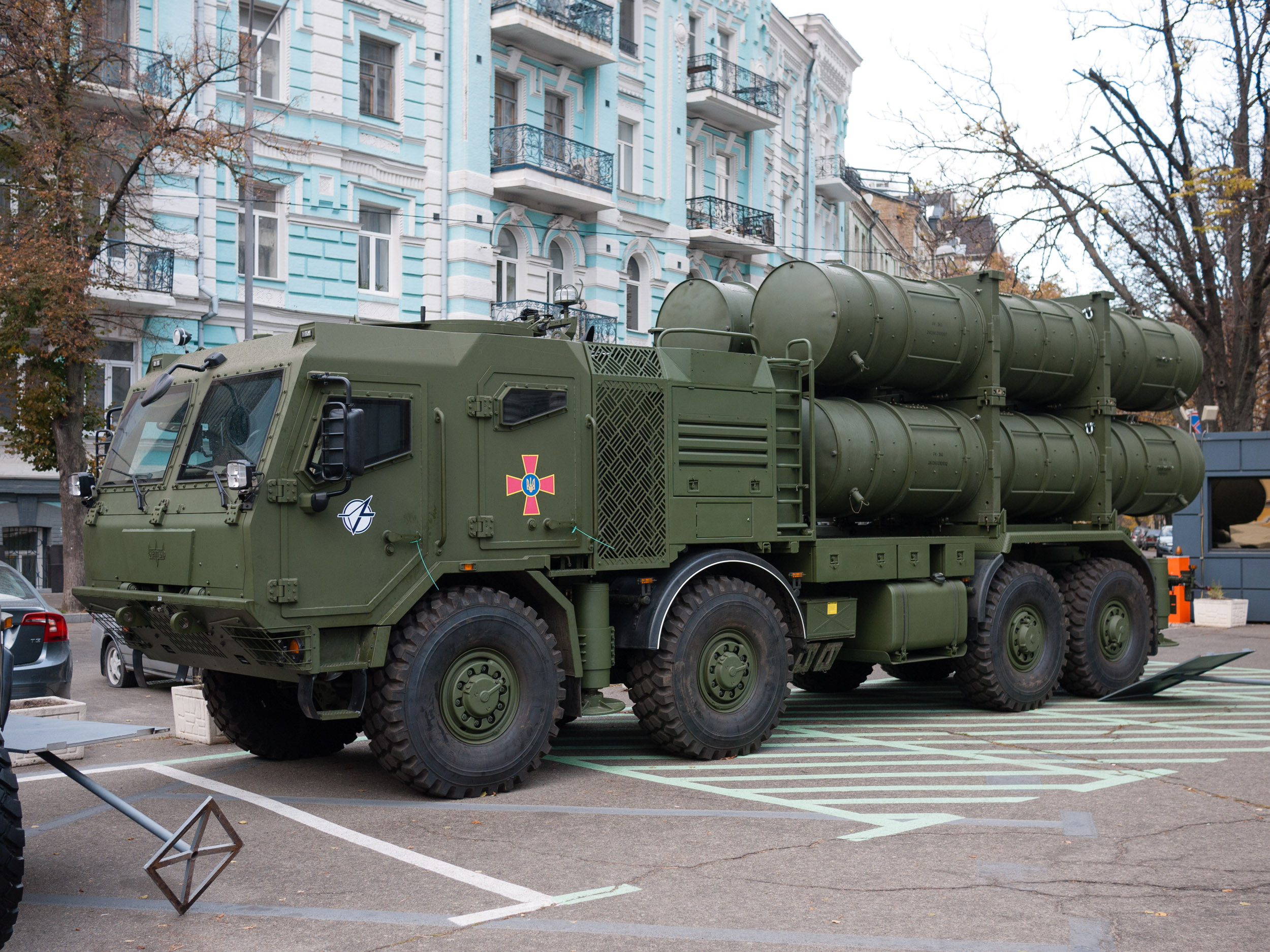
KAMENSK-SHAKHTINSKY, October 31, 2026 — Ukraine's military hit the Kombinat Kamensky chemical and defence plant in Kamensk-Shakhtinsky, in Russia's Rostov region, overnight on October 30–31 with attack drones and Neptune coastal missiles, the General Staff said on Saturday. A warehouse holding finished products caught fire and four production workshops were damaged, according to the statement. No casualties were reported by any source, and Russia's defence ministry had not commented on the plant at publication time.
What we know
The account rests, for now, on Kyiv's own words and on imagery that supports a strike without yet proving its full effect. The General Staff announced the attack on Telegram, saying Ukrainian attack drones and Neptune coastal missile systems of the Ukrainian Navy struck the state-owned Kombinat Kamensky enterprise overnight, setting a finished-products warehouse ablaze and damaging four workshops. Reuters reported the same statement, and UNITED24 Media carried satellite imagery of the plant published by the OSINT project Absolutely Reliable Source. That imagery is consistent with a hit on the site; as UNITED24 itself noted, the extent of the damage and its potential impact on production capacity have not yet been independently established, and nothing in this report treats Kyiv's damage figures as confirmed. Separately, Moscow claimed its air defences downed 433 Ukrainian drones over 19 regions that night — a figure that could not be independently verified and that Russian officials did not tie to Kamensky, on which they had offered no comment at all by publication time.
The target: a bottleneck in solid form
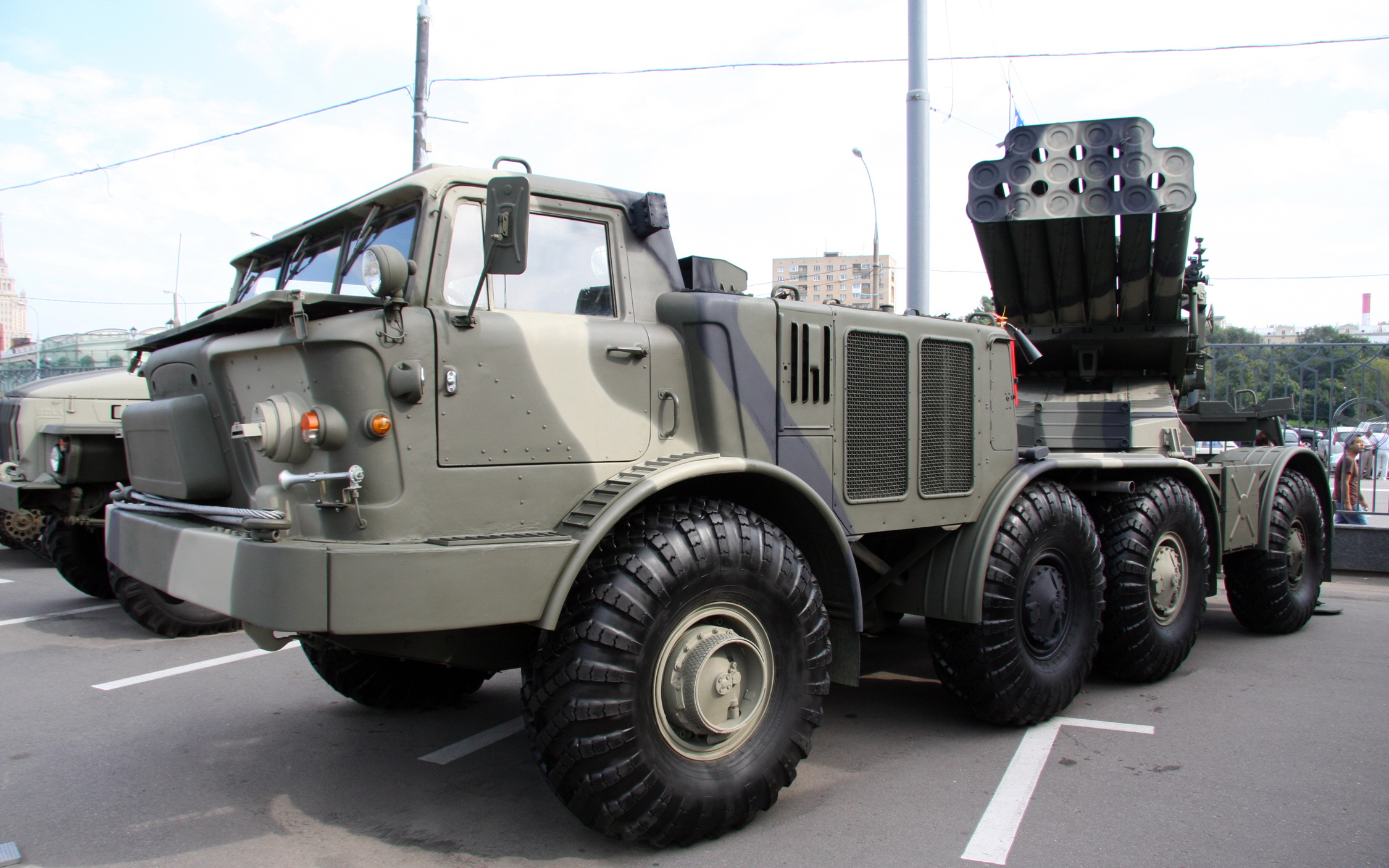
Kamensky is not a depot or a barracks. The combine manufactures solid rocket propellant — a composite of ammonium perchlorate oxidiser, powdered aluminium fuel and a polymer binder, cast and cured into the motors that push Russia's heavy rockets off their launchers. Its output feeds ammunition for the Uragan multiple-launch rocket system (220mm, range about 36 km), the Smerch (300mm, about 90 km) and the guided Tornado-S (about 120 km), as well as other missile systems and air-launched weapons. Propellant is the kind of input a war machine feels slowly and then all at once: it cannot be quickly substituted, it cannot be imported at scale, and production cannot simply be rerouted from another plant, because the chemistry, the casting pits and the curing capacity are the plant.
That is what makes four damaged workshops a different kind of number from four damaged buildings elsewhere. A burned fuel depot destroys stock; a damaged propellant line destroys flow — every week of lost production is a week of rocket motors that cannot be finished, and therefore rockets that cannot be fired, months later.
Hit before
This is at least the third reported strike on the plant. The General Staff confirmed that an August 16, 2026 strike destroyed two production workshops and damaged four more — this despite the plant being ringed, according to OSINT analysts, with anti-drone nets, earthen berms and a Pantsir and S-300 air-defence umbrella. A strike was also reported in December 2024. And the plant may have gone into this weekend already limping: two days before the strike, on October 29, the ATESH partisan movement claimed it had sabotaged electrical infrastructure at the same facility, damaging a power distribution node. That claim is unconfirmed — but if it is accurate, the Neptunes and drones arrived at a plant whose power supply had just been attacked.
Why this matters
Read the target list of the last three days and the campaign's direction is unmistakable: Kyiv's deep-strike effort is moving up the value chain. On October 30, Ukraine ended a two-week pause and hit the Novokuybyshevsk refinery in Samara region — the oil campaign, aimed at revenue. In the same weeks, Neptune strikes have gone after the missile-production chain itself: airframes on the ground at Marinovka and Borisoglebsk, components at Azov, and now the propellant that every Russian MLRS rocket burns. A refinery fire costs Moscow money it can partially replace. A propellant bottleneck costs firepower, and it compounds.
The weapon tells the same story. The Neptune was designed as an anti-ship missile and made its name in April 2022, when Neptune missiles sank the cruiser Moskva, the flagship of Russia's Black Sea Fleet. In Ukrainian Navy hands it has since become a land-attack workhorse — the missile Kyiv reaches for when the target is a factory, an airfield or, now, the fuel inside Russia's rockets.
Three readings of one strike
Kyiv frames strikes of this kind as the counterweight to Russia's nightly campaign against Ukrainian cities and energy infrastructure — a campaign that this week alone saw Russian drones knock out water supplies across Kyiv's left bank. The timing sharpens the message: the strike lands ahead of the hoped-for Abu Dhabi trilateral window of November 6–10, and every production line hit before those talks raises the cost to Moscow of simply waiting Ukraine out.
Moscow's silence, paired with its claim of 433 drones downed in a single night, cuts both ways, and analysts note both readings are already circulating. Either the Kamensky plant was hit through that air defence — in which case the claimed interception rate did not protect one of the most heavily defended industrial sites in southern Russia — or the figure is inflated. Silence does not settle which; satellite imagery over the coming days may.
Washington and European capitals will note the sequencing. The Kamensky strike came two days after Ukraine resumed refinery attacks at Novokuybyshevsk despite reported American displeasure at that campaign — and it extends the target set from refineries to the missile industry proper, a step further along the escalation ladder that Kyiv appears willing to climb while talks remain hypothetical.
The numbers
The geography is almost absurd: the plant sits roughly 10–15 km from Ukraine's internationally recognised border, yet it is defended like a deep-rear asset, with nets, berms and layered air defence. The Neptune, for its part, was never stretched by the distance — its range is over 280 km, and the Long Neptune land-attack variant is claimed by Kyiv at up to 1,000 km. Proximity did not save Kamensky in August, and it did not save it this week.
What happens next
Four tests will decide what this strike actually did. First, satellite battle-damage assessment and thermal-anomaly data will check Kyiv's claims of a warehouse fire and four damaged workshops against what can be seen from orbit. Second, any Russian statement — confirmation, denial or silence maintained — will shape how the claim settles. Third, and most telling, is whether Russian MLRS fire rates dip in the coming weeks: propellant damage shows up at the front slowly, in salvos that do not come. Fourth, expect the campaign to continue along the missile-production chain; Kyiv has now struck the airframes, the components and the fuel in a single season, and there is little in its recent pattern to suggest it considers the list finished.
Related coverage: Ukraine Says Neptune Strike Destroyed Two Su-34s at Marinovka · Ukraine Hits Novokuybyshevsk Refinery, Ending Its Refinery Pause and Defying Trump · Three Russian Drones Hit One Kyiv Facility, Leaving the Left Bank Without Water
Sources
- Reuters via Devdiscourse (October 31, 2026) — "Ukraine hits Russian missile fuel producer in Rostov region, Kyiv says": the General Staff statement as reported by Reuters, including the warehouse fire and the four damaged workshops.
- UNITED24 Media via EuropeSays (October 31, 2026) — the strike report with satellite imagery of the plant published by the OSINT project Absolutely Reliable Source; the ATESH October 29 sabotage claim; and the note that the extent of the damage has not yet been independently established.
- General Staff of the Armed Forces of Ukraine, statement via Telegram (October 31, 2026) — the primary claim: attack drones and Neptune coastal missile systems of the Ukrainian Navy struck Kombinat Kamensky overnight on October 30–31.
- Defence-UA (August 2026) — reporting on the prior strike on the same plant: the General Staff's confirmation that the August 16, 2026 strike destroyed two workshops and damaged four more, and analysis of the plant's air defences and border proximity.