The ceasefire that took effect in Gaza in October 2025 did not stop what a United Nations commission of inquiry calls genocide. That is the central finding of a new UN commission Gaza genocide report presented to the UN General Assembly in New York on Monday, October 26, 2026: the UN Independent International Commission of Inquiry on the Occupied Palestinian Territory, including East Jerusalem, and Israel concluded that Israeli authorities and forces have continued to commit genocidal acts after the ceasefire agreement, that Israel has also committed war crimes and the crimes against humanity of extermination, persecution, torture, rape and other forms of sexual violence in the occupied territory, and that the situation in the West Bank has deteriorated gravely since October 7, 2023. Israel denies both the genocide finding and the sexual-assault claims, and did not immediately respond to the report’s publication, the Associated Press reported.
Track it live: Israel–Gaza war map · Live wars tracker
What the commission found in Gaza
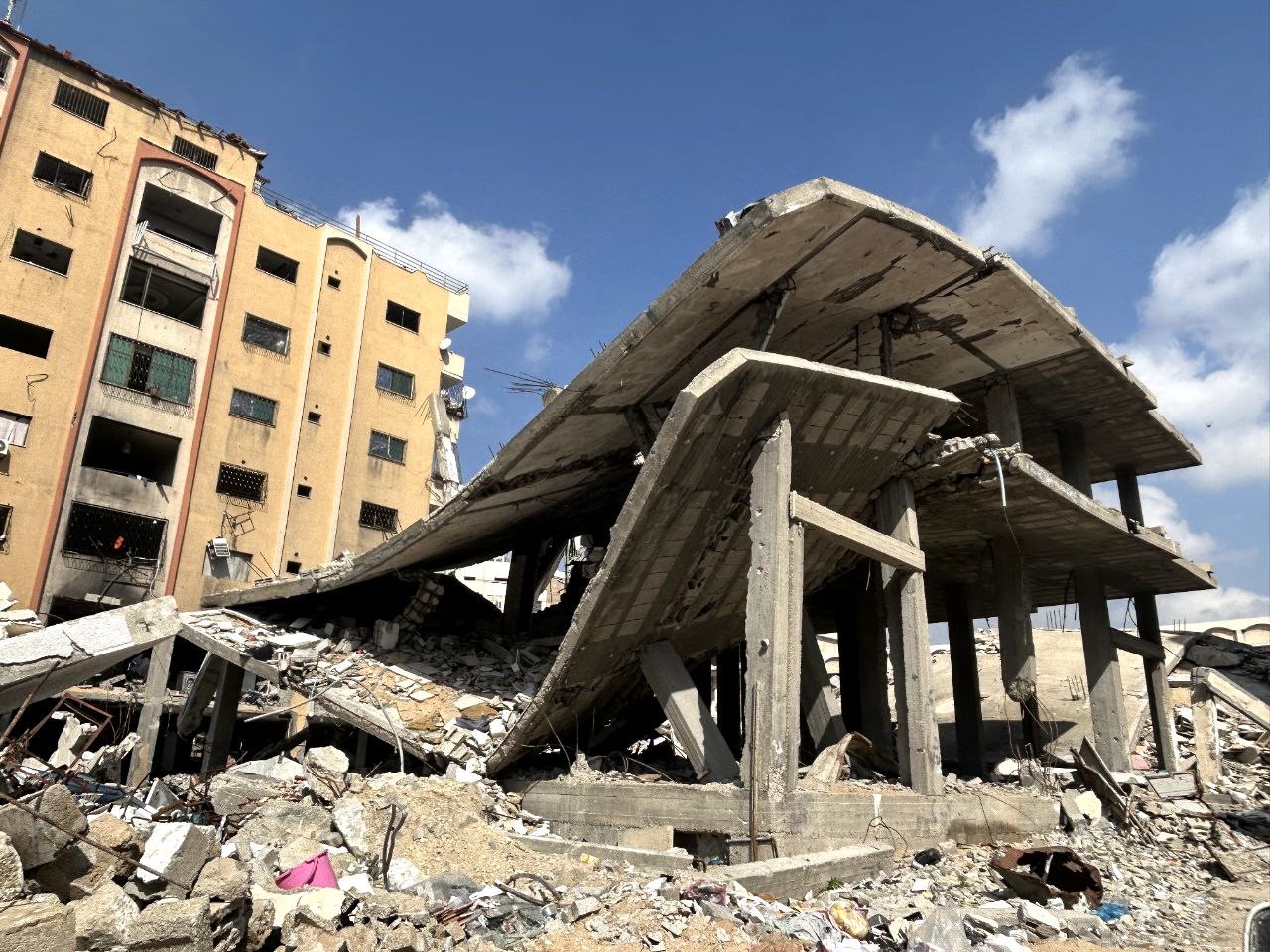
The report, which focuses on killings and bodily and mental harm by state actors, found that much of the harm since the ceasefire has come from Israel’s expansion deeper into Gaza. Since October 2025, when the ceasefire was signed, Israeli forces have gone from controlling 53 percent of Gaza to at least 60 percent, the commission said. In that time, Israeli fire across the advancing front — the so-called Yellow Line — has killed at least 196 Palestinians, including 18 women, 32 boys and 11 girls, according to the Associated Press summary of the report. Commission chair Srinivasan Muralidhar said Israel’s expansion of territorial control “continues to result in the killing and harming of Palestinian civilians who approach or cross the Yellow Line.”
The commission said it drew part of its conclusions from investigating seven cases between November 2023 and June 2026 in which Israeli forces caused bodily harm to Palestinians, often children, who did not appear to be posing a threat. It also documented detention abuses, including six recently documented cases in which, it said, Israeli guards were sexually violent toward male detainees from Gaza at the Sde Teiman military prison. The Associated Press noted explicitly that it could not independently corroborate multiple graphic accounts in the report of sexual assaults by prison guards and soldiers on Palestinian detainees since October 2023, and readers should hold that caveat alongside the findings.
The West Bank numbers, put in context
The report’s West Bank findings carry some of its starkest comparisons. Six Palestinians were killed by airstrikes in the West Bank in the fifteen years between 2008 and October 6, 2023; between October 7, 2023 and September 30, 2026, the figure was 254 — a more than fortyfold increase that reflects how a tool once almost never used in the West Bank became routine. The commission concluded that Palestinians in the West Bank are being targeted on the basis of nationality, race and ethnicity, gender and age, and that Israeli military operations reinforced by sustained settler violence amount to a widespread and systematic attack against civilians, with torture, reproductive violence, rape and other sexual violence forming part of that attack.
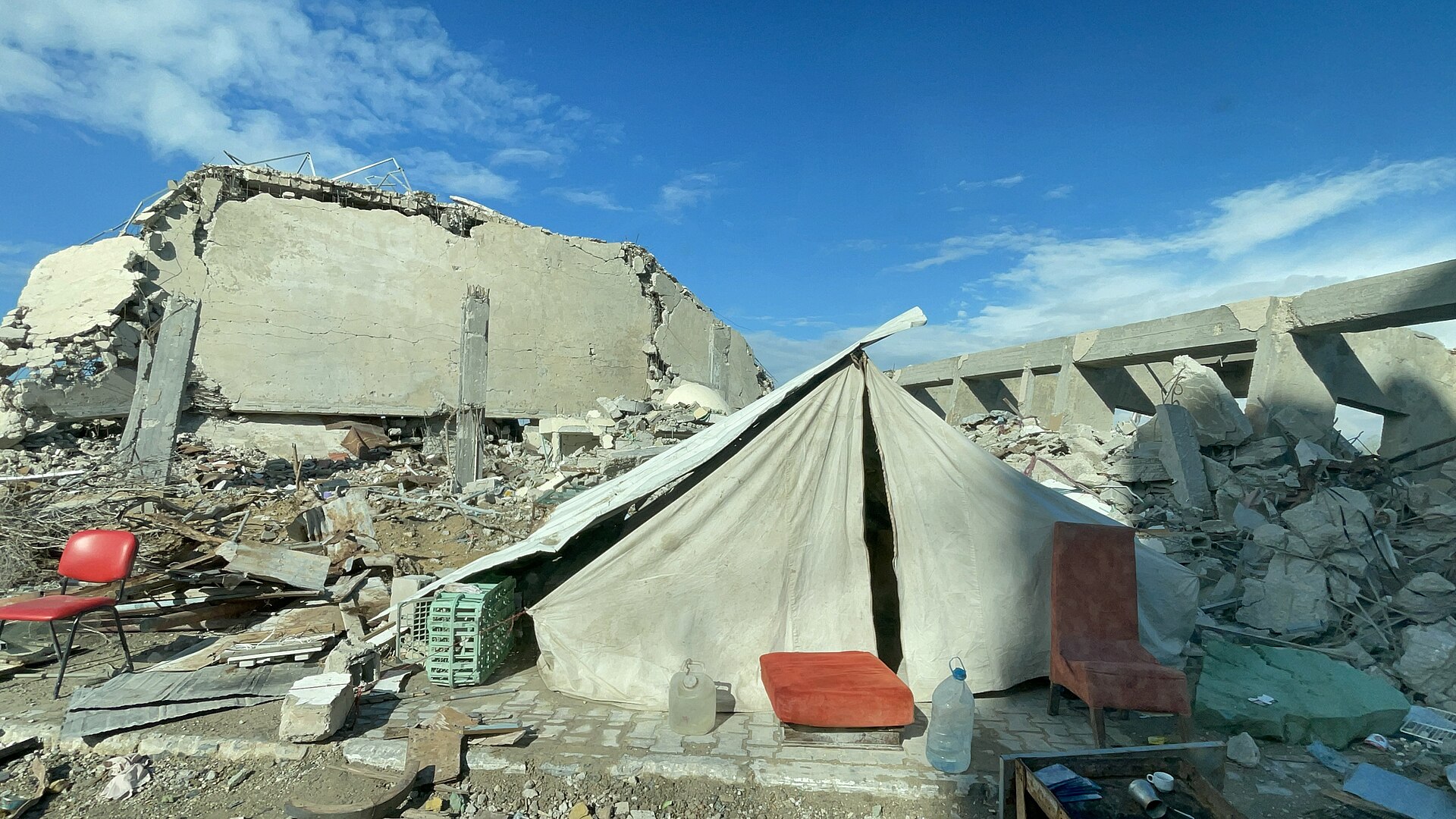
Displacement tells the same story in a different unit. Military operations since January 2025 have produced the largest displacement of Palestinians in the West Bank since 1967, with 34,176 people still displaced as of August 2026. “The intentional killing and injuring of Palestinian civilians and destruction of homes in the West Bank combined with Israel’s persistent denial of responsibility form part of a broader strategy to exterminate and displace Palestinians and impose conditions of life that are unliveable,” Muralidhar said.
What Israel says — and what this report is and is not
Israel rejects the commission’s conclusions. It denies both the genocide allegation and the sexual-assault claims, and its government has long argued that its forces target Hamas and act in self-defence; it did not immediately respond to Monday’s publication. Two distinctions matter for reading this report fairly. First, a commission of inquiry is not a court: it cannot convict anyone, and the genocide case against Israel remains before the International Court of Justice, which has yet to issue a final ruling. Second, the commission’s work is explicitly evidence-gathering — the Associated Press noted its findings could be used by prosecutors at the International Criminal Court or in other jurisdictions. The report also criticised the Palestinian Authority, finding that it has targeted Palestinians who voice dissenting views, that journalists and human rights defenders have been killed and injured, and that it has failed to conduct effective, impartial investigations into killings by its own security forces.
The wider war remains the backdrop. The conflict began with the Hamas-led attacks of October 7, 2023, which killed some 1,200 people in Israel and saw 251 hostages taken. Israel’s response has killed more than 74,000 Palestinians, according to Gaza’s Health Ministry, whose figures the UN has historically treated as broadly reliable and which Israel disputes. Our recent coverage of the Islamic University strike in Gaza City, the UNICEF count of children killed during the ceasefire and the aid groups’ statement that the ceasefire exists in name only traces how the post-ceasefire toll the commission describes has accumulated incident by incident.
Why this matters
Three things make Monday’s report more than another entry in a long file. First, its timing: it lands almost exactly a year after a ceasefire that was supposed to end the killing, and its central claim is that the legal character of the violence did not change when the tempo did — 196 dead across an advancing line is, in the commission’s reading, continuation, not residue. Second, its geography: by pairing Gaza with the West Bank’s 254 airstrike deaths and its largest displacement since 1967, the commission is arguing that the two territories are one policy, not two stories — a framing Israel’s government rejects but which, if adopted by more states, changes arms-transfer and recognition debates far beyond New York. Third, its audience: a report to the General Assembly is written for governments. Its recommendations — comply with the ICJ’s July 2024 advisory opinion, end the occupation, remove settlers and settlements, return confiscated land — will not be implemented on the commission’s say-so, but each new formal finding raises the legal exposure of states that continue supplying weapons, because the evidence is now on the record in a form prosecutors can cite.
What happens next
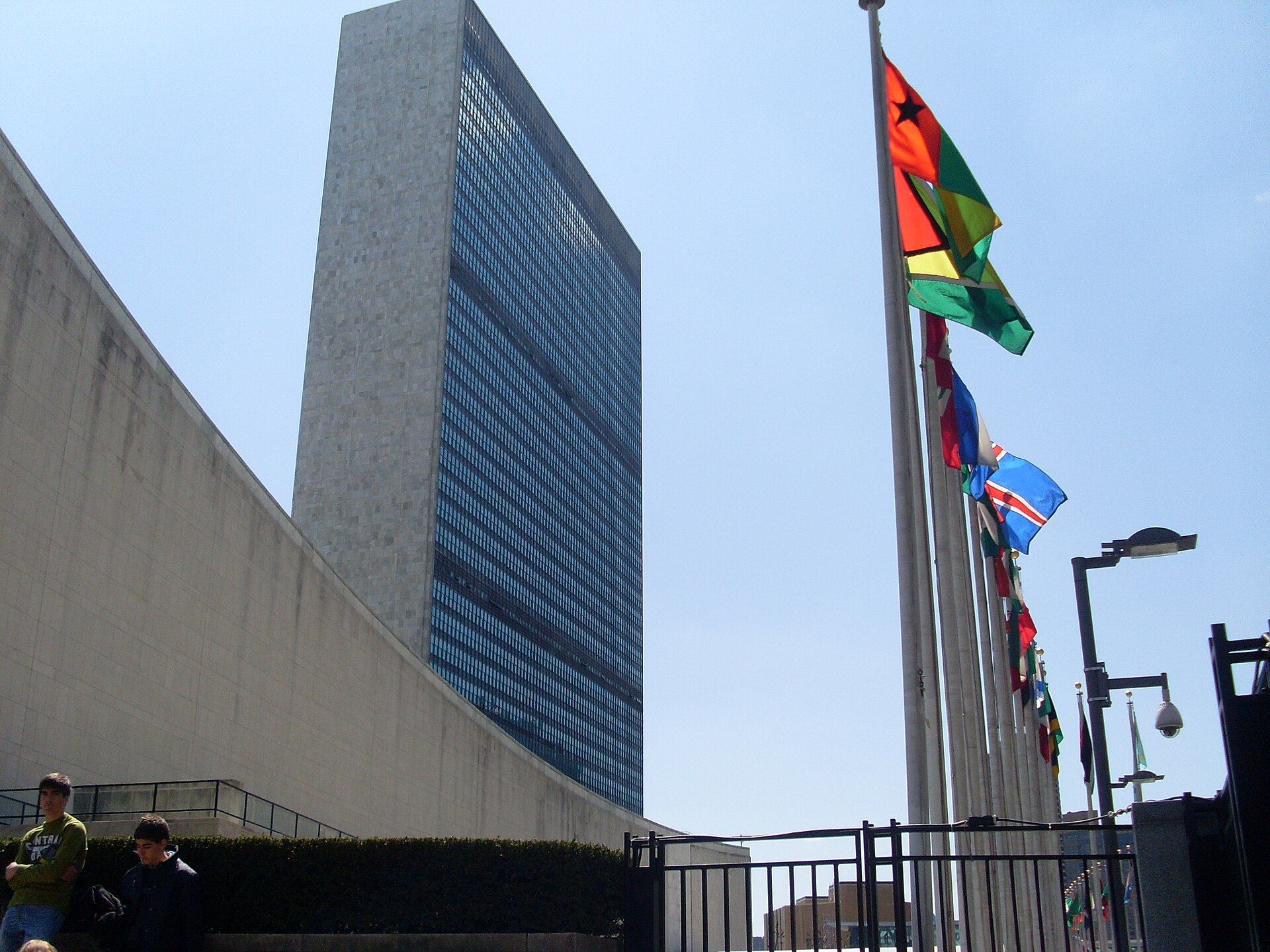
The General Assembly will debate the report, and the immediate tests are practical rather than rhetorical: whether Israel publishes a formal rebuttal (none had appeared at the time of the Associated Press report), whether any arms-supplying government announces a review citing the findings, and whether the 196-name ceasefire toll grows as the Yellow Line continues to move. The commission’s earlier reports — in September 2025 and June 2026 it likewise concluded genocide was being committed — were rejected by Israel and did not change battlefield behaviour, which is the honest base rate for expectations. What has changed, report by report, is the documentary record itself: dated cases, named places, and numbers — 53 to 60 percent, 6 to 254, 34,176 displaced — that future courts, and future historians, will not have to reconstruct from rubble.
Sources
UN Office of the High Commissioner for Human Rights, press release, October 26, 2026: “Israel has committed war crimes and crimes against humanity in the Occupied Palestinian Territory amid continuing genocide in Gaza, UN Commission of Inquiry finds” (ohchr.org). Associated Press, October 26, 2026: “UN-commissioned experts say Gaza ceasefire has not stopped Israel from committing genocide” (read via AP syndication). Both sources were read in full by the staging run; agreed facts only are reported above.