gaza ceasefire in name only
A year after the October 2025 agreement, humanitarian groups say civilian deaths, hunger, damaged hospitals and restrictions on rebuilding have turned a formal truce into prolonged limbo.
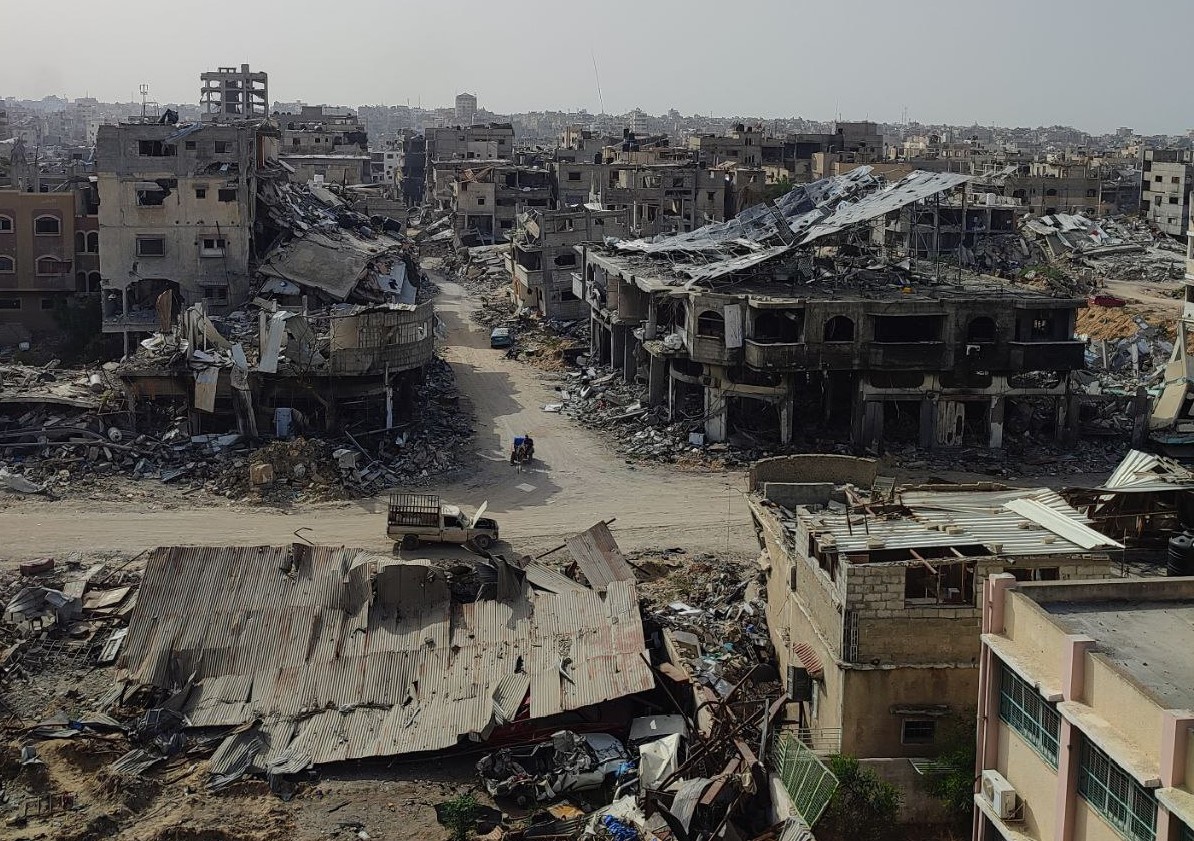
The Gaza ceasefire in name only is how more than 100 humanitarian, human-rights and civil-society organizations described the agreement on October 9, 2026, exactly one year after it was reached. The coalition—including Amnesty International, the Norwegian Refugee Council, Save the Children, Oxfam and Greenpeace—argued that the language of a ceasefire has outlived its practical protections for civilians.
Track it live: Israel war map and Gaza conflict updates.
The organizations' joint statement published by Oxfam says Israeli forces killed more than 1,400 Palestinians during the ceasefire year, including at least 327 children. It says nearly two million people still need shelter, no hospital is fully functioning and 1.4 million people face crisis-level hunger. Those figures are the coalition's findings, drawing in part on Gaza health authorities and humanitarian monitoring; Israeli officials have disputed casualty reporting from Gaza during the wider war.
Why this matters
A ceasefire is not merely a diplomatic label. Its value is measured in whether deaths fall toward zero, families can return, hospitals reopen and relief moves predictably. On those tests, the NGOs' numbers describe a gap between the agreement's name and conditions on the ground. The political risk is that governments can point to the existence of a ceasefire while civilians continue to absorb violence and deprivation at a lower, less visible rate.
The arithmetic is stark. More than 1,400 deaths across 365 days works out to at least 3.8 Palestinians killed per day. The 327 children represent about 23 percent of that total—nearly one child per day. Compared with the roughly 74,250 Palestinians reported killed since October 2023 by Gaza health authorities, the ceasefire-year toll is about 1.9 percent of the war-period total. That is a major reduction in the rate of killing, but it is not the same as civilian safety.
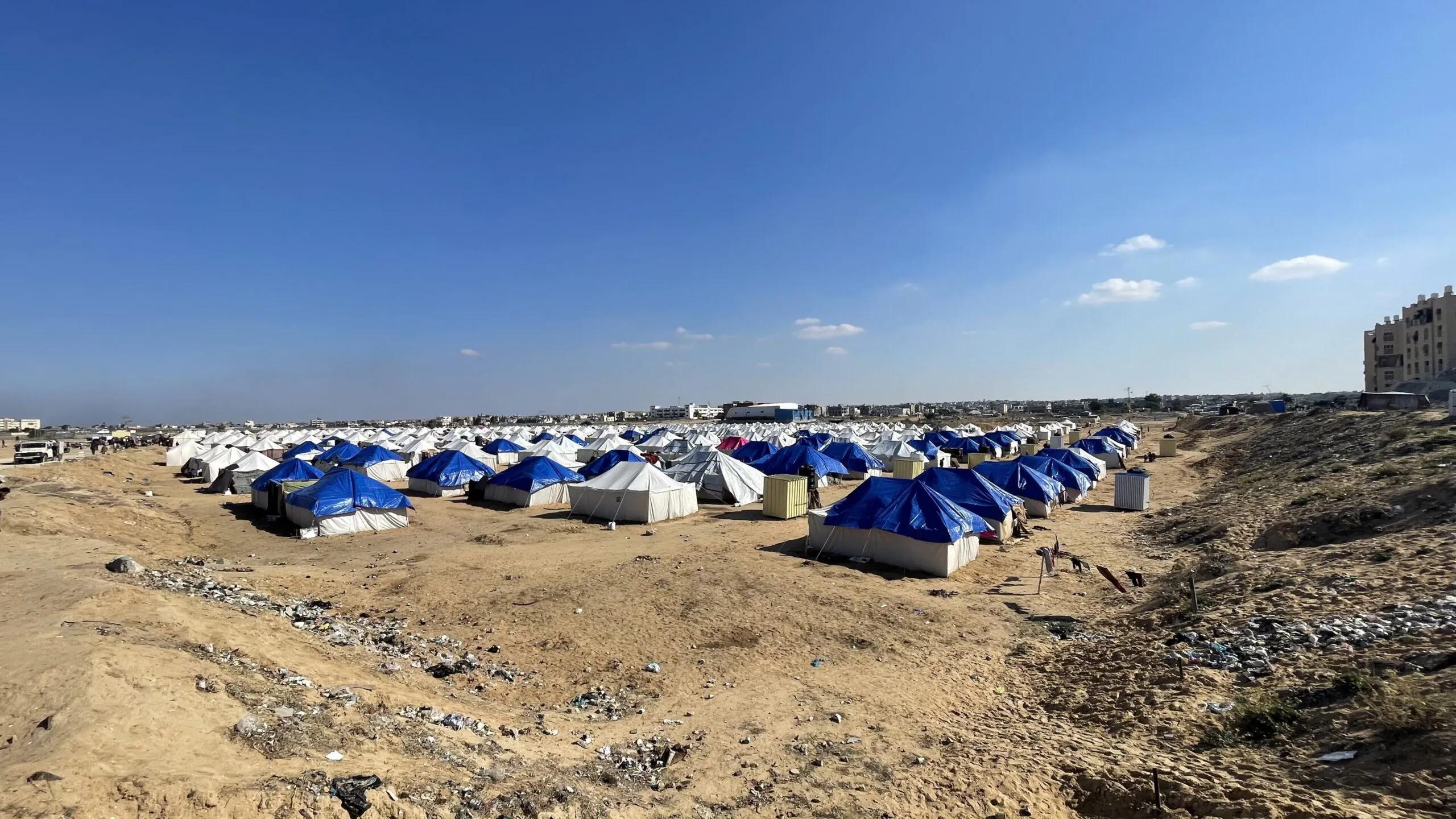
The shelter and hunger figures show a parallel problem. Nearly two million people needing shelter amounts to well over nine in ten residents when measured against Gaza's roughly 2.2 million prewar population. The 1.4 million facing crisis-level hunger equals about 70 percent of the shelter-needing count, though those are overlapping indicators rather than separate groups. In other words, reduced combat intensity has not produced a commensurate recovery.
What the NGOs say happened during the Gaza ceasefire year
The Amnesty Gaza statement of October 2026 and the wider coalition document several continuing barriers: restrictions on aid, heavy equipment and rebuilding materials; hospitals unable to restore full operations; and families unable to rebuild homes. The groups say bodies remain buried under rubble because machinery capable of reaching them is restricted.
Jan Egeland, secretary-general of the Norwegian Refugee Council, called it “utterly shameful” that so little had improved after a full year. Inger Ashing, chief executive of Save the Children International, said a ceasefire is meaningless if children are still being killed and families cannot rebuild. Mohsen Abu Ramadan of the Palestinian NGO Network urged governments to act against attacks and restrictions and asked donors to provide direct, flexible funding.
The Yellow Line in Gaza and the dispute over compliance
The coalition also alleges that the Israeli military moved the so-called Yellow Line in Gaza beyond the withdrawal line set in the agreement, compressing Palestinians into a smaller area. That claim goes to the central enforcement problem: a ceasefire can persist formally while the geography, access rules and security perimeter change materially.
Israel presents a different account. In recent statements about strikes on weapons-storage facilities, the Israeli military has said its operations target militant weapons infrastructure in accordance with the agreement and that it issues advance warnings to civilians. From that perspective, narrowly targeted operations are enforcement actions against armed groups, not abandonment of the ceasefire.
The NGOs counter that the agreement must be judged by civilian outcomes as well as the stated target of each operation. Casualty figures are especially contested: the NGOs and Gaza health authorities provide the totals cited in the statement, while Israel questions aspects of Gaza's reporting and stresses the difficulty of separating militants and civilians in aggregate counts. A careful reading therefore distinguishes between the verified existence of the joint statement, its documented claims and the parties' competing interpretations of compliance.
From the October 2025 ceasefire to a year of alleged violations
The October 2025 agreement was designed to stop major hostilities and open a path toward governance, reconstruction and security arrangements under the Gaza Board of Peace framework. Yet the hardest questions—disarmament, withdrawal lines, control of aid flows and who governs Gaza—were deferred rather than resolved. That ambiguity allowed both sides to remain nominally inside the framework while accusing the other of violations.
Signal Post News previously examined why the broader Gaza plan stalled after one year, including disputes over disarmament and withdrawal. We also detailed why Israel says it strikes Gaza despite the ceasefire and reported on Israel's operation against Hamas commander Yazji. Together, those episodes show how repeated exceptions can become the operating system of a supposedly exceptional truce.
Who benefits from the ceasefire narrative—and who loses
The ceasefire label gives mediators and governments a diplomatic achievement to defend. It lowers pressure for a new negotiation, allows regional partners to preserve ties and reassures markets that a full regional war is less likely. Israel can argue that it has shifted from broad warfare to limited enforcement; armed groups can claim the war has not forced complete capitulation.
The people who lose are those for whom a lower-intensity conflict still means death, displacement or dependence. Families waiting for shelter materials, hospitals operating without full capacity and aid agencies seeking predictable access experience the ceasefire not as a legal category but as a daily limit on survival. The NGOs' Gaza ceasefire statement is designed to make that gap politically costly.
Mediators face a credibility trap. Declaring failure could trigger renewed warfare; defending the status quo can make them complicit in indefinite limbo. The practical middle ground requires enforcement mechanisms strong enough to investigate incidents, publish findings and impose consequences without collapsing the agreement at every violation.
Is the Gaza ceasefire holding? Three paths from here
1. Formal collapse
If either party formally abandons the agreement, large-scale operations could resume, aid corridors would become more dangerous and regional diplomacy would shift from reconstruction to emergency containment. Civilians would face the most immediate cost, while Egypt, Qatar and other mediators would lose the framework through which they currently press both sides.
2. A renegotiated enforcement mechanism
A stronger arrangement could define the Yellow Line with independently monitored coordinates, require incident reporting, guarantee minimum aid and equipment flows, and establish consequences for violations. This is the only scenario that turns the ceasefire from a political description into a measurable security system, but it would require concessions on access and accountability that the parties have resisted.
3. Continued limbo
The most plausible near-term outcome is continued ambiguity: fewer deaths than during full-scale war, but persistent strikes, disputed boundary changes, restricted reconstruction and chronic humanitarian need. That preserves diplomatic calm while transferring the cost to civilians and aid agencies.
The bottom line
The question is not simply whether paperwork from October 2025 remains in force. It is whether the arrangement protects life and creates a route to recovery. The NGOs' October 9 statement supplies a damning answer; Israel's military says continued operations are limited, warned in advance and directed at militant infrastructure. The next test is whether mediators can convert those competing claims into enforceable rules. Without that, “ceasefire” risks describing a pause in the scale of war rather than an end to its consequences.