Russian attack Zaporizhzhia October 10
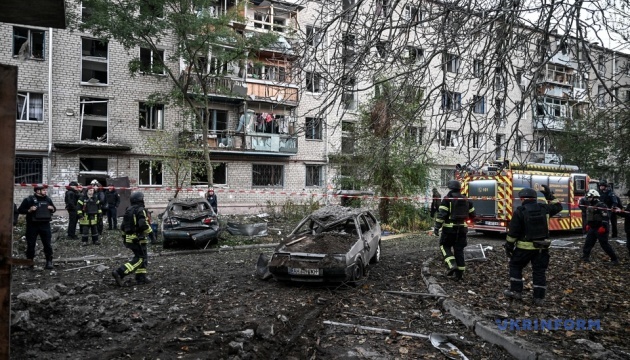
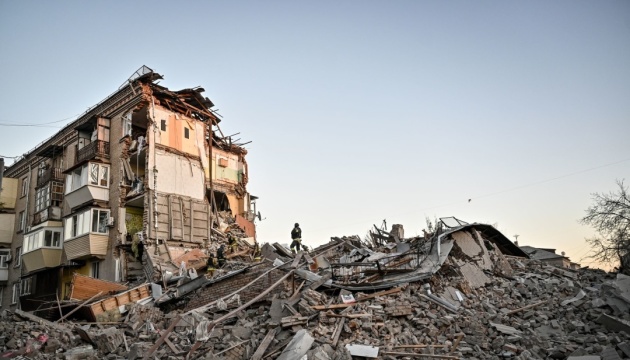
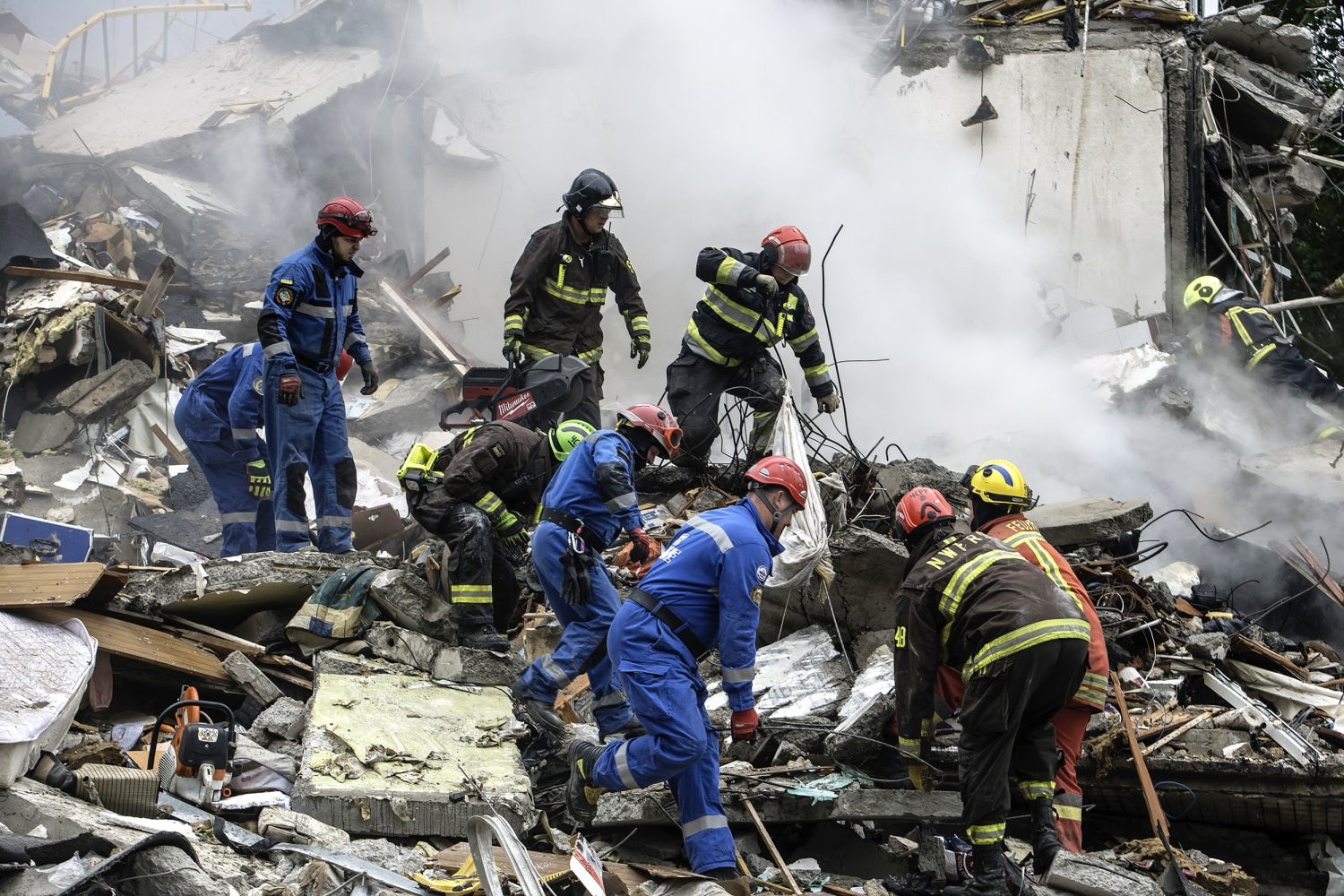
ZAPORIZHZHIA, Ukraine — The Russian attack Zaporizhzhia October 10 struck before dawn Saturday at several locations at once, killing seven people and wounding ten, regional governor Mykhailo Semikin said on Telegram in a statement reported by Reuters. Rescue crews were still searching the rubble when the first toll was released. That makes seven a floor, not necessarily a ceiling, and it makes every early figure provisional.
Track it live: follow the fighting as it develops on our live Ukraine war map.
What happened Saturday morning
Semikin's wording matters because it described a coordinated barrage rather than one weapon landing badly: several locations hit at once, with casualties reported across the city. He said seven people had been killed and ten wounded. Reuters attributed those numbers to the governor's Telegram account; they were not independently verified at publication, and the continuing rescue operation means they may change.
The attack followed another strike on the same city Friday morning. In that episode, authorities initially said one man was killed and five people were wounded, including a child; the reported injury count later rose to 23. Our coverage of Friday's Zaporizhzhia strike traces how the first emergency tally changed as hospitals and rescue services completed their accounting.
Russia had not commented on Saturday's strike as of publication. Moscow says it targets military and energy-related objectives, while Kyiv says Russian attacks repeatedly hit civilian areas. Ukraine also strikes targets inside Russia. Both governments deny deliberately targeting civilians. Those claims cannot be treated as proof of what happened at any individual site; for now, the defensible account is narrower: Ukrainian officials reported the casualties, and independent verification was not yet available.
Why this matters: three days, more than fifty dead
Saturday's deaths did not arrive in isolation. They close a three-day ledger that, on official accounts, has left more than fifty people dead in Russian aerial attacks. On October 7, a missile strike in Pryluky was reported to have killed 22 people, including five children; the wider diplomatic response and sanctions debate are detailed in our Pryluky strike analysis. On October 8, a guided bomb near buses in eastern Ukraine was reported to have killed 30; our Kramatorsk bus-strike report examines that account.
Then came Friday. Officials said six strikes hit Zaporizhzhia, killing one man and initially wounding five people, including a child. Separate attacks were reported to have killed one person in Ivano-Frankivsk and injured three people at warehouses in Bucha, where a woman was believed trapped. On Saturday, Zaporizhzhia was hit again.
Every figure in that ledger is reported, not independently verified here. Even with that discipline, the pattern is clear enough to matter: this is the deadliest stretch of Russian aerial attacks in months. President Volodymyr Zelenskyy has warned that Moscow could intensify daily attacks as winter approaches, aiming at energy infrastructure and the wider economy. The week's sequence gives that warning a timetable.
Who benefits, who loses
Russia's strategic logic is legible even where its operational intent at a particular building is not. Repeated attacks can pressure Ukraine's electricity grid and economy before winter, probe air-defense coverage, exhaust interceptors and add leverage around negotiations. A city forced to choose between protecting power infrastructure and shielding residential districts is a city whose defenses are being tested as a system.
The costs to Moscow are also real. Civilian deaths intensify condemnation and strengthen the political case for additional sanctions. The European Union's package of 1,646 listings is due for formal adoption October 12, and a week like this gives advocates of tougher measures their most powerful argument. Attacks also invite what Kyiv presents as symmetrical retaliation. Ukraine said it struck a second Yandex data centre in Kaluga on Friday; our report on the Kaluga strike examines the expanding target set inside Russia.
Ukraine bears the immediate civilian losses and infrastructure damage. Yet each attack can generate political capital with Western backers and a stronger justification for long-range strikes inside Russia. That is not a benefit for the families under the rubble; it is the cold conversion of suffering into diplomatic support. Civilians on both sides of the exchange lose, full stop.
President Donald Trump spent Friday claiming he deserved eight Nobel Peace Prizes for settling eight wars. Saturday morning's rubble in Zaporizhzhia is the counter-argument you can photograph: proclamations of peace have not yet interrupted the machinery that determines whether Ukrainians wake to electricity, negotiation or another rescue search.
What the numbers actually imply
Four consecutive days of lethal strikes mark a shift from the more sporadic tempo reported in early fall. The reported tolls — 22 in Pryluky, 30 near the eastern buses, deaths in Zaporizhzhia and Ivano-Frankivsk, then seven more in Zaporizhzhia — are not simply a stack of discrete tragedies. They describe continuity: weapons arriving daily, emergency services moving from one search to the next, and public attention never receiving a pause long enough to reset.
Zaporizhzhia itself has become a routine target rather than an occasional one. Officials reported multi-day attacks from June 2 through June 6, then strikes on October 9 and again on October 10. Repetition changes the civic calculation. Air-raid alerts, school schedules, hospital capacity and repair crews are no longer contingency systems; they become the operating system of the city.
The two deadliest single incidents in this run were reportedly Pryluky and the bus strike. But the pattern, not any one impact, is the story. A campaign that alternates residential areas, transport, warehouses, data infrastructure and power assets forces defenders to spread scarce protection. All numbers remain claims from officials unless and until independently confirmed, and the status of rescue searches means some totals may rise.
What happens next: three scenarios
1. A winter grid campaign
Russia doubles down on energy infrastructure as temperatures fall, combining strikes on generation and transmission with attacks that complicate repairs. This is Zelenskyy's stated fear. The strategic wager would be that economic strain, darkness and displacement weaken Ukraine faster than outside support can replace damaged equipment.
2. Talks continue under fire
The six-hour Miami peace talks produced what participants called a unified plan among the United States, Ukraine and European partners. The plan still has to survive contact with Moscow's terms. Escalation has historically hardened positions at the table: each side arrives with fresh casualties to avenge and fresh leverage it does not want to surrender.
3. Ukrainian retaliation deepens
The Kaluga Yandex strikes demonstrate Kyiv's reach and its willingness to hit infrastructure well inside Russia. More such attacks are likely if Ukraine concludes that imposing reciprocal economic costs is the only available deterrent. Russia can answer in kind. That is the spiral: deeper reach produces broader target lists, and broader lists create more reasons for the next strike.
The next few days will show whether Saturday's barrage was the crest of an exceptionally bloody week or the opening pace of the winter campaign Zelenskyy fears. Watch the rescue tally, the target mix and the response from Moscow. Those three signals will say more than any claim of momentum: whether the war is narrowing toward talks or widening around them.