War / Ukraine
Kyiv's count is an estimate, not a verified toll — but the trend it describes, three straight months of steepening losses driven overwhelmingly by drones, is the story of where this war is going.
Track it live: Ukraine war map — live tracker
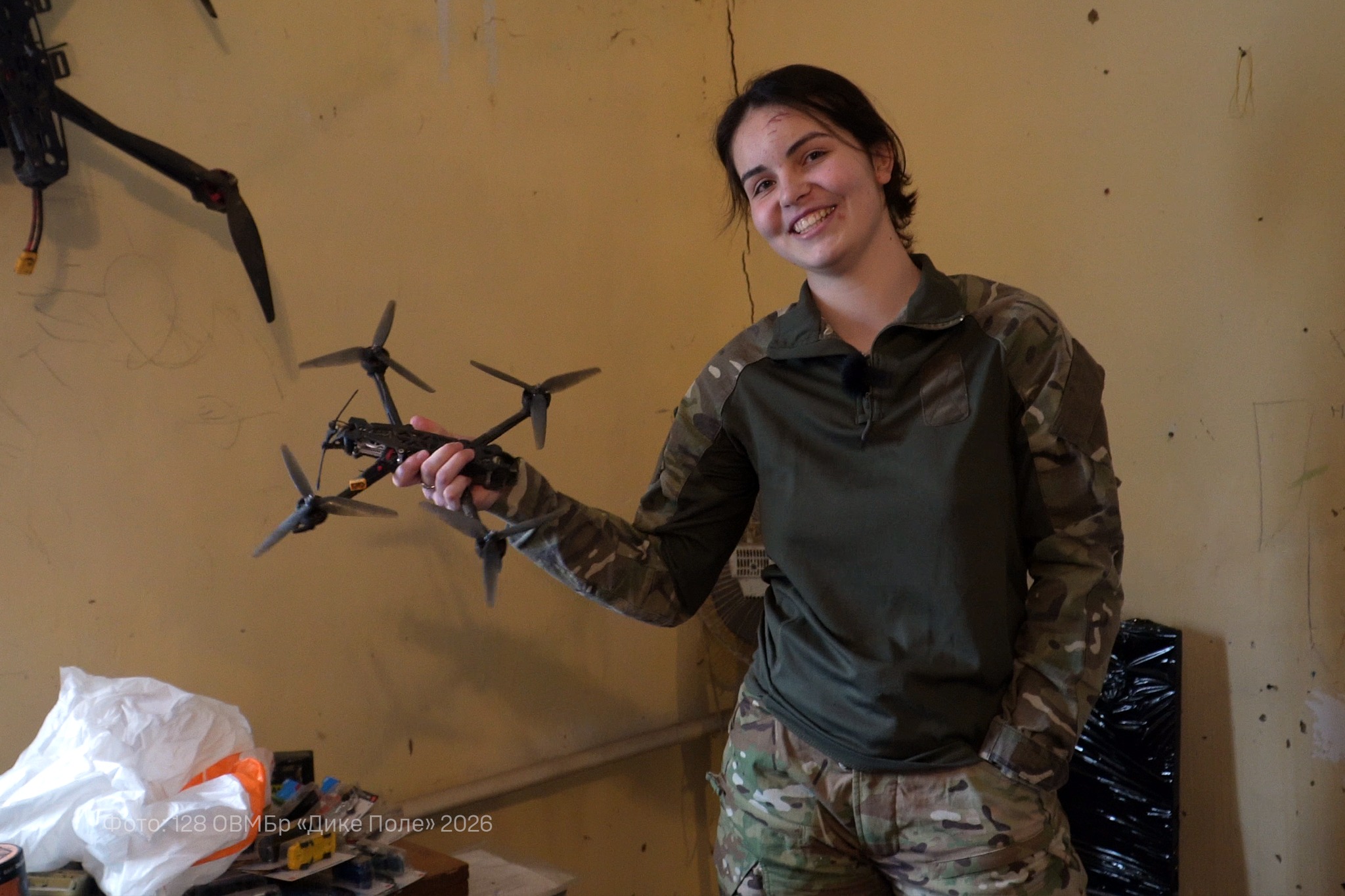
KYIV, October 31, 2026 — Ukraine's military said on Saturday that Russian casualties in October reached 49,040 killed and wounded — the highest monthly figure Kyiv has reported since Russia's full-scale invasion began in February 2022 — as the drone war that now dominates the front line inflicted losses Ukraine says exceed Moscow's ability to replace them. The figure was announced by Robert Brovdi, commander of Ukraine's Unmanned Systems Forces, and reported by Al Jazeera and Shafaq News. It is a Ukrainian General Staff estimate, not an independently verified toll, and it is presented that way throughout this report.
What Kyiv reported
Brovdi — known by his call sign “Madyar” — announced the 49,040 figure on Saturday, describing the month's fighting, in Al Jazeera's reporting, as a “massive industrial slaughter.” The tally was reached in the final days of October, with days still left in the month, and it works out to an average of roughly 1,750 Russian casualties a day, according to the General Staff figures compiled by Euromaidan Press. Ukraine's military says each strike behind the tally is documented on video.
The trajectory behind the record is steep. By the General Staff's own monthly counts, Russian casualties were 26,090 in February 2026, climbed to 46,230 in September — itself a record for this year, as Signal Post News reported in its coverage of September's losses — and then jumped again to 49,040 in October. Ukrinform reported the cumulative General Staff tally at about 1,584,910 Russian casualties since February 2022, as of October 29. The October figure also comes close to a pace President Volodymyr Zelenskyy set publicly in January: at least 50,000 Russian casualties a month by the end of 2026. On Kyiv's numbers, that pace has effectively arrived two months early.
What the number is — and is not
The 49,040 figure is an estimate of Russian personnel killed and wounded — “dead and incapacitated,” in the General Staff's framing — combined into a single number. It is not a verified death toll, and no reader should take it as one. Al Jazeera stated plainly that it cannot independently verify either side's casualty estimates, and that caution applies here in full: the figures have not been independently verified by Signal Post News or by any neutral body.
Russia does not publish a comparable monthly casualty figure, and Moscow has repeatedly rejected Kyiv's counts. Two different “previous records” also sit behind this month's number, and both frames are needed to read it accurately: September's 46,230 was the highest month of 2026 until now, while December 2024's 48,670 was the previous all-war monthly peak. October's 49,040, on Kyiv's accounting, exceeds both. Ukrainian reporting has also suggested that the balance within the combined figure has shifted during 2026, with killed now exceeding wounded in some Ukrainian accounts — a claim attributed here to Ukrainian sources and, like the headline figure itself, not independently verified.
Why this matters
The significance of the number is arithmetic, and the arithmetic only cuts one way if the trend is real. Attrition is a race between losses and replacements: if Russian casualties run at roughly 49,000 a month and rising, while recruitment and redeployment replace fewer than that, then Russia's offensive capacity erodes even on the days its forces gain ground. Ukraine's General Staff says losses now exceed the reinforcements Moscow can deploy to the front — the central claim inside Brovdi's announcement, attributed to Kyiv, and the one that would matter most if sustained.
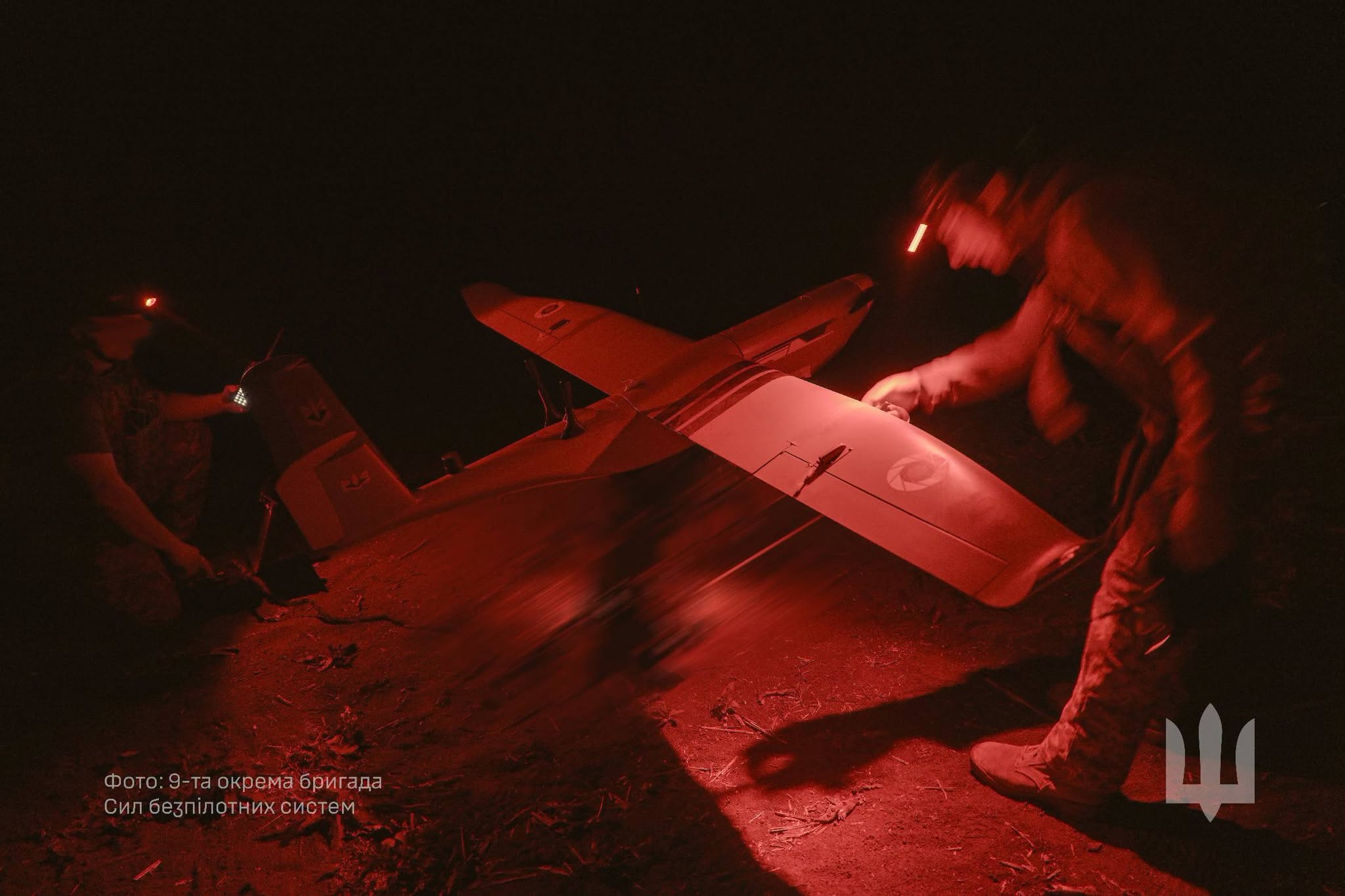
Drones are what changed the equation. Ukraine's military says aerial drones account for most Russian casualties, and the economics are brutally asymmetric: a first-person-view drone costing on the order of a thousand dollars can kill or disable a trained soldier whose replacement takes months to recruit and prepare. Brovdi has previously put the cost of the drone campaign per Russian soldier taken out of the fight in the hundreds of dollars. That is an industrial model of attrition — casualties produced at factory pace, limited less by the supply of pilots than by the supply of airframes, batteries and explosives — and it is why a monthly casualty record can be set in a war whose front lines barely move.
The record also lands in the middle of two other escalations. Russia is pressing its winter campaign against Ukraine's energy system — the strikes that this week alone left hundreds of thousands without power and killed civilians in daylight attacks on Dnipro and Chernihiv — while Ukraine has resumed its own attrition war against Russian revenue and production, ending its refinery pause at Novokuybyshevsk. Each side is trying to make the other's war unsustainable first. And the numbers will sit in the background of the trilateral talks expected in Abu Dhabi in November: a casualty curve still rising is, for Kyiv, an argument that time is not on Moscow's side; for Moscow, Kyiv's figures are propaganda it does not accept. Both arguments will be in the room whether or not the numbers are.
Context: how the casualty curve bent upward in 2026
October's figure was not a spike out of nowhere. The General Staff's monthly counts began the year at 26,090 in February and climbed through the spring and summer as Ukraine expanded its drone grid along the front — layered FPV strike zones, reconnaissance drones cueing artillery and loitering munitions, and unmanned systems reorganised into a separate branch of the armed forces, the Unmanned Systems Forces, under Brovdi, the founder of the “Madyar's Birds” drone unit, appointed to command the branch in 2025. September's 46,230 set the 2026 record; October broke it, and broke the December 2024 all-war peak of 48,670 with it.
Monthly-loss records are a grim marker in the history of attrition warfare. The industrialised killing of the First World War and the Iran-Iraq war was measured in the same units — men consumed per month by machines and firepower rather than by manoeuvre — and Ukraine's drone war is producing its record by a recognisably similar logic, at a very different technological level: not massed artillery alone, but cheap, mass-produced aircraft hunting individual soldiers. The comparison is one of mechanism, not equivalence, but it explains why a static front can still produce accelerating losses.
Multiple angles: whose number, whose silence
Kyiv has clear incentives to publish high figures, and they should be named. A rising Russian casualty count sustains domestic morale, supports Ukraine's case to partners for continued weapons and funding — a case under strain as Ukraine's air-defence interceptors run short, a shortage this newsroom has covered in Ukraine's Patriot missile crisis — and strengthens its hand ahead of talks. None of that makes the figures false; it means they are published by a belligerent, for reasons, and read accordingly.
Moscow's position is silence paired with counter-claims. Russia publishes no regular casualty accounting of its own forces and dismisses Kyiv's tallies, while Russian officials issue their own claims about Ukrainian losses — claims presented here as claims, subject to exactly the same verification problem in the opposite direction. Western analysts, for their part, generally treat the General Staff's running totals as estimates: useful for direction and trend, not as audited counts, and often higher than independent assessments of Russian losses.
Underneath all three readings sits the human scale the monthly figure flattens. An average of about 1,750 casualties a day is a steady, daily catastrophe measured in individuals — the equivalent, every few minutes, of a crowded railway platform of men killed or wounded. That is true whatever discount a reader applies to Kyiv's counting, and it is the reason the trend, even as an estimate, is the story.
What happens next
First, the month has not closed: if the daily rate Kyiv reports held through October 31, the final October total will exceed 49,040, and the General Staff's closing figure will be the one that enters the record. Second, November becomes the test of Zelenskyy's 50,000-a-month pace — whether the drone campaign can sustain or pass it as winter weather closes in and both sides race to expand drone production. Third, watch Russia's recruitment response: contract sign-up drives, bonuses and any shift in who is sent to the front will signal whether Moscow's replenishment is keeping pace in fact, whatever either capital says. Finally, the attrition arithmetic runs straight into diplomacy: the expected Abu Dhabi trilateral window in November will test whether a rising loss curve makes Moscow more willing to settle, or Ukraine more determined to wait. The number itself is Kyiv's. The trend it describes is now the central fact of the war's winter.
Related coverage: Russian Casualties September 2026: Record 46,230, Ukraine's Deadliest Month · Ukraine Hits Novokuybyshevsk Refinery, Ending Its Refinery Pause and Defying Trump · Ukraine Runs Out of Patriot Missile Interceptors
Sources
- Al Jazeera (October 31, 2026) — Ukraine's military says Russian casualties reached 49,040 in October, a new monthly record; Brovdi's “massive industrial slaughter” characterisation; the note that neither side's estimates can be independently verified; drones account for most casualties.
- Shafaq News (October 31, 2026) — the same 49,040 figure announced by Brovdi on Saturday; September's 46,230 as the previous high; losses exceeding the reinforcements Moscow could deploy.
- Euromaidan Press (October 29–30, 2026) — General Staff trajectory data: February 2026 at 26,090, September at 46,230, October at 49,040; the December 2024 all-war peak of 48,670; the average of about 1,750 casualties a day.
- Ukrinform, via Dagens (October 29–30, 2026) — the cumulative General Staff tally of about 1,584,910 Russian casualties as of October 29, and the General Staff position that losses exceed Russia's replenishment ability.
- General Staff of the Armed Forces of Ukraine and Unmanned Systems Forces commander Robert Brovdi (October 31, 2026) — the primary source of every casualty figure in this article. All figures are Ukrainian estimates of killed and wounded combined; they are not independently verified, and Russia publishes no comparable figure and rejects Kyiv's counts.