Ukraine strikes Russian missile plant
Ukraine strikes Russian missile plantAzov Optical-Mechanical Plant strikeNeptune cruise missile strike RussiaUkraine Ruta Palianytsia Bars dronesRussian missile components factory hitTactical Missiles Corporation Azov plantUkraine deep strike Rostov September 2026SBU Alpha Neptune missile operationUkraine defense industry strikes RussiaRussian missile seeker factory damage
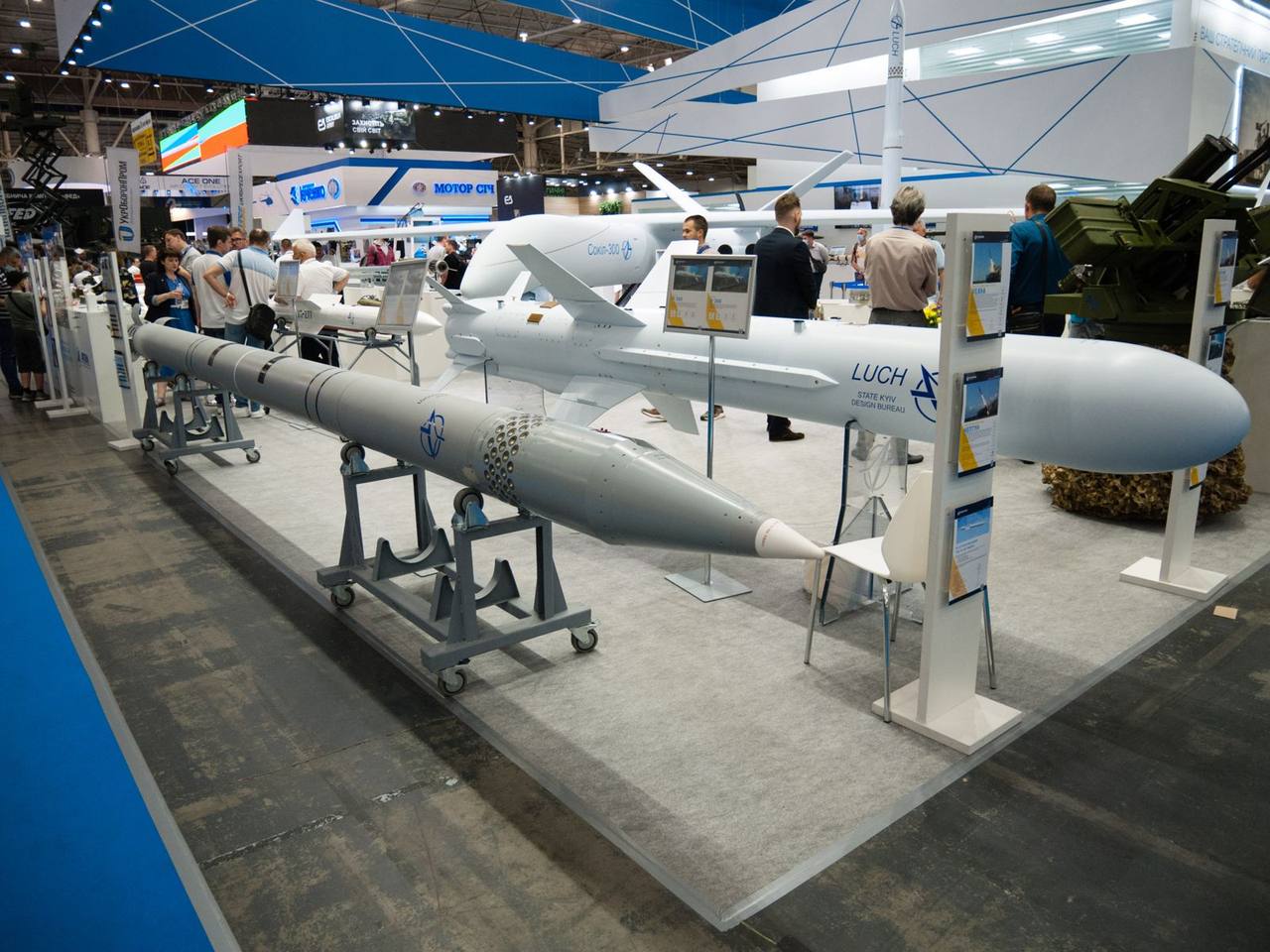
Ukraine strikes Russian missile plant: overnight on September 26, Ukrainian forces hit the Azov Optical-Mechanical Plant in Russia’s Rostov region with domestically built Neptune cruise missiles and a wave of jet-powered drone-missiles, setting the plant’s foundry ablaze and damaging five production buildings, according to Ukraine’s General Staff and Security Service. President Volodymyr Zelenskyy publicly acknowledged the operation. The target was no accident. The plant belongs to Russia’s state-owned Tactical Missiles Corporation and manufactures the seeker heads, thermal imagers, and guidance electronics that go inside Russia’s precision missiles, artillery shells, and anti-tank weapons.
What happened
The operation was carried out by the Security Service of Ukraine’s Alpha Special Operations Center together with the Ukrainian Navy, the SBU said — a joint profile that paired conventional cruise missiles with cheaper, harder-to-stop jet drones. The Neptune is Ukraine’s own R-360 cruise missile, adapted from its original anti-ship role into a land-attack weapon; the accompanying wave comprised Ruta, Palianytsia, and Bars jet-powered drone-missiles, designed to saturate and overwhelm layered air defenses.
The preliminary damage picture comes from Kyiv and from the sky. The SBU reported damage to the optical and foundry production facilities, an assembly area, an electroplating workshop, and a printed circuit board workshop, plus a hit on rail tank cars loaded with fuel and lubricants in Azov. The General Staff confirmed a fire at the foundry and equipment damage in five production buildings. Satellite imagery published afterward by the OSINT project “Absolutely Reliable Source” backs up the outline: Foundry Shop No. 022 burned with two buildings badly damaged; Optics Manufacturing Shop No. 008 was hit twice; Assembly Shop No. 009 took at least three strikes; Electroplating Shop No. 010 recorded one; and the Machining Shop’s roof collapsed under two strikes, with the neighboring frame-stamping shop damaged too.
The SBU also reported knocking out a Pantsir-S2 air-defense system near the plant — the kind of short-range shield meant to stop exactly this sort of attack — and Zelenskyy added that Ukrainian long-range strikes hit unspecified targets in the Black Sea the same night. As of this writing, Russian authorities have not publicly commented on the Azov strike, and the extent of the damage could not be independently verified. That caveat matters, and it will keep mattering as the claims settle.
Why this matters: blinding the missiles
Every guided missile needs eyes — a seeker in its nose that uses radar or heat to find its target, and guidance electronics that steer it there. Destroy the factory that makes the eyes, and you slow down every missile that needs them. That is the logic of the Azov strike, and it marks a shift in Ukraine’s deep-strike campaign worth taking seriously.
For most of the past year, Ukraine’s long-range attacks inside Russia have aimed at fuel: oil refineries and depots, the revenue and logistics that keep the Russian war machine moving. The Azov plant is something different — a node in the weapons pipeline itself. Tactical Missiles Corporation is Russia’s largest manufacturer of guided weapons, and the Azov facility, per Ukraine’s military intelligence, produces radar and infrared homing heads for guided missiles, thermal imaging equipment, and electronic systems for high-precision artillery. Ukrainian reporting ties the plant to multiple Russian missile programs. Even a temporary halt at a seeker-head factory ripples forward months: missiles already built are unaffected, but every missile Russia wants to build next quarter needs components that now have to come from somewhere else.
This is the precision war turned on its maker. Russia has spent three years firing thousands of cruise and ballistic missiles at Ukrainian cities; Ukraine’s answer, increasingly, is to reach behind the launchers and break the factories that make them. It is a slower form of air defense — measured in production schedules rather than interceptions — but it compounds.
A homemade arsenal: how Ukraine got here
The Neptune is the through-line of Ukraine’s wartime weapons story. Built by the Luch Design Bureau as an anti-ship missile, it sank the Russian Black Sea Fleet flagship Moskva in April 2022 — the single most famous Ukrainian strike of the war. Since then, Ukrainian engineers have converted it into a land-attack cruise missile with a reported reach of 400 to 620 miles, with Zelenskyy last year describing an enhanced version capable of striking 1,000 kilometers away.

The drone-missiles are the newer, cheaper half of the arsenal. Palianytsia (reported range around 400 miles), Ruta (over 280 miles, with guidance said to resist jamming), and Bars (435 to 500 miles, carrying a 110-to-220-pound warhead) are hybrids — winged, jet-powered, and far cheaper than a cruise missile — built for exactly the kind of saturating wave that preceded the Neptunes over Azov. The point, as one Ukrainian commander put it this month, is that Ukraine is now fighting deeper into Russia with weapons it builds itself.
That independence is strategic, not just symbolic. September brought a flurry of long-range results: the Ilsky refinery in Krasnodar Krai — processing about 6.6 million tons of oil a year — was hit the same night as Azov, with three primary-processing units accounting for 99 percent of its primary capacity damaged and the facility halting production; the Perm refinery ceased operations after a September 25 drone attack, with Reuters reporting fires, damaged pipelines, storage tanks, and processing units. And Ukraine’s General Staff says its forces destroyed 76 Russian air-defense assets in September alone — a monthly record. The Azov strike fits the pattern: fuel first, then the air defenses that guard the targets, then the weapons factories themselves. Note, too, that the Azov plant was reportedly struck before, on July 10 — this is a return visit, not a first probe, which suggests Ukrainian planners consider the target unfinished business.
Who wins, who loses — and what the skeptics say
Start with the winners. Ukraine wins twice: tactically, by degrading a bottleneck in Russian missile production, and strategically, by demonstrating — to Moscow, to Washington, and to European capitals — that its domestic strike complex can reach 125 miles behind the front with weapons no ally had to approve. That demonstration has diplomatic value at a moment when Zelenskyy is pressing allies for sanctions enforcement and long-range support: the message is that Kyiv can impose costs on its own schedule, with or without permission.
The losers are, first, the Russian defense-industrial timetable — every week a seeker-head line sits idle is a week of missiles not built — and second, the assumption in Moscow that air defenses can seal the rear. A Pantsir-S2 destroyed beside the plant it was guarding is its own argument. Third, and less visibly, are the intermediaries in Russia’s sanctions-evasion supply chains: if domestic production of guidance components falters, Russia leans harder on imported electronics, and every imported chip is a sanctions-enforcement target.
The skeptics have a real case, and it should be stated plainly. All damage claims so far come from Ukrainian sources; Russia’s silence is not confirmation, and Kyiv has a track record of announcing maximal damage that later imagery only partly supports. Satellite photos confirm hits on buildings, not the destruction of irreplaceable machinery — a roof can collapse over equipment that survives. Seeker heads, moreover, are small and stockpilable; Russia may have months of inventory. And the strike does nothing for the cities under bombardment tonight: this is a bet on the war’s second half, not a shield for its present. Balanced against that, the trend line is what it is — refineries halted, air defenses thinned, and now a missile factory burning, all in one week, all with Ukrainian-built weapons.
The numbers
A few figures put the strike in context. The Azov plant sits roughly 125 miles from the front line and about 250 miles from the nearest Ukrainian launch areas — well within the envelope of the adapted Neptune and the new drone-missiles. Five workshops were hit, per both Ukrainian statements and satellite imagery. The same night’s Ilsky refinery strike damaged three primary units representing 99 percent of that facility’s primary processing capacity; the refinery handles some 6.6 million tons of crude a year. September’s tally of 76 destroyed Russian air-defense assets is the highest monthly total of the full-scale war, per Ukraine’s General Staff — up from the previous record of 73 in July 2023, with total claimed losses in the category reaching 1,673 systems. And on the production side: the new land-attack Neptune’s reported 1,000-kilometer reach would put targets deep in western Russia within range, a capability Ukraine did not possess at the war’s start. Numbers don’t confirm intentions, but they confirm a campaign — and this campaign is accelerating.
What happens next
Three things to watch. First, repetition: the plant was hit in July and again now, which suggests it sits on a standing target list. A third strike would tell you Ukraine judges the damage insufficient — and that Russian air defenses around Rostov remain porous.
Second, the production signal. The real test of the Azov strike isn’t this week’s headlines but next quarter’s Russian missile output: fewer new-build cruise missiles in Russian strike packages, longer gaps between mass attacks, or a shift toward cheaper, less precise weapons would all be consistent with a seeker-head bottleneck biting. Watch also for Russian efforts to surge imported electronics — the sanctions-evasion story is the shadow twin of this one.
Third, the escalation geometry. Ukraine’s deep-strike tempo is now hitting energy, air defense, and weapons production in the same week — each step further into what Moscow once treated as sanctuary. Russia’s response so far has been more of the same: mass drone and missile strikes on Ukrainian cities, including a claimed wave against Kyiv data centers, Odesa logistics hubs, and a cargo vessel this weekend. The risk is not a single dramatic retaliation but the steady normalization of a wider war — both sides striking deeper, both claiming the strikes are defensive, and the space for anything resembling restraint narrowing with every 125-mile flight.
Sources
- Ukraine’s General Staff (September 26, 2026 statement, via europesays): europesays.com
- SBU / Alpha Special Operations Center and Ukrainian Navy (September 26, via europesays): europesays.com
- UNITED24 Media (September 26): europesays.com
- OSINT satellite imagery analysis (“Absolutely Reliable Source,” September 27): europesays.com
- Military Sentinel, “Ukraine’s Neptune Missiles Strike Russian Plant Supplying Missile and Artillery Components” (September 26): militarysentinel.com
- Transform Ukraine, war updates (September 27): transformukraine.org
- Meanwhile in Ukraine, “Top News Today — September 26, 2026”: patreon.com
Damage claims are drawn from Ukrainian official statements and OSINT satellite imagery; Russian authorities have not publicly commented on the strike, and the extent of the damage could not be independently verified. This article reports verified facts and clearly labeled analysis.