War — All four of Moscow’s international airports — Sheremetyevo, Domodedovo, Vnukovo and Zhukovsky — suspended arrivals and departures on Friday, October 23, 2026, as Ukrainian drones approached the Russian capital again, in what Deutsche Welle describes as a near-daily pattern through October under a campaign President Volodymyr Zelenskyy announced in September to make Russian airspace unsafe.
Track it live: Ukraine war map, live — Signal Post News tracker · Live war tracker — Signal Post News
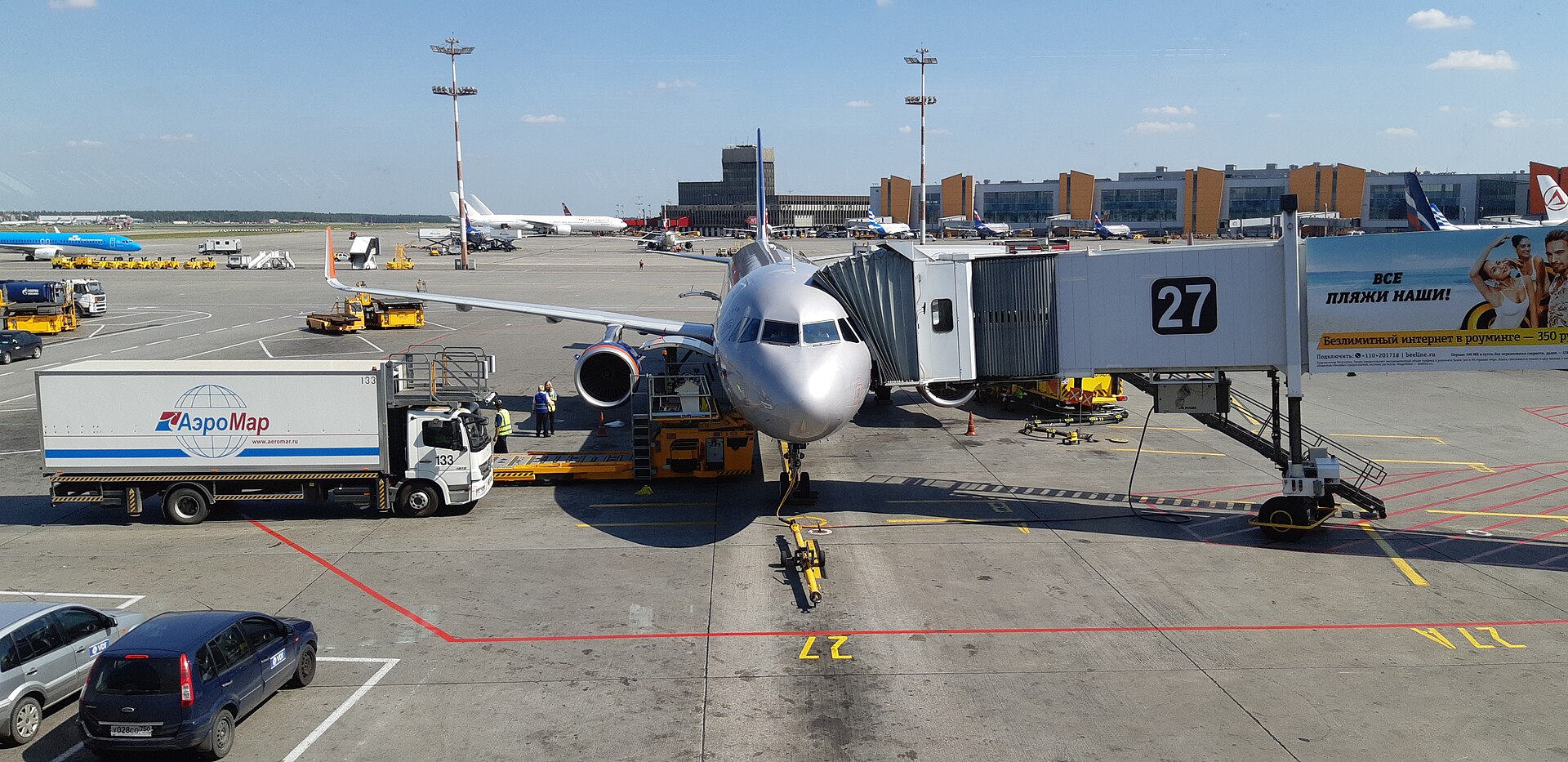
The Moscow airports shut down drones story is no longer a single incident, and Friday showed why. Russia’s Federal Air Transport Agency, Rosaviatsiya, imposed temporary restrictions on arrivals and departures at Sheremetyevo, Domodedovo, Vnukovo and Zhukovsky from about 2:05 p.m. Moscow time, saying the measures were necessary to ensure flight safety, the Kyiv Independent reported. Moscow Mayor Sergei Sobyanin said air defences had shot down 17 drones heading toward the capital during the afternoon. Sheremetyevo, the country’s largest airport, sounded an air-raid alert and moved passengers to safe areas, and photos later circulated on social media purporting to show drone debris on its tarmac — images the Kyiv Independent said it could not independently verify. Restrictions were lifted after several hours, then imposed again in the evening as a renewed drone threat was reported, according to Russian aviation statements summarised by regional reporting. No casualties from Friday’s Moscow attack were reported by either side.
The disruption was measured in hundreds of flights. More than 340 flights across Moscow’s airport system were delayed or cancelled during the day, Ukrinform reported, citing The Moscow Times, while flight-tracking data cited by the Kyiv Independent counted 85 cancellations and 229 delays at Sheremetyevo alone. Inbound aircraft were diverted to St. Petersburg’s Pulkovo airport, which received 25 Moscow-bound flights, to Nizhny Novgorod and to Kazan, and Aeroflot and Rossiya announced schedule changes. A reported evacuation at the IQ-Quarter tower in the Moscow City business district, which houses several government ministries, was later described by emergency services, via the state news agency TASS, as a false alarm. Ukrainian officials also faced reports — carried by the Kyiv Independent from open-source analysis and not independently verified — that a semiconductor plant in the city of Oryol, southwest of Moscow, had been struck during the same wave.
What happened on Friday, in sequence
Monitoring channels began detecting drones and air-defence activity on the approaches to Moscow at around 1:00 p.m. local time, with drone alerts issued in districts including Reutov, Balashikha and Lyubertsy in the Moscow region, Ukrinform reported. Sobyanin’s count of drones destroyed on approach rose through the afternoon to 17; a separate Moscow Times summary put the figure at 21 over a two-hour period, and a later Russian summary put the day’s total at 11 — figures Signal Post News presents as the conflicting official and semi-official counts they are, published at different points in a moving event, rather than as a settled tally. What is not in dispute, because Rosaviatsiya, the four airports, the airlines and the flight trackers all recorded it, is the operational fact: Moscow’s entire civil airport system stopped, restarted, and stopped again in a single day.
Why this matters: a tactic that has become a system
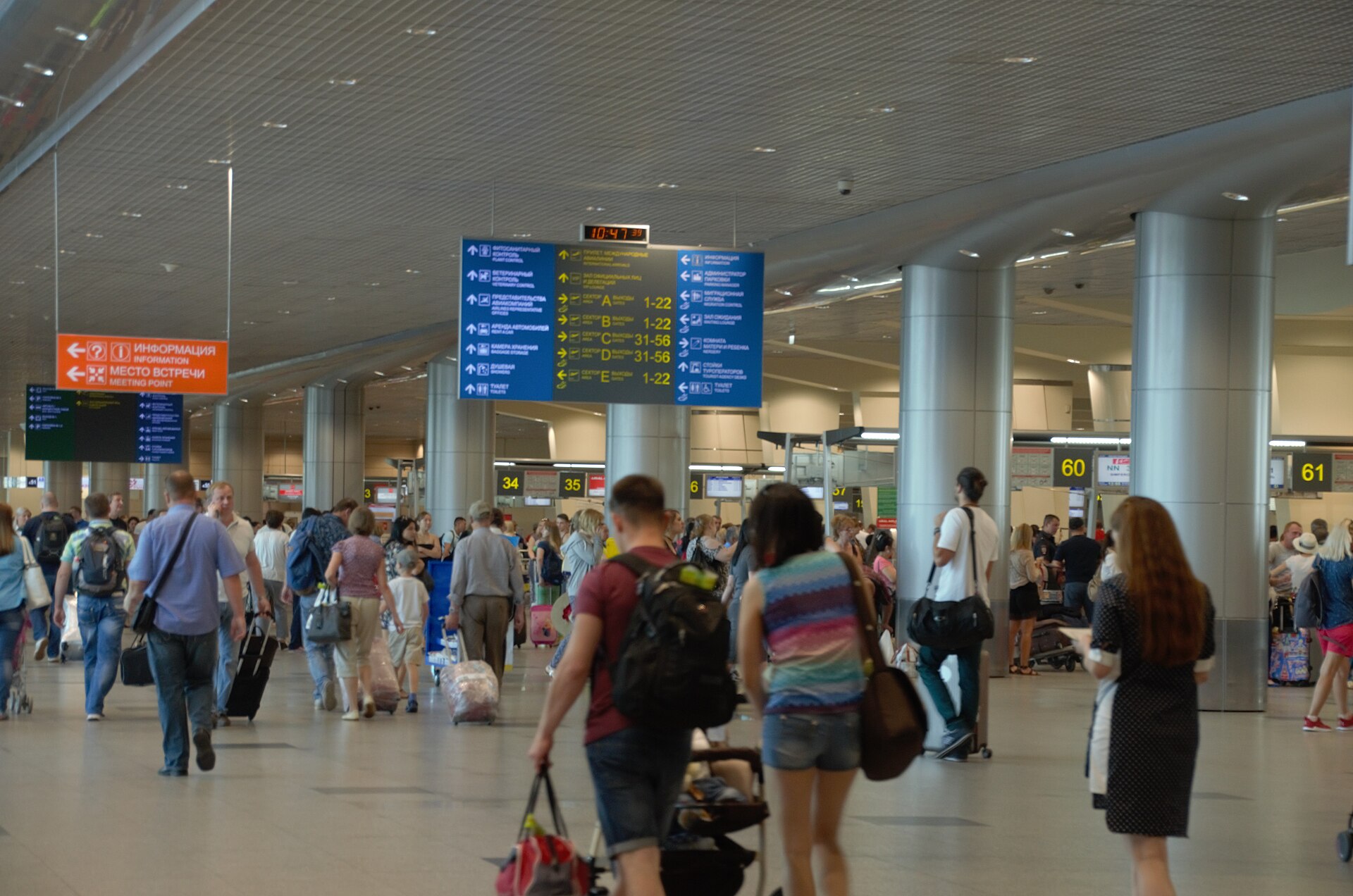
The significance of Friday is not the drone count. It is the routine. Deutsche Welle reported on Friday that Moscow’s four airports have had to shut down operations almost daily in October, citing the independent Russian investigative outlet Agentstvo, and that on some days the closures have lasted up to nine hours. A closure that happens once is an incident; a closure that happens almost every day is a condition — for airlines scheduling crews and aircraft, for insurers pricing Russian airspace, for connecting passengers, and for a capital city whose government ministries were, briefly on Friday, reported evacuated from their tower. Ukraine is not able to close Moscow’s skies permanently, and it has not claimed to have done so. What the pattern shows is that Kyiv can now impose that closure, at times of its choosing, at a cost per attempt far below the cost of the disruption imposed in return.
The stated Ukrainian aim, in Zelenskyy’s own words
This is not an improvised tactic. In early September, President Zelenskyy announced that Ukraine would seek to cut off the airspace around Moscow and other Russian destinations, Deutsche Welle reported. “Today, we would like to warn every airline that uses Russian airspace, every insurer, and everyone who continues to use major Russian airports: Russian airspace will become completely unsafe,” Zelenskyy said. Read against October’s record, the warning was a programme, not a flourish: the audience named in it — airlines and insurers, not generals — is the audience Friday’s closures actually reach. Every “carpet plan” shutdown, the emergency protocol under which Russian airports ground all traffic when drones approach, is a data point those two industries price.
How the numbers compare with this month’s earlier waves
Friday’s wave was, by Moscow’s own counts, modest next to the month’s largest attacks. On the night of October 17–18, Russia’s Defence Ministry said its air defences had downed 1,015 Ukrainian drones across 16 regions, 195 of them headed for the capital, in the largest one-night count Moscow has ever published — a night Signal Post News covered in its report on the 1,000-drone wave. On October 6, an overnight blitz on the Moscow region killed two people and closed all four airports, as covered in the Volodarsk oil hub report. Friday involved no reported deaths and a far smaller drone count, yet still closed the same four airports twice. That is the analytical point: the threshold for shutting the capital’s airspace is not a mass raid. A handful of drones on approach is enough, because no civil aviation system can operate under falling debris and active air defence — which is precisely the asymmetry the campaign is built on.
Both sides’ positions, stated plainly
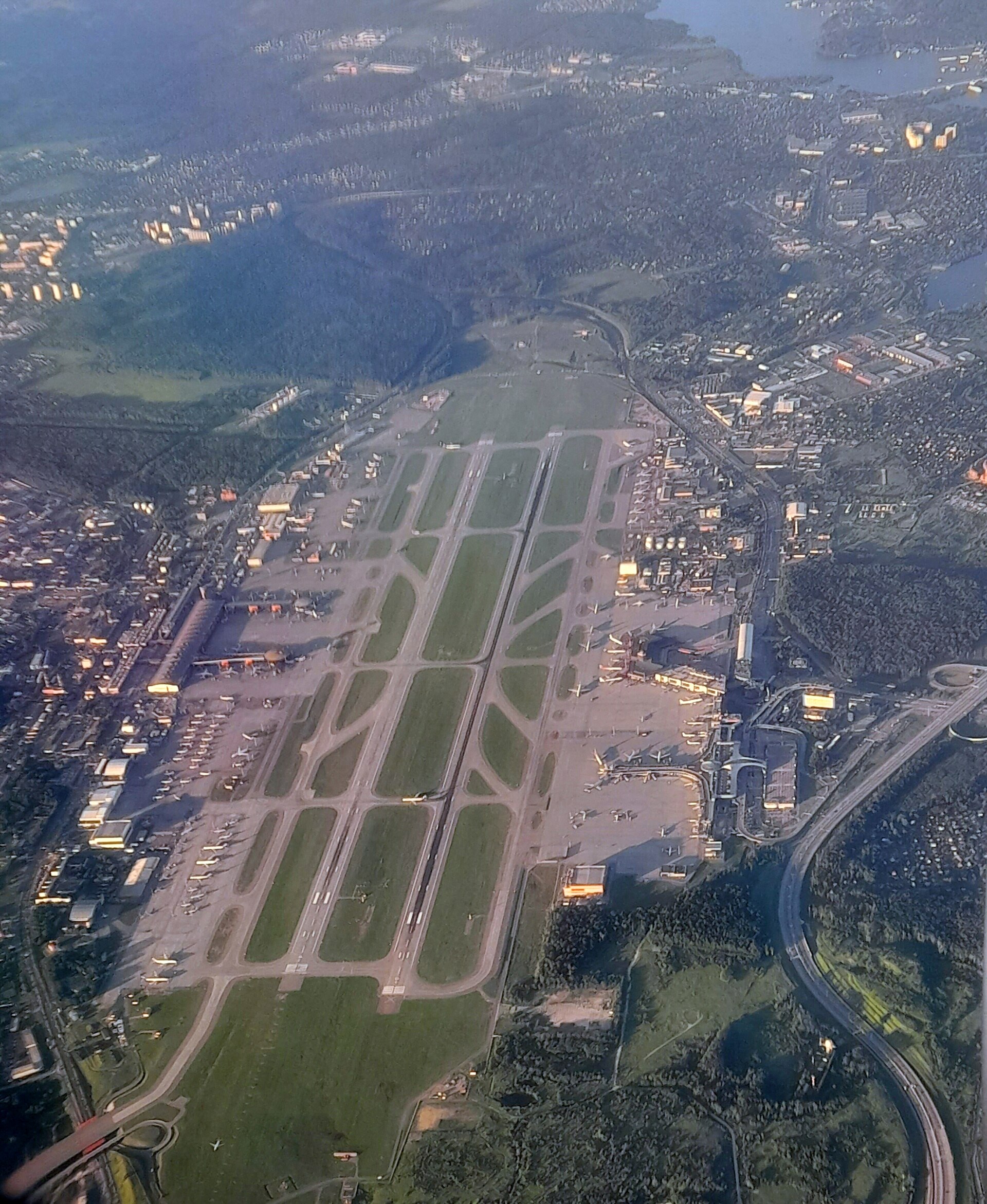
Ukraine’s position, as Zelenskyy framed it in September and as its October operations have enacted it, is that Russian airspace is a legitimate pressure point: a state conducting missile and drone strikes on Ukrainian cities cannot expect its own capital’s airports to run on schedule, and airlines and insurers should draw their own conclusions. Russia’s position, stated through Rosaviatsiya and Moscow’s mayor, is that the drones are destroyed on approach, that the restrictions are temporary safety measures, and that flight operations resume under the coordination of the relevant authorities — a framing that treats each closure as an interruption to be managed rather than a condition to be answered. Critics of the Ukrainian campaign, including Russian officials, argue that drone alerts endanger civil aviation itself; supporters answer that it is Russia’s air defences firing over a capital city, and Russia’s war, that created the danger, and that Ukraine gives the warning Zelenskyy issued in September as its notice. Signal Post News reports both positions; the flight data, the airport statements and the closure record are the verifiable ground between them.
What happens next
Three things will show whether Friday was another day in a pattern or a step in an escalation. First, frequency: if Agentstvo’s near-daily October count continues into November, the closures stop being news events and become a standing operating condition that airlines build into schedules — fewer rotations, longer buffers, higher fares on Moscow routes. Second, the insurance and airline response Zelenskyy named directly: any carrier or underwriter that formally reclassifies Moscow airspace would convert a military tactic into a permanent economic fact. Third, the interaction with diplomacy: Friday’s shutdown came on the same day Ukraine, Russia and the United States were confirming a local ceasefire at Oleshky and planning technical-level talks in Abu Dhabi in the first half of November — pressure on the capital’s skies and movement at the negotiating table are proceeding together, and each side will read the other’s through that lens. The wider war picture, including Russia’s strikes that left more than 500,000 people in Ukraine without power this week, is covered in Signal Post News’ energy-grid report.
Sources: Deutsche Welle, “Ukraine tries to shut Moscow’s airports with drone strikes on Russia,” October 23, 2026 (near-daily October closures per Agentstvo; closures of up to nine hours; Zelenskyy’s September warning, quoted). The Kyiv Independent, report of October 23, 2026, via Zot News summary (Rosaviatsiya restrictions from 2:05 p.m. at all four airports; Sobyanin’s 17 drones; Sheremetyevo alert and unverified debris photos; FlightRadar24 figures of 85 cancellations and 229 delays at Sheremetyevo; reported Oryol semiconductor plant strike, unverified). Ukrinform, citing The Moscow Times, October 23, 2026 (more than 340 flights delayed or cancelled; district drone alerts; Sobyanin count). TASS, via regional reporting (IQ-Quarter alarm false; Sheremetyevo all-clear). Russian aviation and airport statements via regional reporting (evening re-imposition of restrictions; diversions to Pulkovo, Nizhny Novgorod and Kazan). Background: Signal Post News, October 6 and October 17–18 Moscow drone coverage, linked above. Drone counts are official claims attributed as stated; the conflicting totals published during Friday’s event are carried as such and have not been independently verified.