Trump Xi summit 2026 results
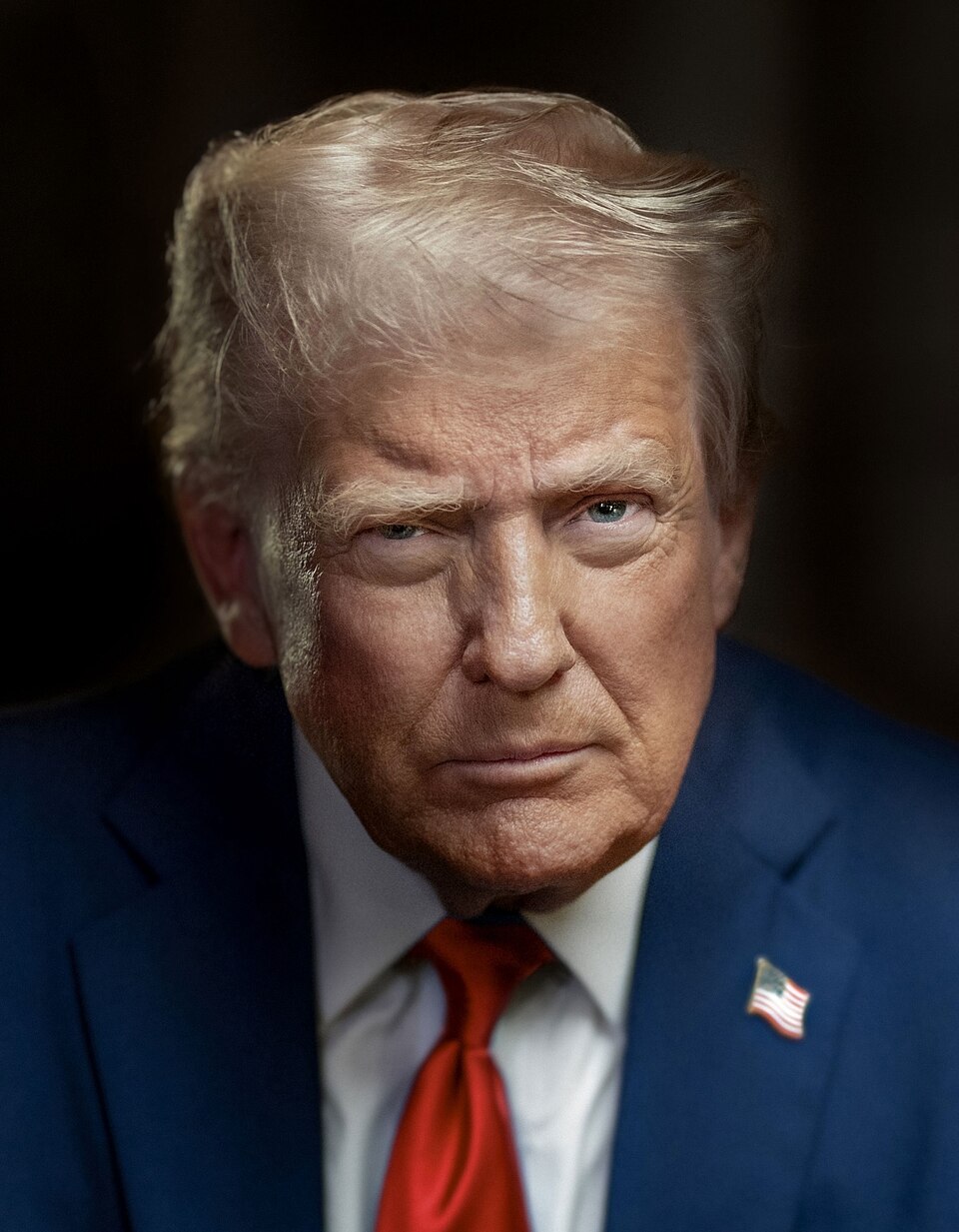
WASHINGTON — The Trump Xi summit 2026 results are best read as a decision to postpone confrontation, not a settlement of the rivalry. President Donald Trump and Chinese President Xi Jinping extended their tariff truce by two months, backed one another's coming APEC and G20 meetings and endorsed a broad principle that artificial intelligence should remain under human control. They did not issue a joint statement, take questions together or announce breakthroughs on Taiwan, high-end chips, rare earths or Iran.
Xi supplied the day's most memorable line. Competition, he said, should be “a race of catching up with one another, not a wrestle in which one either wins or loses.” The metaphor was carefully calibrated: it acknowledged a contest while rejecting a zero-sum fight. It was also easier to agree with than any enforceable rule governing that contest.
Why this matters
The summit lowered the immediate temperature between the world's two largest economies without resolving the disputes most likely to raise it again. For businesses, markets and allied governments, that distinction is the central result. The extension of the tariff truce from November 10, 2026, to January 10, 2027, reduces the near-term risk of another sudden escalation. It does not make tariffs predictable after January, restore normal access to advanced chips or settle supply-chain arguments over critical minerals.
Diplomatically, the meeting preserved a channel between two leaders who increasingly rely on personal contact to manage a relationship with few reserves of trust. That matters when economic coercion, military signaling around Taiwan and a rapid race in artificial intelligence all create opportunities for miscalculation. But ceremony is not the same as crisis management. No announced hotline, verification process or implementation text accompanied the public language.
The strongest evidence of stabilization is therefore procedural: another deadline, two more leader-level checkpoints and an explicit preference for bounded competition. The strongest evidence of continued danger is substantive: on the hardest questions, the positions did not converge.
What actually happened Thursday
Xi arrived in the Washington area on Wednesday, September 23, where Trump greeted him at Joint Base Andrews. Thursday's welcome escalated from airport diplomacy to full state-pageant mode. The White House program assembled 479 military personnel, a B-2 bomber flyover, four F-22 fighter jets, a silent drill platoon and a band in colonial dress before the leaders moved inside.
The choreography projected strength and respect in equal measure. Trump presented the visit as proof that personal diplomacy could keep a strategic competitor engaged. Xi used the stage to argue that competition could be controlled. Their public remarks were followed by a one-on-one meeting, a broader Oval Office roundtable and an evening state dinner attended by many of the country's most valuable technology and financial companies.
The visit also unfolded amid a separate confrontation over press access. Journalists from CNN, MS Now and Politico were initially turned away despite a federal ruling, while Fox and other broadcasters boycotted live coverage in solidarity. The outlets were later allowed inside. Senator Roger Wicker, the Republican chairman of the Senate Armed Services Committee, criticized the ceremonial welcome. Secretary of State Marco Rubio defended engagement as a necessary tool for managing a dangerous relationship.
There was no closing press conference and no joint communiqué. That left reporters and governments to compare separate announcements — a familiar feature of U.S.–China diplomacy, but one that makes ambiguities harder to resolve.
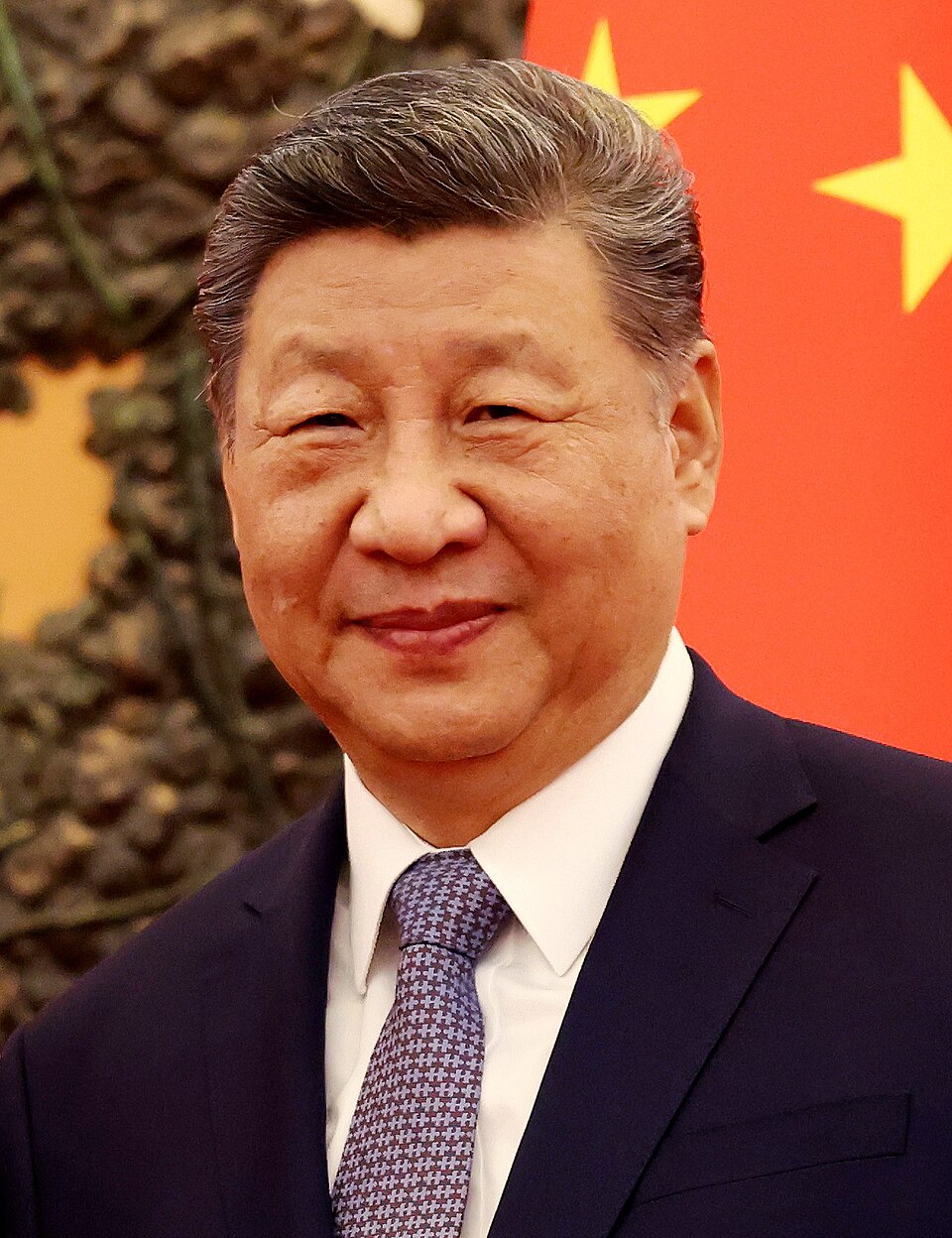
What was actually agreed — and what wasn't
The clearest deliverable was time. Washington and Beijing extended their trade truce to January 10, 2027. The move keeps a ceiling over retaliatory action for another two months and carries the relationship through the next major diplomatic meetings. It is a pause with a date attached, not a durable trade accord.
The leaders also agreed to support each other's hosting of the Asia-Pacific Economic Cooperation summit in China in November and the Group of 20 summit in the United States in December. That reciprocal pledge makes attendance and diplomatic coordination more likely. It does not guarantee that either forum will produce agreements on tariffs, export controls or security.
On artificial intelligence, Xi said the two countries had a responsibility to ensure AI remained under human control and served people's well-being. The principle is notable because both governments recognize the systemic risks of increasingly capable systems. Yet no treaty text, incident-notification mechanism, testing standard or enforcement body was announced. Calling it a U.S.–China AI human-control agreement would overstate the public record; it is better understood as shared language awaiting an operational framework.
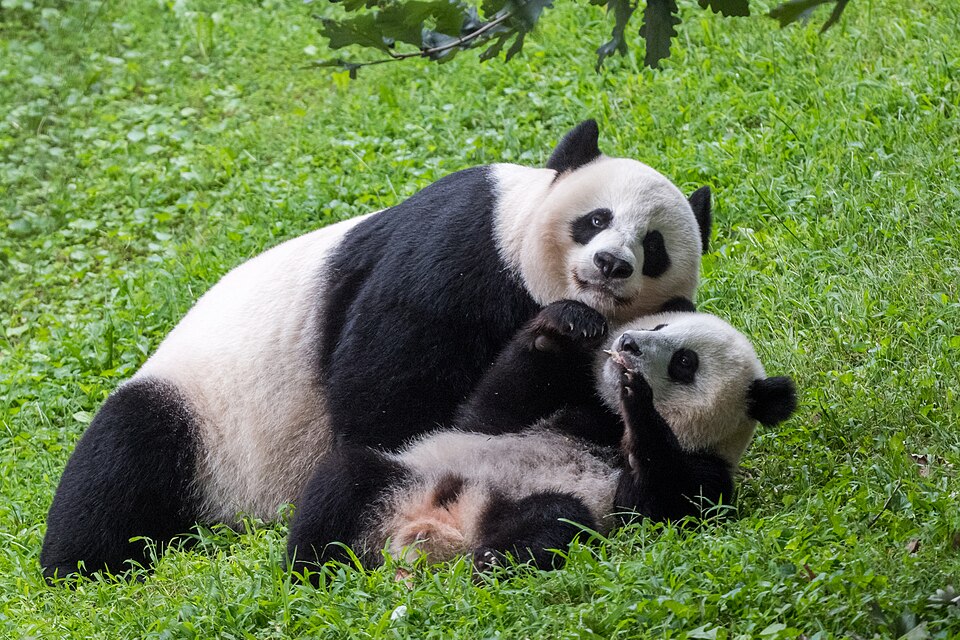
Xi invited 100,000 young Americans to study in China and announced that two giant pandas would come to Zoo Atlanta. Those gestures can build social and cultural links at a time when the broader relationship is more restrictive. They are genuine initiatives, but they cannot carry the weight of the strategic agenda.
What was not announced is at least as important. Taiwan came up in private talks, but Trump's suspended $14 billion arms package remained in limbo. There was no disclosed concession on high-end chip controls, no announced compact on rare-earth supplies and no public commitment by China concerning Iran. The absence of a joint statement means even the agreed points will have to be tested against separate national accounts and later implementation.
Background: three meetings, one tariff war
Thursday's encounter was the third major Trump–Xi meeting in this diplomatic cycle, after talks in Busan in October 2025 and Beijing in May 2026. Each meeting managed a phase of the same underlying problem: how to keep economic competition from spilling into an uncontrolled political or military confrontation.
The tariff war showed the cost of allowing that contest to run without guardrails. At the 2025 peak, U.S. tariffs on Chinese goods reached 145%, while China's retaliatory rate reached 125%. Those headline rates were never merely negotiating theater. They represented a level at which trade in many affected goods became commercially unworkable, pushed companies to re-route supply chains and forced both governments to consider the domestic costs of prolonged escalation.
Busan created the language of “strategic stability.” Beijing in May preserved high-level contact and left difficult issues for follow-up. Washington extended the pattern. The sequence does not show steady progress toward a grand bargain; it shows both sides repeatedly deciding that the cost of rupture is higher than the political benefit of forcing a final test.
For the sequence immediately before Thursday's talks, Signal Post News covered Xi's red-carpet arrival in Washington and the summit's agenda, ceremony and state-dinner stakes.
Who wins and who loses
Trump gains a visible diplomatic event and a calmer pre-election trade horizon. The elaborate welcome showcased presidential control of the stage, while the tariff extension delays a disruptive deadline until after the November political season. He can argue that personal engagement is producing restraint without surrendering formal leverage on tariffs or technology.
Xi gains recognition, time and the continuation of an unresolved Taiwan arms decision. The state honors conveyed parity. The “not a wrestle” formulation placed China's preferred idea of managed competition at the center of the public narrative. Keeping the $14 billion package suspended, even without an announced promise, avoids an immediate setback for Beijing.
Multinational companies gain breathing room, not certainty. The state-dinner guests represented an estimated $2.2 trillion in combined corporate value, underscoring how much commercial power is exposed to policy choices made by the two governments. Apple, Nvidia, Tesla and other companies benefit from avoiding an immediate tariff shock, but they still face divergent technology rules and political scrutiny in both markets.
Taiwan absorbs the clearest strategic uncertainty. Taipei did not receive a public assurance that the suspended arms package would advance, while Beijing did not secure a public U.S. renunciation. Ambiguity can deter unilateral moves when both sides read it cautiously. It can also become dangerous if either side mistakes delay for a permanent change.
Smaller trading economies get a pause but little agency. Countries integrated into Chinese manufacturing and U.S. consumer demand avoid another immediate tariff spiral. At the same time, they remain exposed to export controls, investment screening and supply-chain realignment set by Washington and Beijing.
What the numbers actually mean
January 10, 2027: the new tariff deadline is the most concrete metric of the summit. It buys roughly two months beyond November 10, but it is also a countdown. Without a replacement framework, the deadline can re-create the same brinkmanship in the new year.
145% and 125%: the 2025 peak tariff rates illustrate the destructive edge both sides already approached. Rates that high do not simply collect revenue; they can halt ordinary commerce. Their shadow gives a short truce real economic value even when no duties are removed.
$14 billion: the suspended Taiwan arms package is large enough to be a strategic signal, not a routine administrative delay. Its unresolved status is evidence that Taiwan remains a bargaining pressure point, even though no public bargain was announced Thursday.
$4.5 billion: Nvidia's previously disclosed China-related H20 charge shows how export-control changes can move instantly from geopolitical policy into corporate accounts. The number does not measure the summit's effect; it measures the scale of exposure that a future chips decision could affect.
6.6%: Tesla's share of China's electric-vehicle market provides a different measure of dependency. Access to a huge market does not guarantee dominance, and political calm does not remove intense competition from Chinese manufacturers.
100,000 and two: the student invitation and the two pandas are designed to make the relationship legible beyond tariff schedules and weapons systems. Their political value will depend on implementation — who can participate, how exchanges are administered and whether the pandas arrive as announced.
What happens next
The first test is documentary. Separate U.S. and Chinese readouts will reveal whether both governments describe the trade extension, AI language and private Taiwan discussion in compatible terms. Any mismatch will matter more than the cordial photographs.
The second test comes at APEC in China in November 2026. Attendance would turn Thursday's reciprocal-hosting pledge into a functioning diplomatic sequence. Officials will be under pressure to show that the extra time produced work on trade barriers, critical minerals and guardrails for advanced technology.
The third checkpoint is the U.S.-hosted G20 in December. It offers another venue for leader-level contact and for cooperation on issues that cannot be managed bilaterally. But the hard deadline remains January 10, 2027. If negotiators reach that date with only another extension, markets may welcome the avoided shock while concluding that neither side has found a route to settlement.
Three scenarios now matter. In a stabilization scenario, officials convert the summit's broad language into a longer tariff framework and a narrow AI incident channel while keeping Taiwan separate. In a managed-stalemate scenario, the truce is extended again, controls and arms decisions stay unresolved, and summits continue to substitute for institutional agreement. In an escalation scenario, a Taiwan move, a new chip restriction, an Iran-related dispute or a breakdown over rare earths collapses the truce before or shortly after January.
The summit's message is therefore narrower than either side's pageantry suggested: rivalry can be managed for the next few months, but it has not been tamed. Investors' initial relief, including the market response tracked in Signal Post News's report on oil and equities around the summit, rests on the difference between avoiding a crisis and solving one.
Sources
- Reuters: Four takeaways from Trump's summit with Xi in Washington
- Reuters: Trump and Xi agree to support each other's APEC and G20 summits
- Reuters live coverage: Trump–Xi summit and the race for AI dominance
- Reuters: Trump welcomes Xi to Washington looking for a trade win
- Reuters: White House plans spectacle before potentially tense talks
- The Times: Xi tells Trump, “Let's not wrestle,” during state visit
- SRN News: APEC and G20 hosting support
- Associated Press: Trump and Xi head into the Washington summit
- Brew Markets: The $2.2 trillion dinner
- New Kerala: U.S. and China extend trade truce to January 10