A visit carrying more than ceremony
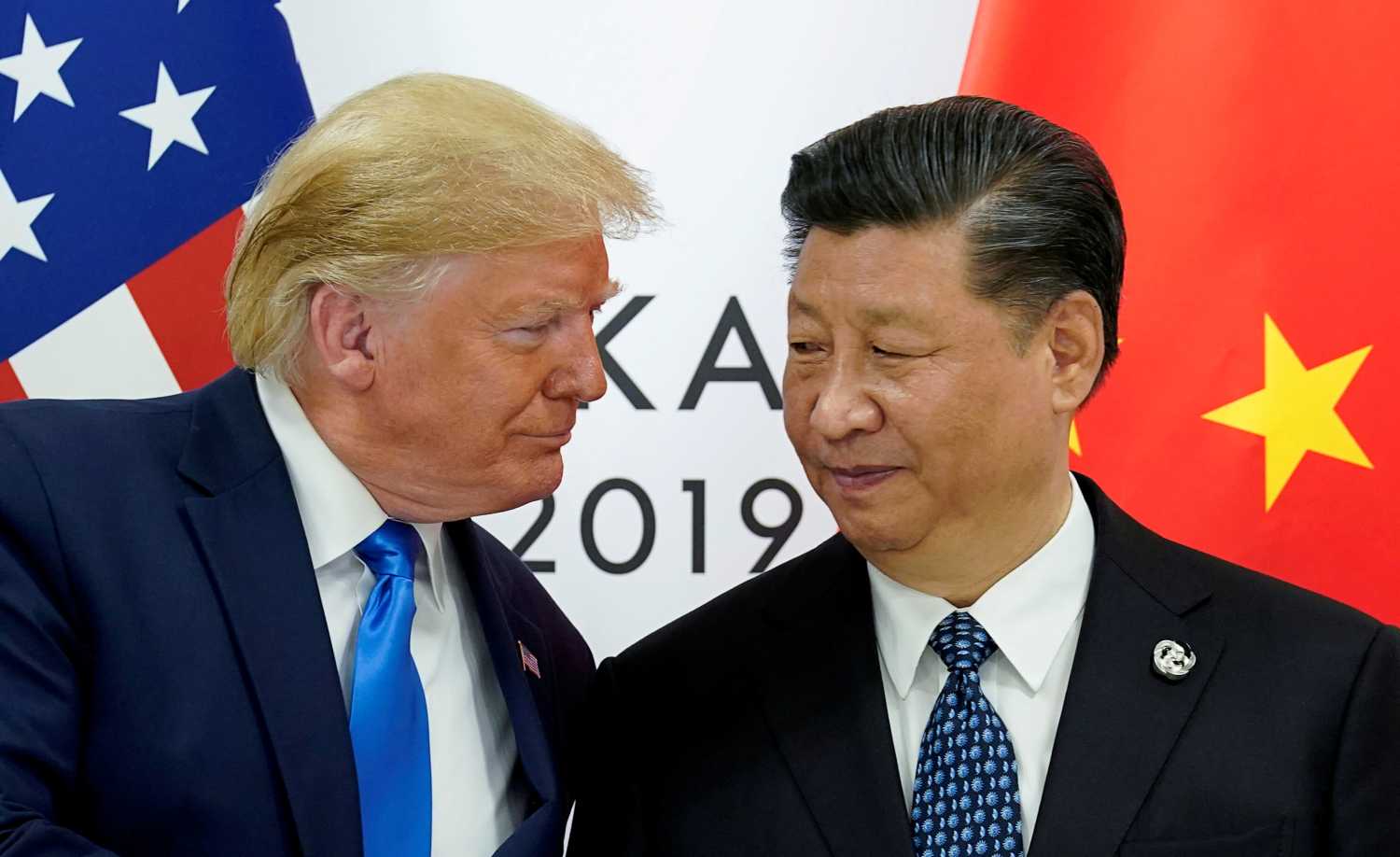
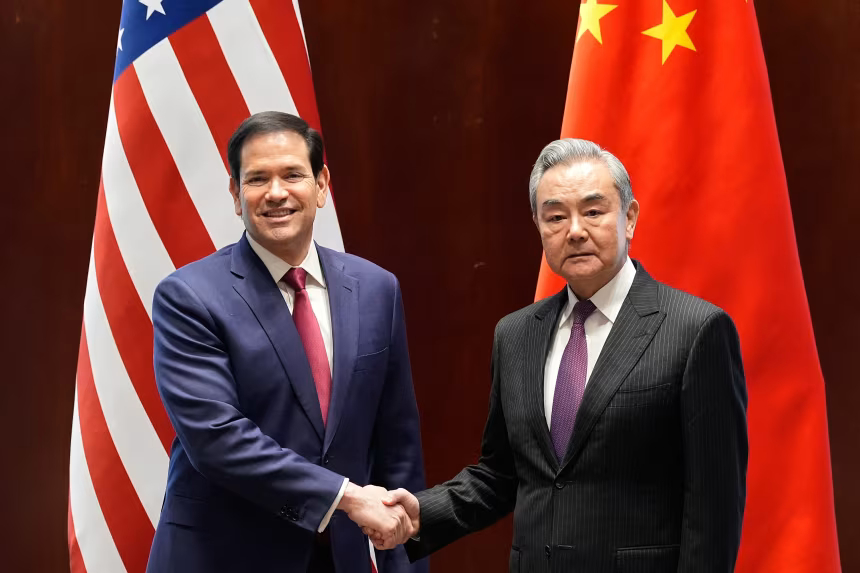
Xi Jinping is scheduled to be received in Washington on September 24, his first White House visit since 2015. The comparison is revealing. A decade ago, the relationship mixed economic interdependence with rising strategic competition; now tariffs, advanced chips, electric vehicles, batteries and Taiwan sit inside a more explicit contest for power. Wang Yi’s September 17 call with Secretary of State Marco Rubio stressed preparation for the next stage of high-level interaction and also covered Iran and the Middle East.
Why this matters
The tariff truce expires November 10 after pausing tit-for-tat levies that had exceeded 100%. That gives the summit a clock. Businesses cannot plan around indefinite leader-to-leader improvisation; they need tariff schedules, licensing rules and enforcement dates. A durable outcome would lower uncertainty even without a grand bargain. A vague communiqué would merely postpone the next escalation and leave companies pricing politics into every shipment.
What each side wants
Trump wants visible purchases, market access and an argument that pressure produced concessions. Xi wants relief from tariffs and technology restrictions without appearing to trade sovereignty for access. China is on track for a trade surplus near $1 trillion for a second consecutive year, giving Beijing economic resilience but also intensifying criticism that weak domestic demand pushes excess production abroad. The possible presence of BYD, CATL and Xiaomi executives would make the industrial stakes unusually concrete.
AI and the electric-vehicle chain
Trump has said artificial intelligence will be discussed. That can mean export controls, compute access, model safety or a narrower arrangement around business. BYD and CATL symbolize the difficulty: their cost and scale can help electrification, but Washington sees dependence on Chinese batteries and vehicles as a strategic vulnerability. U.S. consumers and clean-energy developers benefit from cheaper technology; domestic manufacturers and national-security officials fear losing capacity that is hard to rebuild.
Taiwan’s exposure
Taiwan and Japan worry that security commitments could become bargaining chips in pursuit of an economic win. Trump previously described arms sales to Taiwan as a negotiating chip. The danger is not necessarily a formal abandonment; ambiguity itself can change calculations in Taipei and Beijing. A private assurance that is not reflected in policy may calm leaders temporarily while increasing public doubt. The strongest summit would separate commercial bargaining from deterrence rather than trade one for the other.
The 2015 comparison
The 2015 visit produced elaborate state ceremony alongside disagreements over cyber theft, the South China Sea and human rights. Today the relationship is more tariffed, more securitized and less trusting. China’s firms are global competitors rather than merely suppliers, while U.S. technology restrictions reach deeper into the value chain. That means a smaller deal may be more credible than a sweeping framework: specific tariff extensions, defined purchases and protected crisis channels can be tested.
Three summit scenarios
In the base case, leaders extend the truce and announce working groups on AI and trade. In the upside case, they publish tariff reductions, purchase commitments and guardrails that reassure allies. In the downside case, each side advertises incompatible victories, Taiwan language hardens and the November deadline becomes a new threat. Watch what is written, not only what is said: implementation dates, product categories and whether allied security concerns are addressed after the cameras leave.
What a real trade truce would contain
A truce worthy of the name needs more than an expiration date pushed forward. It should identify tariff lines, customs treatment, licensing rules, purchase commitments and the mechanism for resolving a claimed breach. Without those details, firms will continue holding extra inventory, delaying investment or routing trade through third countries. Enforcement should be symmetrical enough that both governments can describe compliance domestically, while narrow enough that a dispute in one sector does not automatically reactivate triple-digit tariffs everywhere. The difficult categories will be advanced semiconductors, battery inputs and dual-use technology, where economic and national-security policy are inseparable. A purchase package can lower the bilateral deficit for a season, but it will not resolve the structural causes of China’s surplus or America’s concern about subsidized capacity. The summit’s most realistic achievement is therefore predictability, not settlement.
How allies should judge the communiqué
Japan, Taiwan and European partners should read the omissions as carefully as the announcements. If the leaders describe commercial cooperation but say nothing about crisis communications, export-control consultation or coercion around Taiwan, allies may infer that economic calm took priority over security reassurance. If Washington hardens public language to compensate, Beijing may view the summit as insincere. The better approach is a layered document: concrete economic steps, a reaffirmation that disputes will not be settled by force and working-level channels for military incidents and AI risk. None would eliminate rivalry. They would reduce the chance that a tariff argument, naval encounter or model-security incident escalates because leaders lack a reliable route to clarify intent. That is the practical value of summitry between competitors: not friendship, but error control.
Sources: Reuters summit preview; Reuters on Taiwan concerns; Reuters on executive delegation. Facts and figures are a fixed September 18, 2026 reporting snapshot and do not update live.