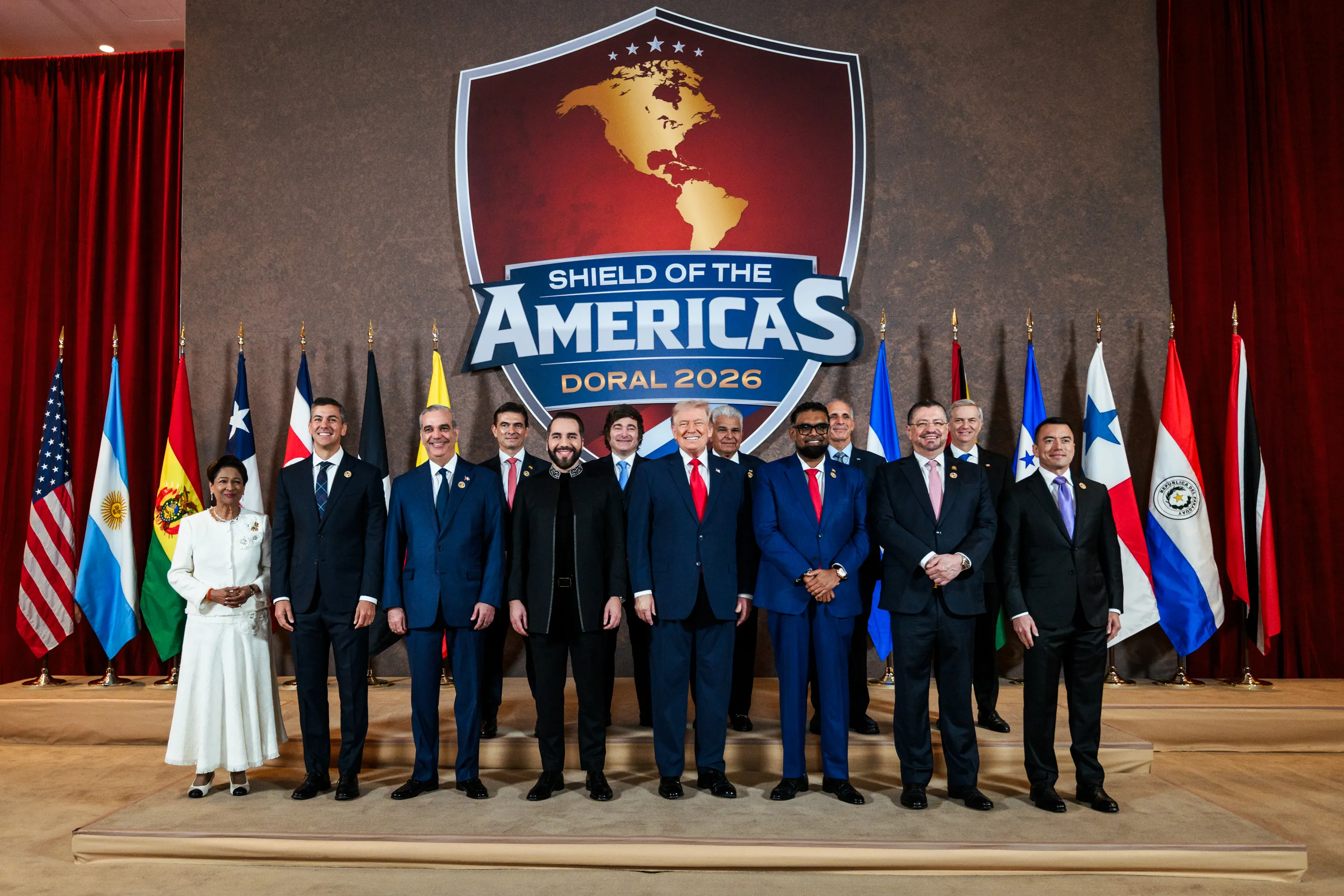
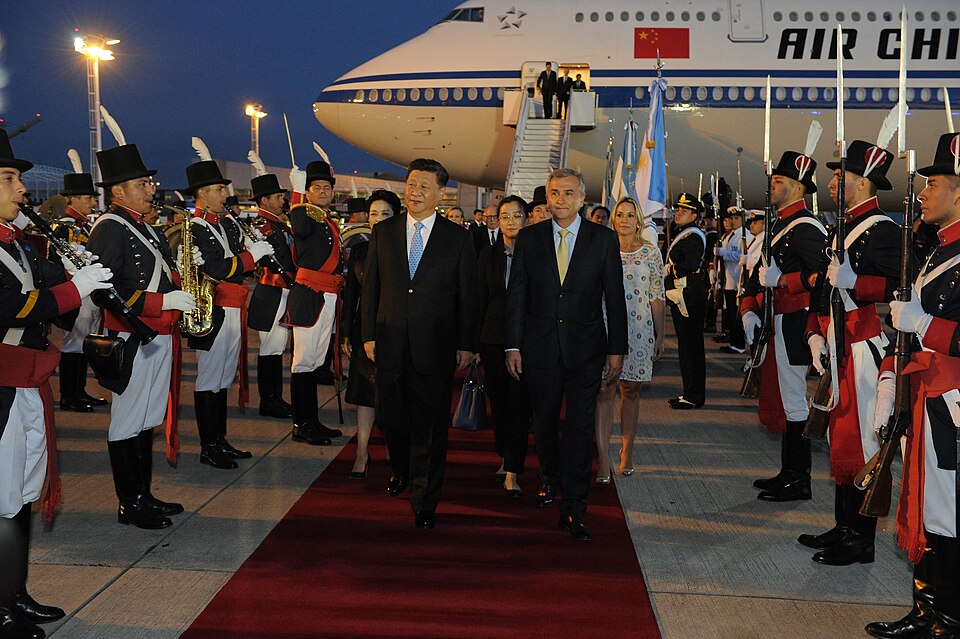
The Trump–Xi meeting on detainees will test whether a personal appeal between presidents can succeed where months of official advocacy did not. Yufang Rong says White House officials assured her that Trump will ask Xi to release her husband, Youlin Chen, during Thursday's summit. A senior U.S. official said, “Resolving the wrongful detentions of US citizens is always a top priority for the president.”
That promise matters, but it is not a release agreement. Trump raised Chen's case during talks in Beijing in May and Chen remained in custody. The White House meeting therefore gives the family a visible diplomatic opening while also exposing the limits of leader-level intervention: detainee cases can be bargaining chips, confidence-building measures or issues left behind when larger negotiations dominate the room.
Why this matters
Chen's case sits at the intersection of science, national security and great-power bargaining. His work concerns the detection and monitoring of underground nuclear tests, a field that is inherently sensitive but also central to international verification. According to reporting reviewed by Signal Post News, his research was openly funded by the U.S. State Department and the Air Force Research Laboratory. His family argues that treating that work as espionage would criminalize legitimate scientific cooperation after the fact.
The timing raises the stakes. Trump and Xi are expected to discuss trade, Taiwan and Iran, each a strategic issue with substantial domestic and geopolitical consequences. A detainee release would be comparatively narrow, but that is precisely why it could become an achievable summit deliverable. It could also be traded away in the agenda's competition for time and political capital.
The human stakes are immediate. Chen is 54, lived in Boston and has a college-age son. He has been detained since November 2024. For his family, the summit is not an abstract measure of U.S.–China relations; it may be the best chance yet to convert a diplomatic designation into a return home.
The scientist and the charges
Chen is a seismologist whose research used seismic signals to improve the detection of underground nuclear explosions. A December 2020 report relied on public seismic data from stations across Asia, including China, to refine monitoring and estimates of explosive yield. The work had obvious relevance to North Korea's nuclear program and to the verification architecture built around the Comprehensive Nuclear-Test-Ban Treaty.
That context does not settle what Chinese authorities allege. Rong fears prosecutors will construct an espionage case around Chen's research, while Global Reach, an advocacy group, has suspected a connection to allegations of a Chinese underground nuclear test in 2020. Beijing denies that such a test occurred. The specific evidentiary basis for Chen's detention has not been made public in the reporting available to this publication, so allegations should not be treated as proven charges.
The legal and diplomatic backdrop is unusually fraught. The United States and China both signed the Comprehensive Nuclear-Test-Ban Treaty but neither ratified it. Monitoring work can serve a shared nonproliferation interest while also generating information that governments view through a counterintelligence lens. That ambiguity makes due process, access to counsel and transparent charges especially important.
China rejects Washington's framing. In July, its government said the judiciary acts according to law and that there is “no so-called wrongful detention.” The Chinese embassy had not immediately responded to the latest request for comment reported in the source material. Those positions create the central dispute: Washington and the family describe an American scientist arbitrarily held; Beijing says its legal system is handling a lawful case.
A second detainee
Rong said Trump is also expected to raise Min Zin, the second American currently designated by Washington as wrongfully detained in China. Pairing the cases could strengthen the argument that the summit should address a pattern rather than a single family's appeal. It could also complicate negotiations if Beijing insists on treating each case separately.
The “wrongfully detained” designation is a formal U.S. judgment that can shift responsibility for a case toward the State Department's hostage-affairs machinery and elevate it in diplomacy. It is not binding on China, and it does not itself produce a legal remedy. Its practical value depends on sustained pressure, access to the detainee and a negotiated path that Beijing is willing to accept.
For Trump, raising both names offers a clear test of the administration's claim that citizens held abroad remain a priority. For Xi, releases could carry diplomatic value at relatively limited material cost, but they could also be portrayed domestically as outside interference. The outcome will turn less on the merits of public argument than on whether both leaders see a concession as useful.
What the numbers mean
Two Americans: Chen and Min Zin are the two cases Washington currently describes as wrongful detentions in China. The small number makes each case prominent, but it should not be confused with a complete count of all Americans facing detention, exit bans or legal proceedings there.
November 2024: the start of Chen's detention. By the September 2026 summit, his family has spent nearly two years seeking his release.
54 years old: Chen's reported age. The figure matters because prolonged detention imposes health and family costs that cannot be reversed by a later diplomatic resolution.
December 2020: the date of the publicly described research report that used seismic data from across Asia. Public funding and public data support the family's argument that the work was legitimate, but neither fact alone tells outsiders what evidence Chinese authorities may claim to possess.
One unsuccessful presidential appeal: Trump raised Chen's case in Beijing in May without producing a release. Thursday's meeting is therefore a second reported leader-level attempt, not the first.
What happens next
The first test is whether the detainee cases appear in the leaders' official readouts. A named commitment to review or resolve them would be more meaningful than a general assurance that consular issues were discussed. A release, transfer, sentence resolution or permission to leave would be the clearest result; silence would leave the family dependent on private diplomacy.
The second test is sequencing. If trade or Taiwan produces a broader package, detainees could be included as a humanitarian confidence-building measure. If the summit hardens disputes, Beijing may have less incentive to grant a request associated personally with Trump. The presence of Iran on the agenda adds another area in which Washington wants Chinese cooperation, increasing both the opportunities for linkage and the risk that individual cases disappear inside strategic bargaining.
The administration should also be judged on what follows the meeting. A public ask can raise pressure, but repeated promises without transparent follow-up risk turning a family's case into summit theater. Congress, diplomats and advocacy groups will look for access, legal clarity and a timetable—not only another statement of concern.
The broader diplomacy is already under strain. Our live coverage of Iran's UNGA diplomacy and secret U.S.–Iran talks shows one issue competing for attention, while Zelensky's request for a winter arms package shows another claim on presidential leverage. The Chen and Zin cases will reveal whether human freedom can remain a summit priority when strategic agendas are crowded.
Sources: Reuters report republished by LA Post; CNN reporting on Chen's case and research. Chinese government claims, family concerns and U.S. wrongful-detention designations are attributed; the reported allegations against Chen have not been independently proved here.