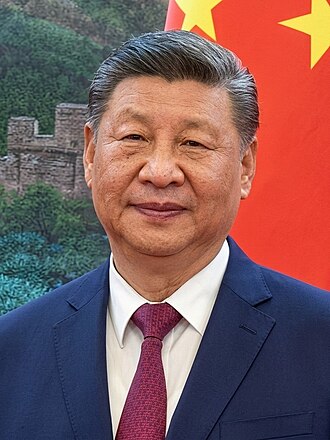
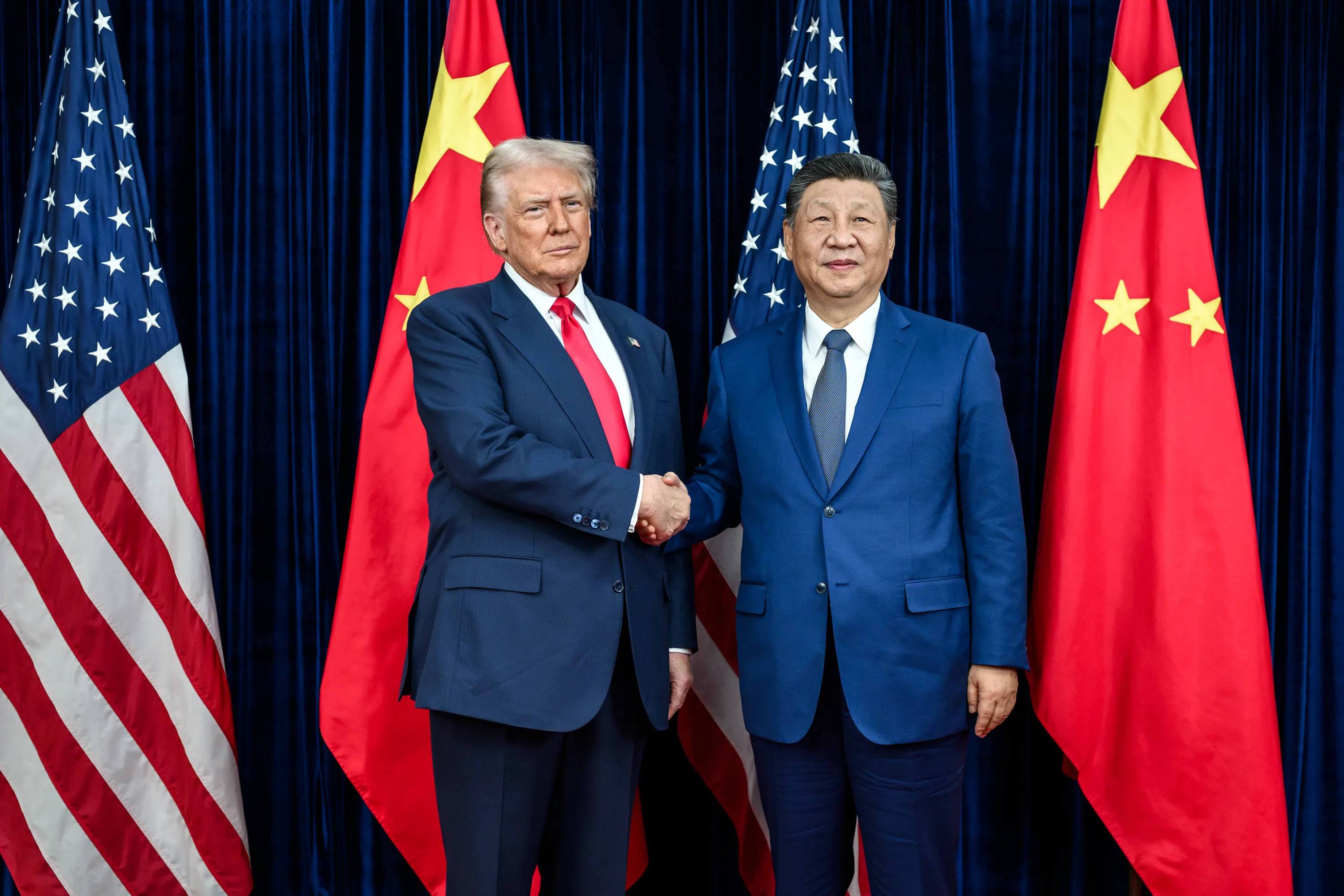
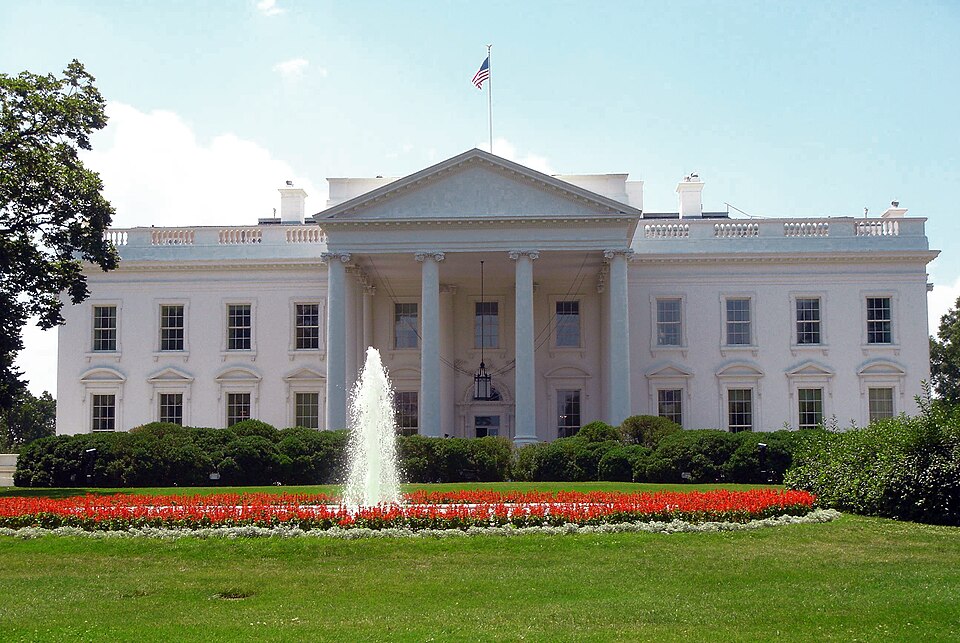
WASHINGTON — The Xi Jinping Washington visit 2026 begins with an image intended to overwhelm the disagreements waiting behind it: President Donald Trump plans to meet China's leader at Joint Base Andrews, a rare planeside welcome opening three days of ceremony and negotiation. The visit moves Thursday to the White House, where a formal arrival, talks and a state dinner are expected to put trade, Taiwan, artificial intelligence, Iran, rare earth minerals and detained Americans on one crowded agenda.
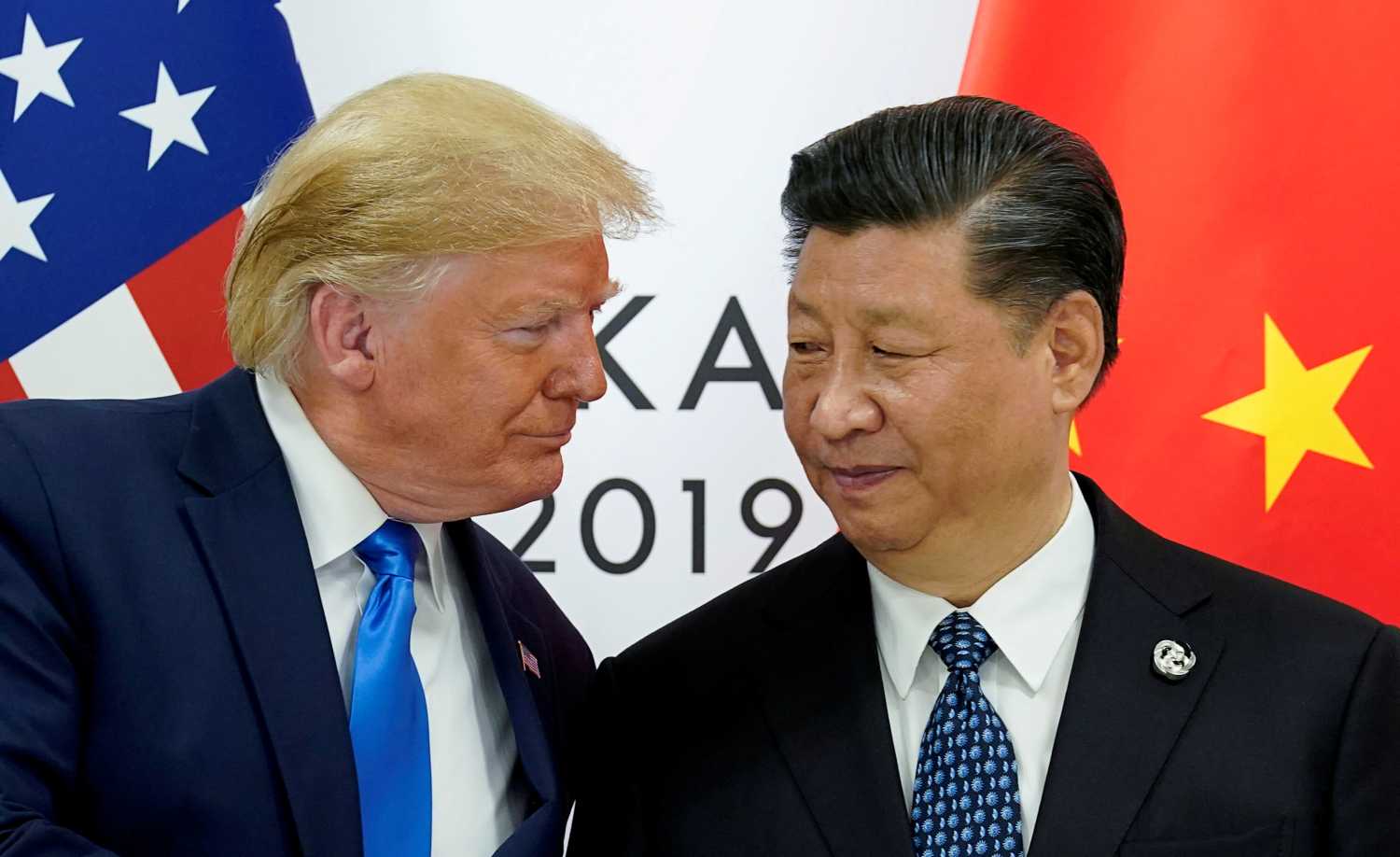
The pageantry is not the achievement. It is the wager. Trump is betting that conspicuous respect can create room for concessions from a rival with leverage over U.S. supply chains and influence in Tehran. Xi is accepting a showcase that lets him appear as the leader of a coequal power while pressing Washington to ease economic and security pressure. The summit succeeds only if the flattering pictures are followed by decisions that can be measured.
Why the tarmac welcome matters
American presidents usually receive foreign leaders at the White House, not at the foot of their aircraft. Trump’s decision to travel to Andrews elevates the visit before formal talks begin. The signal is directed simultaneously at Xi, the Chinese public, U.S. allies and Trump’s domestic audience: the relationship is dangerous enough—and potentially valuable enough—to merit exceptional presidential attention.
That symbolism cuts both ways. A warm arrival can lower the temperature and help two leaders enter difficult talks without first arguing over protocol. But it also raises the political cost of a thin outcome. Critics can frame the welcome as deference if Beijing offers little in return, while allies will watch for evidence that ceremony softened the U.S. position on Taiwan or technology controls.
A summit built around competing forms of leverage
The two governments arrive with different pressure points. Washington controls access to advanced chips, chipmaking tools, capital and a vast consumer market. Beijing dominates processing of many rare earth minerals and sits at the center of manufacturing networks that cannot be replaced quickly. Each side can inflict pain; neither can do so without costs at home.
That is why the most realistic outcome is not a sweeping reset. It is a package of narrow bargains: an extension of the trade truce, faster export licensing, a limited channel on AI safety, stronger military communications, targeted cooperation on fentanyl precursors or movement on detainee cases. Small agreements would not resolve strategic rivalry, but they could make it more predictable.
The deals that would count
Trade and the November truce
The immediate commercial deadline is the U.S.–China trade truce due to expire in November 2026. A headline promise to keep talking would postpone risk, not remove it. Companies need tariff schedules, licensing rules and enforcement mechanisms that survive the next disagreement. An extension with named sectors, dates and responsible agencies would be more valuable than a broad declaration of goodwill.
For Trump, lower uncertainty could ease pressure on importers and manufacturers before the congressional election. For Xi, restored access and fewer sudden restrictions would support an economy still managing weak domestic demand and property-sector strain. Both leaders have incentives to claim victory; the hard question is whether their claims describe the same obligations.
Rare earth minerals and advanced technology
Beijing’s strongest near-term economic card is its position in rare-earth processing and export licensing. U.S. mines alone cannot solve the bottleneck because separating and refining the materials requires infrastructure, expertise and time. Faster Chinese approvals would provide immediate relief to manufacturers, but Washington would still have reason to diversify supply.
The U.S. advantage lies in high-end semiconductors and the equipment needed to make them. Xi is expected to push against controls that constrain China’s AI ambitions; Trump must decide whether any relaxation buys durable access or merely trades away a strategic lead. A credible compromise would need precise boundaries. Vague language about innovation or cooperation would not answer which chips, tools or customers are covered.
Taiwan arms sales and alliance confidence
Taiwan is the issue on which flexibility can be most easily misread as abandonment. Beijing claims the self-governed island and opposes U.S. arms sales. Washington says its policy is intended to preserve peace and deter unilateral changes to the status quo. The administration has approved a major arms package while another has remained delayed, making timing itself part of the message.
Trump has described weapons sales as leverage. That may strengthen his bargaining hand, but it also creates uncertainty for Taipei, which plans defense purchases years ahead, and for allies such as Japan. Prime Minister Sanae Takaichi used her UNGA meeting with Trump to put regional security concerns before him ahead of Xi’s arrival. Any post-summit change in approvals, deliveries or language will matter more than a ceremonial reassurance. Read Signal Post News’s analysis of Japan’s Taiwan warning before the summit.
Iran, fentanyl and detained Americans
China’s economic relationship with Iran gives Beijing potential influence over oil flows and diplomatic calculations, but influence is not control. Trump can ask Xi to use that leverage without assuming China will adopt Washington’s objectives. The useful test is whether the leaders assign officials to a defined follow-up process rather than merely agreeing that regional stability is desirable. Follow the connected Iran diplomacy in our UNGA live analysis.
Fentanyl precursors and detained Americans offer narrower possible deliverables. Enforcement cooperation can be tracked through named chemical controls, investigations and prosecutions. Detainee diplomacy is even more concrete: a person is released, transferred or remains in custody. Families seeking action do not benefit from a generic commitment to discuss consular issues. Our earlier report examines the plea surrounding detained scientist Youlin Chen.
AI competition and military talks
Artificial intelligence is both a commercial contest and a security problem. A state dinner including leaders from major technology companies emphasizes the economic stakes, but private-sector attendance should not be confused with a government agreement. The likeliest area for progress is risk management: communication about dangerous incidents, testing norms or guardrails around military use—not shared access to frontier models or chips.
Military-to-military contacts are similarly modest and important. U.S. and Chinese ships and aircraft operate close to one another across the western Pacific. Reliable channels cannot erase conflicting objectives, but they can help commanders distinguish an accident from an intentional escalation. The practical evidence of progress would be scheduled contacts that continue after the summit.
Who wins and who bears the risk
Trump wins if the visit produces visible, enforceable movement that lowers economic pressure without weakening deterrence. He loses if the spectacle dominates the record and Beijing keeps its leverage. Xi gains from the optics of equal-power treatment and from any easing of U.S. controls; he risks returning home with ceremony but no economic relief.
U.S. manufacturers dependent on Chinese inputs and Chinese exporters exposed to American tariffs could gain from stability. Semiconductor companies face a more complicated balance: market access can lift revenue, while looser controls may strengthen future competitors. Taiwan carries the greatest security downside because it is not at the table even though decisions about weapons and rhetoric can affect its defense.
The state-dinner executives are stakeholders, not negotiators. Their presence makes the commercial interdependence visible, yet national-security choices remain with governments. A photograph of political and corporate leaders in one room cannot settle the trade-off between market access and strategic insulation.
How to tell a deal from a talking point
Watch for four features in any announcement: a date, a responsible agency, a measurable action and a mechanism for handling noncompliance. “The leaders agreed to cooperate” is a talking point. A commitment to issue specific export licenses by a set date, hold recurring military calls or release named detainees is a deliverable.
Also compare the separate U.S. and Chinese accounts. If each government describes different obligations, the gap is an early warning that implementation will falter. The absence of a joint statement would not automatically mean failure, but it would make follow-through and documentary detail even more important.
What happens next
The summit’s real timeline extends beyond the three-day visit. Markets and allies will look for immediate guidance on tariffs and rare-earth licenses. Taiwan will watch arms-sale decisions. Families will wait for names and dates. Defense officials will test whether communication channels are actually used. By the November trade deadline, the difference between a diplomatic pause and a durable arrangement should be visible.
The central uncertainty is whether Trump and Xi see stability as a shared objective or merely as time to improve their own positions. The red carpet can create political space for a bargain. It cannot substitute for one.
- Reuters: planned ceremonies, state dinner and the summit agenda
- Reuters: Chinese delegation and business participation
- Reuters: Republican pressure over Taiwan security funds
- Associated Press, Michelle L. Price, September 23, 2026: “China's Xi kicks off state visit to Washington on Wednesday with a rare planeside welcome from Trump.”