Politics · U.S. · Alaska
Six days before an election that could decide control of the U.S. Senate, President Donald Trump called for Alaska’s Democratic Senate nominee, Mary Peltola, to be prosecuted and removed from the ballot — after a New York Times investigation reported that her campaign worked to recruit a second candidate named Dan Sullivan to siphon votes from the Republican incumbent of the same name. Peltola’s campaign denies any involvement, no statute has been named, and no charges have been filed.
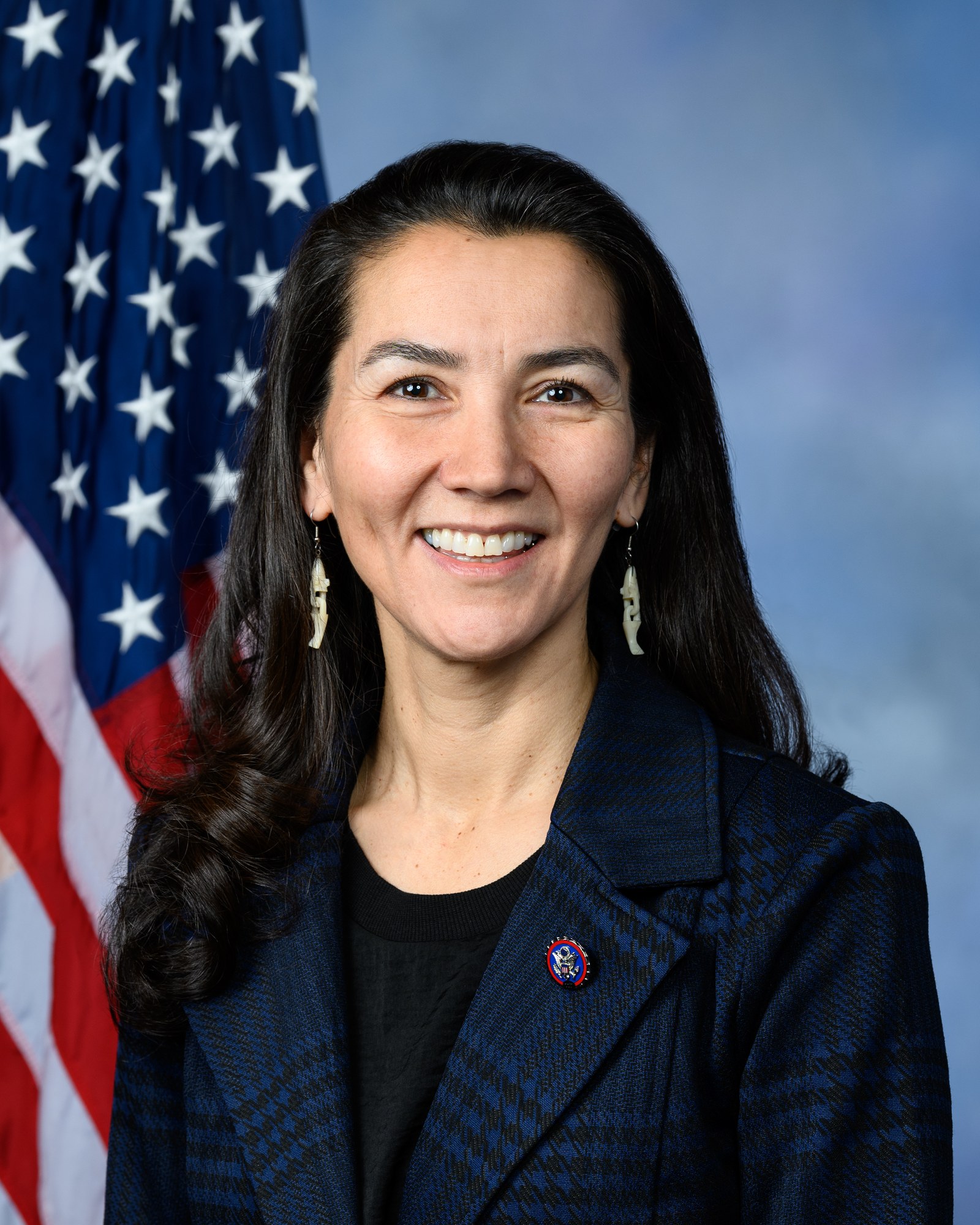
Six days before an election that could decide control of the U.S. Senate, President Donald Trump on Wednesday called for Alaska’s Democratic Senate nominee, Mary Peltola, to be prosecuted and removed from the ballot — after a New York Times investigation reported that her campaign worked to recruit a second candidate named Dan Sullivan to siphon votes from the Republican incumbent, Sen. Dan Sullivan. “We caught them cold, and Mary Peltola should resign from the race,” Trump told reporters at Joint Base Andrews on October 28. “I think she should be prosecuted criminally for what she did, and I think that the people that participated with her should.” The Alaska Senate race spoiler fight — until now a courtroom argument about one confusing ballot — is tonight a criminal accusation from the president against a named candidate, with no statute cited and no charges filed.
What the Times reported
According to the Times, which interviewed 12 people over two months and obtained dozens of text messages, the effort began in the summer of 2025, when a Peltola staffer was instructed by senior aides to find as many Alaskans named Dan Sullivan as possible, combing state voter records to build a list. The internal effort was dubbed the “ballot composition project.” The Democratic Senatorial Campaign Committee introduced a veteran Democratic operative from Ohio, Jerid Kurtz, to the campaign team; Kurtz, the Times reported, traveled to Alaskan communities under an assumed name and pitched would-be candidates over beers in brew pubs. The search landed on Dan J. Sullivan, a retired schoolteacher in the small fishing community of Petersburg — a left-leaning voter who, the Times reported, disliked Trump and was willing to help Peltola win. He switched his voter registration to Republican shortly before filing. Reuters reported the Times account on Wednesday, adding that Peltola’s aides worked with the campaign’s lawyers and senior DSCC staff, and that a second recruited candidate, Gerald Heikes, is also on the ballot after progressive candidate David Leslie was urged to withdraw. Elisa Rios, Peltola’s former campaign manager, who was fired in an August staff shake-up, told the Times that Peltola was “definitely aware” of the effort but not directly involved in running it. “Alaskan voters need to know,” Rios said. “There was a lot of speculation, and voters should get the full picture when making their decisions.” Rios later tried to retract her comments before publication; the Times reported her account was corroborated by text messages, internal documents and 11 other sources.
Trump escalates: prosecution, removal — and no named crime
Trump had already posted on Truth Social earlier in the day: “In Alaska, I don’t think Mary Peltola, after perpetrating such a terrible scheme, should be allowed to run, because this is ELECTION FRAUD. The Democrats cheated! They found a man named Dan Sullivan, put him on the Ballot, then lied to the Court, and said they didn’t know anything about it. That’s perjury. She shouldn’t be allowed to run, and neither should the FAKE Dan Sullivan!” On camera, he accused Peltola of “fraud to the public” but did not identify any statute he believes she violated. Attorney General Todd Blanche, asked on Fox News after the Times report appeared, said the recruitment effort “should be illegal” — but he likewise identified no crime that would support charges, and pointed instead to the administration’s civil lawsuit. Alaska election officials pushed back on the federal role itself: “Placing candidates on the ballot is a matter of state law, not federal law,” spokesperson Sam Curtis told CNN. Sen. Dan Sullivan, appearing on Fox News’ Hannity on Wednesday night, said his opponent should “come clean”: “She’s been lying for over a year. She’s run a campaign about supposed corruption. She’s the corrupt one working with DC insiders to trick Alaskans.”
The denials — and the other Sullivan
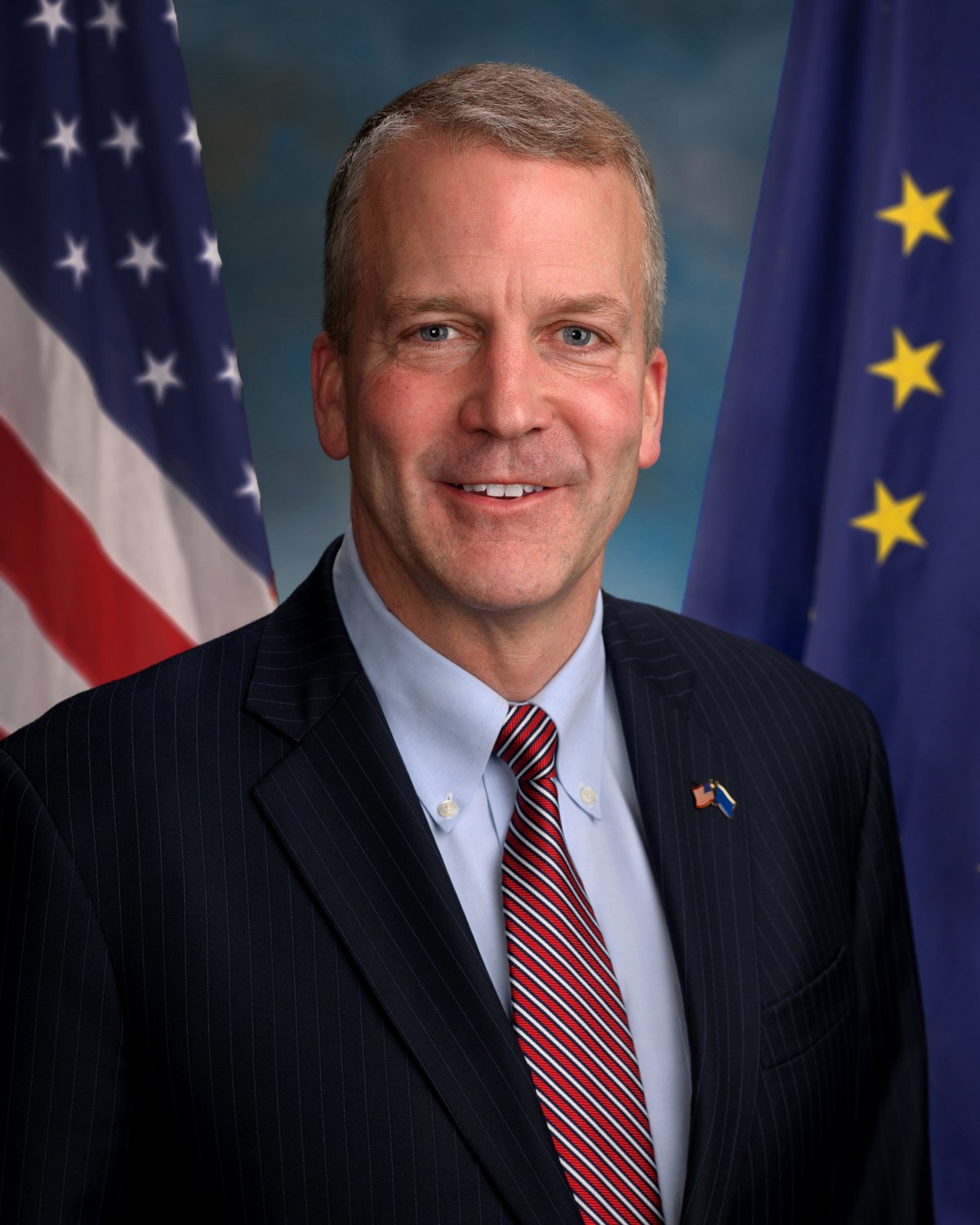
Peltola’s campaign continued to deny any involvement. “Mary got in this race because Alaskans deserve a champion who is fighting to lower their costs and put Alaska first, and no tweet or threat from any DC politician will keep her away from that fight,” the campaign told USA TODAY. “The Alaskans for Mary campaign has no involvement with either Sullivan campaign.” The DSCC also denied involvement, and its spokesperson Monica Robinson countered that Republicans “have a long history of recruiting and propping up candidates in an attempt to boost their own campaigns — including recruiting a prisoner with a New York address to run against Mary Peltola” this cycle. Dan J. Sullivan himself has denied running at anyone’s behest: “Zero, none, zilch,” he said in June when asked about contact with the Peltola campaign. The ballot itself is already settled law: a state elections official initially ruled Dan J. Sullivan ineligible, saying the candidacy was “filed with a purpose to confuse or mislead,” but the Alaska Supreme Court ruled he was qualified to run — the U.S. Constitution sets only age, citizenship and residency requirements for the Senate. On the November 3 ranked-choice ballot, four names appear: Peltola, Gerald Heikes, “Sullivan, Daniel J. Jr.” with no party label, and directly below him “Sullivan, Dan S.,” the Republican incumbent.
Why this matters
This is the second federal intervention in the same race in a week, and together they break new ground. Last week the Justice Department preemptively sued to block Alaska from certifying the result if Sen. Sullivan loses narrowly — a lawsuit Trump said he personally ordered — and on Wednesday the department told the judge it wants answers and evidence from the Peltola campaign, calling the recruitment a “conspiracy.” Peltola’s lawyers have asked the court to dismiss the suit. The sequence matters more than any single step: a president first orders a civil suit over a hypothetical result, then — armed with a newspaper investigation — demands prosecution of the opposing candidate six days before voting ends, while his attorney general concedes on television that he cannot name the crime. Elections in America are run by states, and Alaska’s own courts have already ruled on who may appear on this ballot. If a federal prosecution threat can hang over a candidate in the final week of a toss-up Senate race, the precedent will outlast Alaska: every future campaign will have to price in the possibility that hardball tactics, however unseemly, are rebranded as federal fraud by the incumbent party. The counter-argument is real, too: if the Times’ account is accurate, senior Democratic operatives really did hunt for a namesake to confuse voters — a tactic most voters, asked plainly, would call cheating, and one the state’s own elections chief initially said was filed to mislead. Both things can be true at once: a dirty trick, and a dangerous response to it.
The math: can a second Sullivan actually swing it?
Start with what the namesake actually draws. In Alaska’s August open primary, Dan J. Sullivan took 2.47 percent. Signal Post News’ earlier modeling of this race put his general-election share at 2 to 5 percent — larger than the final Peltola–Sullivan margin in every recent model of the contest, which is precisely why both parties are fighting so hard over him. But Alaska votes by ranked choice, and that cuts the spoiler effect down: a voter who picks the wrong Sullivan first can rank the senator second, and that ballot still lands in the senator’s column when the namesake is eliminated. The spoiler only truly bites on ballots that rank the teacher and then stop, or rank Peltola next. That is why the honest answer is conditional: in a race decided by five points, the second Sullivan is a footnote; in a photo finish — the kind Alaska produced in 2014, when Dan S. Sullivan unseated Mark Begich by about two points — a one-point confusion leak is the whole election. Control of the Senate may genuinely run through that rounding error, which is why a retired teacher from Petersburg is now the subject of a federal lawsuit and a presidential prosecution demand.
Spoiler games are an old, bipartisan habit
Namesake and spoiler recruitment did not begin in Alaska in 2026, and neither party’s hands are clean. Republicans in Alaska have themselves backed spoiler candidates in past cycles, as USA TODAY noted, and the DSCC’s counterattack lists Republican efforts this very cycle to place and fund candidates designed to hurt Peltola. What is new here is the scale of the paper trail — text messages, a named former campaign manager, a project with a code name — and the speed with which a campaign-finance-era dirty trick has been converted into federal litigation and a prosecution demand. Historically, American courts have been reluctant to police ballot composition beyond the constitutional qualifications, which is exactly what the Alaska Supreme Court applied in June. The Trump administration is asking federal courts to adopt a different standard mid-election: that a candidacy intended to confuse can void certification after the votes are counted.
What happens next
Three clocks are now running. First, the federal judge in the certification case must decide whether the Justice Department’s suit — now supercharged by the Times reporting — survives Peltola’s motion to dismiss, and whether the department gets the campaign evidence it requested on Wednesday. Second, the campaigns have six days: expect Republicans to loop the “ballot composition project” in every Alaska ad through Tuesday, and Peltola to run on costs and on the argument that Washington is trying to overrule Alaska’s own courts and voters. Third, election night itself: if Sen. Sullivan wins, the lawsuit likely evaporates; if Peltola wins narrowly, Alaska faces a certification fight in which every ballot cast for the wrong Sullivan becomes evidence. What no one should expect is a prosecution before November 3: no statute has been named, no grand jury announced, and the state’s ballot is, as its officials keep pointing out, a matter of state law. The threat, in other words, is the message — and in a race this close, the message may be the point.
Related coverage
Sources
New York Times investigation (October 28, 2026); Reuters, “Democrats recruited spoilers in Alaska Senate race, NYT says” — reuters.com; Associated Press via Scripps News Group, “Report: Peltola linked to effort to recruit second Dan Sullivan” — tampabay28.com; USA TODAY, “Trump calls for Peltola to be prosecuted after report on Sullivan spoiler” — usatoday.com; CNN, “Trump piles on in Alaska Senate fight” — cnn.com; President Donald Trump, Truth Social post, October 28, 2026 (quoted verbatim).