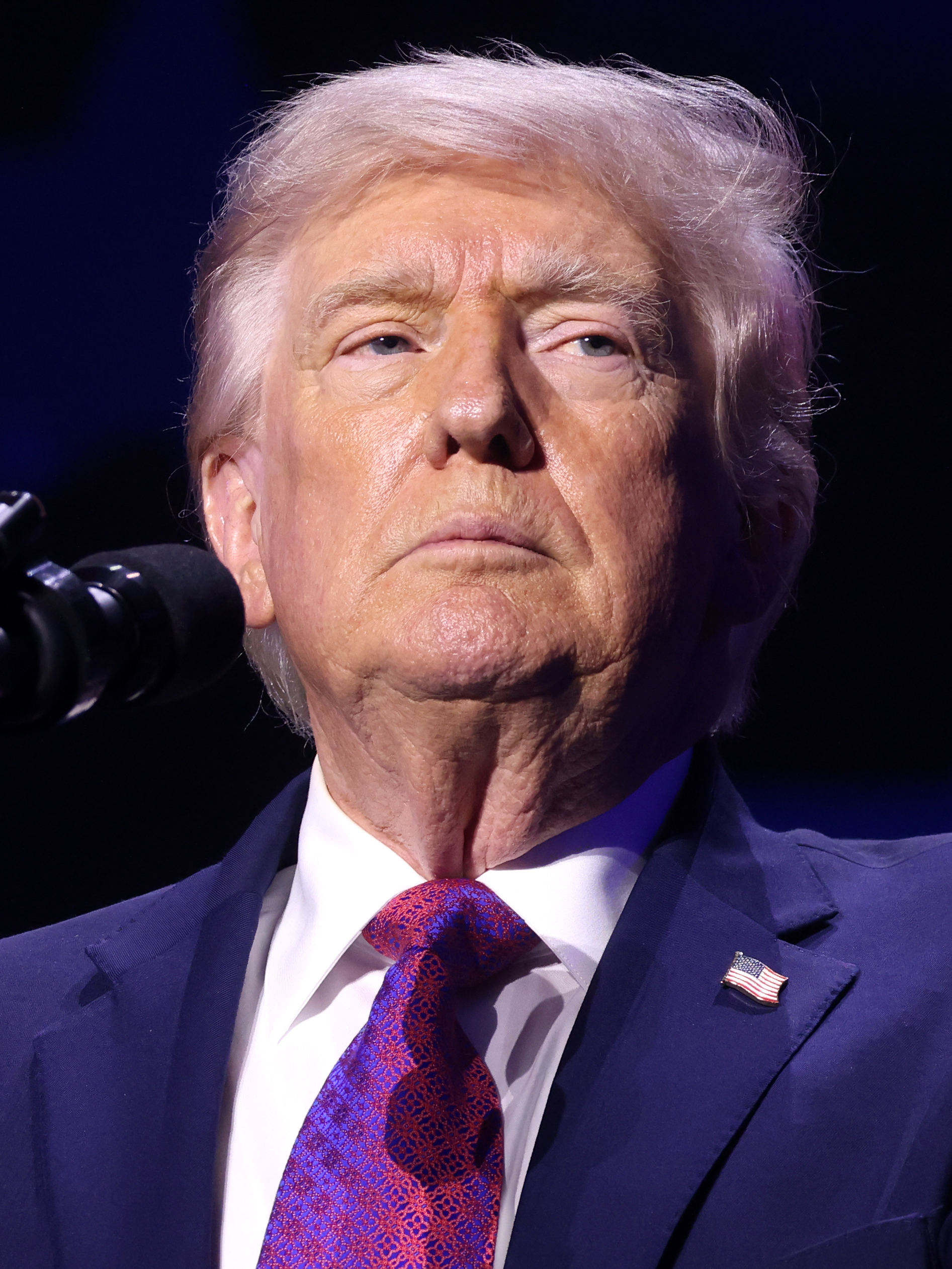
The Alaska ranked-choice voting repeal campaign has acquired its most powerful national advocate at the moment its fate is becoming entangled with two competitive statewide races. President Donald Trump urged voters Thursday to dismantle the system, backed Republican Sen. Dan Sullivan and Rep. Nick Begich, and promised to bring the argument to Wasilla on Oct. 13. The intervention comes before early voting opens Oct. 19 and as recent surveys place Democrat Mary Peltola ahead of Sullivan.
That collision of personalities, rules and timing makes Alaska more than a distant red-state contest. Voters will decide not only who governs and represents them, but also whether the election method that produced the four-candidate fields should survive. Supporters call the system a broader test of voter preference; opponents say it weakens party accountability and creates avoidable uncertainty.
Why this matters
Senate control meets an Alaska ranked-choice voting repeal fight
Sullivan's seat is part of the national arithmetic for Senate control. A Democratic win in Alaska would be a rare breach of territory Trump carried comfortably and would materially improve the party's path to a majority. For Republicans, the need to defend an incumbent here explains why the White House is investing presidential and vice-presidential attention in a state that usually sits outside the final-week battleground circuit.
Alaska is also the country's clearest statewide laboratory for pairing a nonpartisan top-four primary with ranked-choice general elections. Maine uses ranked choice in federal races, and cities elsewhere have adopted variants, but Alaska asks every voter to navigate the same system across major offices. Trump's decision to tie the repeal directly to Sullivan and Begich gives the ballot measure a national partisan frame, even though the rules were adopted by Alaska voters and their defenders span party lines.
The calendar compresses the debate. The Wasilla rally arrives six days before early voting. By then, arguments about election design will be inseparable from campaign appeals about who should win under that design.
What the president said
Trump Alaska ranked choice voting message targets the four-way ballot
In his Thursday Truth Social post, Trump focused first on the governor's lineup: three Republicans and one Democrat. He asked, “How stupid are we,” called ranked-choice voting “corrupt,” and said he hoped voters would repeal it in November. Those are political judgments, not findings of election misconduct; Alaska's current rules were approved by voters in 2020.
Trump then turned to the federal ticket. He called Sullivan the one strong Senate candidate, praised his incumbency and record, paired him with Begich as a “fantastic team,” and urged supporters to vote. The president did not endorse one of the three Republicans running for governor, an omission that leaves his complaint aimed more squarely at the system than at a particular candidate.
The message also highlighted Oct. 19 as the start of early voting and promised a visit. In campaign terms, it was both an endorsement and a turnout instruction: consolidate behind the preferred federal candidates, then vote to change the rules that produced the crowded fields.
The Wasilla rally: Trump's October offensive in Alaska
Trump Wasilla rally October 13 puts the repeal on center stage
Trump is scheduled to appear Tuesday, Oct. 13, at the Menard Memorial Sports Center in Wasilla. Doors are set to open at noon, the program at 2 p.m., and presidential remarks at 3:30 p.m. A Republican event listing reported by Alaska News says the Trump 47 Committee Inc. is paying for the rally. It will be the first presidential-style campaign visit to Southcentral Alaska in the closing weeks before the Nov. 3 general election.
The stop extends a coordinated White House push. Vice President JD Vance traveled to Fairbanks on Monday for Sullivan and announced federal support for a Railbelt transmission project. Trump also released a video urging voters to reelect Begich while criticizing independent House challenger Bill Hill. Together, the appearances connect national power, infrastructure promises and ballot mechanics in a single closing argument.
Alaska has recently featured in another Trump-Sullivan policy presentation: the proposed LNG project. Our earlier report examined the disputed $54 billion South Korean investment claim surrounding Alaska LNG.
The Senate race, by the numbers
Dan Sullivan vs Mary Peltola polls show a competitive finish
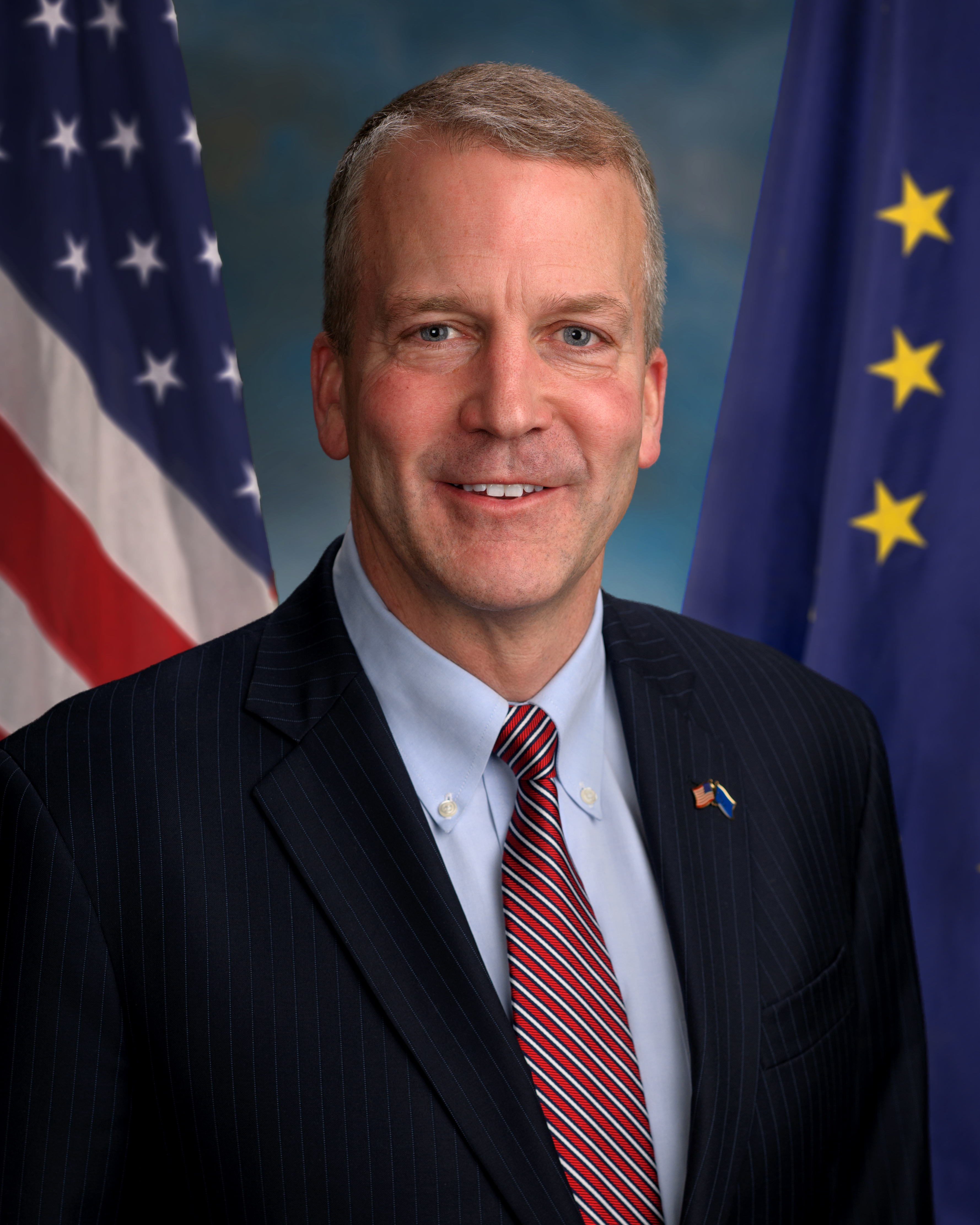
The latest public numbers explain the urgency. A New York Times/Siena survey conducted Sept. 24 through Oct. 1 put Peltola at 50% and Sullivan at 43%. Alaska Survey Research, polling 1,512 likely voters Oct. 1–3, found Peltola at 47% and Sullivan at 45%. Decision Desk HQ's model gave Peltola a 63% chance of winning as of Oct. 8. Polls and models measure probability, not destiny, but all three point to genuine Republican risk.
The ballot also includes Gerald Heikes and Daniel J. Sullivan Jr. Their presence matters under ranked choice because first-round votes can transfer after lower finishers are eliminated. The Alaska Survey Research poll suggested a close final allocation, illustrating why the contest cannot be read simply as a conventional two-candidate plurality race.
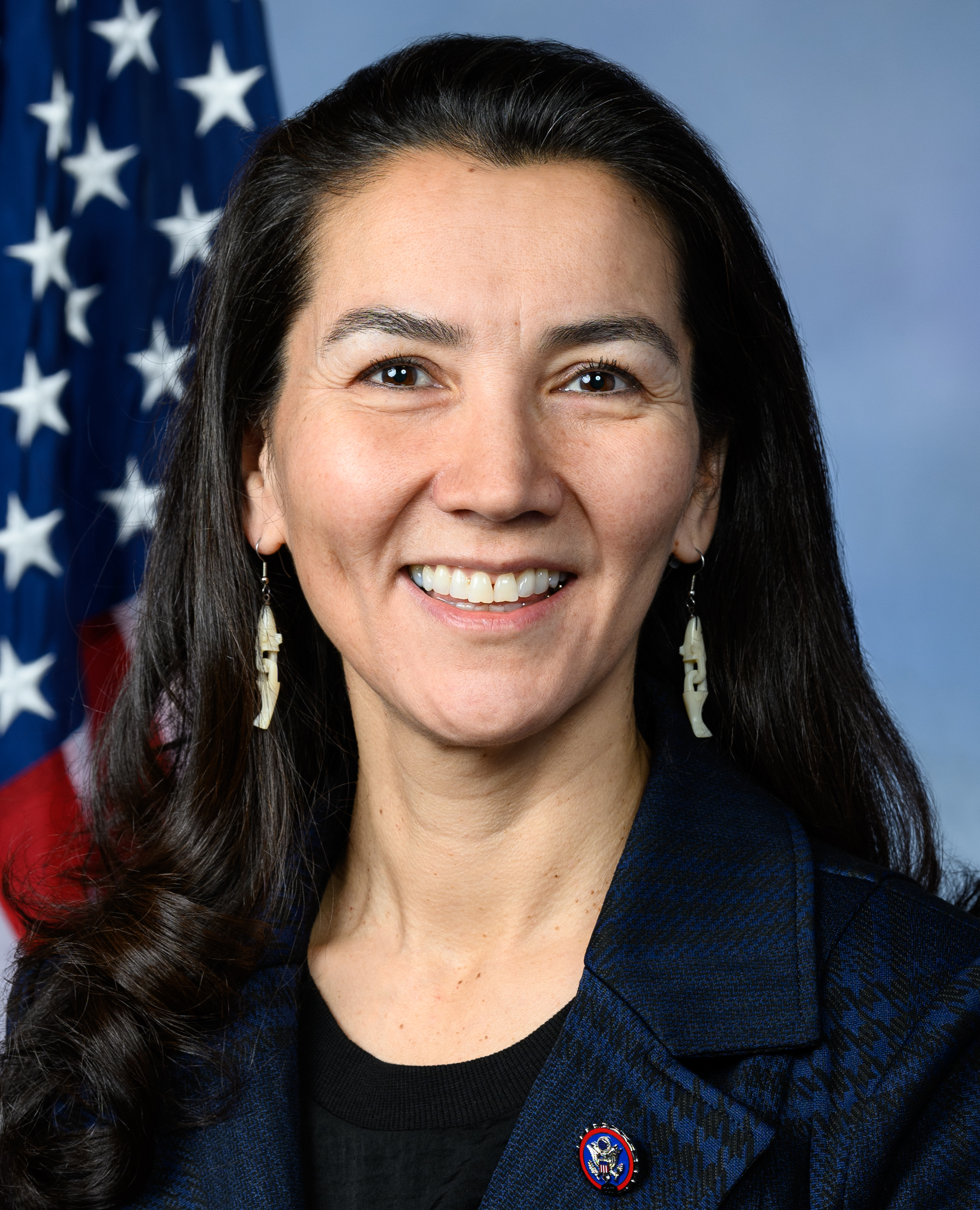
Peltola brings a distinctive statewide history. She became the first Alaska Native elected to Congress in 2022, then lost the House seat to Begich in 2024 and launched her Senate campaign in January 2026. Sullivan has held the Senate seat since 2015. The 2024 attempt to repeal ranked choice failed by roughly 740 votes, a margin narrow enough that neither side can treat the coming measure as settled.
What the figures do not prove is that ranked choice itself favors one party. The method changes how second and later preferences are counted; its effect depends on the candidates and how their supporters rank alternatives. National turnout pressures are also moving beneath the state race, as explored in our report on the Reuters/Ipsos midterm enthusiasm gap.
The governor's race and the three-Republican puzzle
Alaska open primary top four creates an unusual general-election field
The governor's race supplies Trump's most vivid argument. Democrat Jonathan Kreiss-Tomkins advanced alongside Republicans Dave Bronson, Treg Taylor and Bernadette Wilson in the contest to succeed term-limited Gov. Mike Dunleavy. Under the top-four system, party labels do not limit who advances from the primary; the four highest vote-getters move to November, and voters may rank them by preference.
Trump sees three Republicans against one Democrat and reads fragmentation. The strategic fear is easy to understand: Republican campaigns must compete for first choices, money and attention before their voters' later preferences can be redistributed. A divided field can also make party messaging less coherent at precisely the moment it wants unity.
Supporters of ranked choice answer that the system is designed for exactly this circumstance. Rather than allow a nominee to prevail with a narrow partisan base, it asks contenders to seek second-choice support from a broader electorate. In theory, that rewards coalition-building. Whether Alaska voters regard that as moderation or unnecessary complexity is the question the repeal measure will settle.
The repeal measure: what would actually change
Alaska ranked choice voting measure reaches beyond ballot counting
A vote for repeal would restore party primaries and end ranked-choice general elections. It would also repeal campaign-finance disclosure rules enacted with the 2020 initiative. That third component is easily lost in the argument over ballot design, but it has consequences for how political spending is traced.
The current system emerged from the 2020 voter-approved measure. Four years later, repeal came within roughly 740 votes of succeeding. The 2026 ballot therefore represents a rematch under far more national attention, with a sitting president actively campaigning against the rules and an incumbent senator's survival woven into the debate.
Critics of the repeal argue that Alaska would surrender some of the country's stronger donor-disclosure requirements along with ranked choice. Repeal supporters counter that party primaries make responsibility clearer and that conventional general elections are easier to understand. Those are separate claims bundled into one decision: who controls access to the general ballot, how winners are counted, and what voters can learn about campaign funding.
What happens next
October 13, October 19 and November 3 define the closing sprint
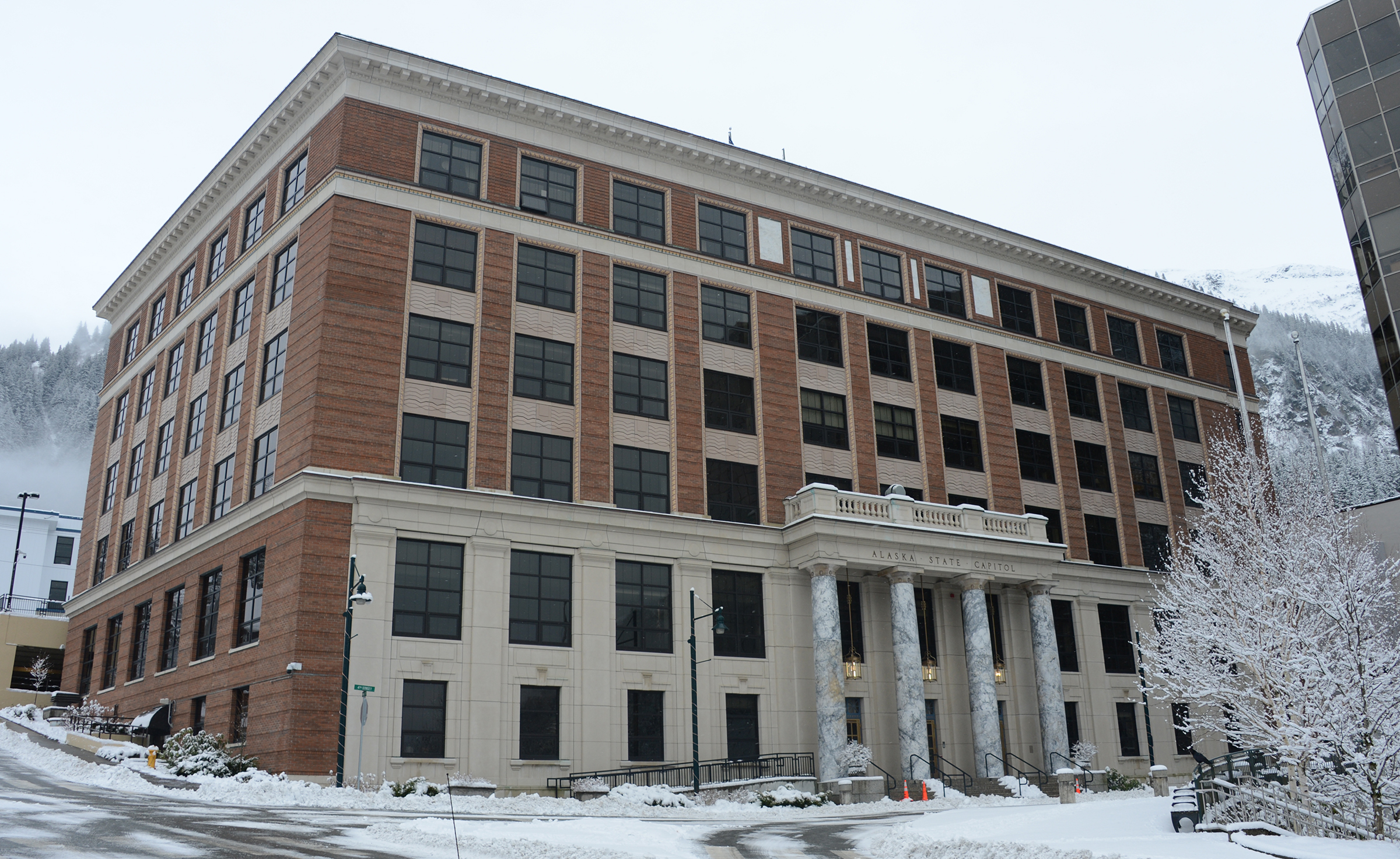
Trump's Oct. 13 rally is the next major event. Early voting follows Oct. 19. On Nov. 3, Alaskans decide the repeal measure, the Senate contest and the governor's race on the same ballot. That sequence gives the president one week to shape the conversation before votes begin accumulating.
If repeal passes, Alaska returns to party primaries and conventional general elections, while the linked disclosure rules fall away. If it fails, the 2020 system survives a second repeal attempt and gains a stronger claim to permanence. If Sullivan holds, Republicans will argue that ranked choice did not prevent party consolidation. If Peltola wins, both sides will study transfer patterns for evidence supporting their competing theories about the system.
Other states will be watching because Alaska offers something political arguments rarely do: repeated statewide experience under a different election architecture. The result will not settle the national debate, but it will supply its most consequential case study. Trump's intervention ensures that Alaska's decision will be read not merely as local election administration, but as a verdict on how much influence parties, candidates and voters should each hold over the path to office.
The broader midterm context includes Trump's recent shift toward encouraging methods he once criticized; see our analysis of his mail-voting reversal ahead of the November elections.
Sources
- Newsmax — Trump Urges Alaskans to Repeal Ranked-Choice Vote System (Oct. 9, 2026)
- Alaska News — Trump schedules Wasilla rally before Alaska general election (Oct. 8, 2026)
- Forbes Europe — Trump Rages at Alaska Republicans Over Three-Way Race
- Political Wire / NewsNation — Trump Slams Alaska's Ranked-Choice Voting System
- Trump's Truth — Archive of the Oct. 8 Truth Social post