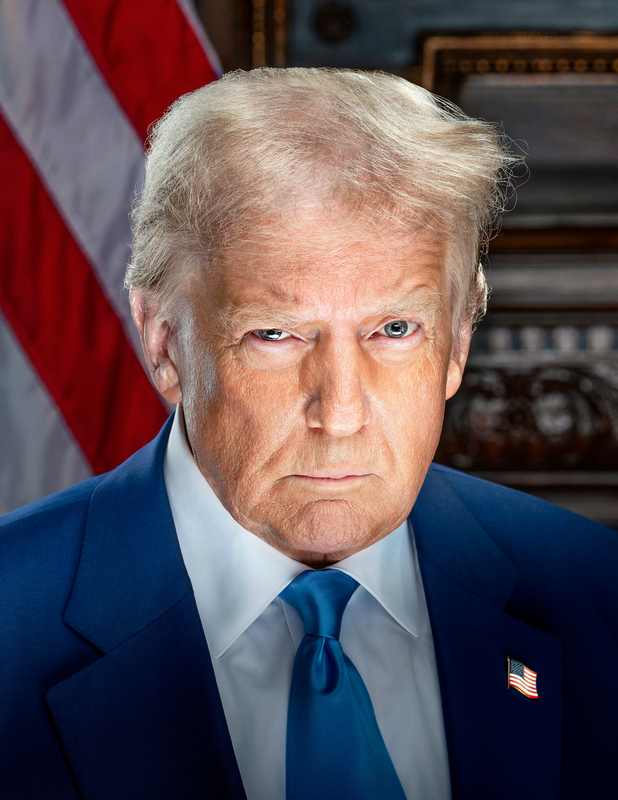
In an October 8 Truth Social post, the president accused Somali immigrants of “violence, murder, and mayhem” across Minnesota and offered federal help if the state asks — less than a month before the November 3 midterms.
On Thursday, October 8, 2026, President Donald Trump used his Truth Social account to urge Minnesotans to “fight back” against Somali immigrants, claiming the state was being “taken over” and promising that the federal government would “come to your rescue” if state leaders asked for help. It was the sharpest escalation yet in a week of increasingly harsh rhetoric from the president about Minnesota's Somali community — rhetoric that has drawn condemnation from civil-rights advocates and Minnesota Attorney General Keith Ellison, and praise from supporters who say it names crime problems that officials have ignored.
“The once Great State of Minnesota is being taken over by Somali Immigrants. There is Violence, Murder, and Mayhem all over the State. The people of Minnesota must fight back. You have been robbed, and abandoned by your State Government. Your Governor is an incompetent thief who doesn't want to get involved. He just wants to get out of town with as much as he can steal, and then, lead a quiet life. The Somalians should not be allowed to get away with what they are doing. They view you as weak and stupid people. Fight back Minnesota, fight back! If you need, the Federal Government will come to your rescue. Governor Tim Walz, and Mayor of Minneapolis, Jacob Frey, must immediately ask for Federal help — and leave the rest to us! President DONALD J. TRUMP”
Why this matters
It is extraordinary for a sitting president to urge residents to “fight back” against a specific ethnic community. Civil-rights advocates warned that the language could put Somali Minnesotans in danger and deepen stereotyping. Supporters read it differently: as long-overdue backing for communities they say have been victimized by crime and ignored by state leaders.
The federal-rescue offer raises concrete questions. What would federal help in the Twin Cities entail, and would Governor Tim Walz or Minneapolis Mayor Jacob Frey ever request it? Earlier this year, ICE ran “Operation Metro Surge” in Minneapolis, an operation that is now inactive, while a White House task force led by Vice President JD Vance continues fraud probes. A federal footprint in the state is therefore not hypothetical, especially alongside the recent surge in Somali deportation orders in Minnesota.
The timing is political. The post landed less than a month before the November 3 midterm elections, at the end of a week in which Trump escalated his attacks on Minnesota's Somali community almost daily. It also fits a broader midterm strategy aimed at turning turnout, immigration and public safety into one national argument.
How we got here
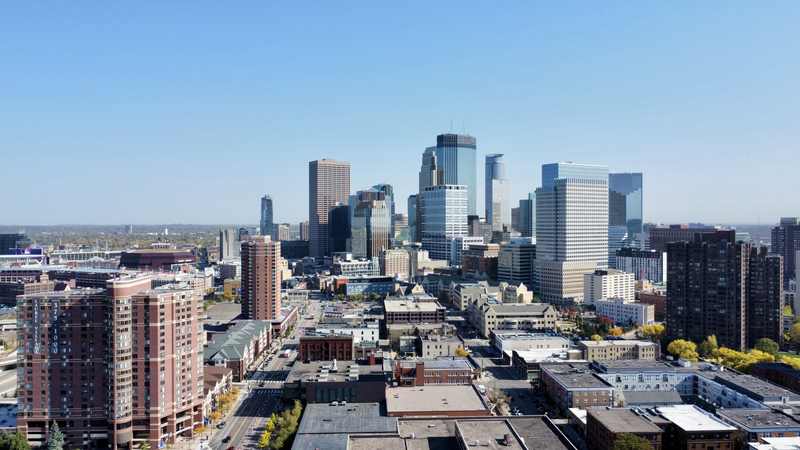
Minneapolis–St. Paul is home to more than 100,000 people of Somali descent — the largest Somali population in the United States. For years, the community's story in national media has been a tug-of-war between integration success and a handful of high-profile scandals.
The biggest was the Feeding Our Future fraud scandal. The Trump administration has reported that 85 of 98 defendants in related fraud investigations were of Somali descent, though some prosecutions began before Trump returned to office in January 2025. The ringleader, Aimee Bock, is not a Somali immigrant, and she was sentenced to 41 years in May.
This week added two new flash points. Federal authorities said they thwarted an alleged ISIS-inspired plot by Sheikhdoon Abdullahi Mohamud, 18, a U.S.-born man of Somali descent, to attack an October 24 event at the Mall of America. Separately, Axios reported that representatives of roughly 40 Twin Cities law-enforcement agencies were preparing to discuss a regional response to gang violence after police linked a series of shootings to Somali American gangs. Somali community members, meanwhile, voiced concerns that those cases would be used to stereotype a much larger population.
Trump had been building toward the post for days. Last week he called Somalis “garbage” and vowed to send Somalis “back to where they came from.” On Tuesday he said Somalis in the United States should “go back to where they came from and fix it,” and pledged to terminate temporary protected status for Somalis — a status that an August congressional report said covers just 705 Somalis nationwide.
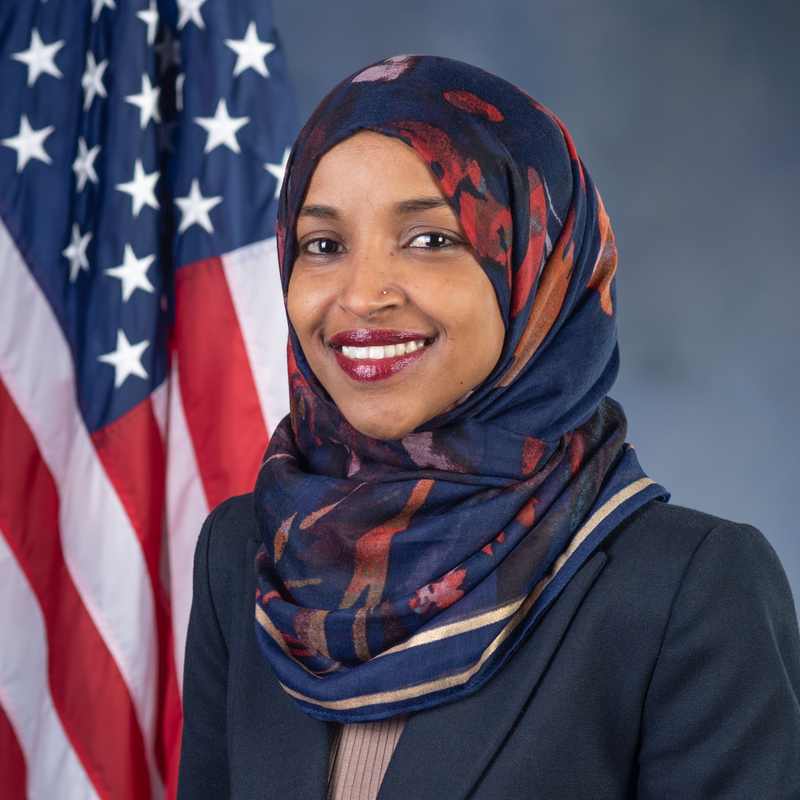
He has also repeatedly attacked Rep. Ilhan Omar, a Minnesota Democrat, calling her “garbage” last week. She pushed back on social media Tuesday, writing: “His obsession with me is creepy. I hope he gets the help he desperately needs.” Reuters noted that hours before the Somali post, Trump had also labeled Abdul El-Sayed, a Muslim U.S. Senate candidate, a “radical extremist.”
Multiple angles
Who benefits
Politically, the post electrifies Trump's base with less than a month to the midterms. It casts the president as the only leader willing to confront problems his supporters believe Minnesota officials have downplayed, and it nationalizes the state's local crime and fraud debates into a referendum on immigration enforcement.
Who loses
Somali Minnesotans face the most immediate risk. Community leaders have repeatedly warned that sweeping rhetoric converts isolated crimes into collective suspicion of an entire community of more than 100,000 people.
Walz and Frey are cornered. Asking for federal help would hand Trump a political victory and alienate their own base; refusing it invites “soft on crime” attacks in a midterm cycle. Either way, the choice is now public.
What critics say
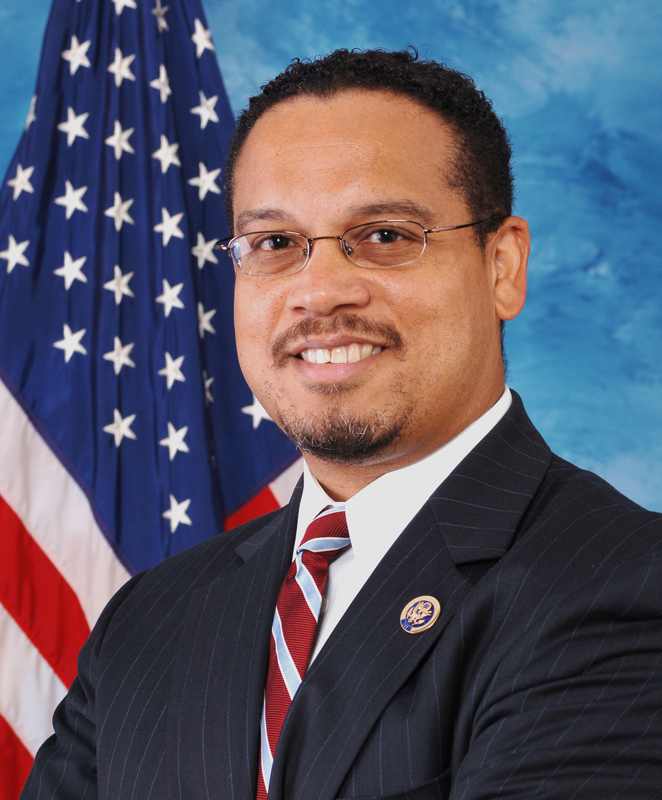
Civil-rights advocates criticized the post as bigotry targeting an ethnic community. Minnesota Attorney General Keith Ellison responded directly: “Somali Minnesotans are our neighbors. They are part of Minnesota. And the Minnesota I know and love is so much better than this bigotry.”
Community members cited in the Axios reporting said linking gang violence to the Somali community as a whole risks stereotyping. Supporters of the president counter that the post names real problems — fraud, gang violence and a thwarted terror plot — that predate this week's rhetoric.
What the numbers actually say
More than 100,000 people of Somali descent live in Minnesota; 705 Somalis nationwide hold temporary protected status, according to an August congressional report. The TPS-termination pledge, in other words, affects a tiny fraction of the community the post describes — a gap worth keeping in mind when weighing rhetoric against policy.
The reported figure that 85 of 98 fraud defendants were of Somali descent is striking, but the case's central figure — Aimee Bock, sentenced to 41 years, the longest term handed down — was not a Somali immigrant. A community-wide verdict and an individual-accountability verdict are different things, and the numbers support only one of them.
Scale also matters. The Minneapolis–St. Paul metro has about 3.7 million residents. Minnesota's Somali community is roughly 3 percent of it — large enough to be a visible, established community, and a fraction of the size the phrase “taken over” implies.
What happens next
Watch Walz and Frey. A request for federal help would be the story's second act, and a refusal keeps the midterm cudgel in Trump's hand. Neither man has an easy option.
Watch the TPS pledge. Terminating temporary protected status requires formal process and notice, and past TPS terminations have drawn immediate lawsuits. A court fight is near-certain if the administration moves.
Watch the midterms. Minnesota will test whether immigration-and-crime rhetoric moves suburban voters the way the 2024 campaign suggested it could, or whether the backlash Ellison voiced defines the state's response. Either outcome will shape how both parties talk about the Twin Cities after November 3.
And watch the streets. The test of the “fight back” framing is whether it stays a social-media slogan or shows up in real confrontations. Civil-rights groups will be watching that line closely.
Sources
Reporting with attribution, scale and the competing claims in view.