World / France — A gunman firing from a moving car shot people at a petrol station, a medical centre and a playground in Trappes and La Verrière, west of Paris, on Friday morning, killing a 26-year-old man and wounding five others, among them a 12-year-old girl hit eight times. Interior Minister Laurent Nuñez called it a “terrorist crime”; anti-terror prosecutors are investigating whether the victims were targeted because of their race or religion. The motive has not been established.
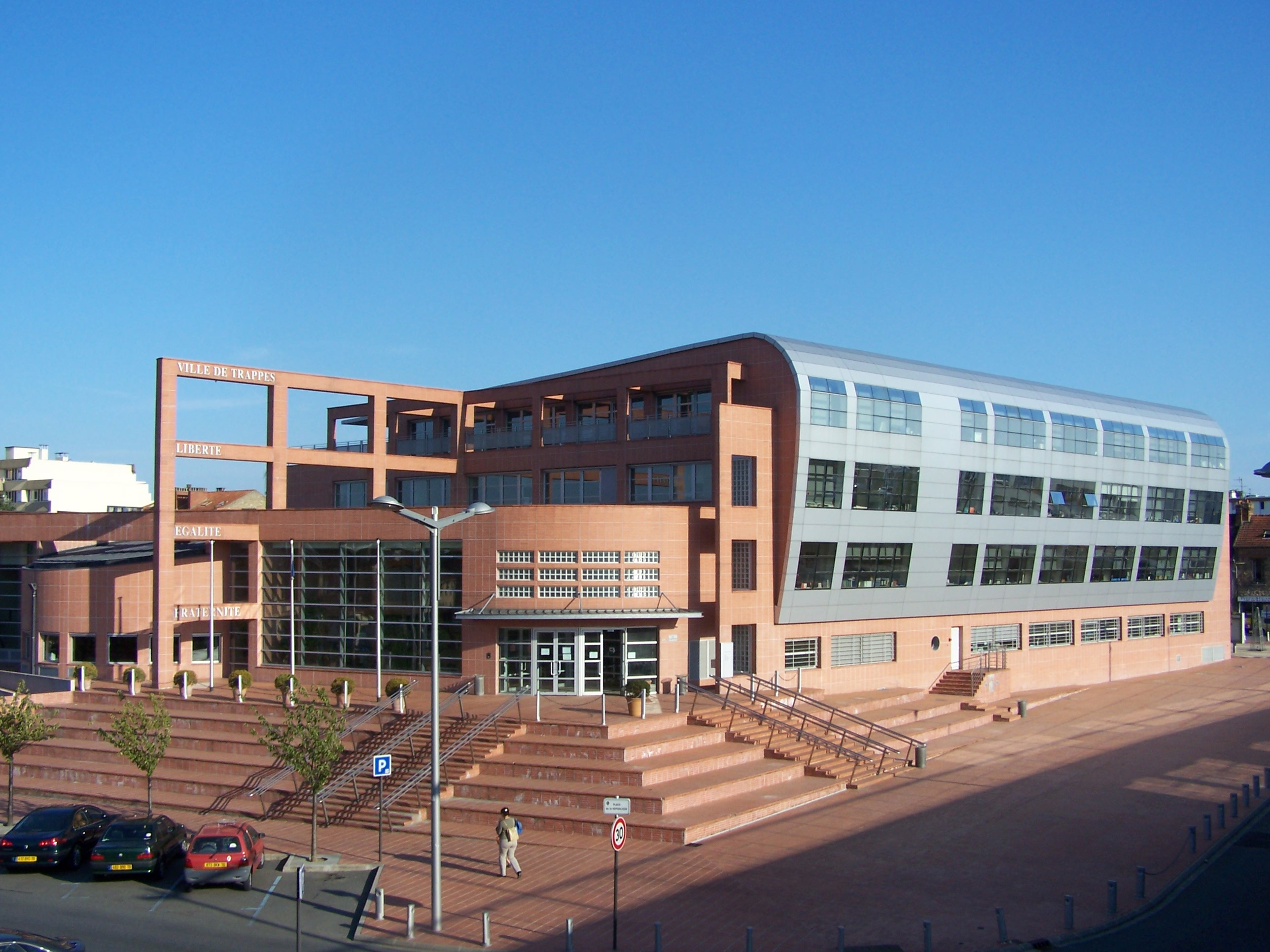
PARIS — It took less than fifteen minutes. At about 10:30 a.m. on Friday, October 23, a man driving a grey Renault Clio through the streets of Trappes, a town of some 34,000 people in the Yvelines department about 27 kilometres west of central Paris, began shooting out of his car window at people he passed — at a petrol station, at a medical centre, at a playground — and then drove on into neighbouring La Verrière and kept firing, according to Interior Minister Laurent Nuñez and the mayors of both towns.
By the time five officers of an anti-crime brigade stopped him, one person was dead and five were wounded, three of them very seriously, with their lives in danger, Nuñez told reporters in Trappes. The man killed was 26 and had been near a playground, visiting his family, according to Trappes Mayor Ali Rabeh. Among the wounded is a 12-year-old girl who was hit eight times; La Verrière Mayor Nicolas Dainville said she was seriously wounded and in a stable condition. Two men aged 29 and 49 were among those taken to hospital. Early wire reports put the wounded at four; the interior minister’s later on-the-scene briefing, carried by the BBC and the Press Association, settled the toll at five wounded.
France’s National Anti-Terrorist Prosecutor’s Office has taken over the investigation, and the charges it is examining are the gravest in the French code for an attack of this kind: murder in connection with a terrorist enterprise, attempted murder, possession of a military-grade weapon and terrorist conspiracy — with the aggravating circumstance that the acts may have been committed because of the victims’ real or perceived membership of a race, ethnicity, nation or religion. That last line is a line of inquiry prosecutors have opened, not a finding they have made. No motive has been established, and officials have repeatedly urged caution while the investigation establishes the facts.
Fifteen minutes, three locations, one arrest
The sequence prosecutors and mayors have described is short and, in its randomness, chilling. The gunman fired at three separate locations across Trappes and La Verrière in under fifteen minutes, witnesses describing a grey Clio moving through several neighbourhoods as shots came intermittently from the window. Rabeh told BFMTV the man “appeared to be firing at random and seemed intent on carrying out a massacre,” and said later that he “wanted to cause carnage. It is a miracle that there were not more victims.”
The arrest came almost as fast as the attack. French media identified the suspect as a 39-year-old man, named in reports as Kévin T., who lives in nearby Plaisir; reports differ on whether he was detained on the N10 in La Verrière or in a car park in neighbouring Coignières, but agree he was in custody within minutes of the first emergency calls. He was known to police for previous offences, according to local media, but was not known to France’s intelligence services. Dainville described him, without further detail, as a resident of Plaisir “of a European type.”
The weapon, too, is described differently at this early stage: Nuñez said the suspect fired “what appears to have been a military-grade weapon, or at least an automatic weapon,” while other reports, citing a police chief, described an older-style semi-automatic weapon dating back to the Second World War, and one account called it a Second World War-era sub-machine gun. Which it was will be a basic fact for investigators to fix. The same caution applies to reports that the suspect’s home was found booby-trapped with gas cylinders: asked about them, Nuñez said only, “We have heard those reports. The investigation will establish the facts.” The Times reported that the constituency MP, Laurent Mazaury, said the suspect had told officers he wanted to “kill foreigners” — a claim that, if confirmed, would go to motive, and which prosecutors have not publicly confirmed.
“A terrorist crime” — and a motive investigators have not settled
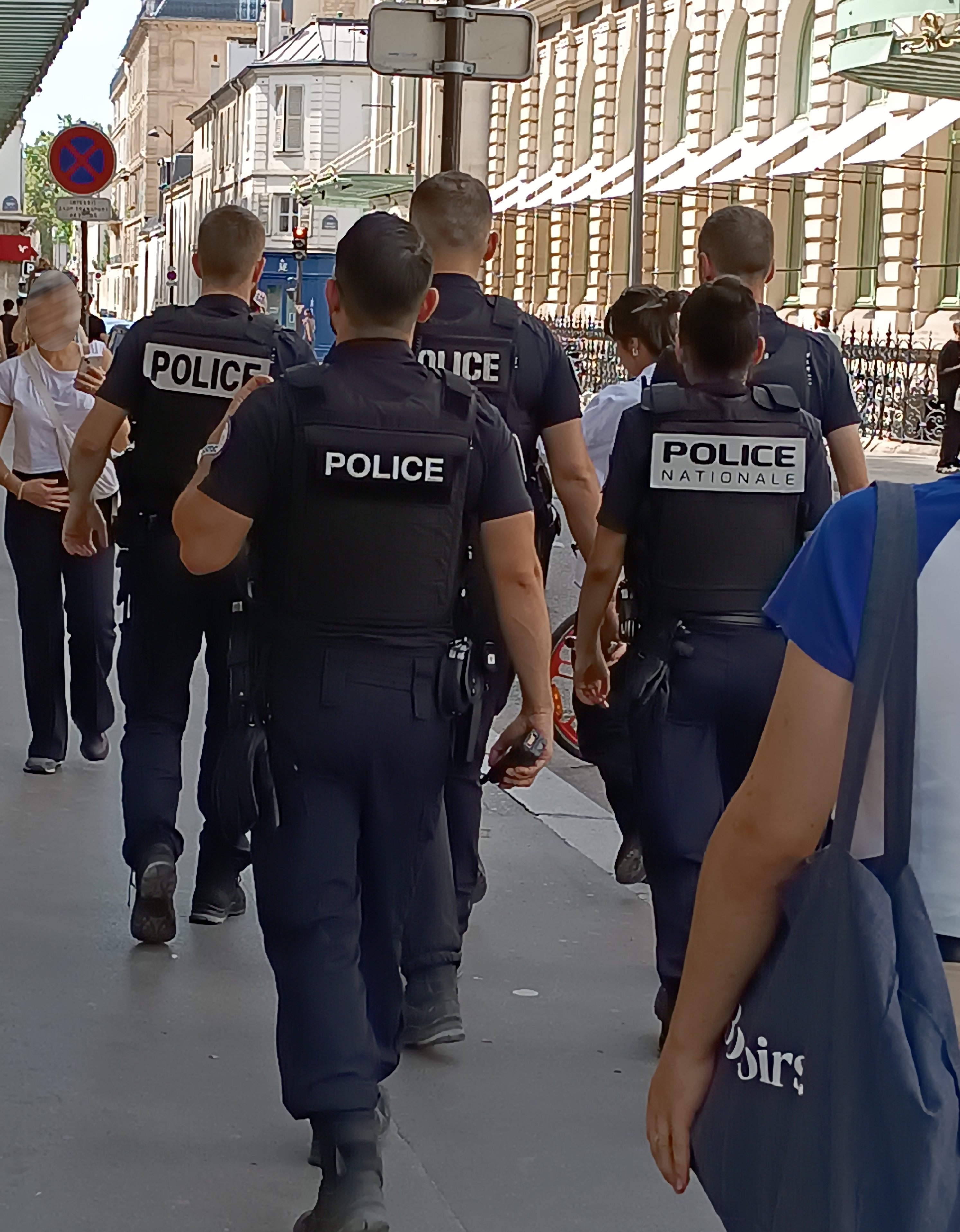
Nuñez, who went to Trappes on Friday, left little doubt about how the state is classifying the attack. “A deadly rampage took place this morning,” he said. The case is being investigated as a “terrorist crime,” he confirmed, with a possible racist motive among the questions prosecutors are pursuing. He commended the five officers who stopped the suspect for their swift response.
Rabeh went further, and his words are his own characterisation, offered before any prosecutorial finding: he described the attack as racist and “probably Islamophobic,” said the man killed was of African origin and one of those critically wounded was of North African origin, and called it “probably one of the first attempted mass killings motivated by Islamophobia and racism.” Aurore Bergé, the minister for gender equality and the fight against discrimination, responded to that possibility without endorsing it as fact: “If a racist motive is established, I hope that the whole nation will stand alongside the residents of Trappes, La Verrière, and the victims. We cannot tolerate even the slightest racist remark in the French Republic.”
President Emmanuel Macron, in a post on X, expressed his “deep emotion following the shooting attack that occurred in Trappes and La Verrière,” said the nation stands with the victims, and thanked the law-enforcement agencies that had taken the suspect into custody, noting that the anti-terror prosecutor’s office had taken over the case. Prime Minister Sébastien Lecornu said all available security and judicial resources had been fully mobilised. A psychological support unit will be set up in Trappes, Rabeh said.
Why this matters
The timing is the first reason this shooting will not stay a local crime story. It happened on the eve of the second Saturday of nationwide protests against the cost of living — a weekend for which the government is mobilising 70,000 security forces, closing the Louvre, banning demonstrations in Marseille and Lyon and moving the PSG–Lyon match off Sunday altogether. France’s security apparatus was already stretched to its announced maximum before a shot was fired in Trappes. An attack now classified as a terrorist crime, in a diverse working-class banlieue, lands in the middle of an argument the country was already having at full volume: after last Saturday’s violence, some on the far right blamed immigration, Reuters noted in its coverage of the shooting. If prosecutors do establish a racist motive, the political direction of that argument reverses overnight; if they do not, the early characterisations by local officials will themselves become part of the controversy. Either way, what investigators can prove — not what the first hours suggested — is what will matter, and the prosecutor’s office has structured its inquiry to answer exactly that question, with the race-and-religion aggravating circumstance written into the case from the start.
The second reason is the target pattern. A petrol station, a medical centre, a playground: these are not symbols of the state, they are the ordinary furniture of a Friday morning. Attacks on soft, everyday places are the hardest for any security posture to prevent, however many forces are deployed — a point France has learned repeatedly over the past decade, and one that a 70,000-strong deployment for Saturday cannot by itself answer. The third reason is local. Trappes carries a heavy reputation in the French press — poverty, gang violence, and the fact that dozens of its residents left to join the Islamic State in the last decade — and its mayor is now describing its people not as a security problem but as the victims of one. How the town is treated in the days ahead, by politicians and by the press, will say a great deal about which of those frames France reaches for first.
What happens next
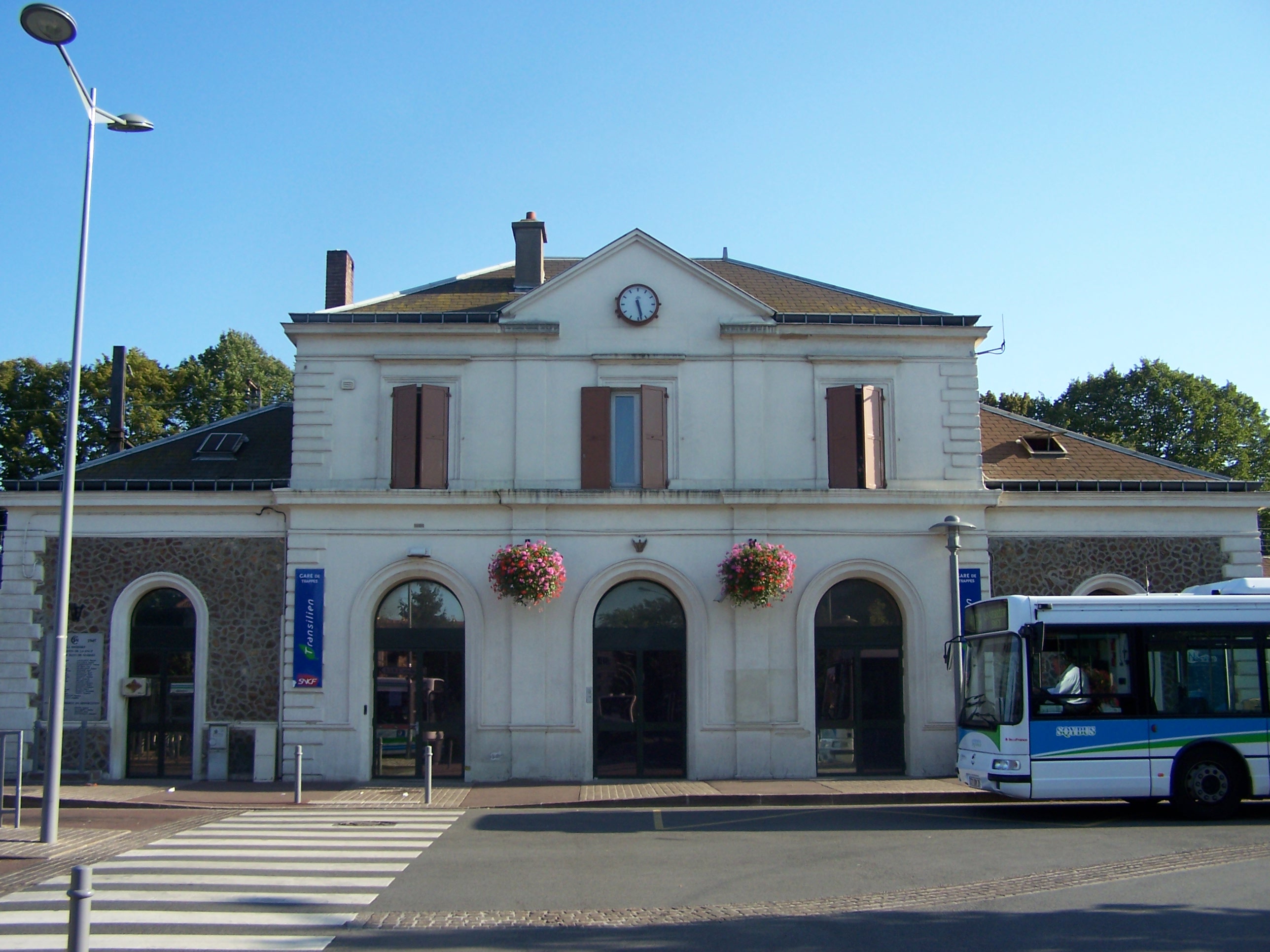
The suspect is in police custody and can be held for extended questioning under France’s anti-terror procedures while investigators work through the open questions: the weapon and where it came from, the reports about his home, his record and contacts, and above all whether the choice of victims was, as prosecutors are examining, driven by race or religion. The condition of the three seriously wounded victims — above all the 12-year-old girl — will decide whether Friday’s toll stands at one dead. In Trappes, the psychological support unit and the town’s own response will unfold under national attention. And on Saturday, France will hold the protest weekend it had already planned for, now with a terrorist investigation running in a Paris suburb behind it — the security operation described in our coverage of the weekend curfews imposed after last week’s riots, the aftermath assessed in our report on the unrest’s toll and Macron’s address, and a cultural shutdown that has already closed Art Basel Paris for the weekend.
For now, the established facts are narrow and grave: one man dead at 26, five people wounded, a child shot eight times, a suspect in custody, and a state that has chosen its most serious legal frame for what happened. Everything beyond that — motive first of all — belongs to an investigation that has only just begun, and this report will be updated as prosecutors establish it.
Sources: Reuters (Oct 23, 2026) — gunman firing from a car west of Paris, suspect in custody, Macron statement, anti-terror prosecutor examining terrorist, racial or religious motive; BBC News (Oct 23, 2026) — one killed, five wounded, three seriously, roughly 15-minute rampage across Trappes and La Verrière, prosecutor’s listed offences including the race/ethnicity/nation/religion aggravating circumstance; Press Association via the Irish Examiner (Oct 23, 2026) — Nuñez on-the-scene briefing, five anti-crime brigade officers, Bergé statement, booby-trap caution; The Times (Oct 23, 2026) — Mazaury claim, playground and surgery locations; AFP reporting via Dispatch Times (Oct 23, 2026) — 10:30 a.m. timing, girl stable per Dainville, victim aged 26, suspect identification in French media.