France curfew: Prime Minister Sébastien Lecornu on Monday, October 19, 2026, asked local authorities to impose partial, localised curfews from this evening in areas hit by a weekend of rioting that left at least two people dead, more than 2,000 under arrest and thousands of businesses damaged — insisting a blanket Paris curfew is out of the question and holding a state of emergency in reserve.
The decision: local curfews tonight, emergency powers in reserve
PARIS — Lecornu said on Monday that he has asked local authorities — the prefects who represent the state in each region, and the municipalities — to impose "partial and localised" curfews this evening in areas struck by the weekend's rioting. Which places, and in what form, were still to be announced later on Monday: the orders sit with the local authorities. Two boundaries were drawn immediately. A full curfew on Paris is not among them — "It is out of the question to put all of Paris under curfew," the prime minister said. And the heavier weapon, a state of emergency, is not being used yet. Lecornu did not rule one out — if deemed necessary, "we could do so," he said — but judged that at this stage partial curfews are "more appropriate." He described himself as "fully resolved to restoring public order."
The sequencing matters. A state of emergency is a formal legal regime expanding police powers across the board; reaching for it three days into a crisis would concede that ordinary law has failed. A menu of local curfews, each signed locally, keeps the crisis officially local — and spreads the political ownership.
One thing the government was quick to protect is Tuesday night's football. Interior Minister Laurent Nuñez said there are no plans to cancel Tuesday evening's Paris Saint-Germain match against Barcelona, a fixture that will put tens of thousands of supporters — and a vast police operation — into the capital the night after the first curfews take effect. Holding it is itself a statement: Paris remains a city that can stage a European night game on schedule.
The towns that moved first
The national framework was, in one northern town, already a lived reality. In Denain, a town of about 20,000 people near the Belgian border, around 50 people set fires and attacked police on Saturday night. The mayor, Anne-Lise Dufour-Tonini, responded with the sharpest local order reported so far: a curfew from 9 p.m. to 6 a.m., running through Sunday, October 25 — a full week of emptied streets. Local media later reported the order was narrowed to cover unaccompanied minors in certain neighbourhoods, a common French pattern once the first nights pass. Denain is the concrete case the national announcement now generalises: small town, one bad night, a mayor who did not wait for Paris.
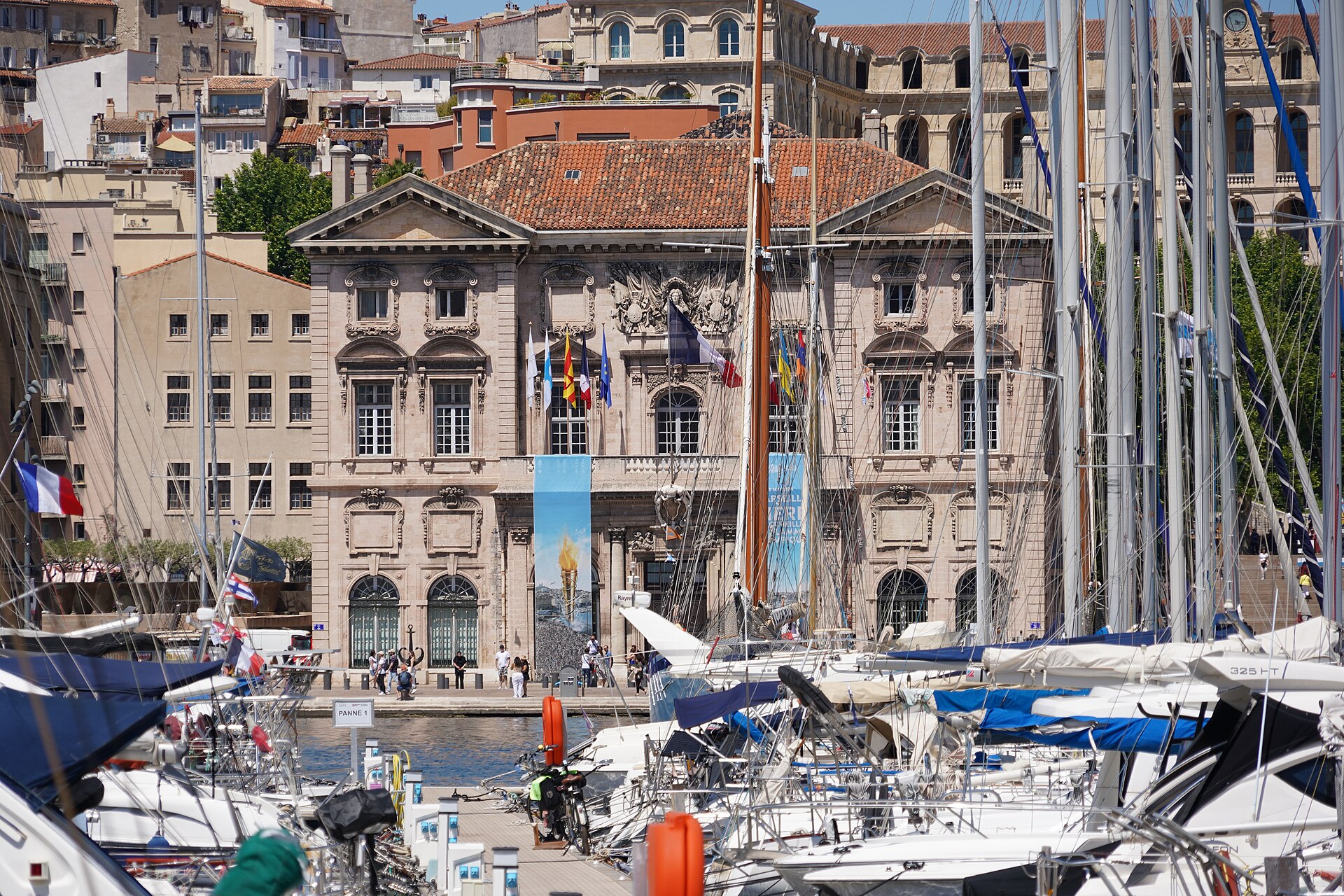
At the other end of the scale, Marseille chose a different instrument. France's second city banned all gatherings and demonstrations from midday to 8 p.m. on Monday — a daytime order aimed at preventing a repeat assembly. The mayor, Benoît Payan, had reason: he described an "almost total loss of control" on Saturday, when a group entered the city hall itself, the Olympique de Marseille official store was looted and dozens of shop windows were smashed. Marseille's ban and Denain's week-long curfew are the two poles of the policy Lecornu is now nationalising: ban the gathering where the crowd is the danger, curfew the night where the fire is.
Paris on Monday: a closed Louvre and shuttered luxury
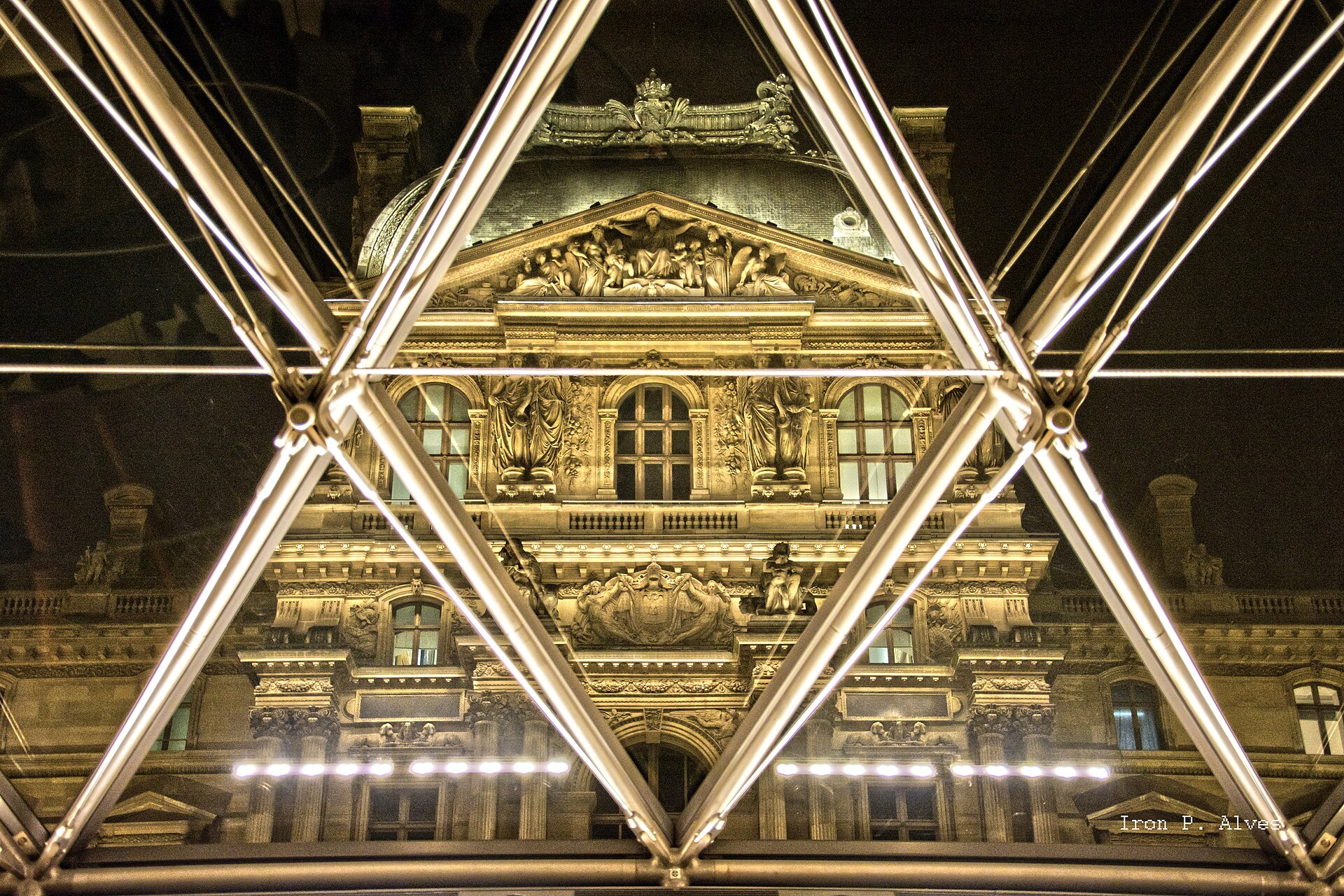
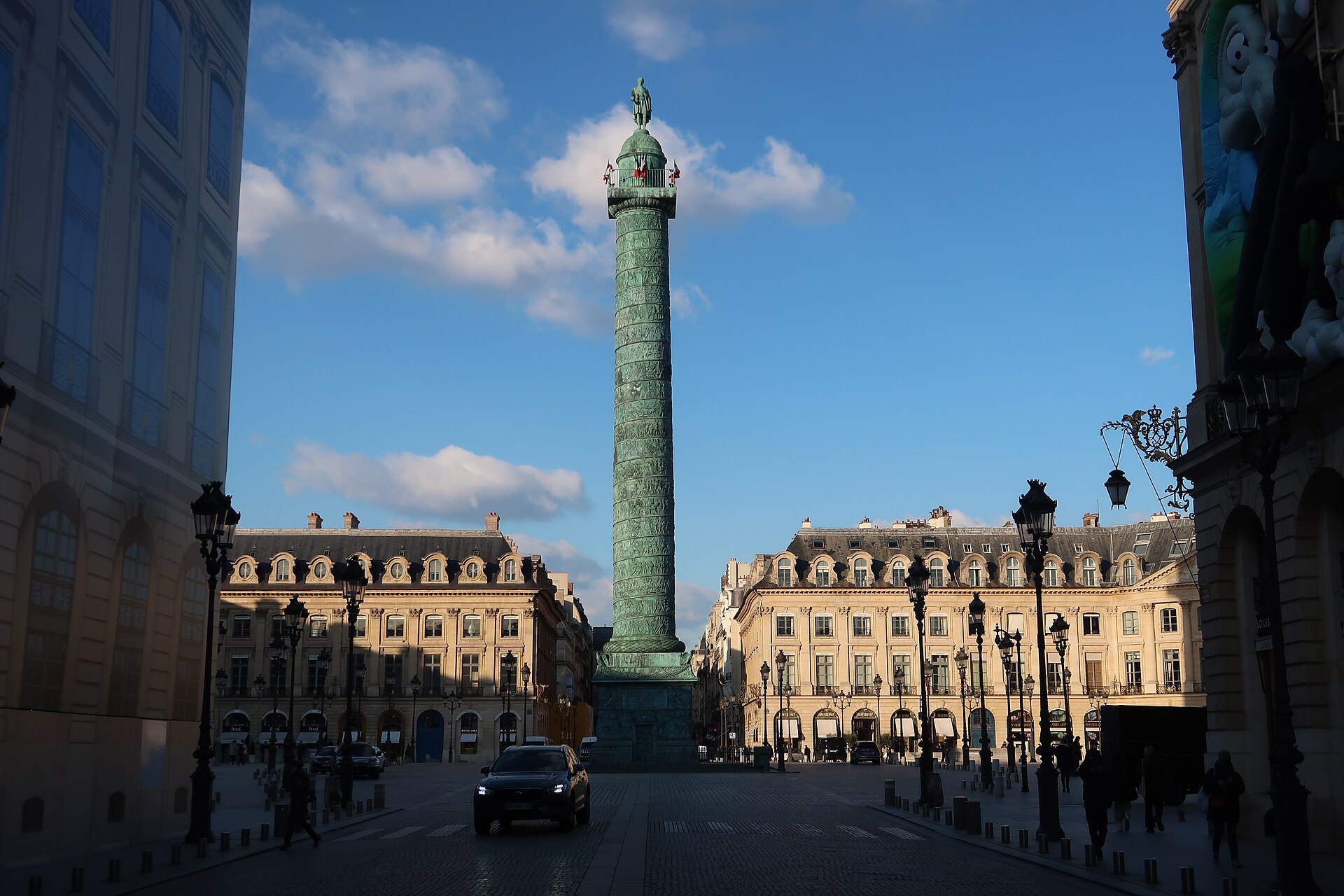
The capital's Monday showed why the prime minister's Paris line — no blanket curfew — is a gamble as well as a reassurance. Protesters blocked access to the Louvre, and the world's most visited museum closed for the day. Blockades also went up at Sciences Po. And on the Place Vendôme, the square of jewellers and palace hotels, luxury boutiques stood shuttered behind security guards after the weekend's damage: the front door of Dior smashed, windows damaged at Rolex, Louis Vuitton, Ralph Lauren and Gucci. None of that is a city under curfew. All of it is a city visibly bracing — its museum shut, its richest square trading behind guards, its government insisting the normal instruments are enough.
The weekend in numbers
The curfews are the answer; the weekend is the question, and it is best stated plainly, figure by figure. More than 2,000 people were arrested, according to CNN's accounting. At least two people died, and the serious injuries included two people who lost hands, CNN reported. At least 3,000 businesses were damaged or looted, according to the Associated Press. The crowds were counted in the hundreds of thousands: one estimate put demonstrators nationwide at about 800,000, while Reuters-syndicated reporting described the turnout more cautiously as hundreds of thousands. Against them, the state deployed 60,000 police and security personnel on Saturday, a figure given by Nuñez to France Inter — and the interior minister acknowledged it was not enough. In Limoges, the 19th-century city hall was set ablaze and its roof collapsed; in central France, another town hall was torched, in Reuters-syndicated reporting. And one fact was repeated by authorities and protest leaders alike: the vast majority of the people who marched were peaceful. The fires were set by a minority inside a movement of hundreds of thousands — precisely what makes policing it so hard, and the argument about whose fault it is so contested.
Why this matters
A curfew is never only a policing tool; it is a confession, rationed out by the hour: a government ordering citizens off the streets concedes that, for those hours in those places, it cannot hold them itself. Lecornu's construction on Monday — partial, localised, delegated, Paris explicitly exempted, the state of emergency left hanging unused — is an attempt to make the smallest concession that still answers the weekend's pictures: a burned city hall in Limoges, a looted football store in Marseille, a smashed Dior door in Paris. Each element aims at a different audience. Prefects and mayors get authority and ownership. Paris gets reassurance. The bond market — which on Monday pushed France's 10-year yield up toward 4.9 percent and the spread over Germany out to 146 basis points, in market reporting — gets a government performing grip rather than panic. And the rioters get a deadline: the night is now formally contested territory.
The risk is that a partial answer reads as a partial state. A curfew announced for places not yet named, in a form not yet specified, on the day it takes effect, invites a test. If Monday night is quiet, the calibration will look like mastery. If it burns, the next press conference writes itself — with two words Monday's did not contain: state of emergency.
What we know, and what we do not
Known: the prime minister has asked prefects and municipalities to impose partial, localised curfews from Monday evening in riot-hit areas; a full Paris curfew is excluded; a state of emergency is not ruled out but not declared at this stage; Denain has a 9 p.m.–6 a.m. curfew through October 25, later reported narrowed to unaccompanied minors in certain neighbourhoods; Marseille banned gatherings from midday to 8 p.m. Monday; the Louvre closed Monday after protesters blocked access; Tuesday's PSG–Barcelona match is going ahead. Not yet known: the full list of places under curfew tonight and the exact hours and terms in each — details were promised later on Monday, and as of publication there was still no single published national map. Also unknown: whether Monday night tests the orders, and whether the support measures — a business fund and full state-funded furlough pay from Tuesday for staff of closed shops — arrive fast enough to matter to owners boarding up this week.
The politics: six months from an election
Every sentence spoken in Paris on Monday was spoken inside a countdown. France votes for a president in April 2027, six months from now, and Lecornu framed the violence as a campaign already begun — by the other side. He blamed an ultra-left movement that, in his account, "wants to organise profound disorder in the country until the presidential election," and warned of networks that could even call the election timetable itself into question. That is the government's theory of the weekend: not a spontaneous combustion of grievance but a strategy of disorder, prosecuted by organised groups joined — in Macron's Sunday words — by "many delinquents."
Macron's Sunday speech set the government's emotional register: the nation, he said, felt "anger" and "shame." His prescription was punitive and procedural at once — "Those who destroyed must pay. Those who looted must pay back" — and officials will be given powers to ban protest marches. The opposition dismissed the address as empty. Macron then left the country, travelling to Kuwait on a Gulf trip aimed at securing petrol and diesel supplies to cut pump prices — the cost-of-living grievance under all of this, answered with tanker contracts while prefects answer the streets with curfews. The weekend also produced a resignation offer: Nuñez offered to quit over the security failures, and Macron refused it on Monday, keeping him in place to answer for what went wrong — examined in depth in Signal Post News's companion coverage.
The counter-case was made most sharply not by the opposition but by the mayors. The leaders of France's largest cities demanded answers on Monday about the state's preparation: how a government that deployed 60,000 officers still lost a city hall in Marseille, a city hall roof in Limoges and a luxury square in Paris. Their criticism concedes the government's premise — order is the state's job — and indicts its competence instead. Between the two framings sits the fact both sides cite: the overwhelming majority of the marchers were peaceful, protesting — after weeks of student demonstrations over education and crumbling public services — about the cost of living. The riots grew out of that movement; they are not the whole of it, and policy that treats them as the same thing will be answered at the ballot box in April.
What happens next
The immediate test is tonight. The curfew orders, once published, draw the map of where the state expects trouble: watch whether the list is short and surgical, as promised, or long enough to contradict the word "localised." A quiet night strengthens every part of the government's story. A violent one collapses the argument for restraint in hours, and the parked state of emergency becomes Tuesday's headline. Tuesday also brings the policy half of the response: the business support fund, and full state-funded furlough pay for employees of shops forced to close. And on Tuesday evening, Paris Saint-Germain host Barcelona, the interior minister on record that the match goes ahead: a stadium full of people, in a capital not under curfew — the most public possible demonstration that the state's nerve is holding.
Two slower forces may do what curfews cannot. The school holidays that begin this week empty the campuses the demonstrations grew from — lycées and universities whose students built this movement. And the European comparison cuts both ways for Paris: cost-of-living protests also hit Italy, Belgium and Albania at the weekend, several European governments have advised citizens in France to avoid large crowds, and the U.S. State Department has not changed its France advisory, still Level 2 as set in May 2025. France's crisis is its own — burned town halls, a 146-point spread, a six-month countdown — but the anger underneath it is a continental weather system. The curfews will clear the streets tonight, or they will not. Either way, the question they buy time for — who governs France after April, and on what promise of order — is now the only question in French politics.
Related coverage: France protests arrests and death toll: two dead, more than 2,000 held, as Macron addresses the nation · 550,000 march nationwide as town halls burn · France bond yields jump to 4.9% as weekend riots push the spread over Germany to 146 basis points
Sources
- Reuters, October 19, 2026 — Lecornu's Monday statements: request to prefects and municipalities for "partial and localised" curfews from Monday evening in riot-hit areas, details to follow later Monday; full Paris curfew excluded ("out of the question"); state of emergency not ruled out ("if deemed necessary we could do so") but partial curfews "more appropriate" at this stage; "fully resolved to restoring public order"; ultra-left blame framing and the April 2027 election warning; business support fund and full furlough pay from Tuesday; Macron's Kuwait trip for fuel supplies to cut pump prices; Nuñez: no plans to cancel Tuesday's PSG–Barcelona match.
- Associated Press, October 19, 2026 — at least 3,000 businesses damaged or looted over the weekend.
- CNN, October 19, 2026 — more than 2,000 people arrested; at least two deaths; serious injuries including two people who lost hands.
- The Times, October 19, 2026 — Denain (around 50 people set fires and attacked police Saturday night; Mayor Anne-Lise Dufour-Tonini's 9 p.m.–6 a.m. curfew through Sunday, October 25); Marseille (Monday gatherings ban, midday–8 p.m.; Payan's "almost total loss of control" account; city hall entered; Olympique de Marseille store looted; dozens of shop windows smashed); Paris (Louvre blocked and closed; Sciences Po blockades; Place Vendôme boutiques shuttered — Dior door smashed, windows damaged at Rolex, Louis Vuitton, Ralph Lauren, Gucci); Macron's Sunday address ("anger" and "shame"; "factious" ultra-left groups joined by "many delinquents"; "Those who destroyed must pay. Those who looted must pay back."; powers to ban protest marches; opposition dismissal); big-city mayors demanding answers over security preparation; weekend cost-of-living protests in Italy, Belgium and Albania; European travel advice; U.S. State Department France advisory unchanged at Level 2 (May 2025).
- France Inter, October 19, 2026 (as reported) — Nuñez: 60,000 police and security personnel deployed Saturday, and his acknowledgement that it was not enough.
- Reuters-syndicated reporting, October 19, 2026 — turnout described as hundreds of thousands (a separate estimate put demonstrators at about 800,000); Limoges' 19th-century city hall set ablaze, roof collapsed; a town hall in central France torched; the vast majority of protesters peaceful, per authorities and protest leaders.
- French local media, October 19, 2026 (as reported) — Denain's curfew later narrowed to unaccompanied minors in certain neighbourhoods.
- Background, Signal Post News companion coverage, October 19, 2026 — Nuñez offered his resignation over the weekend's security failures and Macron refused it on Monday (Élysée via Reuters).