War / World — Paramilitary drone strikes hit power stations across southeast Sudan on Monday, the state electricity operator said, knocking out power in four states — Sennar, Gedaref, White Nile and Gezira — in an escalation the company warned threatens the stability of the entire national grid. A second account, from a government official speaking to AFP, put the strikes at five stations in three states. The Rapid Support Forces (RSF), which the operator accused of carrying out the attacks, did not immediately respond to a request for comment, and Reuters said it could not independently verify the operator’s account.
Track it live: Africa wars tracker
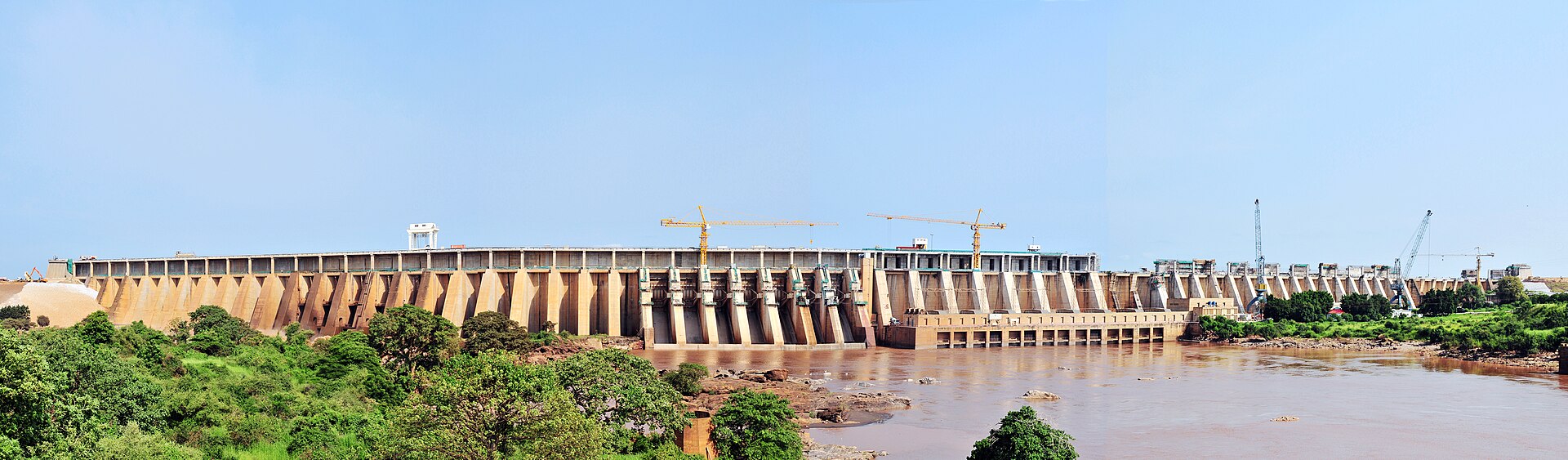
Paramilitary drone strikes hit power stations in southeast Sudan on Monday, cutting electricity across the region, Sudan’s state electricity company said. The Sudan Electricity Holding Company accused the Rapid Support Forces (RSF) of knocking out power in four states — Sennar, Al Qadarif (Gedaref), White Nile and Gezira — a swathe of territory the operator said covers about half the area currently held by the military, and warned that the damage threatens the stability of the whole national grid, Reuters reported. The RSF did not immediately respond to a request for comment, and Reuters said it could not independently verify the operator’s account — an attribution readers should keep in mind throughout this report.
A second, separate account reached AFP through a government official, who said RSF drones hit five power stations — two in Gezira, two in Gedaref and one in White Nile — causing outages across large parts of those three army-controlled states. The two accounts agree that five stations were hit and that the RSF was responsible, but they differ on which states lost power: the operator includes Sennar in its list, while the official who spoke to AFP does not. Both accounts are attributed reports from parties aligned with one side of the war, and neither has been independently verified on the ground.
What happened: two accounts of the same morning
According to the operator’s account, reported by Reuters, the strikes hit the power stations at Sinja, El Hawata, Al Fao and Mashkour, as well as the Al-Junaid station in Gezira State. The company said the attacks caused “severe damage” and “major destruction” to equipment, cutting power across Sennar, Gedaref, White Nile and Gezira. Sinja is the capital of Sennar State; Al Fao lies in Gedaref; and Al-Junaid sits in the Gezira agricultural heartland south of Khartoum. The operator framed the strikes as a deliberate attack on civilian infrastructure by the RSF, the paramilitary force that has fought Sudan’s army since April 2023.
The account given to AFP differs in its geography. The government official who spoke to the agency described five stations struck — the same total as the operator’s list — but distributed as two in Al-Jazira (Gezira), two in Gedaref and one in White Nile, with outages across large parts of those three states. On that telling, Sennar was not among the states cut off. The discrepancy may reflect the difference between a grid operator counting where its network failed and an official counting where drones struck, or it may reflect the confusion of a morning of attacks across a wide region; the reporting available on Monday does not resolve it, and Signal Post News presents both versions as their sources gave them.
What neither account disputes is the human fact underneath the infrastructure story. Babiker Youssef, a resident of Al-Fao in Gedaref State, told AFP that power at his home had been out since early morning and that he feared the insulin for his diabetic son, stored in the family fridge, would spoil — with no idea when electricity would return. His account is a single resident’s testimony, but it captures the mechanism by which a strike on a substation becomes a medical emergency within hours.
Why this matters
Electricity is the connective tissue of every other service the war has already degraded. Hospitals need power for theatres, oxygen and refrigeration; water systems need it for pumping; pharmacies and households need it for the cold chain that keeps insulin and vaccines viable. The United Nations has warned that attacks on power infrastructure threaten health and other essential services for millions of people already hit hard by the fighting, in a country enduring what the UN calls the world’s largest hunger crisis. A strike that blacks out four states at once is therefore not only a military event. It is a public-health event with a fuse measured in hours — the shelf life of refrigerated medicine in Sudanese heat.
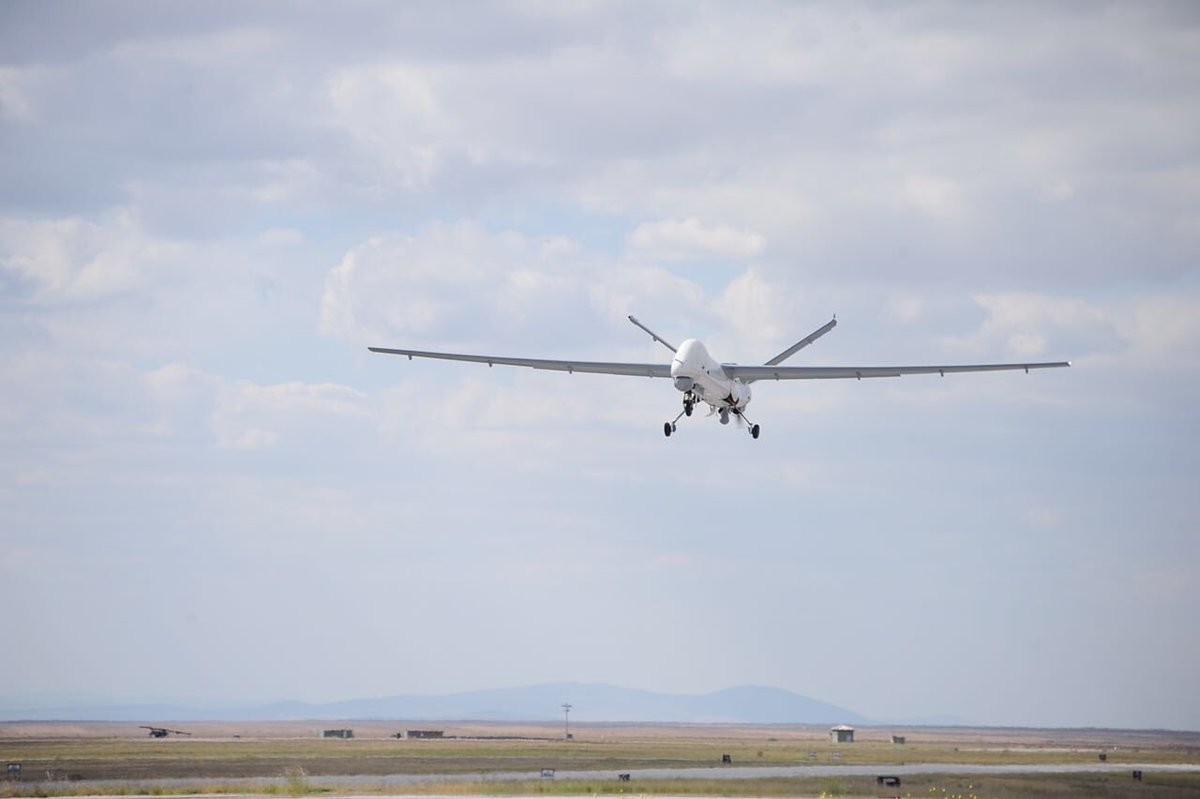
The strikes also mark the continuing migration of this war’s front line into the sky. Both the army and the RSF have stepped up drone strikes this month, hitting targets deep inside territory the other side holds — Nyala, the RSF’s stronghold in South Darfur, and Khartoum’s airport, in army-held territory, among them. Power stations are fixed, known, soft targets: they cannot be moved, dispersed or easily defended, and damaging them imposes costs on an entire civilian population rather than on an opposing force. That is precisely why international humanitarian law treats attacks on objects indispensable to civilian survival with particular seriousness — and why the operator’s accusation, if borne out, would place Monday’s strikes in the war’s growing ledger of infrastructure attacks, which our wars tracker follows conflict by conflict.
Background: a war that began over a merger, now fought by drone
Sudan’s army and the RSF have been at war since April 2023 — about three and a half years — after a dispute over integrating the paramilitary force into the regular military, within a planned transition to civilian rule, collapsed into open fighting in Khartoum. The war has since split the country: the army holds much of the north, east and centre, including the capital region and the southeast states struck on Monday, while the RSF holds most of Darfur and parts of Kordofan. Repeated mediation efforts have failed to produce a durable ceasefire, and the front lines have hardened into a war of attrition in which drones — cheap, long-ranged and deniable in a way manned aircraft are not — have become the instrument of choice for striking far behind them. Earlier this month, drone strikes on Khartoum’s airport forced Sudan to scrap the airport’s long-awaited commercial reopening, an episode Signal Post News covered in depth and links below.
What the numbers imply
The operator’s figures, taken on their own terms, describe a blow aimed at breadth rather than a single point of failure. Four states without power, covering about half the territory the military currently holds, means the blackout is not a local fault but a regional event — and the operator’s warning about the stability of the whole national grid reflects how interconnected grids fail: lose enough nodes in one region and the surviving network struggles to balance load everywhere. Five stations hit in a single morning, on both accounts, is also a statement about capacity: it implies a coordinated, multi-axis drone operation, not an opportunistic strike. Set against the UN Human Rights Office’s documentation of at least 306 drone-strike deaths in the first three weeks of October alone — a tally UN rights chief Volker Türk reported on Monday — the power-station strikes extend the drone campaign’s target list from people and markets to the infrastructure that keeps everyone else alive. The 306 figure counts the dead; Monday’s blackout counts, in the dark, everyone still living inside the grid’s footprint.
Who is affected
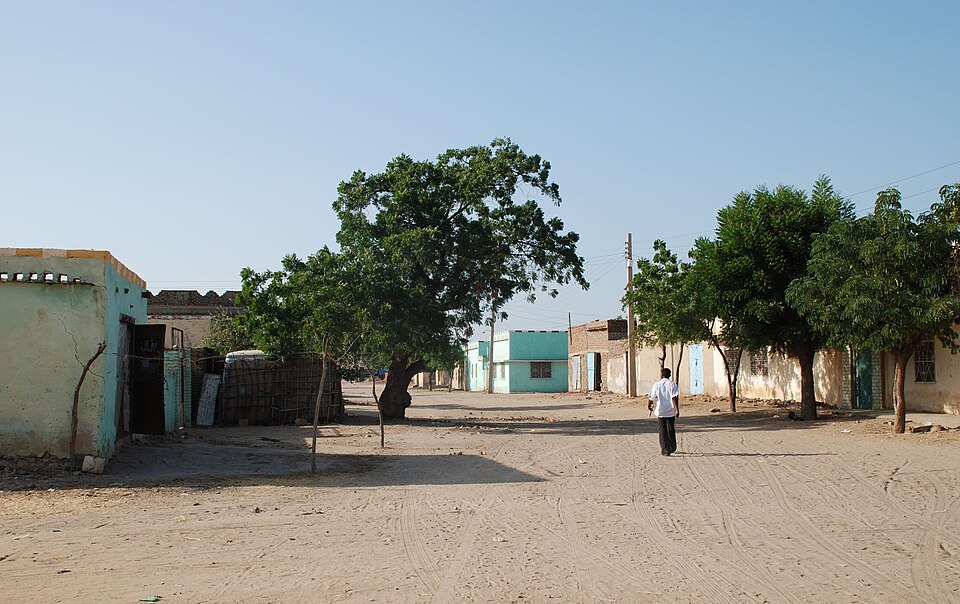
The first-order victims of a blackout are the people whose lives run on refrigerated medicine and powered machines. Babiker Youssef’s fear for his son’s insulin, voiced to AFP from Al-Fao, is the specific case; the general case is every diabetic, dialysis patient and premature infant in four states, every hospital running on generators and finite fuel, and every water utility whose pumps stop with the grid. The UN’s warnings about attacks on power infrastructure have made exactly this point: in a country where millions are already displaced and hungry, electricity is not a convenience layered on top of survival. It is one of survival’s inputs, and removing it across half the army-held territory multiplies needs that aid agencies are already failing to meet.
What happens next
Three things will determine what Monday’s strikes become. The first is restoration: the operator has said equipment suffered major destruction, and neither account on Monday gave a timeline for repairs; every day of delay deepens the medical and water consequences described above. The second is response: the RSF had not commented by the time both wires published, and its eventual statement — denial, silence or a claim of military targets — will shape how the strikes are recorded; the army, for its part, has answered past infrastructure attacks with drone strikes of its own, and October’s pattern suggests escalation is likelier than restraint. The third is scrutiny: with the UN rights office already counting October’s drone dead in the hundreds and the Security Council seized of the war’s drone campaign and hunger crisis, attacks on the power grid give investigators and diplomats a documented, dated case to work with. Whether that produces anything beyond documentation is the open question of this war’s fourth year.
Related coverage: Khartoum Airport Drone Strikes: RSF Hits Sudan’s Capital Two Days Running, Killing the Airport’s Long-Awaited Reopening · Sudan Drone Strikes Killed at Least 306 People in Three Weeks, UN Says · Sudan War Reaches the Security Council as Drones Kill Civilians and 20 Million Face Hunger
Sources
- Reuters, Oct 26, 2026 — report of the Sudan Electricity Holding Company’s statement: paramilitary drone strikes hit power stations in southeast Sudan on Monday, cutting power in Sennar, Al Qadarif (Gedaref), White Nile and Gezira — about half the territory currently held by the military — and threatening the stability of the national grid; stations named as Sinja, El Hawata, Al Fao, Mashkour and Al-Junaid in Gezira State, with “severe damage” and “major destruction” to equipment; the company accused the Rapid Support Forces; the RSF did not immediately respond to a request for comment; Reuters could not independently verify the operator’s account.
- AFP via Arab News, Oct 26, 2026 — a government official said RSF drones hit five power stations — two in Al-Jazira (Gezira), two in Gedaref and one in White Nile — causing outages across large parts of those three army-controlled states; resident Babiker Youssef of Al-Fao, Gedaref, said power had been out since early morning and he feared his diabetic son’s refrigerated insulin would spoil, with no idea when power would return.
- UN Human Rights Office (reported Oct 26, 2026) — at least 306 people documented killed by drone strikes in the first three weeks of October across Sudan, per UN rights chief Volker Türk; UN warnings that attacks on power infrastructure threaten health and other services for millions, amid the world’s largest hunger crisis. Context shared by both wires: the army and the RSF have fought since April 2023 over issues including force integration in a planned transition to civilian rule, and both sides have stepped up drone strikes this month, including on Nyala and Khartoum airport.