Sports / Cricket — The Pakistan vs England ODI result in Lahore on Sunday was settled by the last pair at the crease. Chasing 242, Pakistan collapsed to 154 for nine and were a wicket from defeat — then Shadab Khan, batting at number eight, scored an unbeaten 113 and shared a record 89-run last-wicket stand with Haris Rauf to win by one wicket with 17 balls to spare and put Pakistan into the tri-series final.
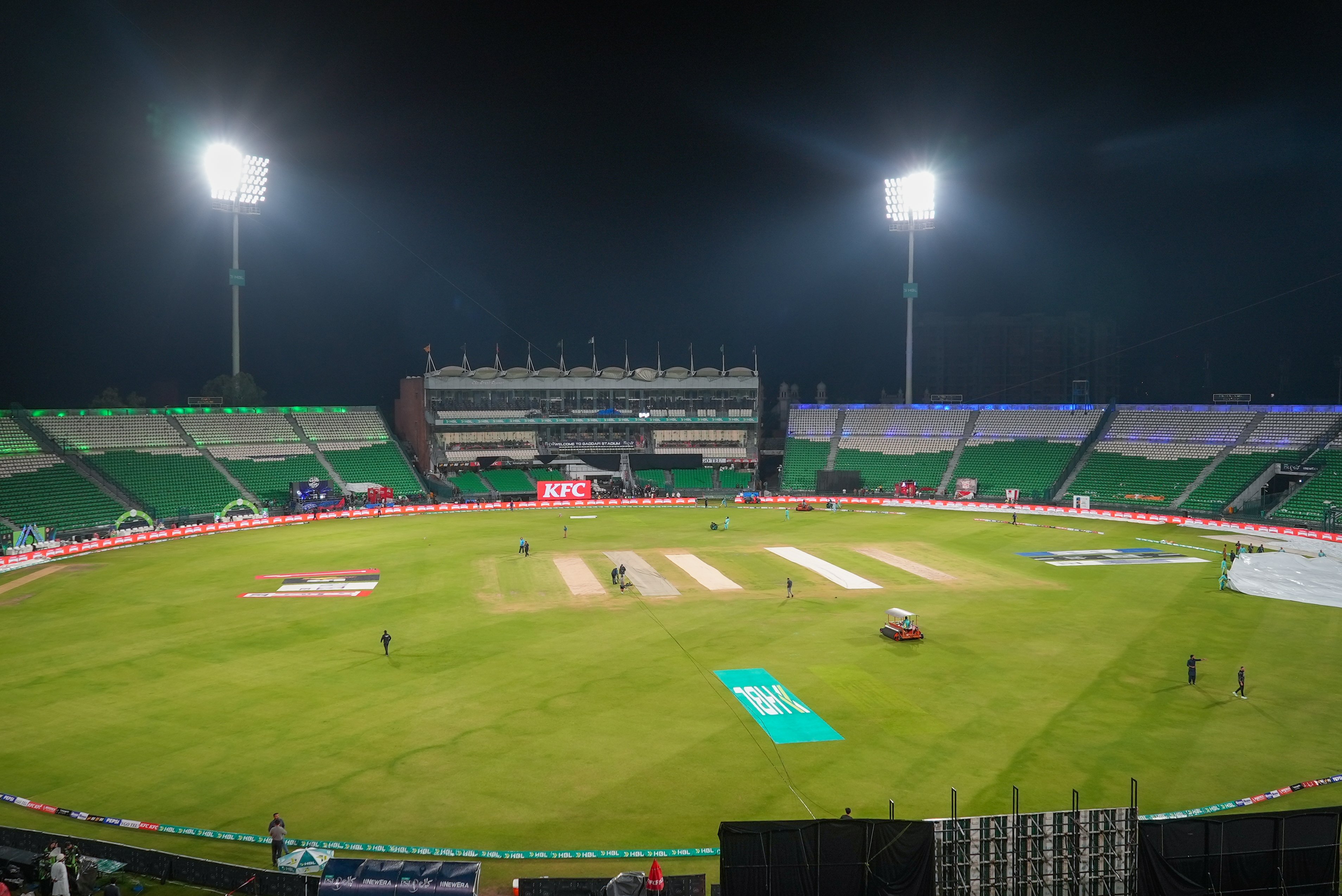
LAHORE — There is a particular silence that falls on a home crowd when the ninth wicket goes down with 88 runs still needed, and Gaddafi Stadium produced it on Sunday. Pakistan, chasing England’s 241, had slid from a manageable position to 154 for nine in the 34th over of the tri-series one-day international. Number eleven Haris Rauf walked out to join Shadab Khan with the match, by every reasonable reading, already decided. What followed was the highest last-wicket partnership in a successful ODI run chase in the history of the format: 89 runs, almost all of them Shadab’s, ending with Rauf cracking the winning boundary in the 48th over and Pakistan home by one wicket with 17 balls unused, Reuters reported.
Shadab finished unbeaten on 113 from 96 balls, with 13 fours and five sixes — a maiden international century, and, as SuperSport reported, the highest score ever made by a batter at number eight in a one-day international. He had come to the crease in the 24th over with Pakistan 103 for six, watched the innings continue to cave in around him, and then simply refused to let it end. At one point he was 19 off 28 balls; the acceleration after the ninth wicket fell was not panic hitting but a calculated farming of the strike, a boundary found in almost every over while Rauf, at the other end, did the hardest job in cricket — surviving. Rauf’s unbeaten seven from 19 balls will sit in the scorebook as a footnote. It was worth a final.
The over the match turned twice
England thought they had won it, and for a few seconds they were right to. With about 20 runs still needed, Gus Atkinson trapped Shadab leg-before with a low full toss, and the batter began the walk off. The review changed everything: UltraEdge found an inside edge, the decision was overturned, and a match that had already produced handshakes of resignation in some accounts restarted with its central figure restored. It is difficult to overstate what that single replay did to the psychology of both dressing rooms. England, who four days earlier had failed to defend 429 against Sri Lanka in the same tournament, had to watch another finished game come back to life; Shadab, reprieved, closed it out within a few overs.
How England got to 241 — and why it should have been enough
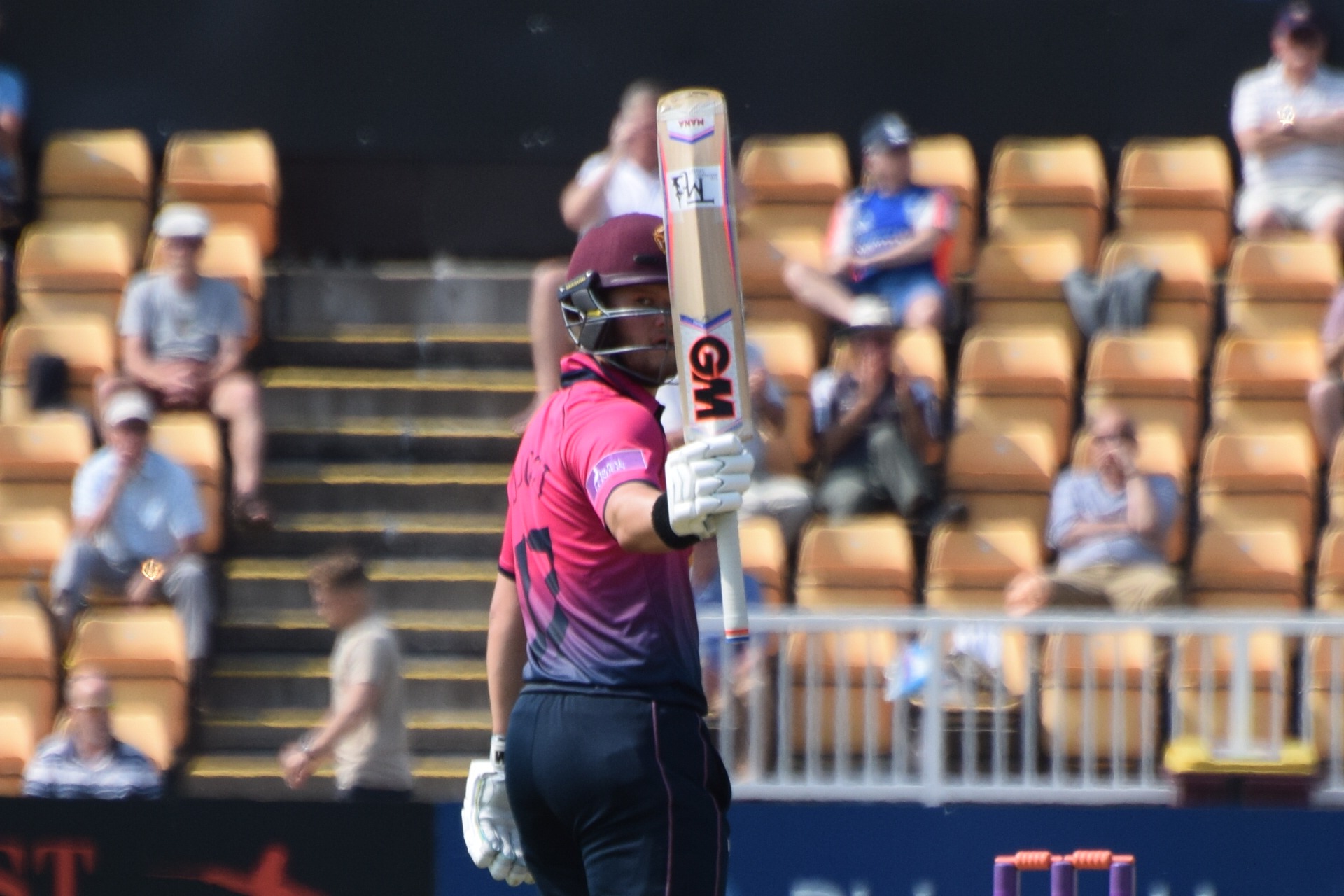
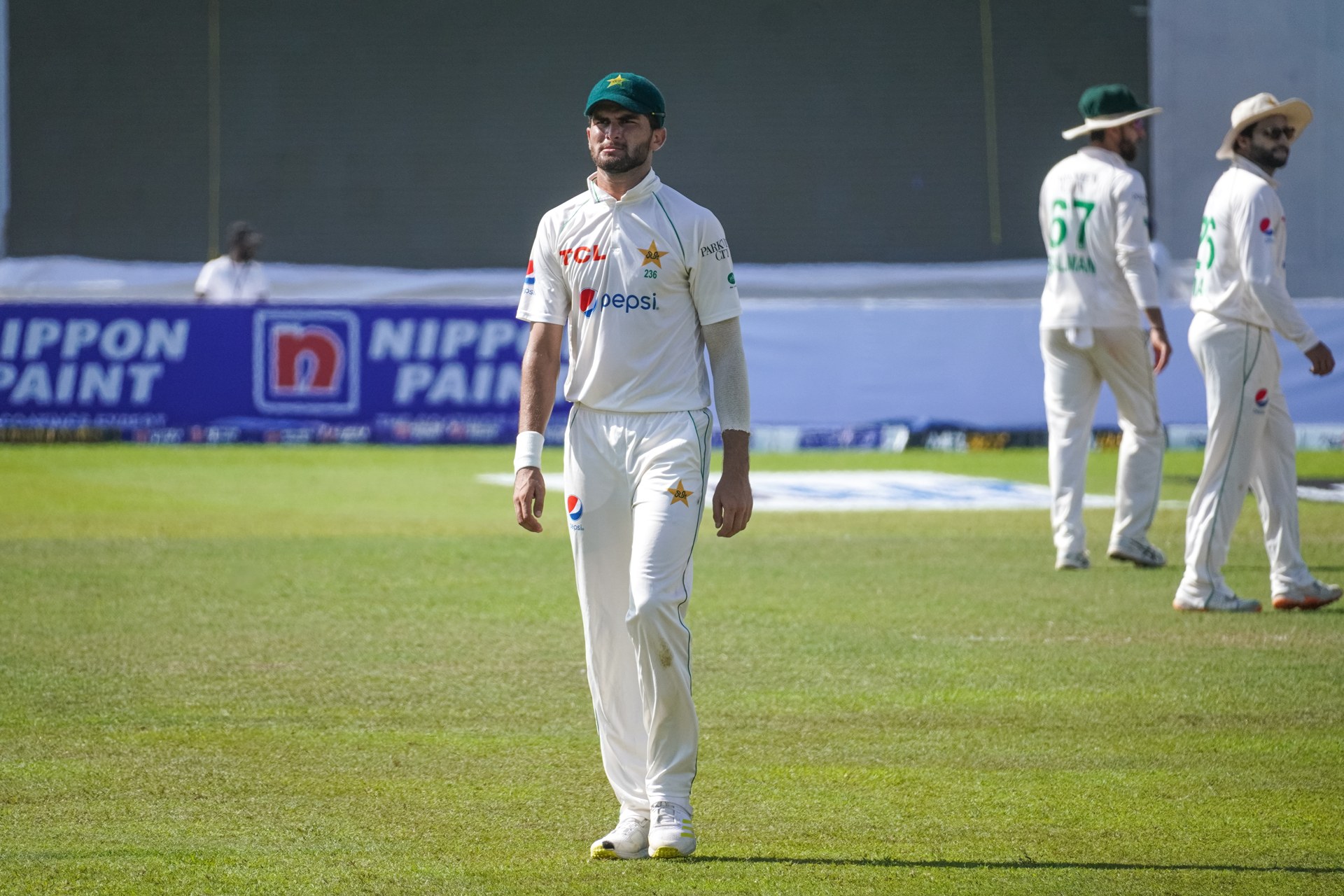
England’s innings was itself a rescue act. Shaheen Shah Afridi, leading Pakistan, struck in the opening over to remove Tom Banton — his 150th ODI wicket — and again in the third to dismiss Joe Root, and when Jordan Cox fell to Rauf, England were 52 for four and in danger of being bowled out for something embarrassing. Ben Duckett, scratchy at first and then increasingly fluent through the covers and off his pads, rebuilt the innings with Sam Curran in a fifth-wicket stand of 93. Duckett’s 105 was the innings&rsquo spine; Curran made 42 before becoming Afridi’s third victim, Jamie Overton pushed the total past 200, and Atkinson finished unbeaten on 36 as England were bowled out for 241 in 46.4 overs. Afridi’s four for 46 was the bowling performance of the match — until the match rewrote its own story.
Pakistan’s chase began badly enough to make 242 look distant: Fakhar Zaman and Babar Azam both made 10, Saim Ayub six, and although Saad Baig’s brisk 32 from 22 balls and Salman Ali Agha’s 26 briefly revived the innings, the slide from 103 for six to 154 for nine was the kind of collapse that normally fills a post-match press conference with apologies. Instead it produced a record. The previous benchmark for a tenth-wicket stand in a winning chase had stood for decades; Shadab and Rauf passed it by a distance, and they did it in a tournament game, at home, against an attack that had done almost everything right.
Why this matters
One-day cricket is routinely described as a dying format, squeezed between Tests and T20 leagues, and then it produces a finish like this and the obituary has to be postponed again. The deeper significance is what the innings says about the modern lower order. Number eight is no longer a bowler who can bat a bit; in Shadab’s case it is a genuine all-rounder whose leg-spin was almost forgotten on a night his batting outscored every specialist on either side. Pakistan have historically been the format’s great chaos merchants — a team whose floor and ceiling in the same match can be separated by an hour — and this was that identity in its purest form: abject for two-thirds of the chase, untouchable for the last third. For England, the pattern is now the story. This was their third successive defeat in the tri-series, and the second in five days in which a game they had effectively won slipped through the close: after failing to defend 430 against Sri Lanka, they have now failed to take the final wicket with 88 runs to play with. Captain Harry Brook declined to blame his bowlers afterwards — “I don’t think we went wrong with the ball, to be honest” — and suggested England simply had not scored enough. But 241 defended to 154 for nine is, by any analysis, a game an attack is expected to close, and the closing is becoming England’s problem. Brook’s own season has been a study in contrasts — his record ODI double-century against England’s opponents earlier this month showed his ceiling as a batter; Lahore showed the harder education of captaincy.
What the numbers actually say
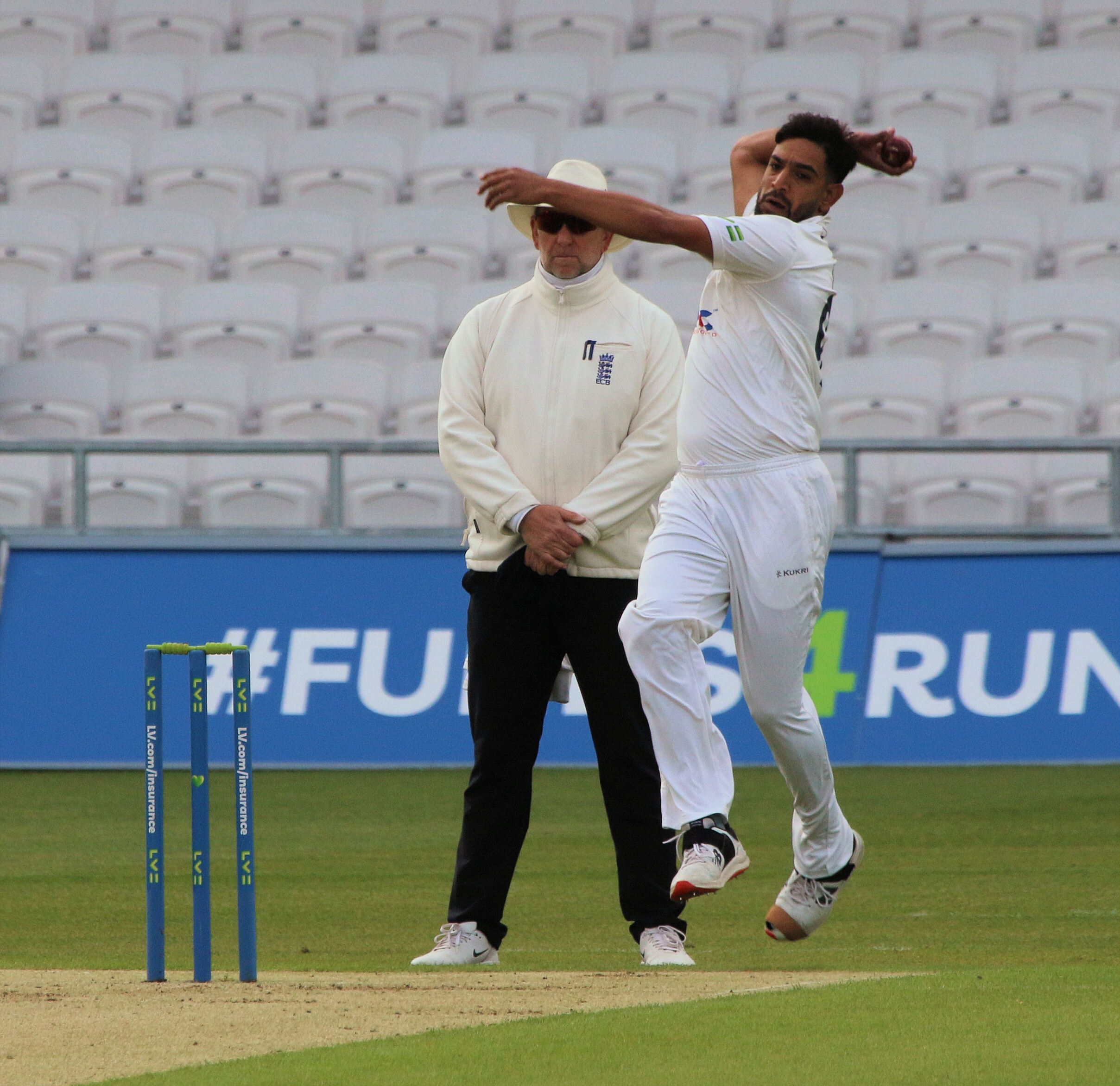
Strip away the romance and the arithmetic is still absurd. When the ninth wicket fell, Pakistan needed 88 runs with one wicket in hand — a position from which teams win a vanishingly small fraction of ODIs, because the expected outcome is a single mistake ending the innings. The partnership’s shape matters too: Rauf faced 19 balls for seven runs, meaning Shadab scored at well above a run a ball while protecting his partner from the strike ball after ball, the highest-skill version of tail-end batting. Compare the two hundreds of the match: Duckett’s 105 was built over a full innings with support at the other end; Shadab’s 113 not out was built with the innings&rsquo life depending on every shot selection. Afridi’s reaction caught the dressing room’s disbelief: “I can’t say much. Shadab and Haris, the way they finished the game — an 89-run partnership is amazing. I’ve never seen that in my life.” Pakistan’s tournament context sharpens the achievement: this is the same Pakistan side that has lurched between brilliance and collapse all season, including the Asian Games final against India, and a tri-series final at home next Saturday now becomes the biggest one-day occasion in Lahore this year.
What happens next
Pakistan advance to the tri-series final next Saturday at the same venue, and they arrive with the tournament’s defining innings behind them and a captain who took four wickets in the game that got them there. England, three defeats in a row, are left with questions that go beyond selection: an attack that cannot finish innings, a middle order that needed its opener to carry it to a par score, and a captain learning in public. The honest caveat is that one chase, however extraordinary, does not repair Pakistan’s top order — 154 for nine is the part of the scorecard their coaches will study, not just the 89 that followed it. But finals are won by teams that believe lost causes are negotiable, and after Sunday night in Lahore, nobody in that dressing room will need convincing.
Sources: Reuters (match report and record stand, October 25, 2026); Cricbuzz (innings detail and the overturned lbw, October 25, 2026); SuperSport (No. 8 ODI record and captain quotes, October 25, 2026); Sportradar scoring record. Score figures cross-checked across Reuters and Cricbuzz: England 241 (Duckett 105, Afridi 4-46); Pakistan 243 for nine (Shadab Khan 113 not out, Rauf 7 not out; stand 89, the highest for the tenth wicket in a successful ODI chase).