Sudan / Drones, hunger and a Council running out of levers
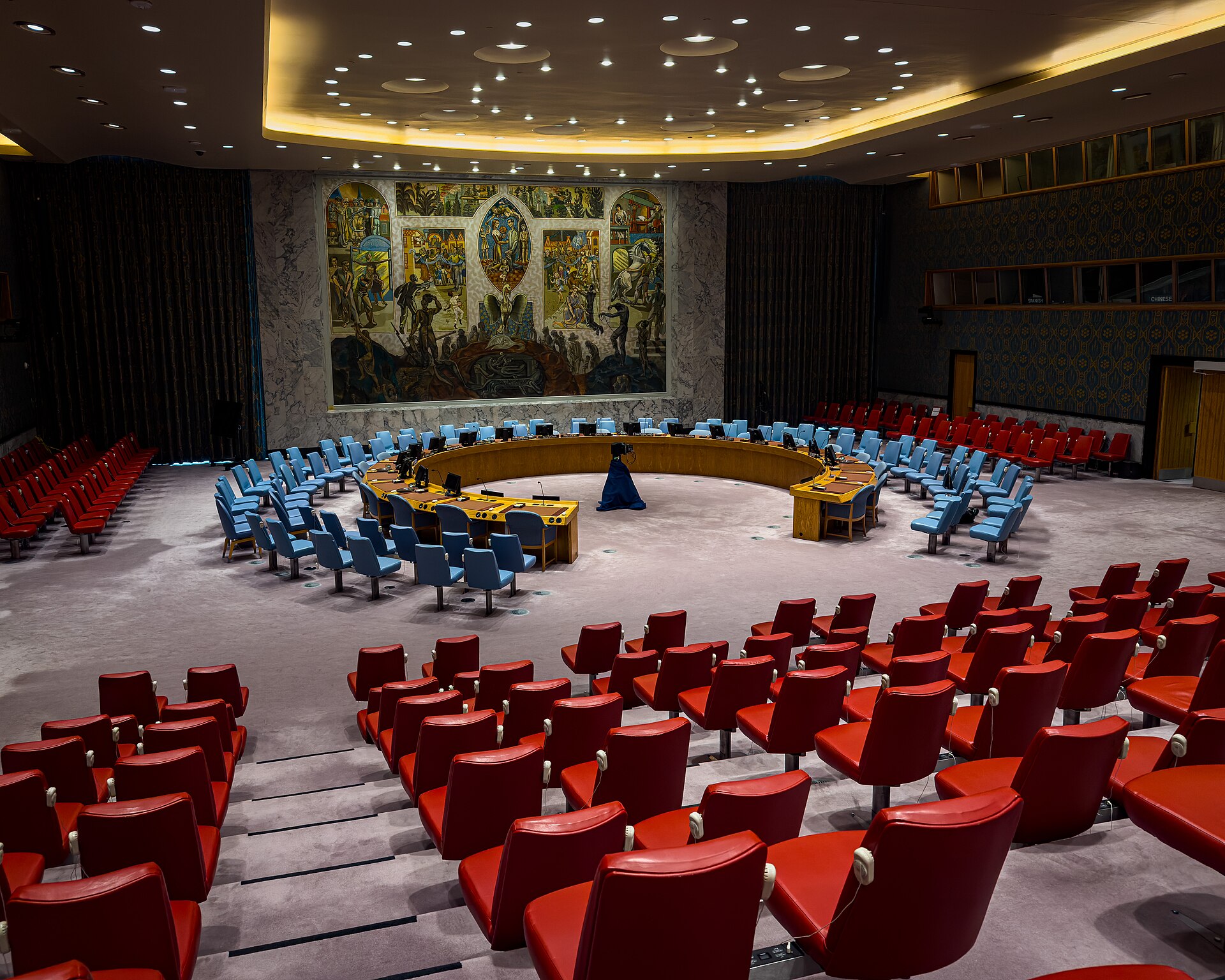
The numbers laid before the Council describe a catastrophe that has outgrown the language usually used for it. Twenty million people in Sudan face acute hunger — roughly two in five of the population — and 200,000 of them are at catastrophe level, the most severe category in the international food-security scale, where starvation and death are already present rather than merely forecast. Famine risk is rising in Darfur and in Greater Kordofan, the two regions where fighting, siege conditions and blocked aid routes overlap most completely. These are not projections for some future season. They describe what aid officials say is happening now, in a war that has run since April 2023 between the Sudanese Armed Forces and the paramilitary Rapid Support Forces, and that has produced the world's largest displacement crisis and its largest hunger crisis simultaneously.
Track it live: Live Africa conflicts tracker
Drones from El Obeid to the Blue Nile
The immediate trigger for Friday's session was the spread of drone warfare across Sudan's civilian map. UN News reported strikes killing civilians from El Obeid, the capital of North Kordofan, to the Blue Nile region in the country's southeast — a geographic arc that shows how thoroughly unmanned aircraft have erased the idea of a front line. One attack underlined the point with particular cruelty: a drone strike near the Ethiopian border on October 10 killed 41 displaced people — men, women and children who had already fled their homes once and were killed in the place they had fled to. Both the army and the RSF operate drones, and both have been accused by the UN and human rights groups of striking civilian gatherings, markets and displacement sites. Drones have changed this war's arithmetic. They are cheaper than the jets Sudan's air force once relied on, they can be supplied from abroad in crates rather than fleets, and they allow each side to reach deep into territory it does not hold. For civilians, the consequence is that distance from the fighting no longer buys safety: a camp near an international border can be as exposed as a contested city street.
Tawila: 700,000 people, not enough of anything
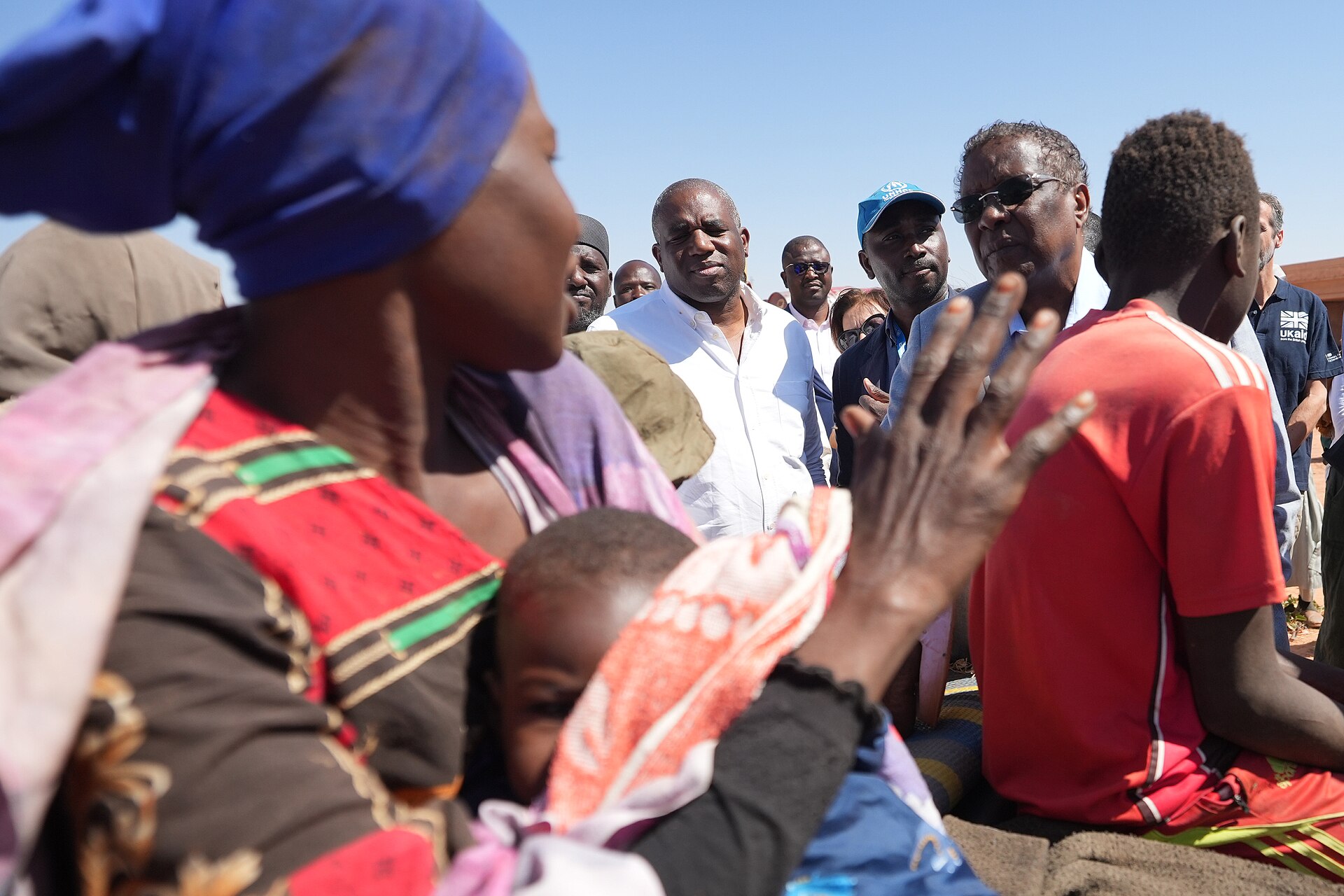
If the drone war is the crisis's sharp edge, Tawila is its grinding weight. The town in North Darfur hosts more than 700,000 displaced people, many of whom fled the fighting around El Fasher, and UN officials told the Council they are short of food, water and healthcare at the same time — a combination that turns malnutrition into disease and disease into mass mortality, particularly among children. Tawila's predicament is the Sudan crisis in miniature. The people are reachable in principle; Tawila is known, mapped and served by aid groups. What is missing is supply at scale: funding shortfalls, insecurity on the roads, bureaucratic obstruction and fighting around the corridors aid convoys must use. Yesterday, this site covered the IPC famine alert for Darfur and Kordofan, which set out how drought and war together are pushing those regions toward famine thresholds. Friday's Council session was, in effect, the diplomatic system's response to that alert — and the test of it will not be the statements made in New York but whether a single additional convoy reaches places like Tawila in the coming weeks.
An embargo that covers one region of a nationwide war
The Council's tools, as Friday's discussion exposed, were designed for an earlier version of this conflict. The UN arms embargo on Sudan still applies only to Darfur, a limitation dating from the previous Darfur war, even though weapons now flow to battlefields across the whole country and drones strike from Kordofan to the Blue Nile. Sanctions on individuals have been extended, currently to December 11, giving the Council a near-term deadline at which it must decide whether to widen, tighten or merely renew them. Ambassadors were expected to press for three things: a ceasefire, unimpeded aid access and an end to external weapons flows. Each has been demanded before. The gap between the Council's words and the war's conduct is the central fact of Sudan diplomacy: resolutions have condemned, sanctioned and appealed, while both warring parties — each convinced it can still improve its position, each supplied from outside — have continued fighting. Both parties stand accused of serious abuses, including attacks on civilians and obstruction of aid, and aid organisations have consistently argued that only sustained pressure on the parties' external suppliers, not appeals to the parties themselves, is likely to change behaviour.

How the world's largest crisis got here
Sudan's war began in April 2023 as a power struggle between two generals who had jointly ruled the country after the fall of Omar al-Bashir, and it detonated a state that was already fragile. The capital, Khartoum, was shattered in the opening months. The RSF, descended from the militias that devastated Darfur two decades ago, seized much of the west and south; the army held the east and the Red Sea coast and later regained ground in the capital region. Three and a half years on, the comparison that matters is scale: no other current war has displaced more people, and no other population faces hunger on this order. Twenty million people in acute hunger is a figure larger than the entire population of most countries the Council discusses. The 200,000 at catastrophe level alone would constitute a major emergency anywhere else on earth; in Sudan they are the worst-off fraction of a far larger whole. That is the context in which the Council's incremental instruments — a regional embargo, a sanctions list, a December deadline — must be judged.
Why this matters
Friday's meeting matters less for what the Council can compel than for what it reveals about the limits of the post-1945 system's toolkit when a war is supplied from outside and fought without restraint inside. The December 11 sanctions deadline, which we covered when the UN extended Sudan sanctions, now becomes the real decision point: extending the Darfur-only embargo unchanged would confirm that the Council's Sudan policy is a formality, while widening it to the whole country would test the willingness of members to confront the suppliers arming both sides. The drone dimension raises the stakes further. Weapons that can kill 41 displaced people near a border crossing are not a legacy arsenal; they are a current supply chain, and every week it operates, the map of places Sudanese civilians cannot safely be grows longer. For aid groups, the matter is simpler and more brutal: access and money, delivered before the hunger figures convert into mortality figures at the scale the IPC warnings imply. Twenty million hungry people is a statistic. Whether it becomes the defining mass-starvation event of this decade depends on decisions in the next eight weeks, not the next eight statements.
What happens next
Watch three clocks. The first is humanitarian: whether the Council session unlocks any concrete access commitments — named corridors, named dates, named convoys — for Tawila, Darfur and Kordofan, or whether the appeals dissolve into the general call for access that has preceded every previous deterioration. The second is the sanctions calendar: the December 11 expiry forces a vote, and the debate over extending the arms embargo beyond Darfur will show whether the Council's permanent members and Sudan's regional neighbours are prepared to squeeze the supply lines both armies depend on. The third is the battlefield itself: drone strikes have repeatedly spiked around diplomatic moments, as each side seeks leverage before any ceasefire discussion hardens. If the pattern holds, the days after Friday's session will bring more strikes, not fewer — and the Council's next meeting on Sudan will open, as this one did, with a longer list of the dead and a larger count of the hungry.
Sources: UN News, Oct. 16, 2026 (Security Council meeting; drone strikes from El Obeid to Blue Nile; 20 million in acute hunger, 200,000 at catastrophe level; Tawila displacement; October 10 strike near the Ethiopian border; Darfur-only arms embargo; sanctions extended to Dec. 11); Integrated Food Security Phase Classification (IPC) famine-risk assessments for Darfur and Greater Kordofan. Related on Signal Post News: Sudan famine alert: IPC warns on Darfur and Kordofan · UN extends Sudan sanctions.