Russia violates energy ceasefire
The truce was announced on social media on Sunday, to Kyiv's surprise. By Monday, Ukraine's president was listing the strikes that followed it — and asking Washington what, exactly, it plans to do about them.
Track it live: Ukraine war map — Live Global Trackers
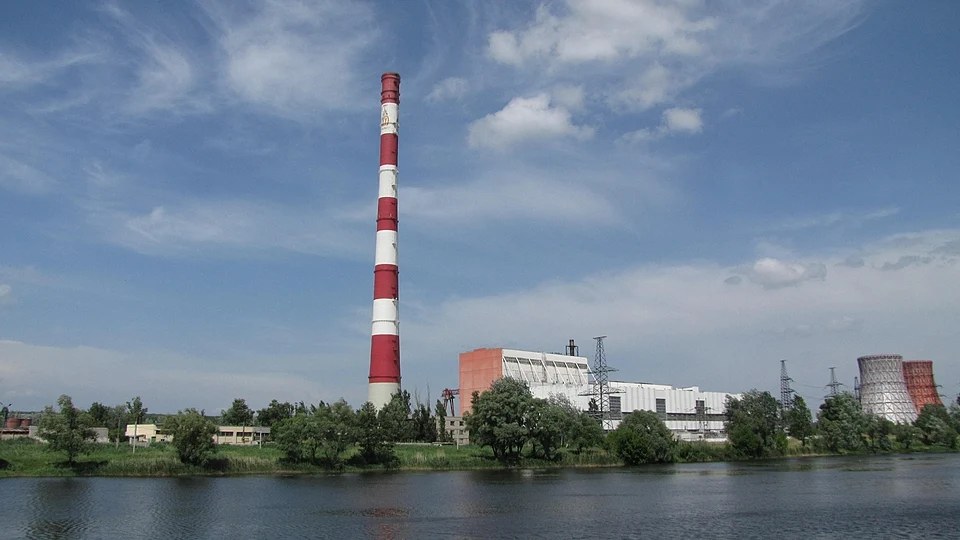
President Volodymyr Zelenskyy accused Russia on Monday of violating the energy ceasefire President Donald Trump announced a day earlier, pointing to a strike on a thermal power plant in Kharkiv and a series of attacks that continued through the night across Ukraine. Speaking by video link to the Warsaw Security Forum, Zelenskyy said Ukraine had held its own fire against Russian refineries overnight and was ready to honour the arrangement — if Moscow did. Russia, he said, had not: a jet-powered Shahed drone struck a Ukrainian gas production facility at midnight, and the Kharkiv region buried three more civilians. The Kremlin, asked about the accusation on Monday, said only that contacts were ongoing. Hours later, the European Union approved a new package of sanctions aimed at Russia's military-industrial complex — Europe's answer, delivered while Washington's ceasefire was still looking for its terms.
Why this matters
An energy ceasefire is the one form of de-escalation both sides have repeatedly circled, because it maps onto pain both countries actually feel: Ukraine faces a fifth winter of blackouts and heating failures, and Russia faces a Ukrainian drone campaign that has set its refineries alight and pushed its fuel system into crisis. That is precisely why the first 24 hours matter so much. A ceasefire that is violated before its terms are even written down is not a ceasefire that failed — it is evidence about whether an agreement exists at all. Kyiv says it learned of Sunday's announcement from the media. Moscow has neither confirmed the deal's terms nor commented on the violation claims beyond saying contacts continue. What Trump announced as a settled arrangement looks, from Warsaw and Brussels, more like an opening bid — and the strikes on Kharkiv's power grid are now the first test of whether Washington intends to enforce its own announcement.
There is a second reason this matters, and it is about leverage. The energy ceasefire does not float free of the diesel deal Trump struck with Vladimir Putin on Friday, under which the United States will buy Russian diesel to fight record fuel prices ahead of the November midterms. Ukraine's fear, stated plainly by its officials, is an asymmetric truce: Kyiv stops hitting the refineries that fund and fuel Russia's war, while Moscow keeps hitting the power plants that keep Ukrainian cities warm — and collects American diesel revenue in the bargain. Monday's events did not prove that fear. But a power plant burning in Kharkiv, hours after the announcement, is exactly the picture Kyiv warned about, and Zelenskyy made sure the world saw it that way.
What happened, hour by hour
On Sunday morning, Trump announced on Truth Social that Russia and Ukraine had agreed to an immediate halt to attacks on each other's energy infrastructure: both parties had agreed, he wrote, adding, "Do not break it!" Zelenskyy has since said Kyiv was caught off guard — a senior Ukrainian source told ABC News the president learned of the deal from social media — but that Ukraine was ready to accept it immediately if Russia complied.
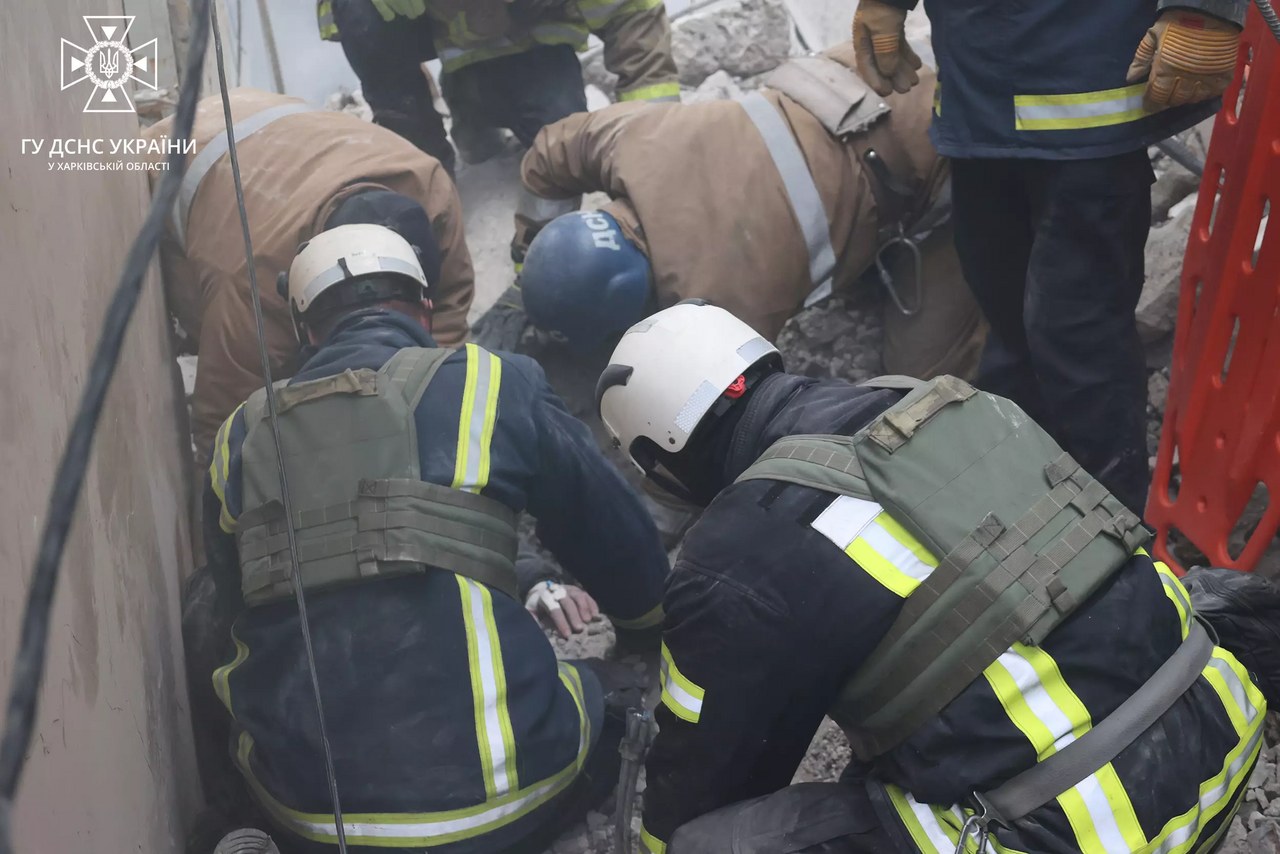
Within hours, it was tested. A local official told ABC News that Kharkiv's thermal power plant CHP-5 — the TEC-5 combined heat and power station at Podvirky, on the city's southwestern edge — was struck at least twice on Sunday and caught fire. Zelenskyy confirmed the Kharkiv plant had been hit, said another plant in Kyiv had also been struck, and a Kharkiv resident described watching a missile hit Thermal Power Plant No. 5 and burn, minutes after the promised halt to energy strikes. On Sunday evening, a Russian drone attack on the village of Pisochyn, in the Kharkiv district near the plant, killed three people and injured nine others, including children, according to the Kharkiv Regional Prosecutor's Office; investigators said the attack struck a densely populated area near apartment buildings and grocery stores and started a fire.
The attacks continued into Monday. Ukrainian air defences shot down or suppressed 89 of 121 Russian drones launched overnight, Ukraine's air force said, in an attack that included a Kh-59 guided missile and dozens of jet-powered Shahed-type drones; strikes were recorded at 15 locations. In Kyiv, two people were injured in daytime strikes on Monday, the city military administration said, and falling debris sparked a fire at a private home in the Darnytskyi district and fell near homes and a warehouse elsewhere in the capital. Russia's defence ministry, for its part, said its air defences intercepted 151 Ukrainian drones overnight over Russian regions, Crimea and the Black Sea — a reminder that the long-range aerial war ran in both directions even as the ceasefire was supposedly taking effect. The same ministry also claimed on Monday that Russian drones had struck three cargo vessels it said were carrying military cargo to Ukraine's Black Sea ports, two bound for Odesa and one for Mykolaiv, plus a logistics centre in the Mykolaiv region. Reuters said it could not independently verify that claim, and Kyiv had not confirmed it; it is reported here as a Russian claim, not an established fact.
What Zelenskyy actually asked for
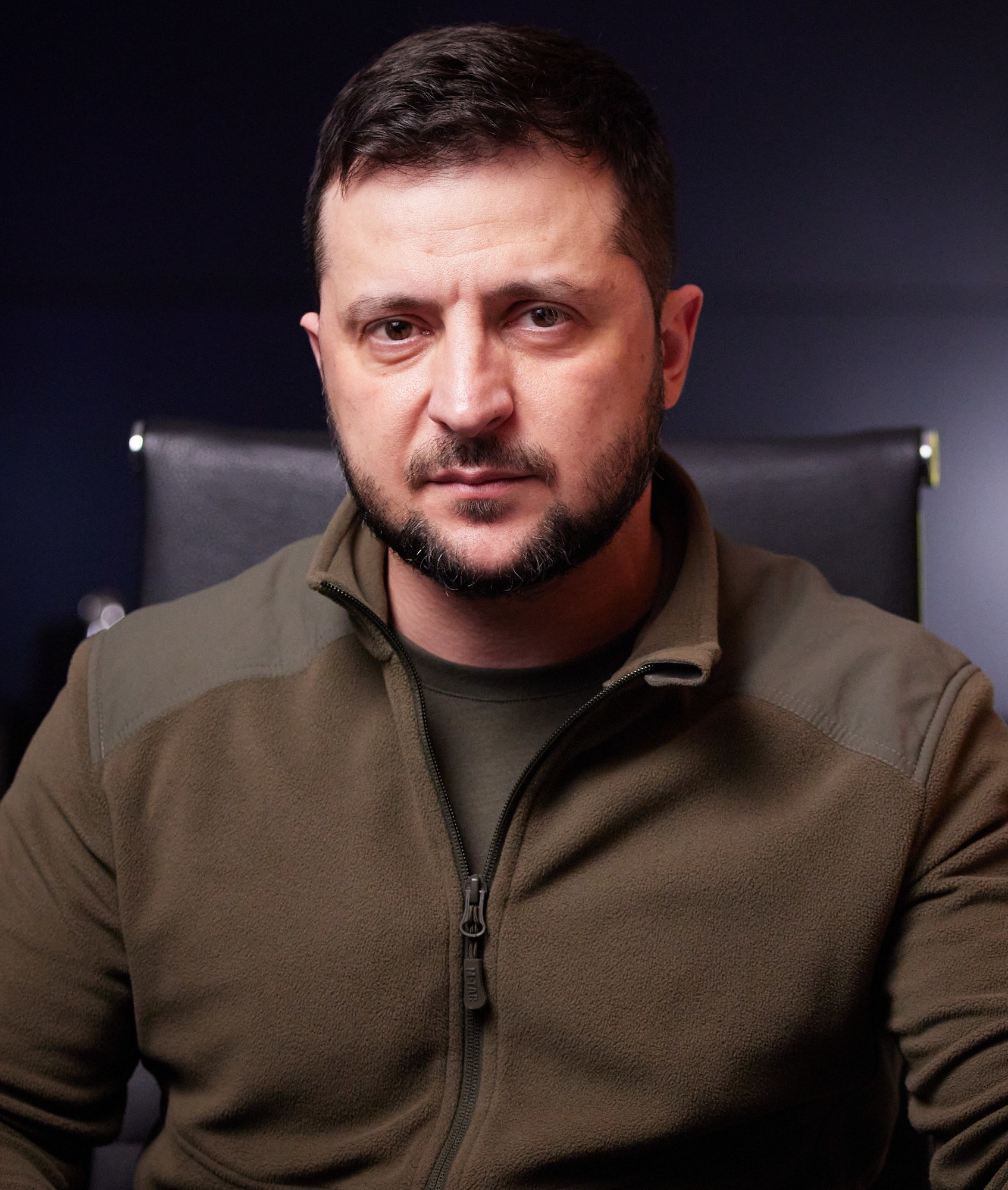
Read carefully, Zelenskyy's Monday message was not a rejection of the ceasefire — it was a demand that the United States own it. Ukraine supports the ceasefire, he said, and it matters that Russia support it too; Kyiv is awaiting the details of whatever Washington and Moscow discussed, and wants to see one specific step the Americans are ready to take to make Moscow respect it. On Fox News, he put the point more bluntly, remarking that it was clear Putin "does not read Truth Social." The structure of the ask is deliberate: Zelenskyy is trying to convert a social-media announcement into an American commitment, with American consequences attached. If Washington treats Kharkiv as a violation of its own declared deal, the ceasefire gains an enforcer. If Washington shrugs, Kyiv has its answer about what the announcement was worth — and has laid the groundwork, in advance, for resuming refinery strikes as a response rather than an escalation.
Zelenskyy also spent Monday working the phones with the leaders whose support underwrites Ukraine's position — Canadian Prime Minister Mark Carney, Finnish President Alexander Stubb and NATO Secretary General Mark Rutte — and he repeated Kyiv's long-standing condition: Ukraine is ready to stop striking Russian energy if Russia stops striking Ukrainian energy, and if Moscow does not agree to an energy ceasefire this winter, Ukraine will respond. That conditional is the hinge of the whole arrangement. Ukraine's refinery campaign is the only pressure Kyiv itself controls in this negotiation; surrendering it unilaterally, for a promise Moscow may not have made, is the outcome Ukrainian officials are determined to avoid.
Europe's answer: sanctions, not diesel
The European Union moved in the opposite direction from Washington on Monday. As Ukrainian officials voiced scepticism about the ceasefire, EU foreign ministers approved new sanctions targeting Russia's military-industrial complex, and the bloc urged the United States to keep economic pressure on Moscow. EU foreign policy chief Kaja Kallas said she would prefer a ceasefire "which includes people not being killed," and that it was not clear whether Russia would stick to this one. The contrast is now the story inside the story: the United States is easing one channel of pressure on Russia — diesel purchases justified by American pump prices — while Europe tightens listings against the factories that build Russia's missiles. Allies can sustain a split like that for a while. What they cannot do is sustain it while claiming to run a single strategy, and every Russian strike on a Ukrainian power plant widens the visible gap between the two halves of the Western position.
Putting the numbers in context
Start with the plant. TEC-5 is not a symbolic target: with roughly 540 megawatts of electric capacity and up to 1,650 megawatts of heat, it is Ukraine's second-largest combined heat and power plant, and it has been a Russian target for years — hit by Kalibr cruise missiles in September 2022, in an attack that blacked out Kharkiv and parts of three other regions, and so badly damaged in the mass strikes of March 2024 that it ceased operating, with reconstruction expected to take more than a year. Every strike on it lands on a system with no slack. Zelenskyy said in his nightly address that Russian forces had struck Ukrainian generating capacity more than 200 times in the past week, and hit oil and gas installations 17 times — figures that explain why Kyiv treats "energy ceasefire" as a phrase that has to be measured in megawatts, not announcements.
Then consider the exchange rate of the two campaigns. Ukraine's refinery strikes attack Russia's export earnings and fuel supply — the economic engine of the war — and have contributed to the diesel crunch that brought Trump to the table with Putin in the first place. Russia's grid strikes attack Ukrainian civilian endurance: heat, water, light, in a country entering winter. An energy ceasefire asks each side to give up a different kind of weapon, aimed at a different kind of target, which is why verifying it is harder than announcing it. A refinery fire is visible from space. A decision not to launch drones on a given night is invisible — until the drones come anyway, as Kyiv says they did at midnight, when a jet-powered Shahed hit a gas production facility hours after Ukraine says it left Russia's refineries alone.
Both sides' stated positions
Ukraine's position: it supports an energy ceasefire, learned of this one's announcement from the media, is awaiting its terms, complied overnight by not striking Russian refineries, and will resume responding if Russia does not reciprocate. Russia's position, as of Monday: near-silence. The Kremlin said contacts were ongoing and offered nothing further; Russia's defence ministry reported its own overnight operations — the drone interceptions and the claimed strikes on vessels and port logistics — without acknowledging any energy truce. The United States' position is the announcement itself: both parties agreed, effective immediately. Three capitals, three different descriptions of the same supposed agreement. Until one version is written down and owned by both belligerents, every night's strike tally will be an argument about a deal that may exist only in one of them.
Supporters of the administration's approach argue that Trump is forcing a de-escalation both exhausted sides need, that public pressure raises the cost to Moscow of being seen to break the truce, and that cheaper diesel is a legitimate American interest. Critics — including Ukraine's government and much of Europe — argue that announcing agreements before they exist hands Russia the propaganda win and Ukraine the bill, and that buying Russian diesel while sanctioning Russian missile factories is a contradiction no communique can paper over. Both readings now depend on the same evidence: what happens over Ukraine's power grid in the next several nights.
What happens next
Three things to watch. First, the nights themselves: if strikes on Ukrainian energy infrastructure stop, the ceasefire becomes real retroactively, whatever its chaotic birth; if they continue at anything like the past week's pace — more than 200 strikes on generating capacity — the announcement collapses and Kyiv has pre-written its justification for resuming the refinery campaign. Second, Washington's response to Kharkiv: a specific American step — new air-defence deliveries, a sanctions move, even a public statement naming the violation — would tell Moscow the deal has an enforcer; silence would tell it the opposite. Third, the terms, if any emerge: duration, verification, and whether Ukrainian refinery strikes and Russian grid strikes are genuinely treated as equivalents. A similar Trump-announced energy arrangement in September produced no lasting halt. This one starts with a burning power plant, three dead civilians near Kharkiv, and a European sanctions package approved the same morning. The ceasefire's credibility is now a nightly measurement — and Monday night is the first reading.
Related coverage
Sources
- Reuters — Ukraine accuses Russia of violating Trump's energy ceasefire as EU imposes new sanctions (October 12, 2026)
- Reuters — Ukraine awaits details of ceasefire proposals from US, Russia maintains attacks, Zelenskiy says (October 11, 2026)
- Reuters — Russia says it struck vessels carrying military cargo to Ukraine's ports (October 12, 2026)
- CNN — Zelensky says Russia has already violated Trump's surprise energy ceasefire (October 12, 2026)
- Associated Press (via Akron News-Reporter) — Zelenskyy says Russia strikes energy facilities despite ceasefire claim (October 12, 2026)
- ABC News (via Akamai Daily News) — Russia strikes power plant in Ukraine after Trump announces energy ceasefire (October 12, 2026)
Signal Post News analysis is independent and does not take a political, financial or competitive side.