Zelenskyy Russia massive attack warning
What the warning did not contain is just as important. Zelenskyy made no timing public, identified no target list and offered no evidence that could be independently examined. No public Russian response to the warning had been reported at publication time. A warning is not an attack, and it should not be presented as confirmation that one has begun.
What Zelenskyy said — and what remains unknown
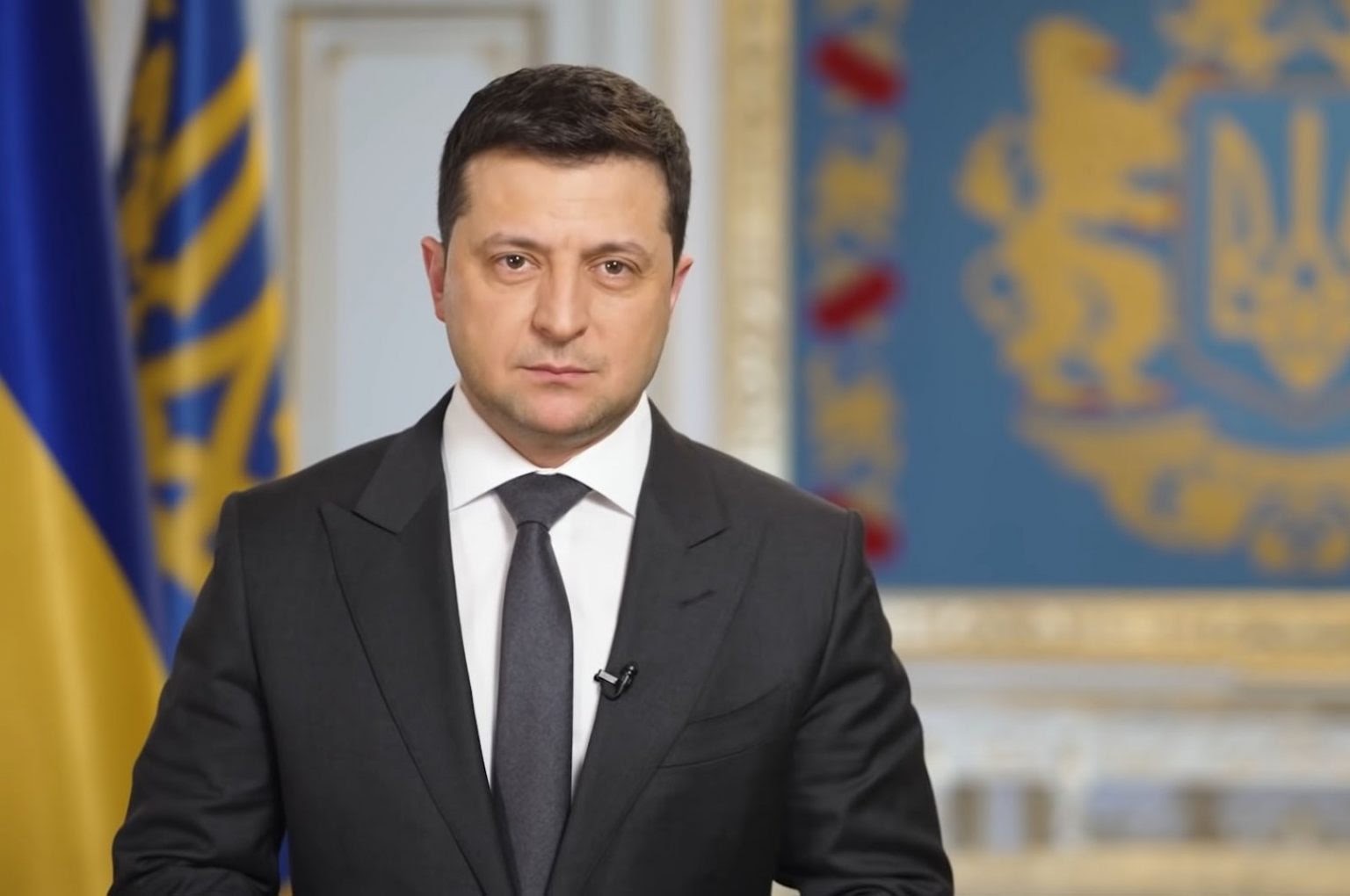
In his nightly video address, Zelenskyy said: “There is updated intelligence indicating that Russia is preparing a massive attack.” Reuters reported that he said Ukrainian services and the air force were ready to respond within the limits of the country's available defensive means. He also appealed to partners — particularly the United States and European states — for the political will to help.
A parallel social-media statement, cited by the PA news agency, said Ukraine had received fresh intelligence about preparations for a major strike and was implementing priority countermeasures under deadlines. The public statements established Kyiv's assessment and response posture, but they did not reveal how the intelligence was collected, what weapons Moscow might employ, when a strike might occur or which regions could be at risk.
That distinction limits what can responsibly be concluded. Governments sometimes release threat intelligence to deter an adversary, accelerate allied decisions, prepare civilians or shape expectations after an escalation. Those purposes can overlap. The information may be accurate while the public version remains incomplete by design.
Why the timing matters after the Moscow drone barrage
The Russia preparing massive strike Ukraine warning arrived immediately after what Russian officials described as an exceptionally large Ukrainian drone operation. Russia's Defense Ministry said roughly 900 drones were intercepted overnight across several regions, occupied Crimea and the Sea of Azov. Moscow Mayor Sergei Sobyanin said 650 drones were directed toward the Moscow region from Monday evening into Tuesday morning, with 105 downed on approach to the capital and another 68 intercepted in daylight Tuesday.
Those figures are claims from Russian authorities and were not independently verified in the reports reviewed for this article. They nonetheless explain the strategic context. If Moscow treats the barrage as a major escalation, retaliation could serve several purposes at once: punish Ukraine, demonstrate that Russian defenses and command systems remain functional, and shift international attention from attacks inside Russia back to Ukraine's vulnerability.
Kyiv has its own rationale. Long-range strikes can raise the cost of war inside Russia, pressure logistics and energy revenue, and challenge the assumption that distance protects strategic infrastructure. Russia argues that such attacks endanger civilians and justify defensive and retaliatory action. Ukraine argues that targets supporting Russia's war effort are legitimate while it remains under invasion. The legal and factual status of individual targets depends on evidence that is often unavailable in real time.
Ukraine air defense Patriot shortage: the arithmetic behind the appeal
Ukrainian Foreign Minister Andrii Sybiha said Russia was holding about 600 ballistic missiles in reserve and could produce as many as 140 per month, according to the PA report. Those numbers were not independently confirmed, but they illustrate the pressure Kyiv wants partners to understand: a stockpile creates the option for concentrated salvos, while monthly production replenishes the threat even after missiles are used.
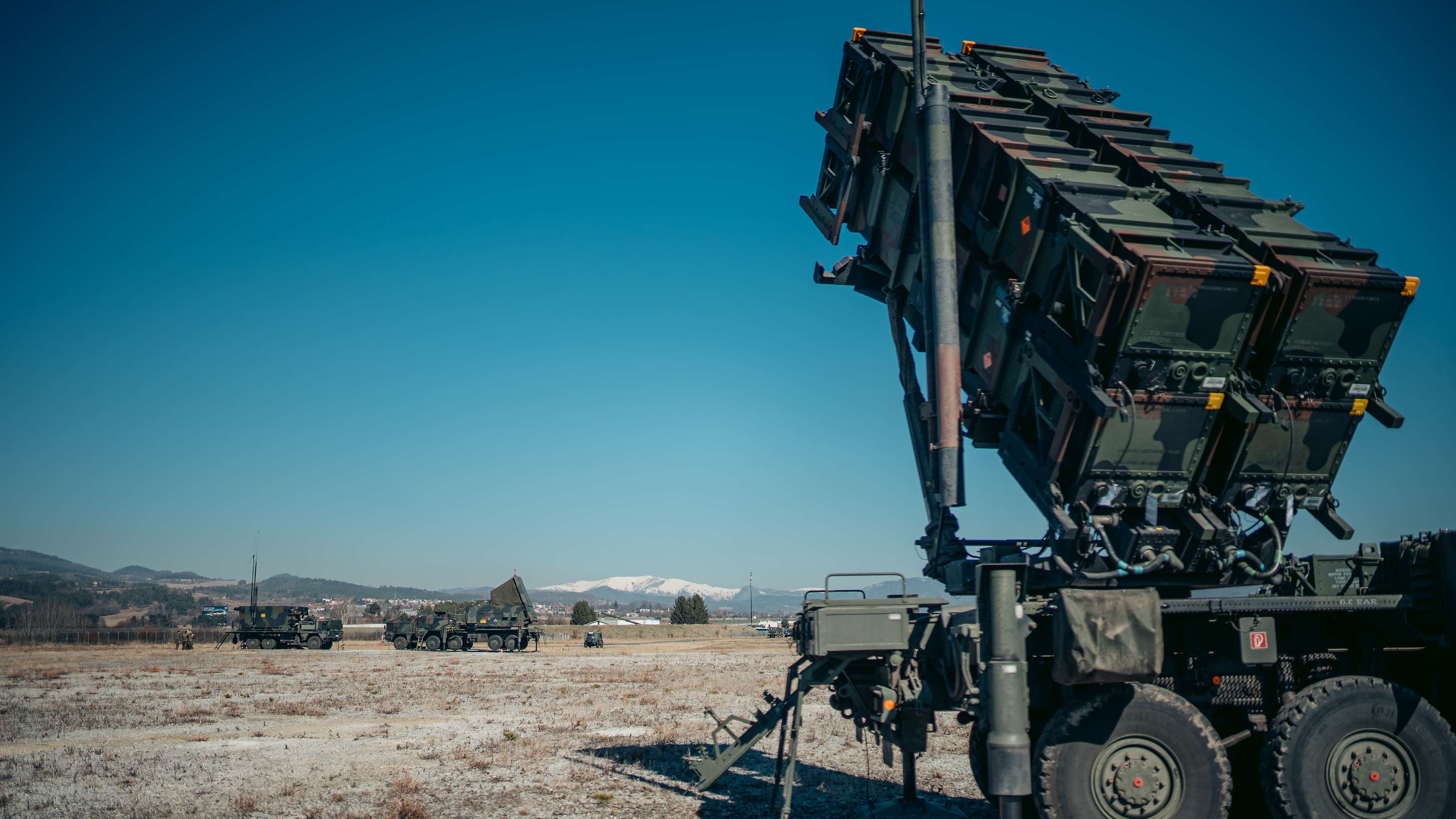
The defensive side is more complicated than matching one interceptor to one incoming weapon. Ukraine must protect cities, military sites, transport routes and energy infrastructure across a large country. Ballistic missiles demand scarce high-end interceptors such as Patriot ammunition; cruise missiles and drones may be engaged by different systems, aircraft or mobile fire teams. Commanders must decide what to defend most heavily, what to leave to cheaper layers and when to conserve ammunition for a more dangerous follow-on wave.
That is why the Russia 600 ballistic missiles Ukraine estimate, if broadly accurate, matters more than a dramatic headline number. An attacker can exploit geography, mix weapon types, send decoys and repeat raids to drain magazines. A defender needs radars, crews, launchers, reloads and a steady resupply chain. Additional batteries without sufficient interceptor stocks improve coverage less than headline announcements imply.
Kyiv winter energy strikes and the campaign pattern
Russia has repeatedly attacked Ukrainian electricity and heating infrastructure before and during winter, arguing that some energy facilities support military production and operations. Ukraine and its partners say the cumulative campaign inflicts predictable harm on civilians by disrupting heat, water and power. The next attack's target set cannot be known from Zelenskyy's warning, but the seasonal pattern makes energy sites an obvious defensive concern.
The warning also came after reports that facilities at the Zaporizhzhia nuclear power plant were struck on October 5. The plant's status increases the danger of miscalculation around energy infrastructure even when a strike does not directly hit a reactor. Grid connections, cooling, backup power and access for personnel all matter to nuclear safety.
Tuesday's reported casualty picture shows that the air war was already deadly before any possible large-scale salvo. EA WorldView's day-1685 roundup, citing regional authorities, reported 13 civilians killed and 104 injured across Ukraine over the preceding day. It listed seven killed and 70 wounded in Kharkiv after glide-bomb attacks, with additional casualties in Donetsk, Sumy, Kherson and Dnipropetrovsk; a hospital in Kryvyi Rih was also reported damaged.
Separate regional reporting said a residential strike in Zaporizhzhia wounded five and forced suspension of traffic across a Dnipro bridge. Odesa regional governor Oleh Kiper said Russian drones struck an ammunition depot, a bulk carrier carrying dual-use goods in Chornomorsk and port infrastructure in Izmail. He also said a Marshall Islands-flagged cargo ship carrying rapeseed oil was hit, killing one person and wounding seven. Claims from belligerents and local officials remain subject to later revision.
Who gains and loses in the refinery-versus-energy contest
Ukraine says its strikes have disabled 51% of Russian oil-refining capacity, an assertion that could not be independently verified and may measure temporary disruption rather than permanent loss. President Vladimir Putin has said the strikes cost Russia about 1% of gross domestic product, while the Kremlin has imposed a diesel-export ban. U.S. President Donald Trump urged Ukraine last month to stop attacking refineries, according to the PA report.
For Kyiv, pressure on refineries can constrain fuel supply, reduce export earnings and show allies that Ukraine can impose costs without relying entirely on imported long-range weapons. For Moscow, a broad winter campaign against Ukraine's power system could impose wider social and economic costs, stretch air defenses and test allied willingness to keep sending expensive interceptors.
Both strategies carry risks. Ukrainian refinery attacks can tighten regional fuel markets, complicate relations with partners and invite retaliation. Russian attacks on civilian-serving energy networks deepen humanitarian harm, harden Ukrainian hostility and strengthen the case for additional Western air defense. Neither side can assume that infrastructure pressure alone will compel the other to change its war aims.
What happens next: four scenarios to watch
1. A concentrated missile-and-drone salvo
The most direct reading is that Russia may combine ballistic missiles, cruise missiles and drones in an attempt to saturate defenses. Indicators would include a rise in bomber activity, naval missile-carrier movements, dispersal of launch platforms and unusually broad air alerts. None of those indicators was made public with the warning.
2. A prolonged sequence rather than one night
Moscow could spread attacks across several days to force Ukraine to reveal interceptor use and move scarce systems. A campaign of repeated medium-sized raids may create more cumulative pressure than a single spectacular strike.
3. Deterrence changes the plan
Public disclosure may lead Russia to alter timing, targets or weapon mix. If no immediate attack follows, that would not prove the intelligence was false; it could mean plans changed. It also would not prove the warning prevented anything. Intelligence claims are difficult to evaluate when much of the evidence remains classified.
4. An allied resupply decision
The fastest observable consequence may occur outside the battlefield: an announcement of Patriot interceptors, other air-defense ammunition or additional systems. Zelenskyy's appeal was directed as much at Washington and European capitals as at Moscow. The decisive question is whether partners can convert political support into ammunition before a possible strike, not after damage is counted.
The wider European security signal
Lithuania's parliament was also preparing to vote on legislation that would permit deployment of nuclear weapons, while Trump said Monday he would consider a permanent U.S. base in Lithuania. Kremlin spokesman Dmitry Peskov said such steps escalate tensions. Supporters of a stronger NATO posture argue that forward deployment deters Russian pressure; Moscow argues that it moves strategic infrastructure closer to Russia and makes the region less stable.
The overlap matters because Ukraine's air war is no longer discussed only as a bilateral military contest. Decisions about missile defense, bases and nuclear policy are reshaping the security environment around Russia's western frontier. That makes careful language more important: deterrence depends on credible capability and clear signals, while exaggerated or ambiguous claims can create pressure for rapid decisions.
Context and related coverage
Zelenskyy issued a separate warning at the United Nations General Assembly on September 22 that Russia could prepare another major attack. That was a different event and should not be confused with Tuesday's intelligence claim. Read the earlier UNGA warning and its diplomatic context.
Moscow has also made its own public threat assessment. Signal Post News previously examined Russia's warning that diplomats should leave Kyiv before possible strikes. For the economic side of the contest, see the analysis of Ukraine's claim that refinery strikes disabled 51% of Russian capacity.