Russia hits American businesses Ukraine: the American Chamber of Commerce in Kyiv says Russian missiles and drones have damaged facilities belonging to Coca-Cola, PepsiCo, McDonald's and the maker of Oreo — and that Washington has not responded.
Coca-Cola, McDonald's and PepsiCo: the American Brands Taking the Hits in Ukraine
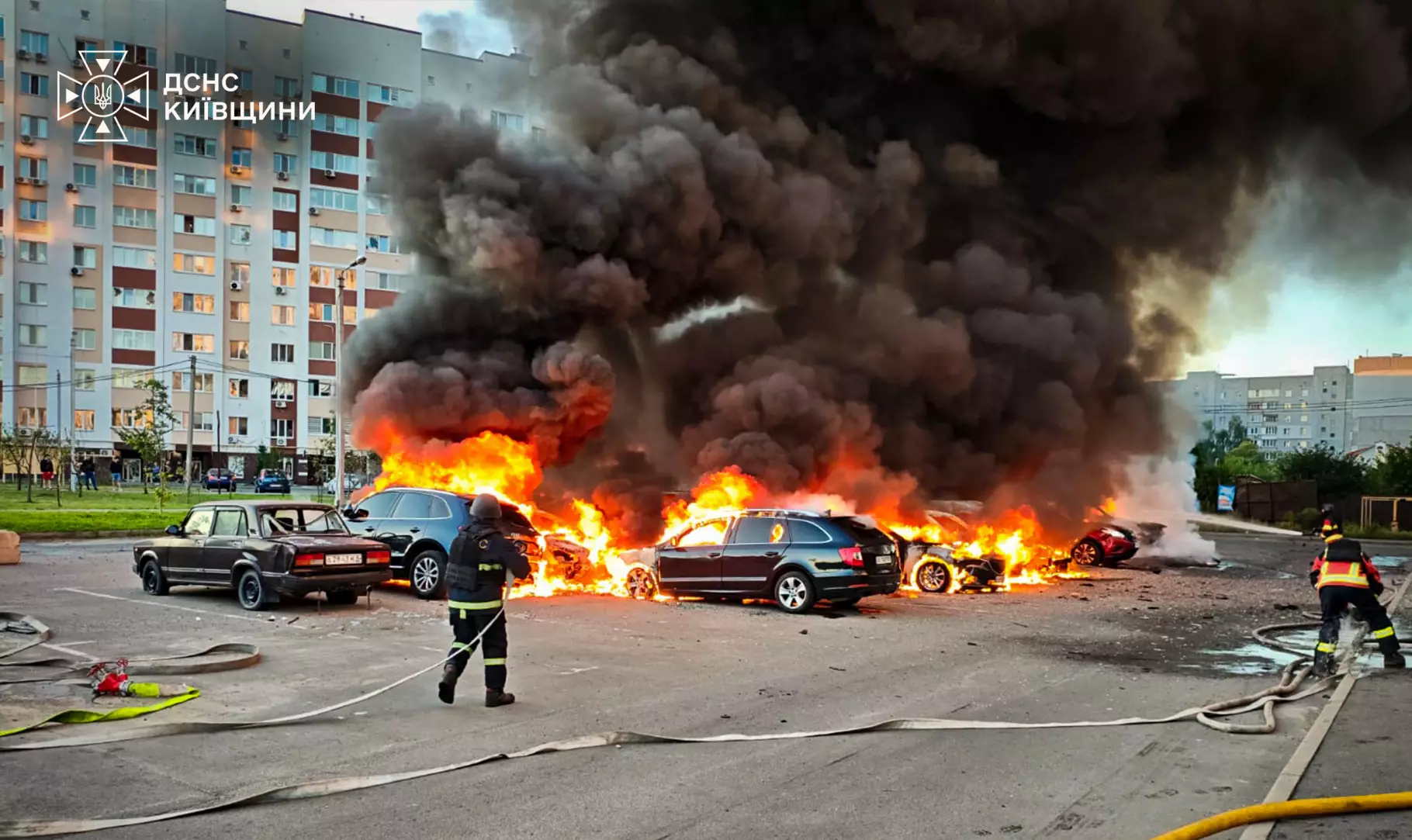
The complaint, aired by CNN on Wednesday, is not that American companies operate in a war zone — they know the risk — but that the pattern has changed and the response has not. Hunder said Russian forces keep hitting American facilities with drones and missiles, that it looks to the companies on the ground like a message aimed at American business, and that no response has come from the White House. That silence now sits inside the week's larger argument: Washington has publicly pressed Kyiv to stop striking Russian refineries, warned that intelligence sharing and weapons could be curtailed if it does not, and announced a diesel deal with Moscow — while saying nothing public about strikes on American factories, warehouses and offices in Ukraine. Ukraine's government raised the same point a fortnight ago: Denys Sienik, a Ukrainian diplomat, posted a list of American firms hit by Russian missiles — Boeing, Flex and Bunge among them, alongside the Coca-Cola plant and a McDonald's logistics site — and asked why Washington, which reacted quickly when Ukrainian strikes affected American assets in the Caspian Sea, stays silent when American firms in Ukraine are the ones struck, as we reported in our coverage of Ukraine's sanctions wish list and the Rassvet dispute.
Track it live: Ukraine war map · Live Global Wars tracker
The incidents, in order
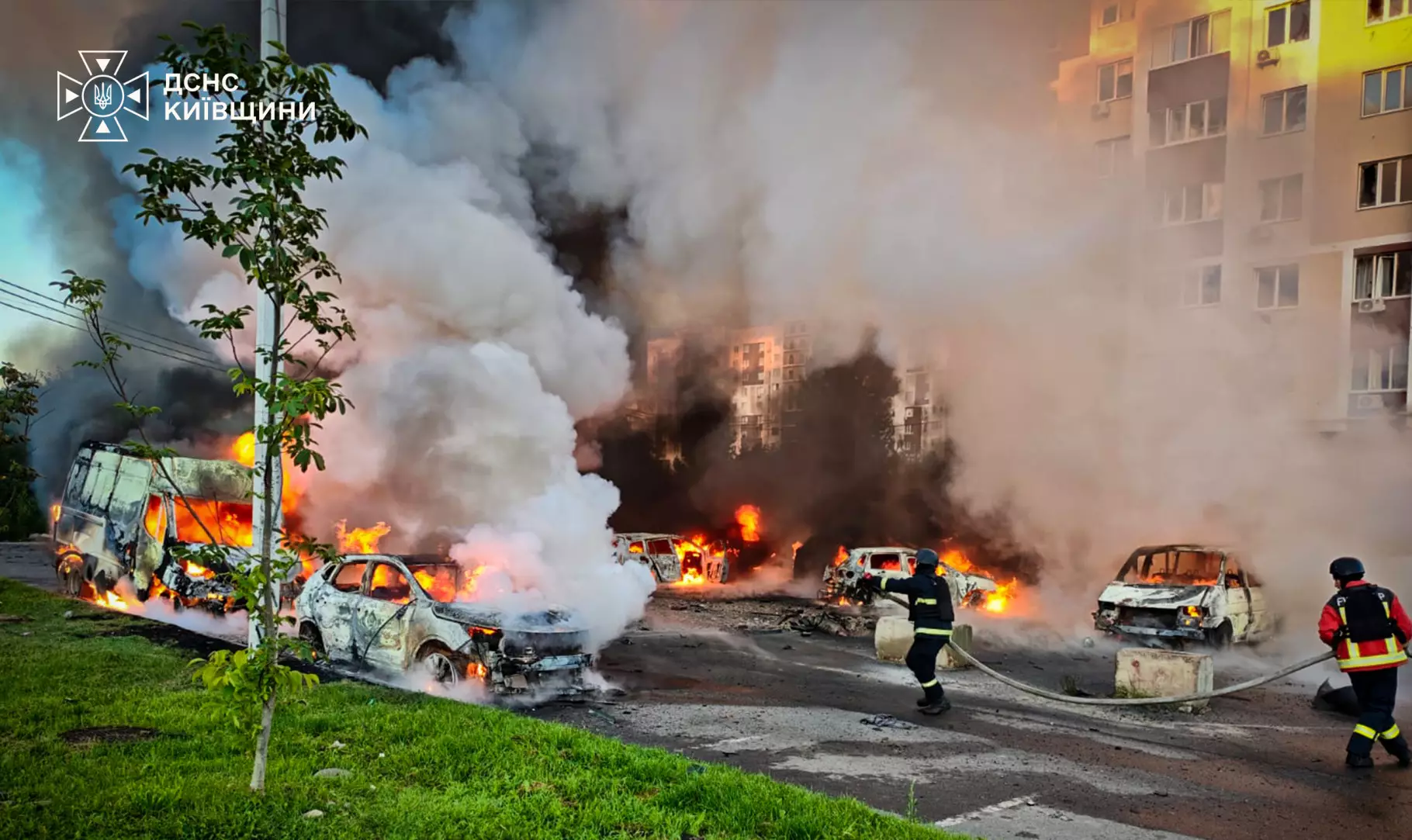
The named cases cluster in the last two months. In late August, PepsiCo acknowledged that a production facility in the Mykolaiv region had been damaged; there were no casualties. In early September, a Russian drone struck the Coca-Cola plant outside Kyiv — the Coca-Cola Beverages Ukraine site in the Brovary district, one of the company's largest plants in Europe. President Volodymyr Zelenskyy raised it in his nightly address on September 3, calling the strike a clear signal to America and arguing Moscow cannot have been unaware it was hitting an American enterprise. The company later confirmed its Brovary production site was damaged in a drone strike and that all employees were safe and unharmed. On September 25, an attack drone destroyed a warehouse in the Kyiv region operated by a McDonald's logistics partner; McDonald's Ukraine confirmed the damage, Zelenskyy pointed to the target — ordinary food products — in a post on X, and the chain says its Ukrainian restaurants have been offering a reduced menu since, because the warehouse fed the supply chain. Beyond the two months, the chamber's list reaches further back: Mondelez's Oreo factory in eastern Ukraine was damaged in 2022 and again in March of this year, and a Bunge plant was hit earlier this year. No casualties were reported in the company incidents the chamber and the companies have described. Russia's defence ministry did not address the chamber's claim in the statements checked for this report; Moscow has generally described its strikes in Ukraine as aimed at military, logistics and industrial targets, and its published target lists this week included logistics centres and warehouse facilities. Whether Russian planners are selecting targets because of American ownership — the chamber's and Kyiv's assessment — is not something the strike record alone can prove, and this article treats it as their claim, not an established fact. What is documented is the list itself, and the dates on it.
Why this matters
American business in Ukraine is not a footnote to the war; it is one of the few channels through which the war touches the United States without touching American soldiers. The companies on the chamber's list are employers, taxpayers and supply chains inside Ukraine's civilian economy — bottling plants, food factories, logistics warehouses — and their presence is precisely what Washington has pointed to for years as evidence of Ukraine's integration with the West. That is why the asymmetry the chamber is describing carries weight beyond the damage bills. The administration has a worked-out, public position on Ukrainian strikes that affect American interests: when Kyiv's drones hit facilities tied to American investments in the Caspian, Washington objected and, by Kyiv's own account, got closer targeting cooperation in return. It has threatened consequences — intelligence, weapons — over Ukrainian strikes on Russian refineries, blaming them for fuel prices that Zelenskyy argues are driven by the Strait of Hormuz and the Iran war, a dispute we covered in Zelenskyy's attack on the Russian diesel deal. Against that record, a running list of American facilities struck by Russia with no public American response is not just a communications gap; it is a signal about which strikes on American interests draw a reaction and which do not, and signals of that kind are read carefully in Moscow as well as in Kyiv. The one precedent the other way underlines the point: in August 2025, after a Russian strike on an American electronics factory in western Ukraine, Trump said he had told Vladimir Putin he was not happy about it — proof that a response is possible, and a measure of how complete the silence since has been.
A lobby that cannot get a meeting
The chamber's frustration is also institutional. Hunder said the chamber asked last month to meet Witkoff and Kushner — the two envoys who handle the Ukraine file — to update them on the state of American business, including the latest hits, and received no response. A former senior State Department official told CNN the problem runs deeper than one unanswered request: in official Washington, the official said, Ukraine is widely seen as the envoys' subject, which makes it hard for anyone else to raise even a practical issue like the protection of American factories. The companies themselves are split — Hunder acknowledged some want the strikes raised publicly while others tread carefully, wary of becoming named targets in a political argument. Several Democratic lawmakers have publicly urged the White House to do more to protect American businesses in Ukraine and to call out the strikes; the chamber hosts visiting lawmakers from both parties in Kyiv and has asked them to raise the matter with the White House. A White House official, responding to CNN, said Trump wants the war to stop entirely so the killing ends, and that the president and his team remain committed to a constructive role in ending the war and optimistic about a peace deal. The official did not address the individual strikes on American facilities. That is the factual state of play: the damage is confirmed by the companies, the complaint is now public, and the response, so far, is about the war in general rather than the American businesses being hit in particular. The strikes are also landing in the middle of the week's other dispute — whether Kyiv received advance warning of Russian ballistic launches — which we covered in the no-warning strikes and the energy ceasefire argument.
What the numbers say, and what happens next
Counted conservatively, the verified list now runs to at least seven American-linked companies — Coca-Cola, McDonald's, PepsiCo and Mondelez named by the chamber; Boeing, Flex and Bunge named by Kyiv's diplomats — across incidents stretching from the Oreo factory strike in March to the McDonald's warehouse in September, with three of the best-documented cases falling inside the last seven weeks. Set against the thousands of Ukrainian facilities damaged in this war, seven American names are a rounding error; set against the politics, they are the point, because each one is a case where a Russian weapon landed on American capital and no American consequence followed. Watch three things next. First, whether the White House names any struck American company publicly — officials have so far been reluctant even to name the firms affected, according to the Ukrainian account reported by Reuters — because naming is the cheapest form of response and its absence is the loudest part of the silence. Second, whether the chamber gets its meeting: a session with Witkoff or Kushner would convert a media complaint into a policy file, and its continued absence would confirm the former official's description of a closed channel. Third, the next strike: the pattern Hunder describes has repeated roughly monthly since August, and each new incident will now arrive pre-framed — as a test of whether Washington's position has changed since the chamber went public. Signal Post News will update this story as responses arrive. Sources: CNN, October 14, 2026; Reuters, September 30, 2026 (Ukraine urges expanded sanctions; Sienik's list of American firms hit); Coca-Cola statement to Newsweek, reported by Food Processing, October 2026. Related coverage: Wednesday's third morning of strikes on Kyiv and the Balakovo drone attack.