Rubio settler violence West Bank: the United States wants Israel to do more to deter settler attacks in the occupied West Bank, Secretary of State Marco Rubio said on Saturday, telling reporters the administration was "very disturbed" by the video of Washington Post photojournalist Heidi Levine being beaten at an olive harvest and had asked Israel to "crack down on that stuff."
West Bank / Washington said it out loud — now the arrests are the test
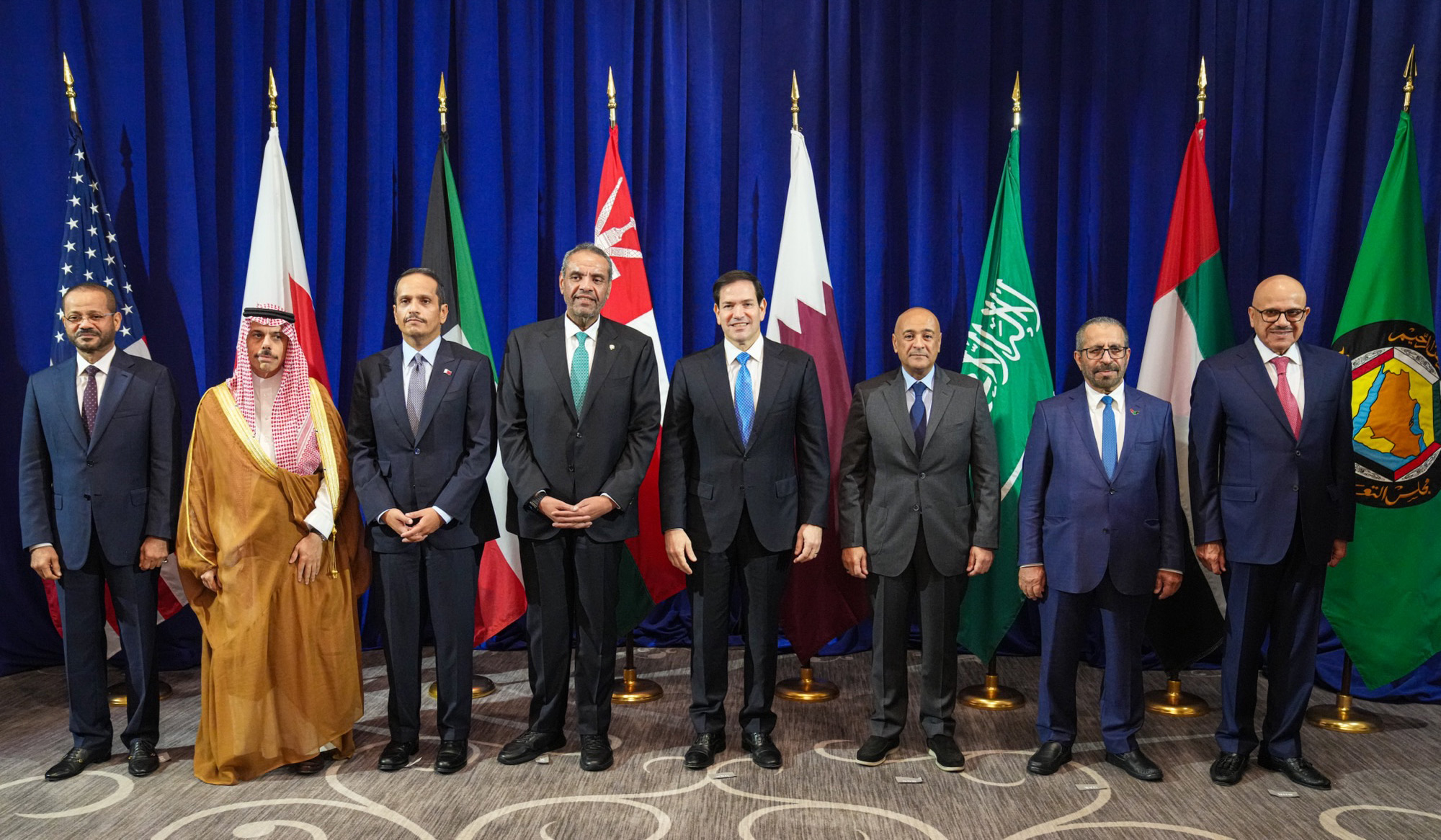
WASHINGTON — The United States wants Israel to do more to deter attacks committed by settlers in the West Bank, US Secretary of State Marco Rubio said on Saturday, in remarks to reporters before he boarded a flight to Uzbekistan, reported by Reuters.
Track it live: Israel war map and live tracker · all live war trackers
"We're very disturbed by those images and what we're seeing," Rubio said. "We've asked the Israelis and continue to ask them to crack down on that stuff." He said the State Department had inquired about the Abu Falah attack, in which Levine, an American photojournalist on assignment for The Washington Post, was one of at least two people injured on Friday, and that he expected to hear back from the US Embassy in Jerusalem by Sunday. The State Department has also reached out to the Post to offer consular assistance, CNN reported.
What Levine says happened in the grove
The new pressure rests on an account that has grown more detailed — and harder to wave away — since Friday. In a video statement reported by CNN, Levine said the Palestinian harvesters she was with began to retreat when they saw dozens of settlers running toward them. Settlers kicked her while she was on the ground, she said: "I had my camera bag and my pouch with my passport, and my telephone was on a rope around my neck and they broke that off me, and they broke my cameras off me, and they broke my bag, and they kept kicking me." She estimated the attack lasted ten minutes. "Just absolute craziness, and I didn't see anybody trying to stop it," she said.
Journalist Jasper Nathaniel, who witnessed the attack and helped Levine, told CNN he had watched settlers on a hilltop put on masks and pick up clubs about an hour before they charged down toward the harvesters, throwing stones; he said Israeli soldiers then arrived and fired tear gas at Palestinians, and described settlers firing guns from the back of a white pickup truck. Nathaniel, who visited Levine in hospital, said she had a broken rib, a broken vertebra and a severe finger injury requiring surgery. The Palestine Red Crescent Society said it treated two people beaten by settlers — a 63-year-old woman and a 40-year-old man. Levine was in stable condition at Ramallah Government Hospital, according to the Foreign Press Association, which condemned the attack and called on the Israeli military's Central Command to "stop making excuses and do its job of protecting civilians from these violent mobs." Our earlier report set out what the video itself verifies and what remains alleged: Washington Post photographer Heidi Levine beaten at the Abu Falah olive harvest.
An apology from the president, a demand from the ambassador
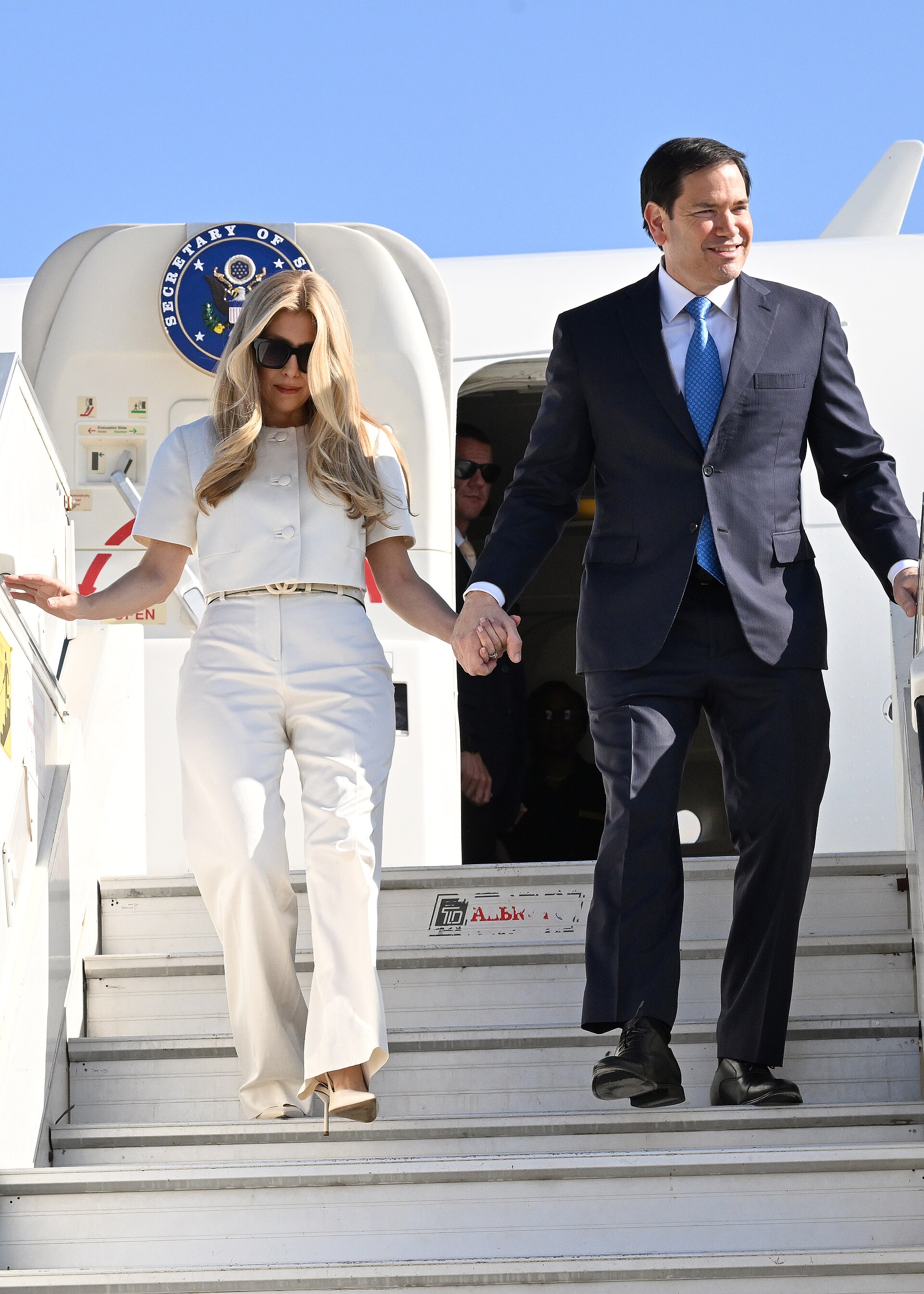
The Israeli response split visibly along the country's political fault lines on Saturday. President Isaac Herzog said in a statement that he had called Levine after the Jewish Sabbath ended. "As President of the State of Israel, I strongly condemn this outrageous and shocking violence, both the terrible attack you endured and other grave incidents of violence, such as what took place today in Taybeh," Herzog said — a reference to Saturday's separate attack on a European diplomatic delegation at the Taybeh olive harvest, covered in our report on masked settlers attacking European diplomats at Taybeh. "This weighed heavily on my conscience throughout Shabbat, and I express my deep sorrow and apologize for what you went through. The despicable behavior of the perpetrators of this attack does not represent the citizens or the values of the State of Israel."
US Ambassador to Israel Mike Huckabee condemned the attack in still stronger terms, calling it a "despicable act of terror carried out by masked cowards" and a "dishonorable act of senseless violence," and demanding "a full investigation, arrest, and prosecution to the fullest extent of the law to whoever participated in this." Israel Police have opened an investigation and said they "view any act of violence with great severity, particularly when it involves members of the media carrying out their work." The Israel Defense Forces said they would examine "all circumstances" around the incident, adding that "attacks and violence against innocent civilians are grave and unacceptable acts."
Netanyahu's caveat, and the rival who would not add one
Prime Minister Benjamin Netanyahu, who has repeatedly described settler violence as the work of a rogue minority, struck a different note: in a statement on X he tried to cast doubt on the attack, saying "serious questions remain," while stating that Israel "unequivocally condemns violence against anyone" — without, CNN noted, issuing any censure of the masked and armed settlers who carried out the attack. His main rival in the Israeli elections scheduled for October 27, Gadi Eisenkot, called the attack on Levine "unacceptable" and said such acts "stain an entire nation." Palestinian voices were blunter still: Mustafa Barghouti, head of the Palestinian National Initiative, said on X that settlers had set olive trees on fire, pelted farmers with stones and fired live ammunition "in full view of the cameras" to prevent Palestinians harvesting their own trees. Settler supporters and some Israeli officials dispute that framing of harvest-season confrontations, arguing that land claims in parts of the West Bank are contested, that Palestinians and activists also initiate clashes, and that Israeli civilians in the West Bank face attacks of their own; those arguments are part of the record, and none of them answers the narrower question Saturday's statements pose, which is what happens to the men in this particular video.
The number behind the argument: 170 attacks since September 27
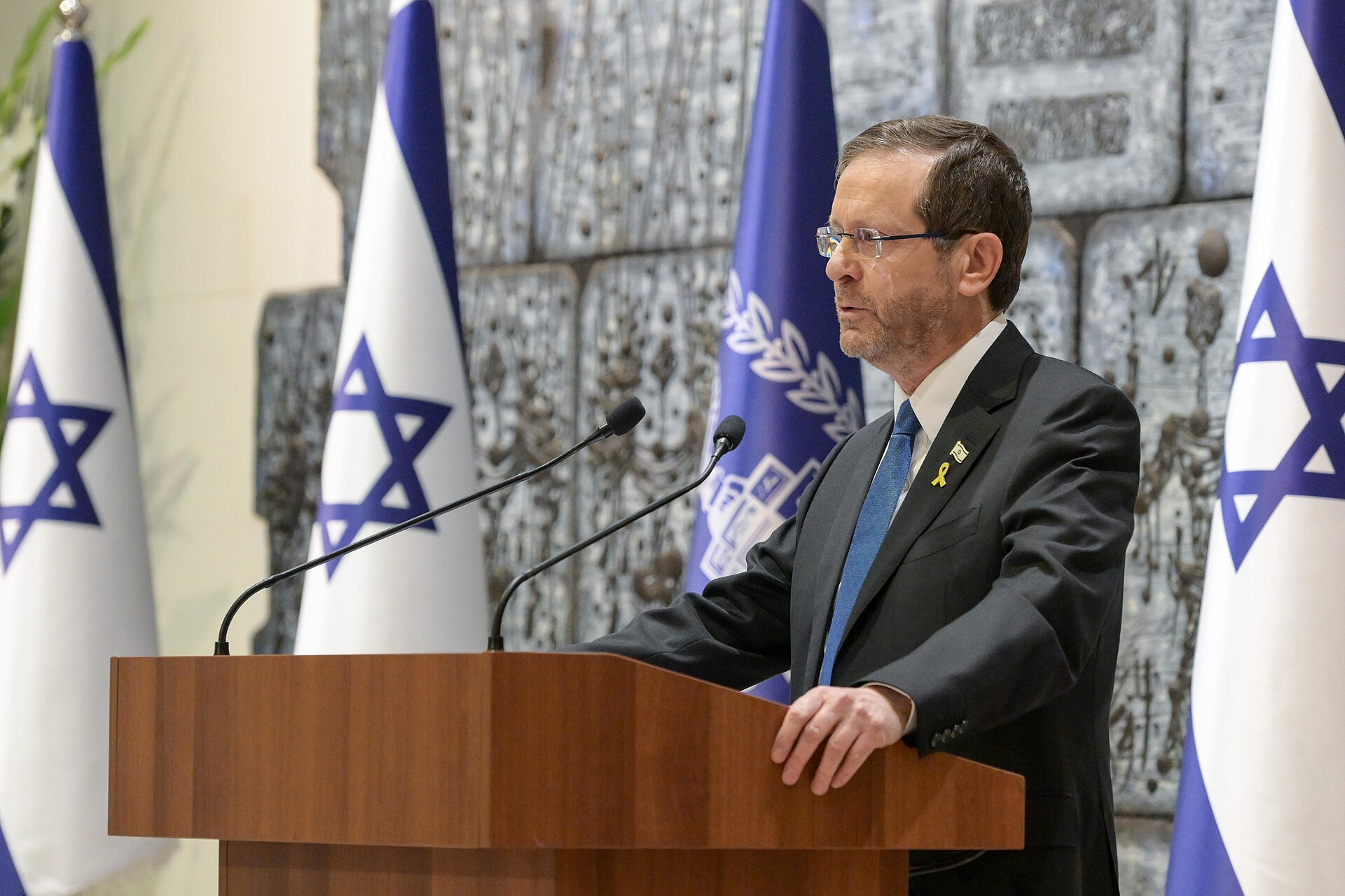
Rubio's remarks land on a statistic that reframes the story from an incident into a pattern. Israeli settlers in the West Bank have been involved in at least 170 attacks on Palestinians since September 27 — around the start of the annual olive harvest — according to Yesh Din, an Israeli settlements monitoring group, cited by Reuters. That is an average of roughly eight attacks a day across the first three weeks of the harvest, in a season that UN humanitarian reporting has for years identified as the West Bank's most violent recurring flashpoint, because the harvest is communal, predictable and brief: everyone knows which villages will be in which groves, and when. The economics are not incidental. Olive oil is the backbone of the rural Palestinian economy, and a grove a family cannot safely pick for one season is a year's income lost; a grove it cannot pick for several seasons is how agricultural land changes hands without any formal order ever being signed. Set against that, the enforcement record is the contested ground: Palestinian officials and rights groups say arrests and prosecutions of settler attackers are rare, while Israeli officials say police investigate reported incidents and that the violent actors are a small minority of the settler population. Levine herself predicted the outcome she expects: "Sadly, none of them will be prosecuted. I am sure of it."
The sanctions question Rubio had to answer
The sharpest exchange of Rubio's Saturday remarks came when reporters pressed the apparent contradiction: how does the administration square being "very disturbed" by settler violence with President Trump's decision, early in his current term, to lift sanctions on Israeli settlers? Rubio answered that removing sanctions is not support for settler violence. "He doesn't want to see what's happening now," Rubio said of Trump. "Lifting sanctions… does not mean he's a supporter of what he's seeing now on television, what he's reading about." The exchange matters because it identifies the actual lever in this story. Condemnations — even a presidential apology and an ambassador's demand for prosecution — are requests addressed to Israeli institutions. Sanctions, visa restrictions and the other instruments Washington chose to retire are actions Washington controls itself. Whether Saturday's language is followed by any of those instruments returning is the measurable difference between a diplomatic embarrassment and a policy change, and it is the question Rubio's answer conspicuously left open.
Why this matters
This matters because Saturday converted a crime scene into a test with named examiners and a deadline. The US Embassy in Jerusalem owes the Secretary of State a report by Sunday. Israel Police have an open investigation and unusually clear video. The president of Israel has apologized to the victim personally; the US ambassador has demanded arrests "to the fullest extent of the law"; the prime minister has said questions remain while his election rival, ten days before Israelis vote on October 27, has called the attack a national stain. Each of those positions is now on the record, which means each can be checked against what happens next — an almost unheard-of level of accountability pressure in a category of West Bank violence that normally produces statements and then silence. There is also a wider war context that neither government can separate from the grove at Abu Falah: Washington is simultaneously managing a fragile Gaza ceasefire that keeps being breached and Lebanon talks in Tampa aimed at ending Israeli attacks there, and it has now told its closest regional ally, in public, that the West Bank is part of the same credibility problem. Rubio's phrasing — "we've asked, and continue to ask" — is the sound of a request that has been made before. What is new is not the asking. It is that the asking is now attached to a named American victim, a viral video, an apology, and a Sunday deadline.
What happens next
Three clocks are now running. The first is Rubio's: the embassy's account of the Abu Falah attack is due to reach him by Sunday, and whether Washington says anything further once it arrives — and whether the sanctions question returns with it — will show how far "very disturbed" actually travels. The second is the investigation's: police have a video-recorded attack on a clearly marked journalist, demands for prosecution from both the Israeli president's condemnation and the US ambassador, and a victim who has publicly predicted no one will be prosecuted; arrests, or their absence, will adjudicate between those statements within days. The third is the harvest's: the season is not over, Taybeh was attacked on Saturday even as the apologies were being drafted, and the Yesh Din count of 170 attacks since September 27 will either slow under the combined weight of Saturday's statements or it will not. Signal Post News will update this story as the embassy response, the investigation and the harvest figures arrive.
Sources: Reuters, Oct. 17, 2026 (Rubio remarks, State Department inquiry, Yesh Din count of at least 170 attacks since September 27); CNN, Oct. 16–17, 2026 (Levine video statement and injuries, Nathaniel account, Herzog call and apology, Huckabee statement, Eisenkot and Netanyahu responses, Israel Police and IDF statements, FPA and Red Crescent). Verification note: every quotation in this article is carried by Reuters or CNN reporting of the Saturday statements; the underlying Abu Falah attack and the Taybeh attack are covered, with their own sourcing and verification notes, in the two linked Signal Post News reports. Related on Signal Post News: Heidi Levine beaten at the Abu Falah olive harvest · Settlers attack European diplomats at Taybeh · Why Israel strikes Gaza despite the ceasefire, explained.