West Bank / She went to photograph the harvest — and the cameras became the story
What is established first, because it is on camera: video posted by independent journalist Jasper Nathaniel, who was present, shows Levine on the ground being kicked and beaten with clubs by masked men, and shows her equipment being taken. She was, by her newspaper's account and by the visible evidence of the footage itself, clearly marked as press. In the immediate aftermath captured in the same reporting, she said her belongings had all been taken. The Washington Post's executive editor, Matt Murray, issued the newspaper's position within hours: the Post was relieved she had received medical care and was safe, it was outraged by the attack, and it urged a thorough investigation and follow-through from authorities. In initial reporting on Friday, Israeli authorities had not yet publicly responded.
Reuters witnesses at Abu Falah described a broader assault unfolding around the attack on Levine: dozens of settlers, faces covered, coming down toward the terraced grove where villagers had gathered for the harvest, olive trees burned, rocks thrown, and Palestinian medics reporting injured people taken toward Ramallah-area hospitals, Levine among them. Reporting from the scene also described Israeli military vehicles arriving while the confrontation continued, tear gas fired in the direction of Palestinians, and the sound of live gunfire. The Israeli military did not immediately respond to a request for comment in that reporting. Those scene-setting details come from named wire reporting at the village; they are distinct from the narrower set of claims, examined below, that rest so far on eyewitness social-media posts.
What the video shows — and what remains alleged
Precision matters here, because this story will be fought over, and the strongest ground is the footage. The video establishes that a marked, helmeted photographer was surrounded, struck repeatedly with clubs and kicks, knocked down and robbed of her equipment. That sequence is not in dispute as a description of the recording, and it is the fact pattern behind the Post's demand for an investigation. Beyond the video, the account widens into claims that are, at this stage, reported and alleged rather than independently verified: Nathaniel's posts described machine-gun fire, said at least one Palestinian had been shot, and described soldiers assaulting journalists as well as settlers attacking harvesters. Medics' reports of injuries are consistent with a violent incident beyond Levine's beating, but the claims about who fired, and who was hit, had not been confirmed by hospital, military or wire accounts in the first hours. Signal Post News is treating the video's contents as verified, the wire witnesses' description of the wider clash as reported by Reuters, and the gunfire-casualty claims as allegations attributed to the eyewitnesses who made them — three different evidentiary weights for three different parts of the same morning.
The harvest that comes back every October
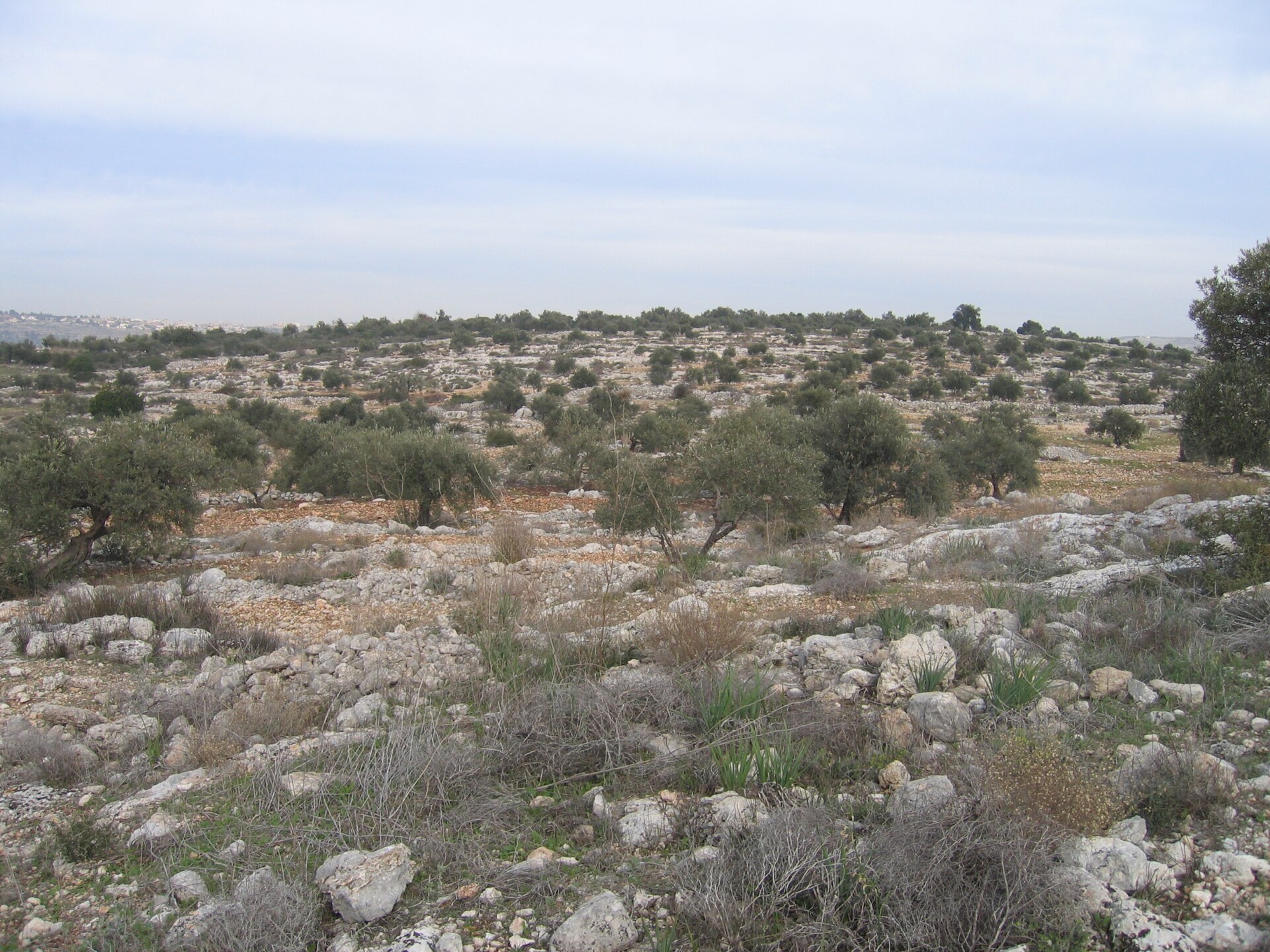
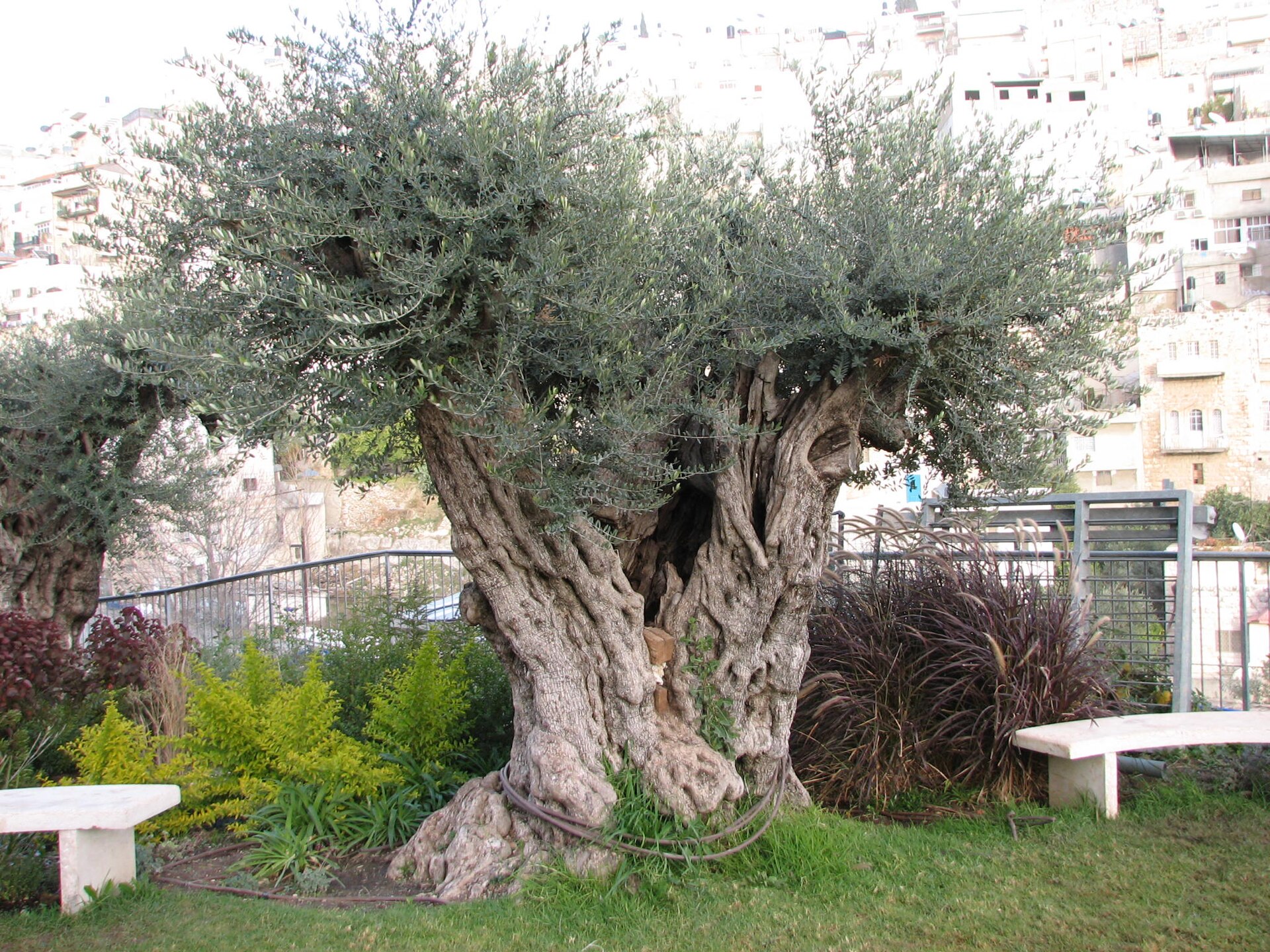
To understand why a photographer was standing in that grove at all, understand the harvest. Olives are the backbone of the rural Palestinian economy: reporting on last year's season put the sector at roughly 8 percent of Palestinian GDP and more than 60,000 jobs, and for individual families a grove is not a crop so much as an inheritance — trees planted by grandparents, picked by grandchildren, producing the oil a household eats and sells. The harvest is also communal and predictable, which is its vulnerability. Everyone knows when the villages will be in the groves, families together, ladders up, for a few concentrated weeks each autumn. For years, that calendar has drawn a parallel calendar of confrontation: UN humanitarian reporting, through its OCHA office, has documented settler attacks clustering around the harvest season as a recurring pattern, and Associated Press reporting on the 2025 harvest described settler attacks averaging eight a day during the season — the highest rate since the UN began collecting such data in 2006. Settlers and their supporters dispute the framing of those statistics and argue that Palestinians and activists also initiate violence, that some land claims are contested, and that Israeli civilians in the West Bank face attacks of their own; Israeli officials, including Prime Minister Benjamin Netanyahu in past seasons, have described violent settlers as a minority who do not represent the settler population as a whole. What is not contested by any side is the calendar: the harvest happens, the confrontations happen, and journalists go because both are true.
When the press marking stops protecting
Press-freedom organizations have been warning for several years that the protective meaning of a press vest in the West Bank and Gaza has been eroding — that markings which once caused armed men on all sides to hesitate now, in the documented worst cases, do not. Levine's case will land in that file with unusual evidentiary strength. She is not a local stringer whose affiliation can be argued about afterwards; she is a veteran staff photographer for one of the world's most prominent newspapers, attacked in daylight, in company, on video, wearing visible markings and a helmet. The helmet detail is the one her colleagues returned to: the protective equipment journalists are sometimes criticized for wearing in quiet areas exists for exactly this, and the early accounts from the scene credit it with preventing worse. There is a bleak professional logic underneath. If the marking, the helmet, the employer and the camera all fail to protect a photographer in a grove in October, then the protection was never really in the equipment — it was in a norm, and the norm is what the video shows being beaten.
Why this matters
This matters on three levels at once. The first is a single woman's morning: a 64-year-old photographer went to work documenting a harvest and was beaten and robbed, and the investigation the Post has demanded will either identify masked men from clear footage or it will not — a binary outcome that will say a great deal either way. The second level is the harvest itself, which is an economic event before it is a political one: every grove a village cannot safely pick is oil unpressed, income lost, and trees left exposed to the burning and uprooting that harvest-season reporting has documented year after year; the cumulative arithmetic of lost seasons is how agricultural land quietly changes hands without a single formal order. The third level is the witness function. The reason a Washington Post photographer was in Abu Falah — like the reason an independent journalist was filming beside her — is that the harvest is where an abstract conflict becomes countable. Attacks on the people doing the counting are therefore never only attacks on journalists; they are interventions in what the world gets to know, and both the flotilla investigations traced in our report on Italy's flotilla investigation and the ceasefire arithmetic examined in why Israel strikes Gaza despite the ceasefire turn, in the end, on the same scarce resource: verified witness that survives contact with the event.
What happens next
The next developments are concrete. First, the investigation: the Post has publicly urged a thorough one, and whether Israeli police or military authorities announce arrests, or announce anything at all, is now a matter of record waiting to be made; in initial reporting there had been no public response. Second, Levine's own account: a photographer of her experience will document her injuries, her stolen equipment and her recollection through her newspaper, and that account will either corroborate or complicate the eyewitness claims about gunfire and a wounded Palestinian — claims that hospitals and the military can confirm or dispute with records if they choose. Third, the season: the harvest is not over, other villages are still picking, and whether Friday changes the security posture around the groves — in either direction — will be visible within days. Fourth, the diplomatic echo: an American citizen, employed by an American newspaper, beaten on video is the kind of incident that tends to surface in State Department statements, and the wording Washington chooses will be read closely in Jerusalem and Ramallah alike. Signal Post News will update this story as responses and records arrive, and will keep the three categories — verified, reported, alleged — exactly where they are until the evidence moves them.
Sources: Washington Post statement by executive editor Matt Murray, via The Daily Caller, Oct. 16, 2026; Reuters reporting from Abu Falah, Oct. 16, 2026; CNN reporting via The Los Angeles Post, Oct. 16, 2026; eyewitness video posts by Jasper Nathaniel, Oct. 16, 2026 (claims attributed in text). Related on Signal Post News: Italy investigates the Gaza flotilla affair · Why Israel strikes Gaza despite the ceasefire, explained.