U.S. News / Cedar Rapids, Iowa — The Quaker Oats plant fire began with an apparent explosion on Saturday afternoon, October 24, 2026, at the facility the company calls the largest milling plant in the world. Heavy smoke and flames rose from the north side of the downtown Cedar Rapids complex, every worker inside got out safely, and by early evening most of the fire was out — with no injuries to workers or firefighters, and no cause yet identified.
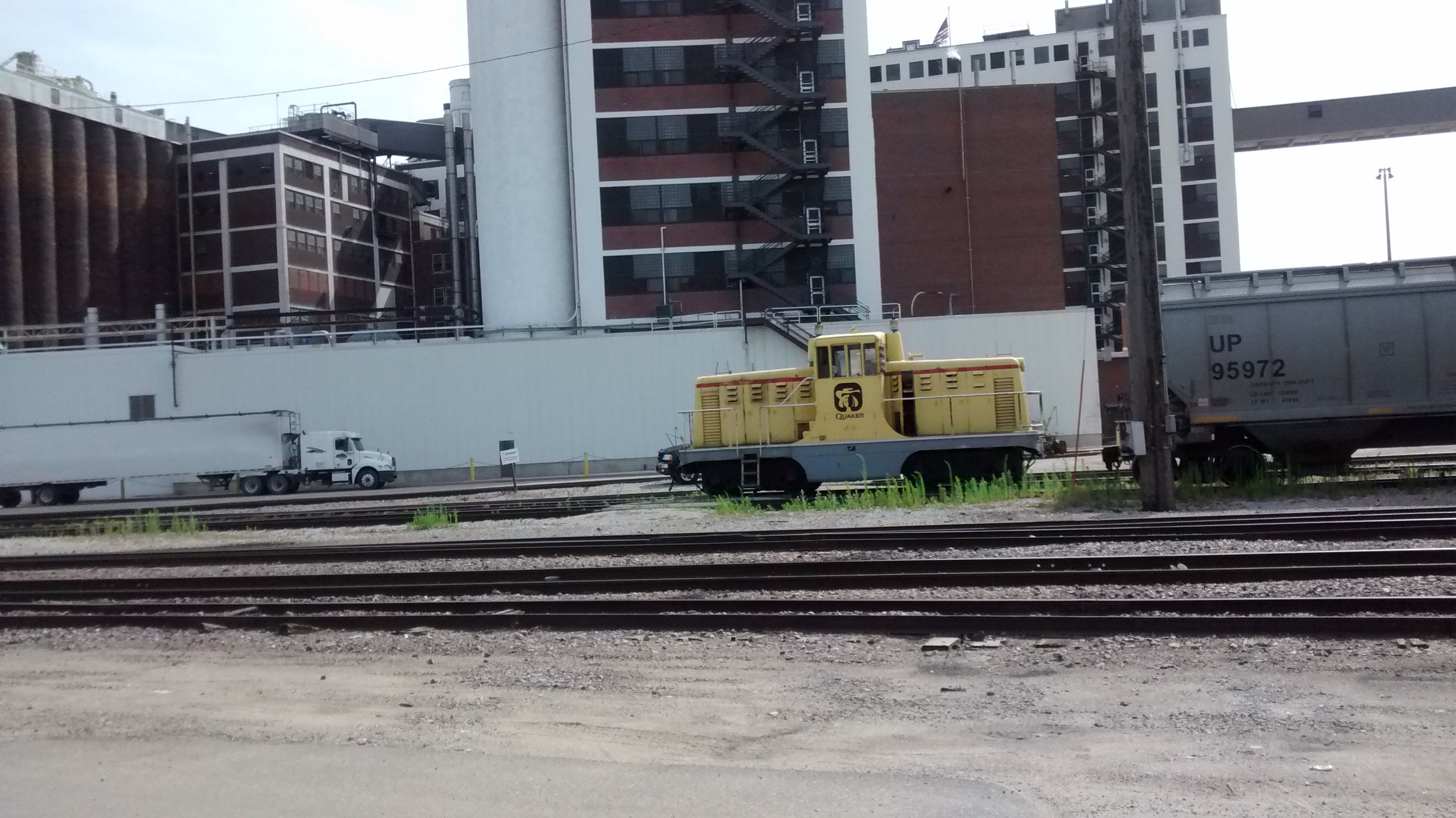
The Quaker Oats plant fire was reported at 4:44 p.m. local time on Saturday, when dispatchers received a call reporting an explosion and fire inside the plant in downtown Cedar Rapids, according to the Cedar Rapids Fire Department. Firefighters arriving at the scene found heavy smoke and flames on the north side of the building and began suppression efforts immediately, with assistance from the Marion, Hiawatha and Linn County fire departments.
All workers at the plant were able to evacuate safely, and no firefighters were injured. Cedar Rapids Mayor Tiffany O'Donnell said the fire broke out in an area of the plant that handles products and is "not heavily populated with employees and team members," adding: "Which of course in this case was a blessing." Local reporting said all plant workers had been accounted for by about 5:30 p.m.
What happened on Saturday afternoon
Photos and videos shared from across the city showed a large plume of black smoke rising over downtown Cedar Rapids, visible for miles, and traffic was affected on Interstate 380 near the downtown S-curve as crews worked. A local witness, Dan Gardner, told KCRG he felt "terror, sadness [and] worry" on seeing the smoke: "Quaker Oats is a staple of this town. So we don't want to see them blow up."
By 6:25 p.m., the fire department said firefighting operations had successfully extinguished most of the fire, with limited operations continuing inside the building to address final hot spots and overhaul. The department said the blaze evidently began with an explosion, and that investigators would work to determine what caused both the explosion and the fire. As of Saturday night, the cause remained unknown, and officials had not released an assessment of damage to the interior of the building or of any effect on production.

The plant at the center of a city
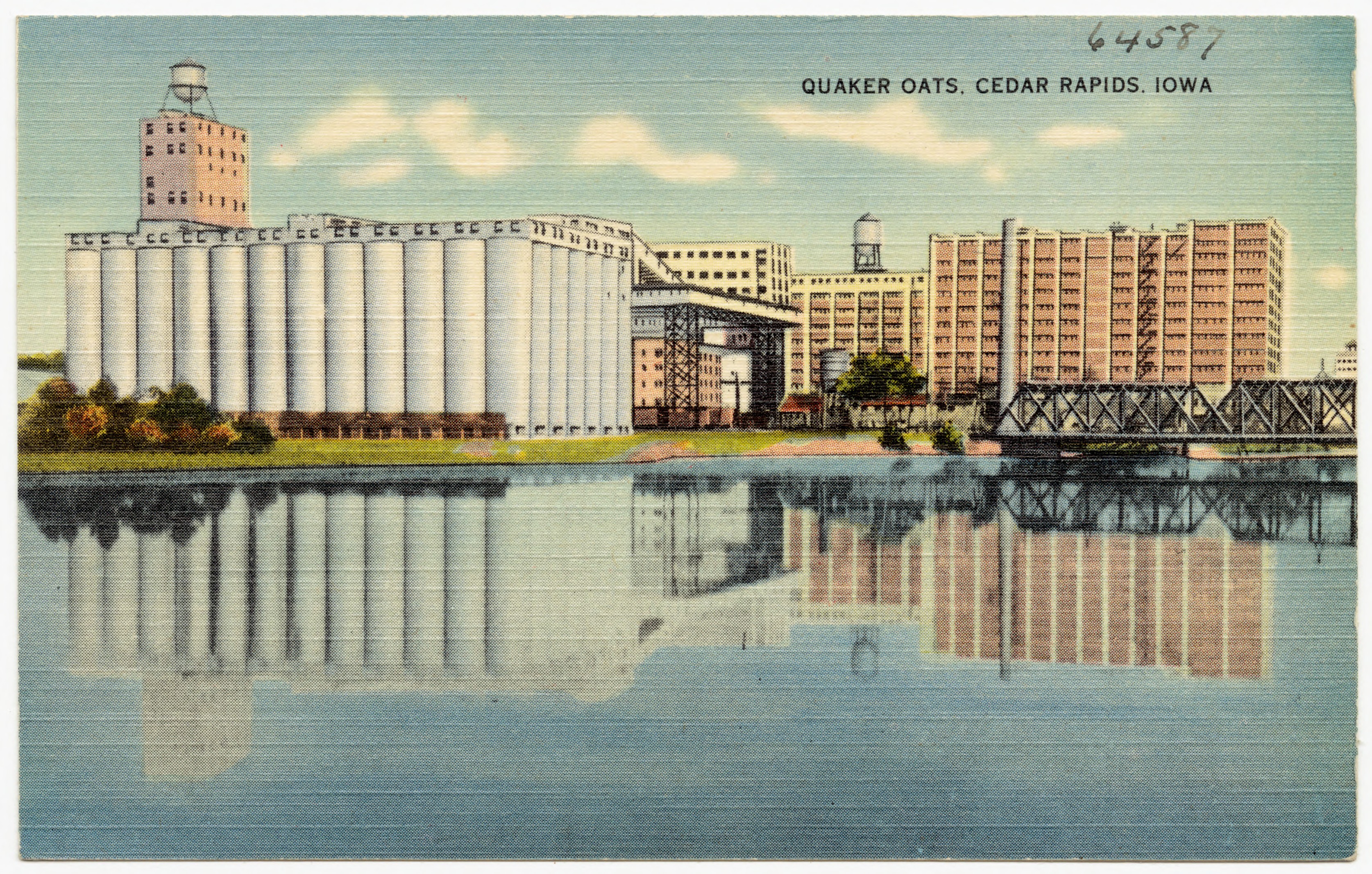
This is not an anonymous warehouse on an industrial estate. The Cedar Rapids Quaker Oats plant is, by the company's own description, the largest cereal mill in the world: a 13-story, 190-foot complex at 418 2nd Street, directly alongside the Cedar River, employing about 740 people. It produces rolled oats and oatmeal products, Cap'n Crunch, Life, Quaker Oats Squares and Pearl Milling Company pancake mix and syrup, among other lines — a substantial share of the breakfast cereal on American shelves passes through this one site.
The site's history runs back to 1873, when it began as the North Star Mill. It was rebuilt after a devastating fire and explosion in 1905 — an earlier disaster at the same complex, in which a worker was struck by a flying brick and a first responder was presumed dead, and which the young Cedar Rapids Fire Department contained only by soaking every neighboring downtown building. A smaller fire was reported at the facility in 2018, when an oven on the 10th floor caught fire, and again in April 2026, according to local histories of the plant. The red Quaker Oats sign on the roof — installed in 1947, damaged by the August 2020 derecho and replaced with an LED replica in 2021 — is one of the city's defining landmarks.
Why this matters
Three things make a Saturday-afternoon plant fire in Iowa a national story. The first is concentration: when the world's largest mill for a staple food category sits in one downtown complex, a single incident is automatically a supply-chain question. Quaker's parent, PepsiCo, had not commented on production impact as of Saturday night, and there is no evidence in the official reporting of damage severe enough to interrupt supply — but until the interior assessment is published, the honest position is that nobody outside the investigation knows how much of the plant was affected, because the fire burned inside the building, not just on its roofline.
The second is the hazard itself. Grain and cereal milling carries a well-documented explosion risk: fine organic dust, suspended in air inside enclosed equipment and buildings, can ignite with explosive force. Investigators have not said that a dust explosion occurred here — the department's wording is deliberately narrow, "an apparent explosion" that "evidently" began the fire — and it would be wrong to name a mechanism before the investigation does. What can be said is that this hazard class is exactly why federal process-safety rules for grain handling exist, and why a plant with an 1873 footprint, repeatedly rebuilt, will face hard questions about which parts of the complex were involved.
The third is the outcome — and here the news is genuinely good. In 1905, this same site killed people. In 2026, an explosion and a working fire in a 740-employee plant produced zero injuries, a complete evacuation, and a fire largely out within about 100 minutes of the first call. Evacuation discipline, alarm systems and a multi-department response did what they are designed to do. That contrast is the strongest early finding of the incident, and it should not be buried under the smoke photographs.
What happens next
Investigators will determine the cause of the explosion and fire, and the company will have to account for three things in the coming days: the extent of interior damage, whether any production lines are paused and for how long, and what the incident means for the plant's workforce scheduling. Cedar Rapids officials will also face the city's long-standing question about emergency planning around a very large industrial site in the middle of downtown — a question Saturday's clean evacuation answered well for one afternoon, without settling it permanently.
For shoppers, there is no current basis to expect shortages: no production halt has been announced, and Quaker operates other facilities. For Cedar Rapids, the story is simpler and more human. The plant that residents describe, without embarrassment, as a staple of the town is still standing, everyone who was inside it on Saturday went home, and the investigation — not speculation — will say what happened at 4:44 p.m.
Related coverage: Bouquet Fire in Santa Clarita · Toyota Land Cruiser hybrid recall over fire risk
Sources
- Associated Press (via ABC News and other outlets), October 24, 2026: "Explosion and fire erupt at Quaker Oats plant in Cedar Rapids, Iowa; no injuries" — apparent explosion caused the fire at the plant the company touts as the largest milling facility in the world; call at approximately 4:45 p.m.; no immediate reports of injuries; cause not yet determined.
- Cedar Rapids Fire Department statements, as reported by Fox 32 Chicago and the New York Post, October 24, 2026: dispatch call at 4:44 p.m.; heavy smoke and flames on the north side; assistance from Marion, Hiawatha and Linn County; most of the fire extinguished by 6:25 p.m. with limited interior operations continuing; all workers evacuated safely; no firefighters injured; investigation ongoing.
- New York Post, October 24, 2026: Mayor Tiffany O'Donnell's statement that the fire broke out in a product-handling area "not heavily populated with employees"; witness Dan Gardner via KCRG.
- CBS2 Iowa / KCRG reporting via Men's Journal, October 24, 2026: firefighters found evidence consistent with an explosion followed by fire; all plant workers accounted for by approximately 5:30 p.m.; Interstate 380 traffic affected.
- Quaker Oats Plant reference data (Wikipedia, citing company and local sources): largest cereal mill in the world; 418 2nd Street, Cedar Rapids; completed 1927 (site founded 1873, rebuilt after the 1905 fire); 13 floors, 190 ft; about 740 employees; products including Cap'n Crunch, Life, Quaker Oats Squares and Pearl Milling Company lines.