Toyota Land Cruiser recall: Toyota is recalling 105,794 Land Cruiser Hybrid SUVs in the United States because a fuel-tube connection can come apart, leak fuel and raise the risk of fire.
Autos / Safety — the defect is a single connection near the fuel tank, the fix is a clamp or a new tube, and owners do not have to wait for a letter to check whether their SUV is on the list
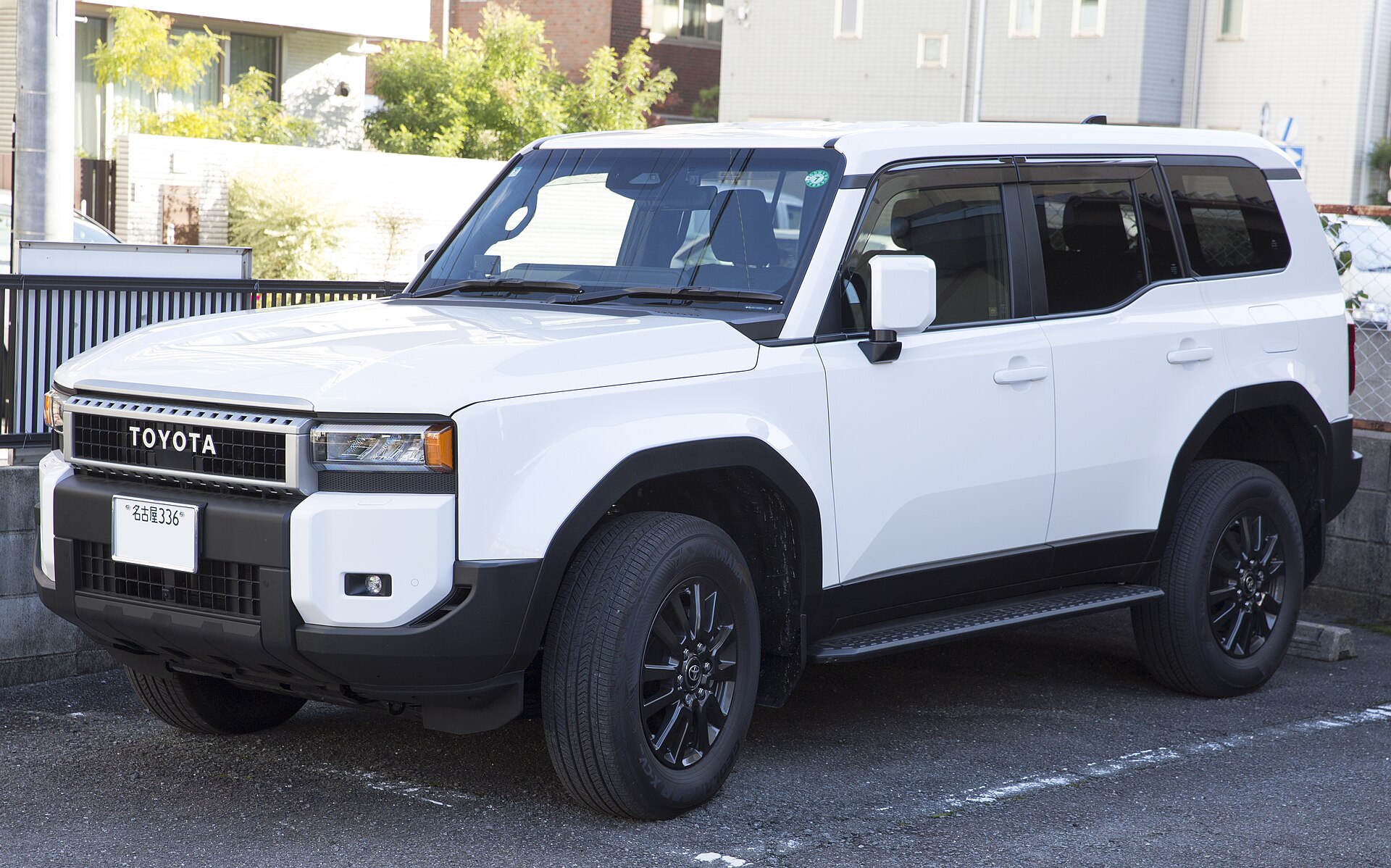
What is being recalled, exactly
The numbers, exactly as the two independent reports give them: 105,794 vehicles in the United States, all of them Toyota Land Cruiser Hybrids from the 2024, 2025, 2026 and 2027 model years. Reuters, reporting the NHTSA notice on Wednesday, rounded the figure to about 105,800 in its headline; the precise count in the regulator’s report is 105,794. USA Today, which read Toyota’s own recall filing, broke the total down by model year: 25,041 vehicles from 2024, 41,955 from 2025, 21,274 from 2026 and 17,524 from 2027. Those four figures add up to exactly 105,794 — a useful check, because it confirms that the two reports are describing one and the same recall, not two separate actions.
The recall itself is not brand new this morning, and the timeline matters. Toyota filed it with NHTSA on October 14, according to USA Today’s reading of the agency’s website; NHTSA’s public notice, and the wire coverage that put the story in front of most owners, landed on Wednesday, October 21. So Wednesday is the day the recall became widely known, not the day it was created — and owners who see “announced October 21” in a headline and “filed October 14” in the paperwork are looking at the same event from two points in the process.
The defect: one connection, next to the fuel tank
The faulty part is a connection in the fuel line near the fuel tank. The affected vehicles were built with a resin fuel tube that connects to a metal fuel tube; together, the tubes and the connector between them carry fuel from the tank to the engine. Toyota says the connector linking the tubes can lift and disconnect, allowing fuel to leak. If that leaked fuel reaches an ignition source, the risk of a fire rises — that conditional, “if it reaches an ignition source,” is the regulator’s own framing, and it is the right one: a leak is a hazard, not a fire that has already happened.
One detail in Toyota’s account deserves attention because it cuts both ways. If fuel leaks, the engine in the hybrid system shuts off, Toyota said — a built-in response that limits how long a leak can continue, but also a failure mode an owner might experience as the vehicle simply stopping. There is no driver warning described in the notices published so far, and the connection at fault is not something an owner can meaningfully inspect from the driver’s seat. That is why the fix is dealer work, and why the practical advice in this story is a database check, not a look under the vehicle.
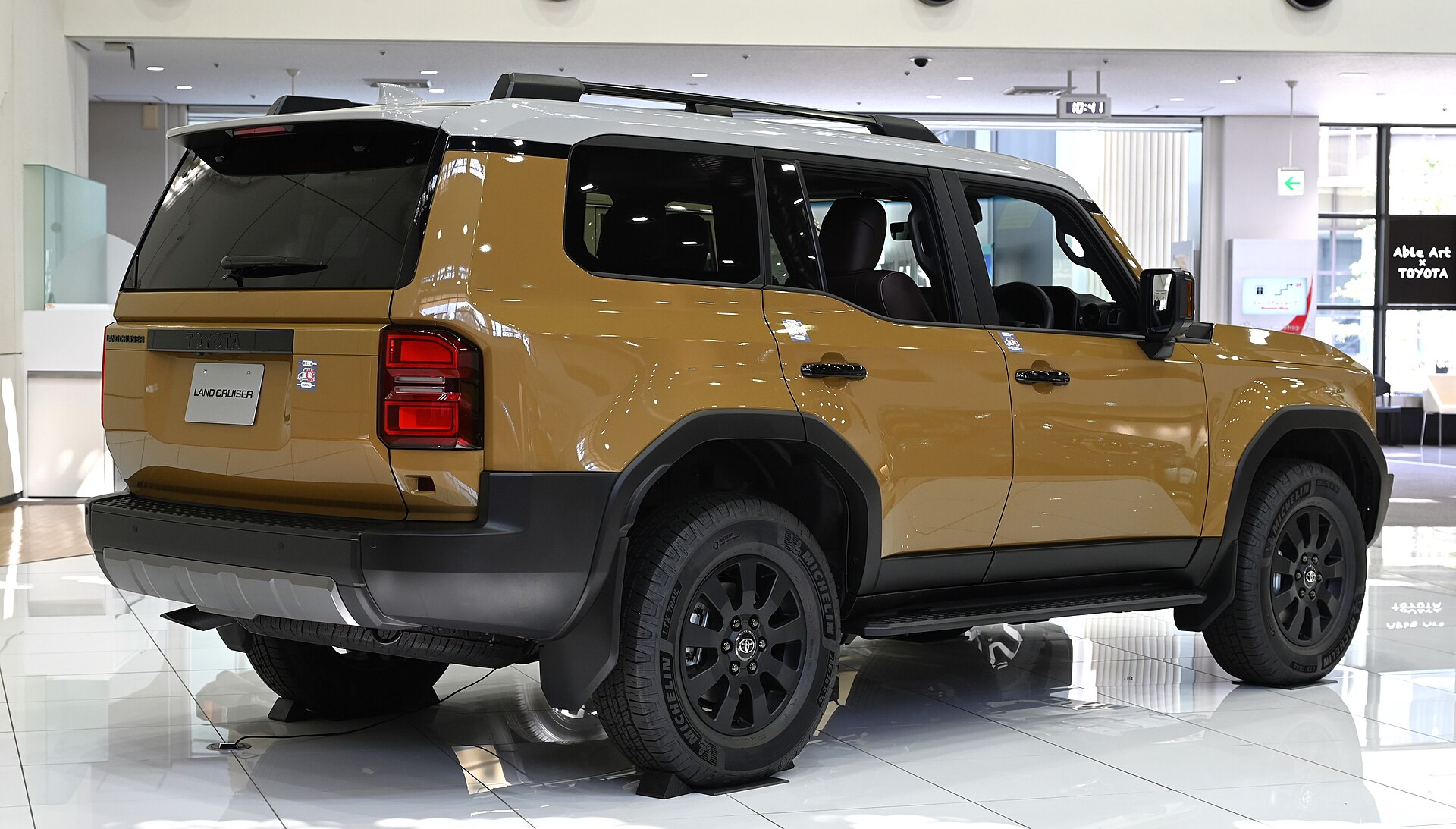
How Toyota found it — and how long that took
Toyota’s own chronology, as USA Today reported it from the filing, is the part of this story that invites the hardest questions. The company first began receiving field reports of fuel leaks in mid-July 2024. As of early October 2026, it counted 23 Toyota Field Technical Reports and 64 warranty claims in the United States that may be connected to the issue. As part of its investigation, Toyota inspected at least 600 vehicles and ran vibration and pressure tests before concluding that the connection could come apart.
Put those dates side by side and the shape of the story changes. First reports: July 2024. Recall filed: October 2026. That is roughly 27 months between the first field reports of leaking fuel and a recall covering the full production run — a span that includes two further model years, 2026 and 2027, being built and sold with the same connection while the investigation continued. None of that, on its own, proves the company moved too slowly: 87 reports and claims against a fleet that would grow past 100,000 vehicles is a very small signal, and vibration-and-pressure testing of 600 vehicles is what a careful root-cause investigation looks like. But it is equally true that a fuel leak is not a cosmetic defect. The question regulators and owners are entitled to ask is not whether Toyota investigated — it plainly did — but at what point a known fuel-leak pattern on a growing fleet should have become a recall sooner.
Why this matters
Start with the nameplate. The Land Cruiser is Toyota’s longest-running model series, in production since 1951, with cumulative sales that passed 10 million worldwide by 2019 — a vehicle whose entire commercial identity is durability. In the United States, the current model is also a comeback story: after the full-size Land Cruiser left the U.S. market, the name returned for 2024 on the smaller 250 series, sold only as a hybrid. A recall that covers 2024 through 2027 therefore does not nibble at the edges of the range. It covers, in effect, every current-generation Land Cruiser Hybrid Toyota has sold in America since the relaunch.
Then consider what kind of defect this is. Most large recalls involve electronics, software or components whose failure is an inconvenience. A fuel-system leak belongs to the small category of defects where the failure mode itself — gasoline escaping next to potential ignition sources — is the danger, independent of any crash. That is why a recall can be fully justified even with a low observed failure rate: regulators do not wait for fires when the mechanism that could cause one is identified. The flip side, which owners should also hold onto, is just as important: being on the recall list does not mean a vehicle has leaked, or will. It means the vehicle sits inside a population in which the faulty connection may be present. The remedy exists precisely to remove that possibility.
Finally, there is the hybrid angle. This Land Cruiser is a hybrid by design, and Toyota’s statement that the hybrid engine shuts off if fuel leaks shows the two systems interacting in a way owners rarely think about: a fuel-line fault becomes an electric-era symptom. As more of the U.S. fleet pairs combustion fuel systems with hybrid drivetrains, recall notices will increasingly read like this one — part plumbing, part software-era behaviour — and owners will need both halves explained plainly.
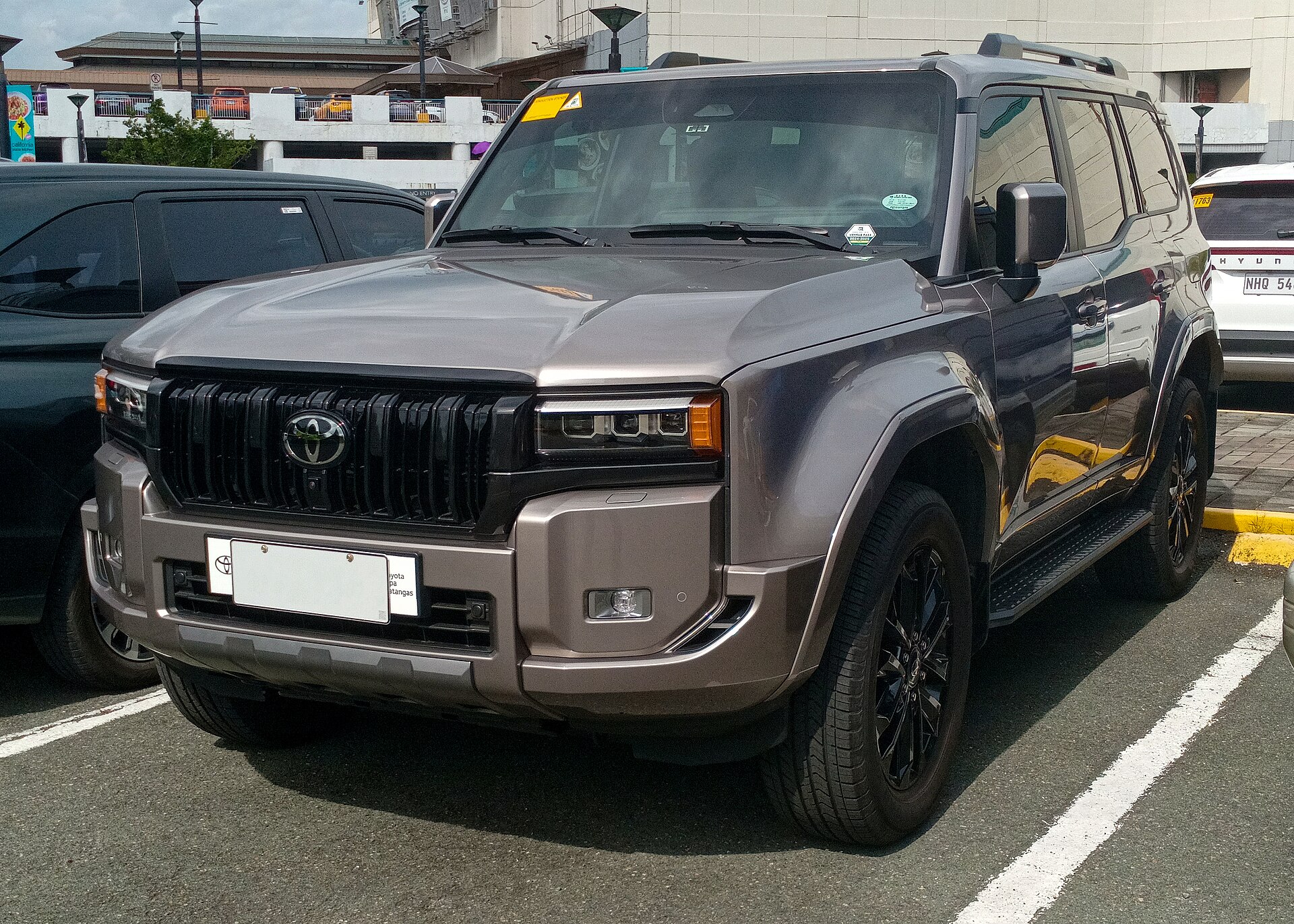
What owners should do now
The practical steps are simple, and none of them requires waiting for Toyota’s letter. All known owners will be notified by mid-December 2026, Toyota said. Owners who want an answer today can enter their vehicle identification number (VIN) or licence-plate information at Toyota’s recall site, Toyota.com/recall, or at the federal site, nhtsa.gov/recalls, and see immediately whether their Land Cruiser is included. Owners with questions can call the Toyota Brand Engagement Center at 1-800-331-4331, the number carried in the recall reporting.
When an owner books in, the dealer will inspect the fuel-tube connection and then either install a supplemental clamp at the connection so it cannot pull apart, or — where inspection shows the tube itself needs to go — replace the resin fuel tube and install the clamp as well. Toyota and NHTSA both say the work is free of charge. Until the fix is done, the honest guidance is the regulator’s: the hazard is a possible leak, not a certainty, and any owner who smells fuel, sees fuel under the vehicle, or has the hybrid system shut the engine off unexpectedly should treat that as an immediate dealer visit rather than a December appointment.
This is the second U.S. safety story Signal Post News has followed today in which the official wording matters more than the early headlines — see our coverage of the Toledo chemical leak, where city officials corrected an early “explosion” report to a release with no explosion. And for the wider industry picture — how the biggest names in autos are restructuring while recalls like this one land — see our reporting on the Tesla–SpaceX merger committees and what they signal for the car business.
What happens next
Three things will decide whether this recall stays a one-day story. First, the notification wave: letters must reach owners by mid-December 2026, and completion rates — how many of the 105,794 vehicles actually receive the clamp or the new tube — are the real measure of whether a recall worked. Second, Toyota’s unanswered question: the company declined to comment when USA Today asked about injuries on Wednesday. If there were none, a clear statement would close the story down; the longer the question stays open, the more it will be asked. Third, the investigation timeline: the gap between July 2024’s first field reports and October 2026’s filing is now on the public record, in Toyota’s own filing. Whether NHTSA is satisfied with that chronology is the one development that could turn a routine, well-defined recall into a regulatory story. For now, the facts are narrow and solid: one connection, 105,794 vehicles, a free fix — and a VIN check that takes an owner less time than reading this article.
Sources
Reuters, October 21, 2026, “Toyota to recall about 105,800 US vehicles over fire risk, NHTSA says” — the NHTSA notice: 105,794 vehicles, certain 2024–2027 Land Cruiser Hybrids, fuel-tube connection near the fuel tank, remedy of a supplemental clamp or replacement resin fuel tube free of charge. reuters.com
USA Today, October 21, 2026, “Toyota recalls over 105,000 vehicles. See the affected model” — Toyota’s filing read in full: recall filed October 14 via NHTSA; model-year breakdown (2024: 25,041; 2025: 41,955; 2026: 21,274; 2027: 17,524); resin-to-metal fuel-tube construction; hybrid engine shut-off behaviour; first field reports mid-July 2024; 23 field technical reports and 64 warranty claims as of early October; 600+ vehicles inspected with vibration and pressure tests; owners to be notified by mid-December 2026; Toyota declined to comment on injuries when asked on October 21. usatoday.com
Background on the nameplate: Toyota Land Cruiser production since 1951, Toyota’s longest-running series, cumulative sales above 10 million by 2019, and the U.S. market’s switch to the 250 series from 2024 — Toyota Land Cruiser reference history, via Wikipedia (accessed October 21, 2026).