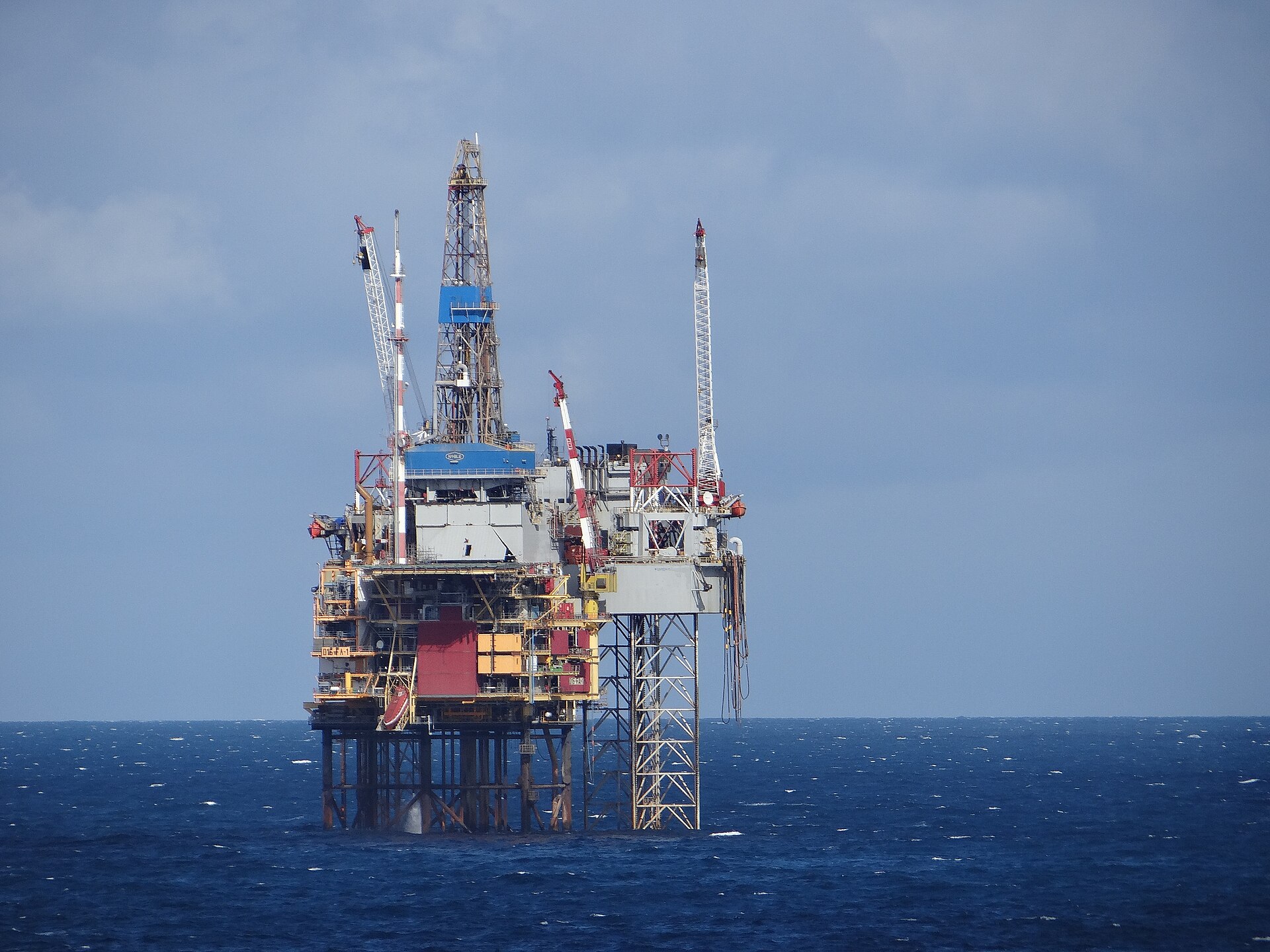
AFRICA — A Borr Drilling rig sinks off Gabon story developed overnight after the jack-up rig Prospector 5 lost stability and sank during jacking operations on the Dussafu Marine licence at 8:37 p.m. local time on Saturday, October 24, 2026. BW Energy, the operator that had contracted the rig, confirmed 115 people were aboard: 110 have been safely accounted for and five remain missing, with search and rescue operations under way. Borr Drilling said preliminary information points to a “punch-through” event during preload activities. Production at the nearby MaBoMo facility has been shut down, with no damage or discharge from that facility reported.
Track it live: oil prices and energy markets, updated live.
The Borr Drilling rig sinks incident is, at this hour, a search-and-rescue story before it is anything else. Five people who went to work on a rig on Saturday have not been accounted for, and everything else — the investigation, the lost rig, the delayed drilling campaign, the questions about how a modern jack-up can go down before it has drilled a single metre — waits behind the effort to find them. BW Energy said its “overriding priority is the safety of all personnel” and that it is supporting the search in close coordination with Borr Drilling, the relevant authorities and emergency responders. Neither company has released the names or nationalities of the five missing, and neither has reported any of the 110 accounted-for crew as injured.
What happened on Saturday night
The fullest account so far comes from two company statements that agree on the core facts and differ, instructively, on one detail. BW Energy’s disclosure — filed under the Norwegian Securities Trading Act and published on Sunday — says the incident occurred at 20:37 local time on Saturday, October 24, on the Dussafu Marine licence offshore Gabon. The Prospector 5, a jack-up rig owned and operated by Borr Drilling, was carrying out jacking operations in preparation for a planned drilling campaign when it “experienced a loss of stability and subsequently sank.” BW Energy gives the human count — 115 aboard, 110 accounted for, five missing — and says production at its MaBoMo production facility was shut down in accordance with standard procedure during drilling preparations, with no reported damage to the facility or related equipment and no accidental discharge of harmful substances to the sea from the facility.
Borr Drilling’s statement, reported by Reuters on Sunday, adds the industry’s first theory of the cause: “Preliminary information indicates that the rig experienced a punch through event during preload activities, resulting in loss of stability and the subsequent sinking of the rig.” That word — preliminary — matters. BW Energy’s own filing pointedly discloses no cause at all. The punch-through account is therefore, for now, the contractor’s early assessment, not a finding, and the distinction between the two statements is exactly the gap an investigation will have to close.
What a punch-through is — and why setting a rig in place is its most dangerous hour
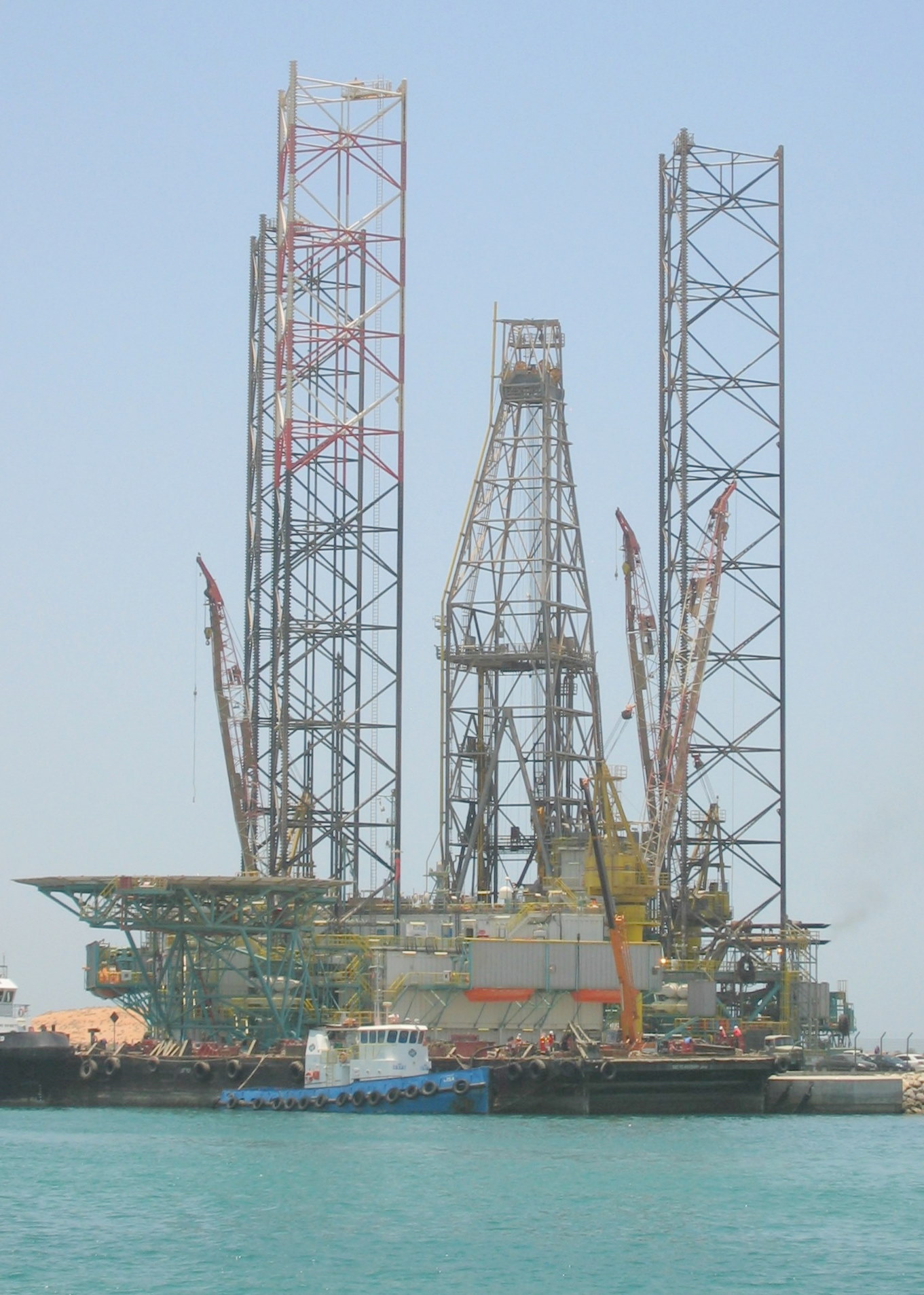
A jack-up is a ship that becomes a building. It sails or is towed to a location with its legs raised, lowers those legs to the seabed, and then jacks its hull up out of the water until it stands as a stable platform above the waves. Before drilling, the crew “preloads” the legs — deliberately loading them beyond the weight they will carry in service — to prove the seabed can hold the rig through storms and months of work.
A punch-through is the failure that preload is designed to expose safely, and sometimes does not. It happens when a leg standing on a hard crust of seabed suddenly breaks through into a softer layer beneath. That leg then drops — fast and unevenly — while the others hold. A platform designed to be level becomes a platform tilting on a leg that has given way, and the loads shift in ways the structure was never meant to take all at once. In the worst cases the rig cannot be recovered and is lost, which is why punch-through has been treated across the offshore industry for decades as one of the signature hazards of jack-up installation, and why seabed surveys and preload procedures exist in their modern, painstaking form.
That context reframes the Gabon sinking in an important way. This was not a blowout, not a fire and not a drilling accident: the well had not been started, the neighbouring production facility is undamaged, and no pollution from that facility has been reported. The failure, on the preliminary account, was geological and structural — the ground itself, at the one moment when the rig was testing whether the ground could be trusted.
The numbers in context
Start with the human arithmetic, because it cuts both ways. Five missing out of 115 aboard is five families waiting for news — and it also means roughly 96 percent of the people on the rig were accounted for after a sinking at night, which speaks to an evacuation that largely worked under the worst conditions a crew can face. Both things are true at once, and the coming days will be judged against the first number, not the second.
The commercial arithmetic is smaller than the human one, but it explains why this licence matters. BW Energy operates Dussafu with a 73.5 percent working interest, alongside Panoro Energy (17.5 percent) and Gabon Oil Company (9 percent). Only days before the sinking, the company had reported success in two appraisal wells on the licence — a combined estimated 8 to 9 million barrels of recoverable oil — and set out a MaBoMo Phase 2 campaign of five production wells, each expected to start at about 5,000 barrels a day and together add up to 20,000 barrels a day at peak, toward a long-term Dussafu target of 30,000 to 45,000 barrels a day. BW Energy as a company reports more than 240 million barrels of net proven-plus-probable reserves across Gabon, Brazil and Namibia, and a plan to grow output from around 30,000 barrels a day in 2025 to more than 100,000 by 2028. A campaign built on growth numbers like those does not absorb the loss of its rig quietly: the wells the Prospector 5 was preparing to drill now wait on a replacement rig, an investigation, or both.
Why this matters
First, because of where the risk sat. Public argument about offshore safety tends to focus on drilling itself — blowouts, spills, producing platforms. The Prospector 5 is a reminder that some of the gravest risk in offshore oil is concentrated in the unglamorous hours of arrival: legs going down, loads being tested, a hull in transition between floating and standing. If the preliminary punch-through account holds, the questions that follow are unglamorous too, and therefore answerable: what did the seabed survey show, what did the preload sequence look like minute by minute, and what did the rig’s instruments record as the leg began to move?
Second, because two companies now own two halves of the story. Borr Drilling owned and operated the rig and has offered the early technical theory. BW Energy holds the licence, made the market disclosure and runs the facility next door. Gabon’s authorities hold the jurisdiction. Investigations with that shape — contractor, operator, host state — have a long history of producing careful, partial early statements and fuller answers much later. Readers should treat both companies’ Sunday statements as the floor of what is known, not the ceiling.
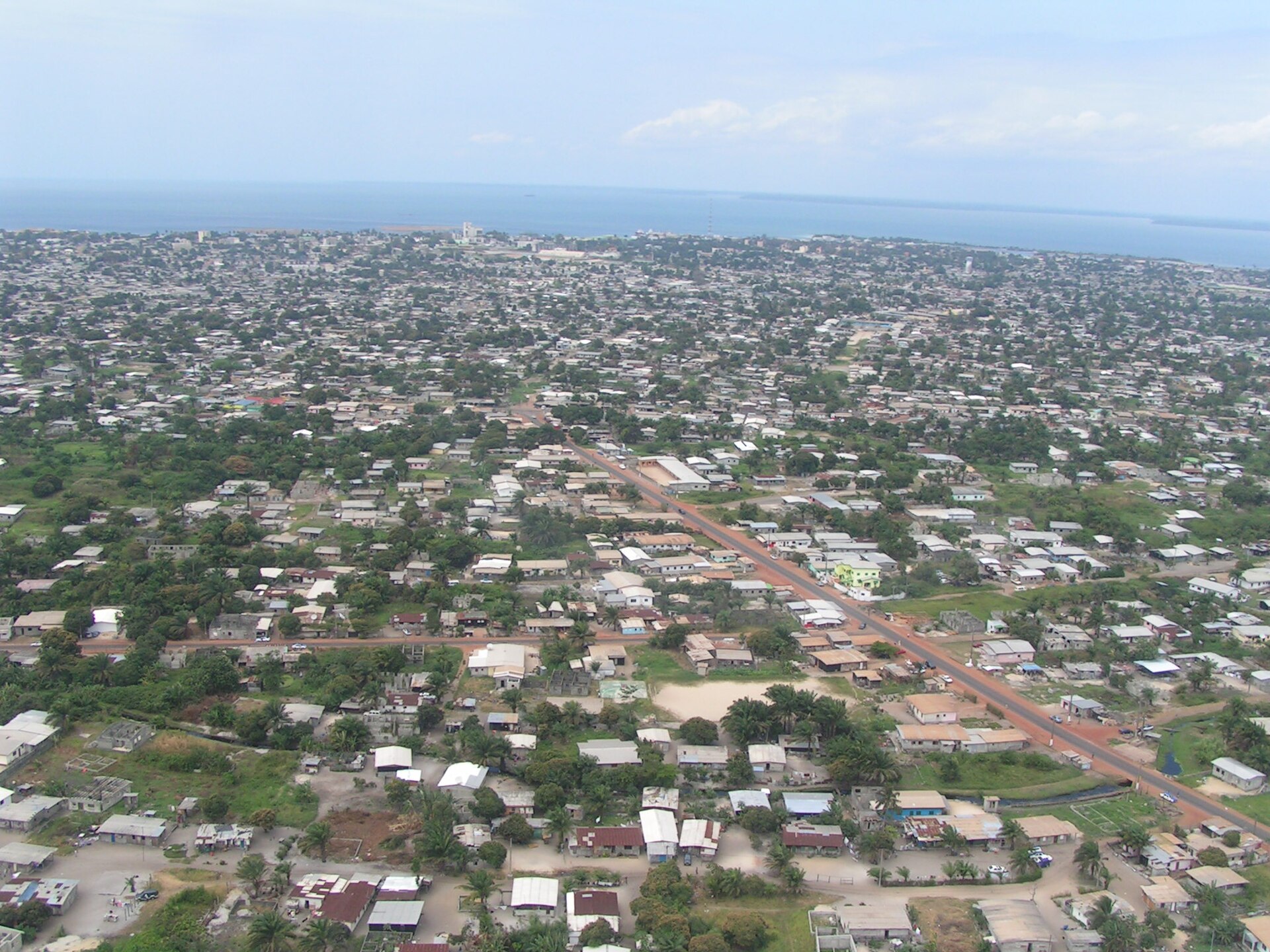
Third, because Gabon can ill afford the delay even as it demands the answers. Oil is the backbone of Gabon’s export economy, and Dussafu is one of its clearest growth stories — new barrels, a national oil company partner with a 9 percent stake, and a phase of drilling meant to lift the licence toward the top of the country’s producing assets. A lost rig, a shut-in facility and an open investigation touch all of that at once. The honest tension of the next few weeks is that the search, the investigation and the restart are three different clocks, and only one of them — the search — cannot wait.
What happens next
The immediate story is the search: five people are missing, and the first company or official update that changes that number — in either direction — supersedes everything in this article. Beyond it, expect a formal investigation into the sinking, disclosure updates from both Oslo-listed companies as facts firm up, and hard questions about salvage, liability and insurance for a rig that now sits on the seabed of the Gulf of Guinea. The MaBoMo facility’s restart, and the fate of the five-well Phase 2 campaign the Prospector 5 was about to begin, will be the clearest signals of how deep the damage to the Dussafu programme really runs. Markets will get their first chance to price all of it when Oslo trading opens on Monday.
Readers tracking the energy picture behind this story may also want our coverage of oil prices breaking above $110 a barrel, and of how markets have been repricing energy risk this month.
Sources
Reuters, “Borr Drilling rig sinks offshore Gabon, five personnel missing” (October 25, 2026 — Borr Drilling statement, punch-through account); BW Energy, “Drilling rig incident on the Dussafu licence” (stock-exchange disclosure under section 5-12 of the Norwegian Securities Trading Act, October 25, 2026, via MFN/Investegate — incident time, crew count, search and rescue, MaBoMo shutdown, no facility damage or discharge); BW Energy Dussafu appraisal and MaBoMo Phase 2 programme reporting (October 2026, via Drilling Contractor and Offshore magazine — working interests, well programme and production targets).