plague panic reaction

The plague panic reaction in Siberia has followed a script the world knows by heart: empty pharmacy shelves, mask mandates, frantic social media, and fury at officials who will not say what is happening. In Irkutsk and the town of Shelekhov, the outbreak of a "dangerous infectious disease" that dare not speak its name has produced something arguably more contagious than the disease itself — fear. Here is how ordinary people are reacting, what they are doing, and what the calmer voices are saying.
The Pharmacy Runs
The first sign of panic was at the pharmacy counter. According to the regional outlet Lyudi Baikala, pharmacies in Irkutsk and Shelekhov sold out of antibiotics as terrified residents flocked to stock up. The Scottish Sun reported that antibiotics had "already run out in the Irkutsk region as terrified residents flocked to pharmacies."
This is panic with a logic to it. Pneumonic plague — the feared form — is treatable with common antibiotics like doxycycline and ciprofloxacin if caught early. People were not buying blindly; they were buying the specific drugs that work. The problem is what happens next: self-medication without diagnosis, hoarding that leaves genuinely sick people without medicine, and antibiotic misuse that fuels resistance. Health authorities everywhere dread the pharmacy run precisely because it feels rational to the person in line.
Masks, Mandates, and Kindergartens
The mask came back to Siberia fast. The Irkutsk Aluminium Plant in Shelekhov — a major local employer — introduced a mandatory mask regime, with its director explicitly connecting the measure to the suspected dangerous infection. Local parents reported that masks were handed out in kindergartens. Residents of Shelekhov filmed people on the streets wearing protective suits, masks, and gloves.
For a region that lived through COVID-19, the muscle memory is intact. The mask went from drawer to face in days. But there is an irony: masks help against pneumonic plague only in close-contact settings, and with no confirmed secondary cases, the people masking on empty streets are protecting themselves against a transmission chain that has not been shown to exist. The mask here is as much a signal — "I am taking this seriously because nobody in charge will tell me not to" — as a medical intervention.
Fury at the Silence
If there is one emotion that defines the public reaction, it is anger — not at the disease, but at the silence. Governor Igor Kobzev cancelled mass events across the region, imposed quarantines on five hospitals, and met with Russia's chief sanitary physician — while refusing to name the "dangerous infectious disease" driving it all. Residents expressed fury at his failure to explain what was killing people in their region.
The anger is politically legible. People can tolerate bad news; what they cannot tolerate is the sense that bad news is being managed. Every deleted Telegram post, every edited statement, every refused answer became evidence — not of the disease, but of the cover-up. The Baikalsk administration's deleted travel warning and REN TV's five deleted posts did not calm anyone; they confirmed, in the public mind, that there was something to hide.
The Wuhan Comparison
On Russian social media and in the influential insider channel Nezygar, the comparison appeared early and stuck: "The situation in Shelekhov resembles the Wuhan case." The reference is to COVID-19's emergence in Wuhan, China — the early denials, the silenced warnings, the local officials who knew and the system that would not say.
The comparison is emotionally powerful and epidemiologically premature. COVID-19 was a novel airborne virus with no treatment; plague is a known bacterium, treatable with antibiotics, with no confirmed secondary cases in this cluster. But the comparison was never really about the pathogen. It was about the pattern: a strange pneumonia, an official story that kept changing, and ordinary people left to piece together the truth from deleted posts. That pattern is what people recognized — and what terrified them.
The Calm Voices
Not everyone panicked. Gennady Onishchenko, Russia's former chief sanitary physician, tried to reassure residents with epidemiology: plague carriers — rodents and fleas — go into winter dormancy in Siberia by early October, making natural transmission unlikely. It was a rational argument aimed at an irrational moment, and it did not dispel the fears.
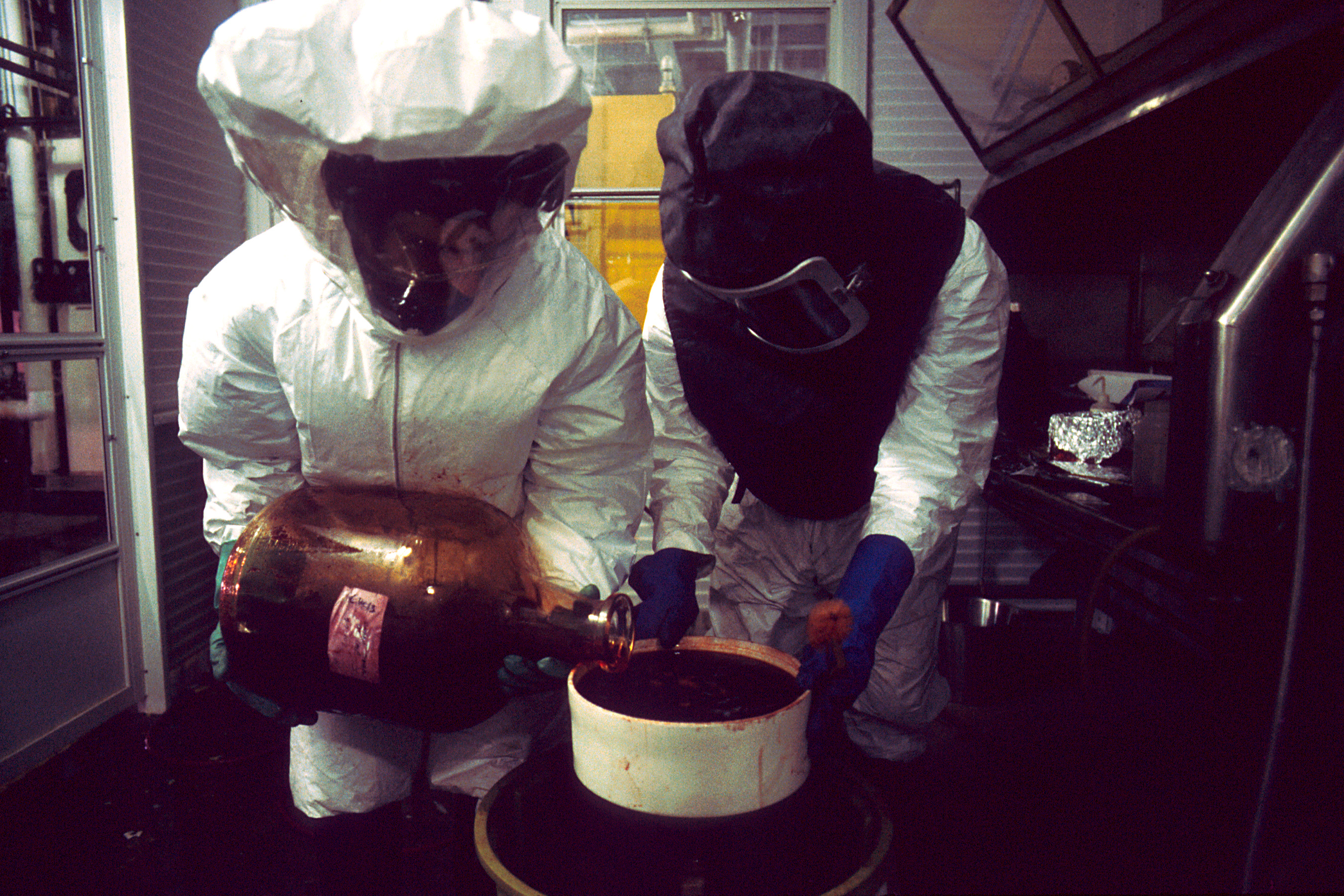
Epidemiologist Mikhal Favorov offered a different kind of calm — skepticism. He called the broken-test-tube story "laughable," arguing that protective suits make such an infection unlikely, and suggested the public would "believe the dropped test tube story" regardless. His intervention cut both ways: it questioned the panic's premise while deepening the suspicion that the real story was being hidden.
The genuinely calming facts are these: no secondary cases have been confirmed. All identified contacts are reportedly symptom-free with negative test results. Pneumonic plague, while deadly untreated, is curable with prompt antibiotics and requires close respiratory contact to spread. The honest risk to an ordinary resident of Irkutsk, based on available evidence, is low.
The COVID Echo
Everything about this panic echoes early 2020: the pharmacy runs, the mask mandates, the deleted official posts, the fury at silence, the Wuhan comparison. The difference is instructive. In 2020, the panic preceded understanding — nobody knew what the virus was. In 2026, the panic precedes information — people know what plague is, they know it is treatable, and they are panicking anyway, because the information they want (what happened, how bad is it, am I safe) is being withheld.
This is the deeper lesson of the Siberian panic: in the absence of trusted information, people do not default to calm. They default to the worst plausible story and act on it. The empty pharmacy shelves are not a failure of public understanding; they are a rational response to an information vacuum. Fill the vacuum with facts, and the shelves refill. Keep it empty, and the panic writes its own script.
What People Should Actually Do
For residents of the Irkutsk region, the evidence-based guidance is straightforward: there is no confirmed community transmission, so extraordinary measures are not warranted — but standard sense applies. Do not self-medicate with hoarded antibiotics; misuse breeds resistance and the drugs have side effects. Masks in crowded indoor settings are reasonable general hygiene. Anyone with fever and respiratory symptoms should seek medical care promptly and mention any possible exposure — early antibiotics are the difference between cure and catastrophe with plague.
And for everyone watching from afar: the panic in Siberia is a reminder that the most contagious thing in any outbreak is not always the pathogen. Sometimes it is the silence around it.
Read also: Irkutsk Plague Outbreak Origin: How It Started, World Reacts to Siberia Plague Outbreak, Plague Prevention: Masks and What to Do
Frequently Asked Questions
Why are people in Irkutsk panic-buying antibiotics?
Residents rushed pharmacies after news of the lab worker's death spread while officials refused to name the disease. Plague is treatable with common antibiotics if caught early, which gave the panic a rational core — but self-medication without diagnosis is dangerous and hoarding leaves others without medicine.
Are masks required in Irkutsk?
The Irkutsk Aluminium Plant in Shelekhov introduced a mandatory mask regime, and masks were reportedly handed out in kindergartens. There is no region-wide public mask mandate.
Is the panic justified?
Based on available evidence — no confirmed secondary cases, contacts testing negative — the risk to ordinary residents appears low. The panic is driven less by the disease's spread than by official opacity: deleted warnings, edited statements, and refused answers.
How is this different from COVID-19 panic?
COVID-19 was a novel virus with no treatment; plague is a known, antibiotic-treatable bacterium. The 2020 panic preceded understanding; the 2026 Siberia panic precedes information — people know what plague is but cannot get straight answers about this incident.