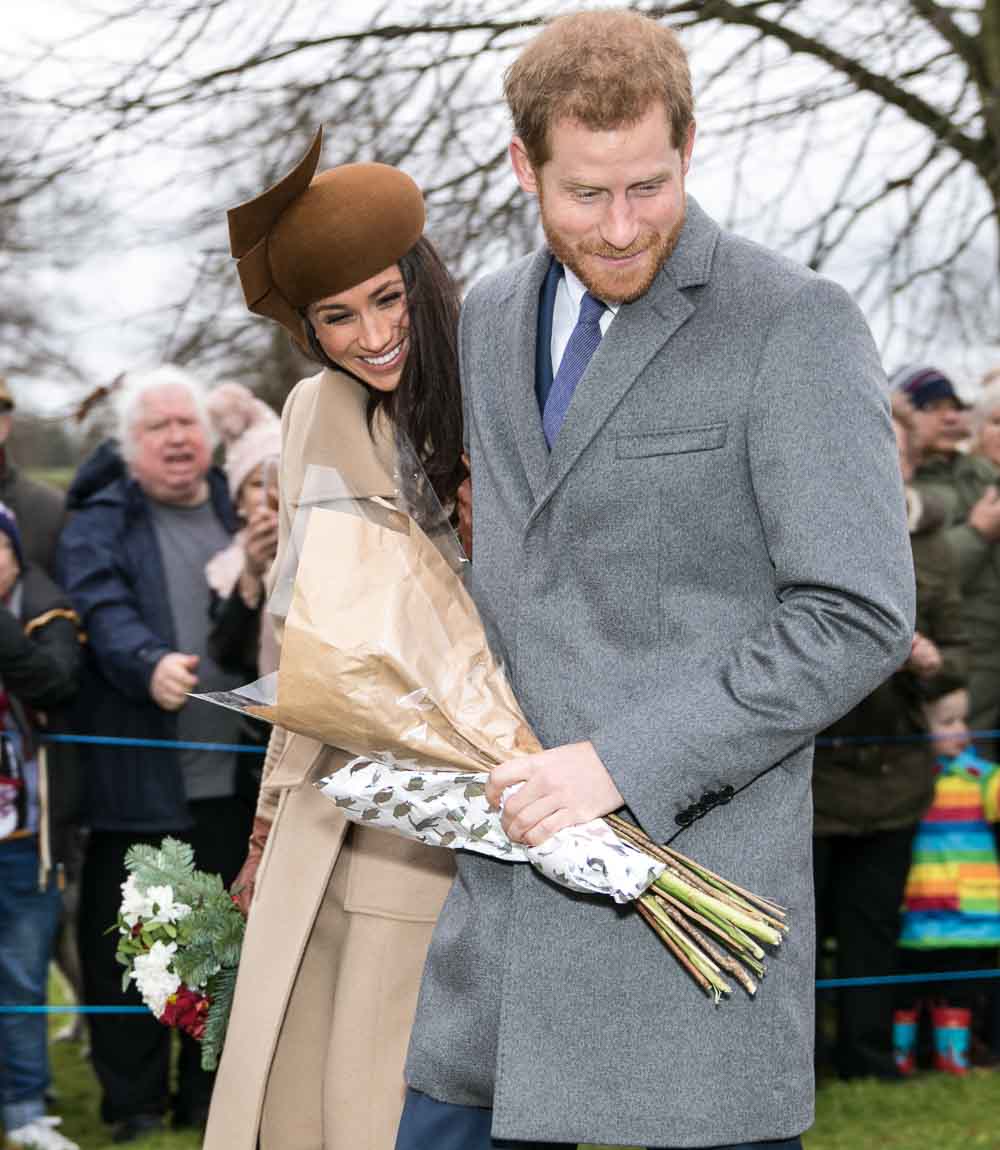
Prince Harry Reveals He 'Slipped Into Depression' After Moving to Canada in 2019
Prince Harry MasterClass: Prince Harry thought leaving the pressure of royal life would bring relief. Instead, he says, his body crashed. In Redefining Grief: Building Resilience Through Loss, a MasterClass released Thursday, October 8, the Duke of Sussex reveals that he “slipped into depression for about two weeks” after moving to Canada with Meghan Markle and their son Archie in late 2019 — an experience he describes as an adrenaline crash that arrived within days of stepping away from the stressful royal environment.
What he said
The MasterClass, a conversation with neuroscientist Dr. Mary-Frances O’Connor, centers on grief and the body. Harry said he, Meghan and Archie moved to Canada in late 2019 to get space and time to think. Within two or three days, he felt something he had never experienced before — an adrenaline crash, once the constant low-level stress of royal life was gone.
The crash left him struggling at home. He said it was as if he needed stress in order to produce the adrenaline that made his brain function — that he became, in his own words, useless around the house — adding, “I felt like I couldn’t function without adrenaline.”
He connected the pattern to the decades after his mother, Princess Diana, died in 1997. For some 15 to 20 years, he said, whenever anyone asked whether he was okay, his answer was “I’m fine” — a numbness, an emotional shutdown he did not recognize as grief at the time. Without knowing it, adrenaline was pushing him, driving him. Joining the British Army at 20, he said, gave him an outlet: “It was the perfect distraction.” Royal engagements, he added, can still bring the feeling on — though now, he laughed, “it’s more appropriate adrenaline.”
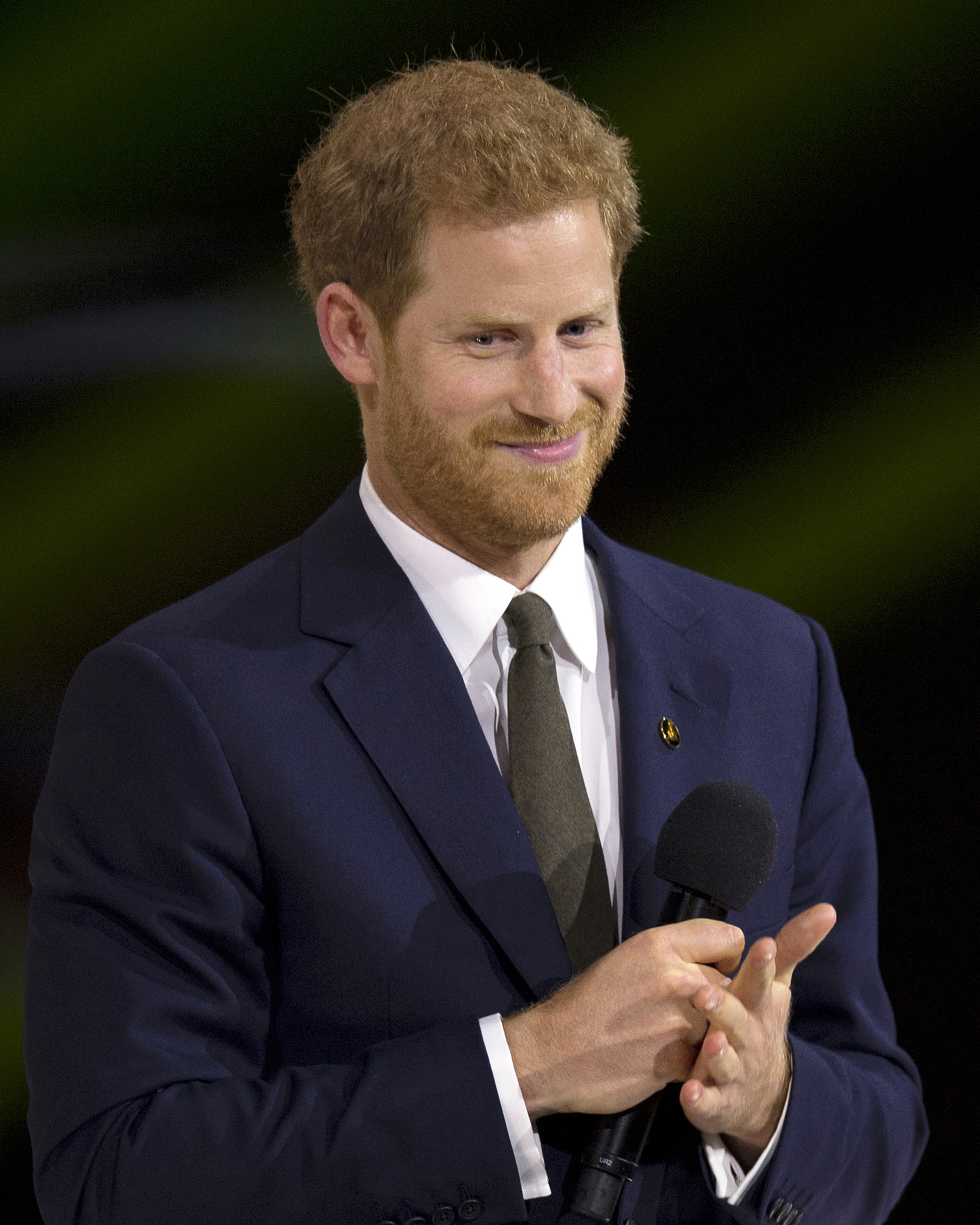
Why this matters
This is the most detailed account Harry has given of the specific weeks before the Sussexes’ royal exit — and it reframes that window. The Canada trip has long been treated as a prelude: a quiet family holiday before the January 2020 announcement that they would step back as senior working royals. Harry’s telling makes it something else — a rupture in his own operating system, the moment a man who had run on stress for two decades discovered what happened when the stress stopped.
It also matters because of who is saying it and where. Harry has spent the years since 2020 building a public identity around mental health — through his memoir, interviews, the Invictus Games, and his work with veterans. A MasterClass devoted to grief extends that identity into the education space, and his description of a functioning adult quietly collapsing for two weeks is the kind of testimony that lands with people who have lived it. Public figures who describe depression in concrete, unglamorous terms — useless around the house, unable to function — tend to do more for destigmatization than any awareness campaign.
And it matters for what it says about high-functioning grief. Harry’s account — decades of “I’m fine,” sustained by adrenaline and distraction — is a textbook description of avoidance coping, the kind clinicians see in people who were never given space to mourn. His mother’s death was the most public bereavement of the late 20th century; his grief was performed before millions at age 12. That a person can be simultaneously overexposed and emotionally shut down is the paradox at the heart of his story.
Why this matters: The revelation fills in the least understood fortnight of the Sussexes’ exit — and puts a widely recognized face on the physiology of unprocessed grief.

How it fits the Sussexes’ arc
Late 2019: the Canada break
Harry, Meghan and the infant Archie spent the end of 2019 on Vancouver Island, having asked for space and time to think. The trip came weeks before the couple’s January 2020 announcement that they would step back from senior royal duties — the decision that redrew the modern royal map. Harry’s account now suggests the break itself was more destabilizing than the public narrative allowed: the quiet was not the relief he expected.
2020–2026: California, then home again
The couple settled in California, where their daughter Lilibet was born in June 2021. The years that followed brought the memoir, the documentaries, the lawsuits, and a long public estrangement from much of the royal family. Then, this August, came the reversal few had predicted: the Sussexes returned to England, with Archie and Lilibet starting school in Britain. The man describing a 2019 collapse in a grief MasterClass is now raising his children a few miles from the palace he left.
The Diana thread
The MasterClass arrives as Harry is reportedly in talks for a documentary about Princess Diana ahead of the 30th anniversary of her death — a project that would return him, on camera, to the defining loss of his life. Read together, the two projects suggest a sustained reckoning with the grief he describes: the numbness, the shutdown, the decades of adrenaline. Whether audiences receive them as honest testimony or as brand management will likely split along the same lines as everything the Sussexes do — but the clinical detail in the MasterClass account is harder to dismiss as performance.
What the science says — briefly
O’Connor’s field, the neuroscience of grief, studies exactly what Harry describes: how bereavement reshapes the brain and body, and how the stress response can mask mourning for years. The general finding is well established — prolonged activation of the body’s stress systems can function as a kind of emotional anesthesia, and when the activation ends, the underlying grief surfaces. Harry’s “adrenaline crash” is his own layman’s term for a real phenomenon, not a diagnosis, and nothing in the MasterClass substitutes for clinical care. But as a description of how high-functioning people can carry grief for decades without knowing it, it tracks with what researchers observe.
What happens next
The MasterClass is live now. Redefining Grief: Building Resilience Through Loss puts Harry’s account in front of the platform’s audience — and gives the Sussexes’ mental-health lane its most direct product yet.
Watch the Diana documentary talks. If the anniversary project goes ahead, it will test whether the public still wants Harry’s version of his mother’s story — and whether the palace engages with it or ignores it.
Watch the UK return. The Sussexes are back in Britain with school-age children, in a country where press coverage of the couple remains relentless. The stress Harry describes crashing out of in 2019 has, in some form, come back into his life. His account of surviving it once is now part of the record — and part of the stakes.
The throughline of Harry’s story is disarmingly simple: the thing he thought would fix him — leaving — is what finally showed him he was broken. Whether that candor earns him sympathy or skepticism, it is one of the most specific things he has ever said about the fortnight that changed his life.
Sources
- Parade — “Prince Harry Says He ‘Slipped Into Depression’ After Moving to Canada in 2019,” October 8, 2026
- People — MasterClass coverage, October 8, 2026
- PR Newswire — MasterClass release announcement, October 8, 2026