A return becomes visible
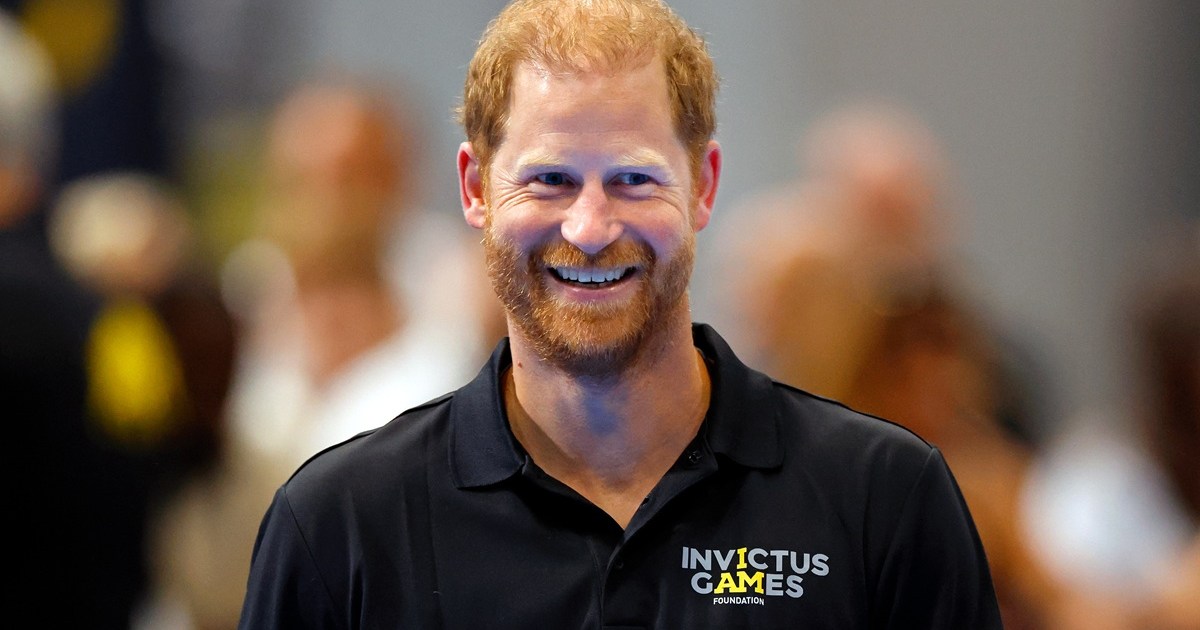
Prince Harry appeared at Save the Children and Imperial College on September 17 before attending the Invictus Spirit Awards. These were his first public engagements since Harry, Meghan, Archie and Lilibet returned to Britain in August after six years in California. The sequence was carefully legible: causes associated with children, research and veterans, followed by the institution most closely linked to Harry’s post-military public identity. It allowed him to be useful in public without pretending the constitutional question had disappeared.
Why this matters
Royal status is not only a title; it determines representation, funding, security expectations and who may speak for the sovereign. Harry’s visibility creates soft power, but the September 8 letter confirmed that he remains a non-working royal and does not use HRH. That boundary protects the monarchy from ambiguity while leaving room for family life and independent charity work. The test is whether audiences, organizers and media can maintain the distinction when familiar ceremony makes every appearance look official.
Six years changed both sides
The Sussexes’ California period created businesses, media projects and public positions outside palace control. Britain also changed: the monarchy moved through a new reign, health pressures and debate over a smaller working family. Return therefore cannot mean restoration to the old arrangement. The relevant question is what a durable hybrid looks like. Harry can live in Britain and support causes without representing the Crown, but only if branding, scheduling and security arrangements make the separation intelligible.
Invictus remains his strongest platform
The Invictus Games grew from Harry’s military experience into an international community centered on wounded, injured and sick service personnel. Its credibility comes from participants rather than royal proximity. That gives Harry an unusual independent base: stepping back from royal duties did not erase his connection to the event. The risk is that family drama overwhelms its purpose. The better measure of the awards is attention and resources directed toward veterans, not the number of headlines about palace seating.
Historical parallel
Members of royal families have long held private, charitable and semi-public roles after stepping away from formal duties. The modern difference is global celebrity and direct media distribution. A single appearance can be framed simultaneously as reconciliation, rivalry, philanthropy and commercial content. Older court rules were not built for that environment. The September letter functions as a modern constitutional tool: concise, public and designed to prevent symbols from outrunning status.
Winners, losers and critics
Charities gain attention and Harry gains a route to meaningful public work. The royal household benefits if boundaries hold without open conflict. The losers are causes displaced by personality coverage and family members subjected to speculation. Critics of Harry will see image management; supporters will see service continuing despite institutional separation. The fairest standard is behavioral: transparent roles, no implied official mandate, and evidence that the organizations—not the celebrity—remain central.
The family question
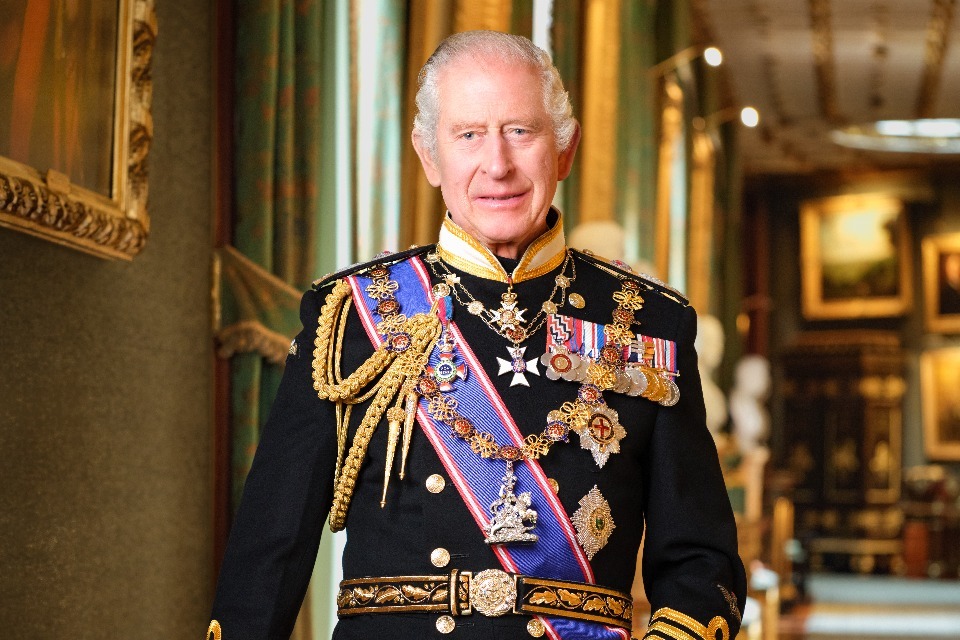
King Charles’s relationship with his son sits beside but should not be confused with constitutional status. Families can reconcile privately without redesigning the monarchy, and institutions can set limits without declaring personal estrangement. Media narratives often collapse those categories because a single photograph can carry emotional and political meanings. A healthier settlement would protect private contact while publishing enough procedural clarity that every visit is not treated as a referendum on the family.
What happens next
Watch whether Harry develops a predictable calendar of independent engagements, whether palace communications remain consistent and whether the Sussex children’s privacy is maintained. A stable model would make appearances less surprising over time. The failure scenario is recurring ambiguity over titles, security or commercial use of royal association. September 17 offered a workable outline: public service, visible limits and no claim to official representation. Its success will depend on repetition rather than one carefully managed day.
The evidence test
This report separates the dated facts from the interpretation built around them. For “Prince Harry Steps Out in London: First Public Appearances Since His Shock Return to Britain,” the strongest evidence is specific: official decisions, published results, dated market or schedule figures, and reporting that identifies what is known. A headline can be directionally accurate while still overstating certainty. Readers should therefore distinguish a confirmed event from a forecast, and a forecast from a scenario. That discipline is especially important in royals / britain, where a single update may change the practical outlook without changing the underlying structure.
What would change the conclusion
Good analysis should be falsifiable. The argument here would need revision if later primary records contradict the reported figures, if the timetable moves, or if the actors behave differently from the incentives described above. Pay particular attention to a return becomes visible, why this matters, six years changed both sides. These are not decorative subthemes; they are the mechanisms connecting the headline to consequences. An update that changes one of those mechanisms deserves more weight than a new quotation that merely repeats an established position.
Who has agency
Events are often described as if they happen to a passive public, but institutions, firms, officials, workers, consumers and communities make choices within constraints. The powerful can set rules and timing; less powerful groups can adapt, organize, substitute or refuse. Evaluating agency prevents two errors: assuming leaders control every outcome, and assuming nobody can alter the path. In this story, the distribution of bargaining power matters as much as the most visible announcement, because implementation happens through many smaller decisions after attention moves elsewhere.
First-order and second-order effects
The first-order effect is the immediate change described in the headline. Second-order effects arrive through confidence, prices, staffing, regulation, supply chains, habits or institutional precedent. They are harder to measure and easier to exaggerate. The responsible approach is to identify the transmission channel and then look for evidence that it is operating. A plausible chain is not yet an observed result. This distinction keeps analysis useful without turning possibility into prediction, and it helps explain why some dramatic announcements fade while modest procedural changes compound.
The comparison problem
Numbers acquire meaning only against a baseline. The relevant comparison may be the previous year, a prior cycle, a peer institution, the size of the affected market or the share exposed rather than the headline total. Nominal levels can sound historic while representing a small percentage change; averages can conceal a few extreme observations. For this reason, the report uses comparisons to test scale instead of presenting figures as self-explanatory. When future updates arrive, compare like with like and preserve the original cutoff date.
What critics get right
Criticism is most useful when it identifies a missing mechanism, an excluded group or a cost shifted out of view. It is less useful when it simply predicts failure without conditions. Skeptics of the developments covered here are right to ask who verifies claims, who bears transition costs and whether short-term success can last. Supporters are right to ask what the realistic alternative would be. Holding both questions together avoids false balance: evidence can favor one conclusion while still acknowledging trade-offs and uncertainty.
Three scenarios, not one forecast
A base case assumes announced rules and schedules broadly hold. An upside case requires implementation to improve, uncertainty to fall and participants to respond constructively. A downside case begins when deadlines slip, trust weakens or a secondary shock compounds the first. Scenario thinking is not a way to avoid judgment; it clarifies which assumptions carry the conclusion. The most informative future report will identify which path is becoming more likely and why, rather than treating every new detail as a reversal.
The editorial judgment
The central conclusion is that the headline matters because it changes incentives, not because it guarantees an outcome. The facts reported today establish a new starting point. They do not erase history, settle criticism or make projections certain. Readers should keep the scale of the event in proportion, watch the actors with power to implement it and resist narratives built only from momentum. That is the difference between following a story and merely following its noise.
How to follow the next update
Return to the dated facts in this report before treating a new headline as a changed story. For “Prince Harry Steps Out in London: First Public Appearances Since His Shock Return to Britain,” the decisive update will be one that changes implementation, scale or the distribution of costs—not another round of commentary about the same event. Check whether later reporting uses the same definitions and time period, whether it cites a primary record, and whether a projected effect has actually appeared. That approach preserves room for surprise while preventing a fast-moving news cycle from turning uncertainty into contradiction. We will revise the assessment when evidence changes the mechanism, not simply when attention moves.
Sources: Reuters on September 17 appearances; Reuters on the September 8 letter; CNN on non-working status. Figures and schedules are a fixed September 18, 2026 snapshot and do not update live.