Pope Leo XIV to Undergo Lung Surgery After Doctors Find Early-Stage Nodule
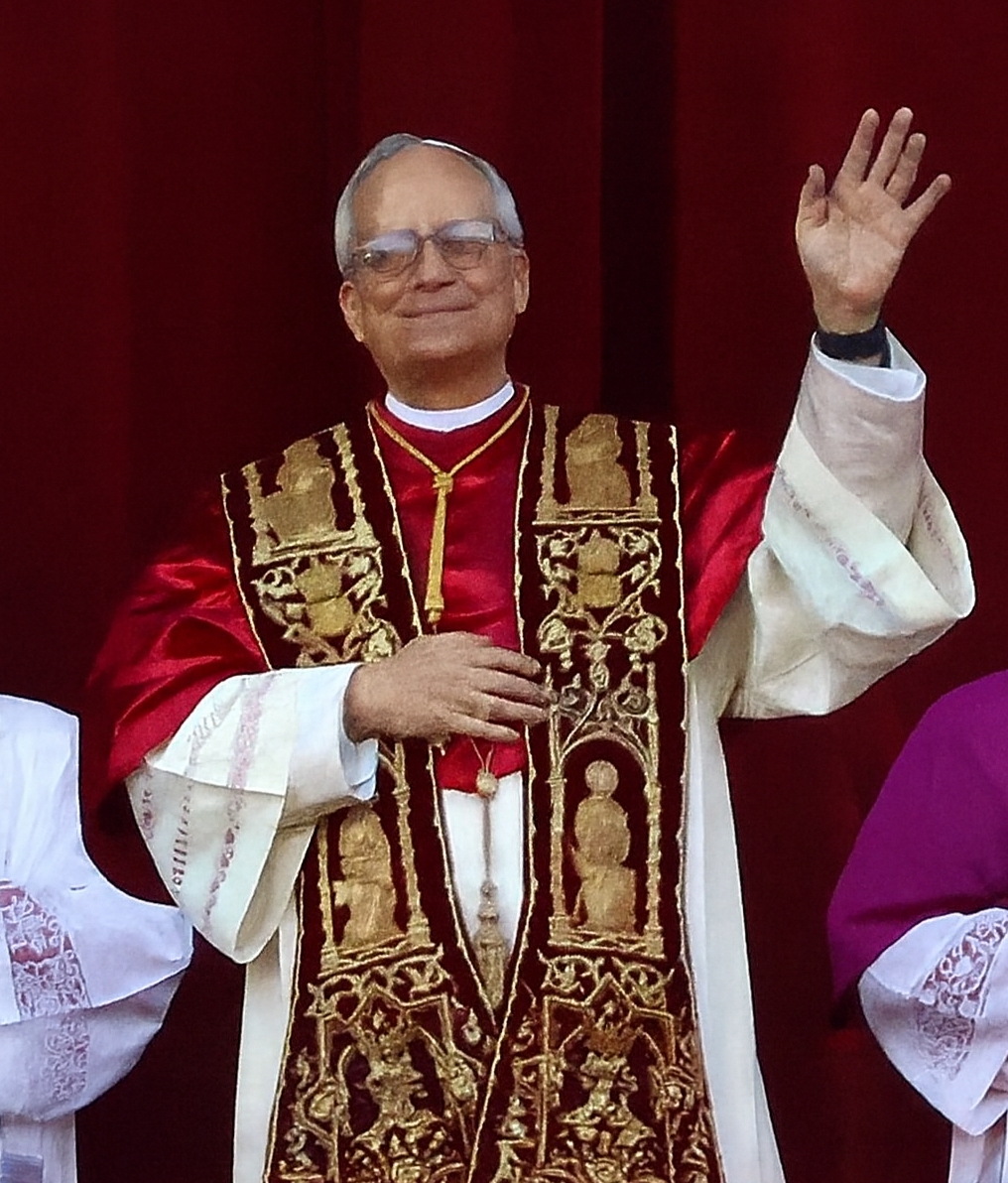
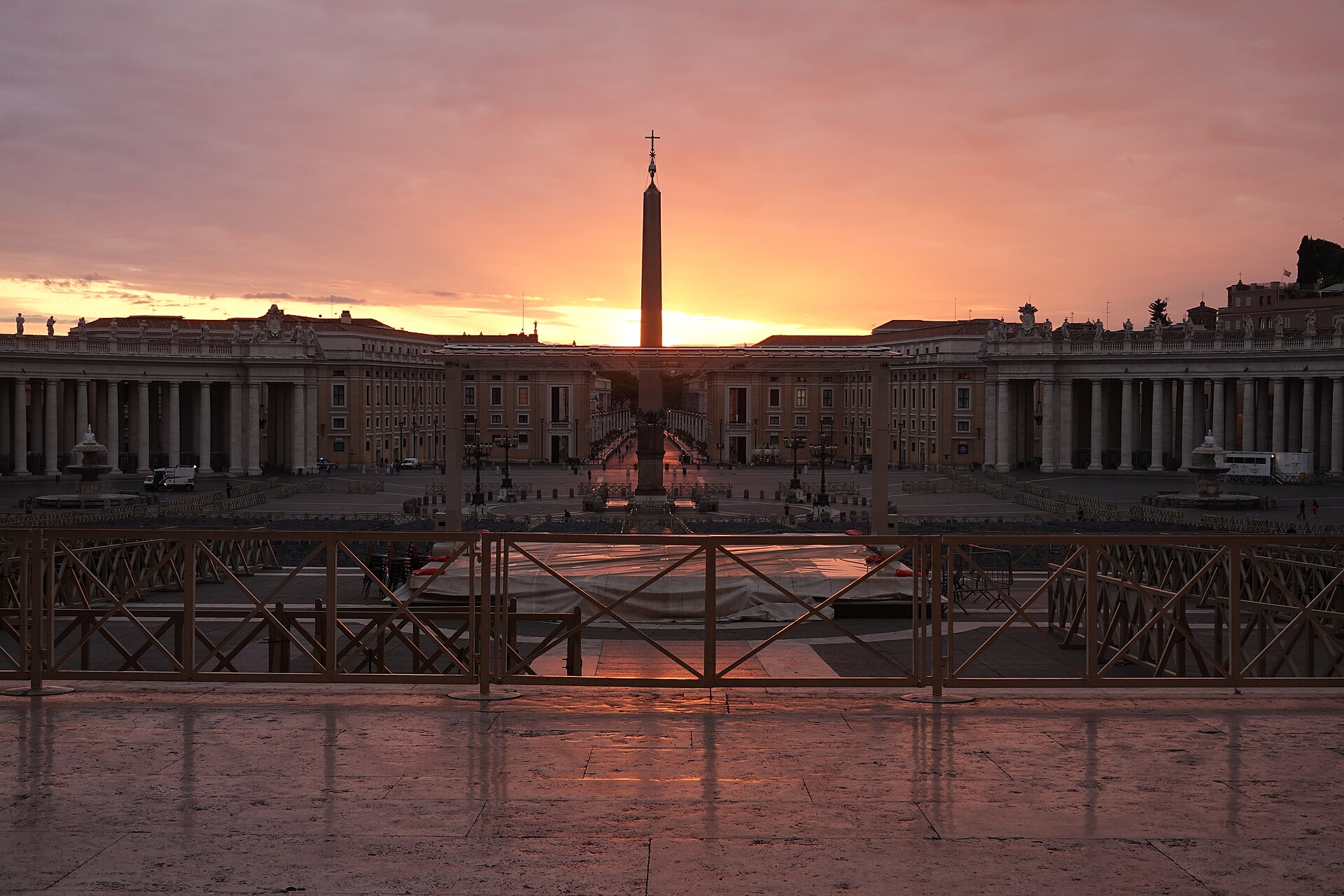
The Pope Leo lung surgery announcement did not come in a medical bulletin. It came from the Pope himself, in public, at the Sunday Angelus in St. Peter's Square on October 11. Pope Leo XIV told the crowd that recent medical exams had found a small nodule in his lung, that it had been detected at a very early stage and was well-localized, and that his doctors had advised an operation. He said he would follow their advice, and he asked for prayers. He repeated the announcement in a post on his official @Pontifex account, so the news reached the Church's roughly 1.4 billion Catholics in the Pope's own words before it reached them through any headline.
That manner of telling matters, and so does precision about what has actually been said. The Vatican has described a small, localized, early-detected nodule and a planned operation with an expected recovery of about one week. It has not said the nodule is cancer, it has not released any pathology results, and no official has used the word malignancy. Everything beyond those confirmed facts — in either direction, alarm or reassurance — is speculation at this stage, and this report will keep the two separate throughout.
What the Vatican has confirmed
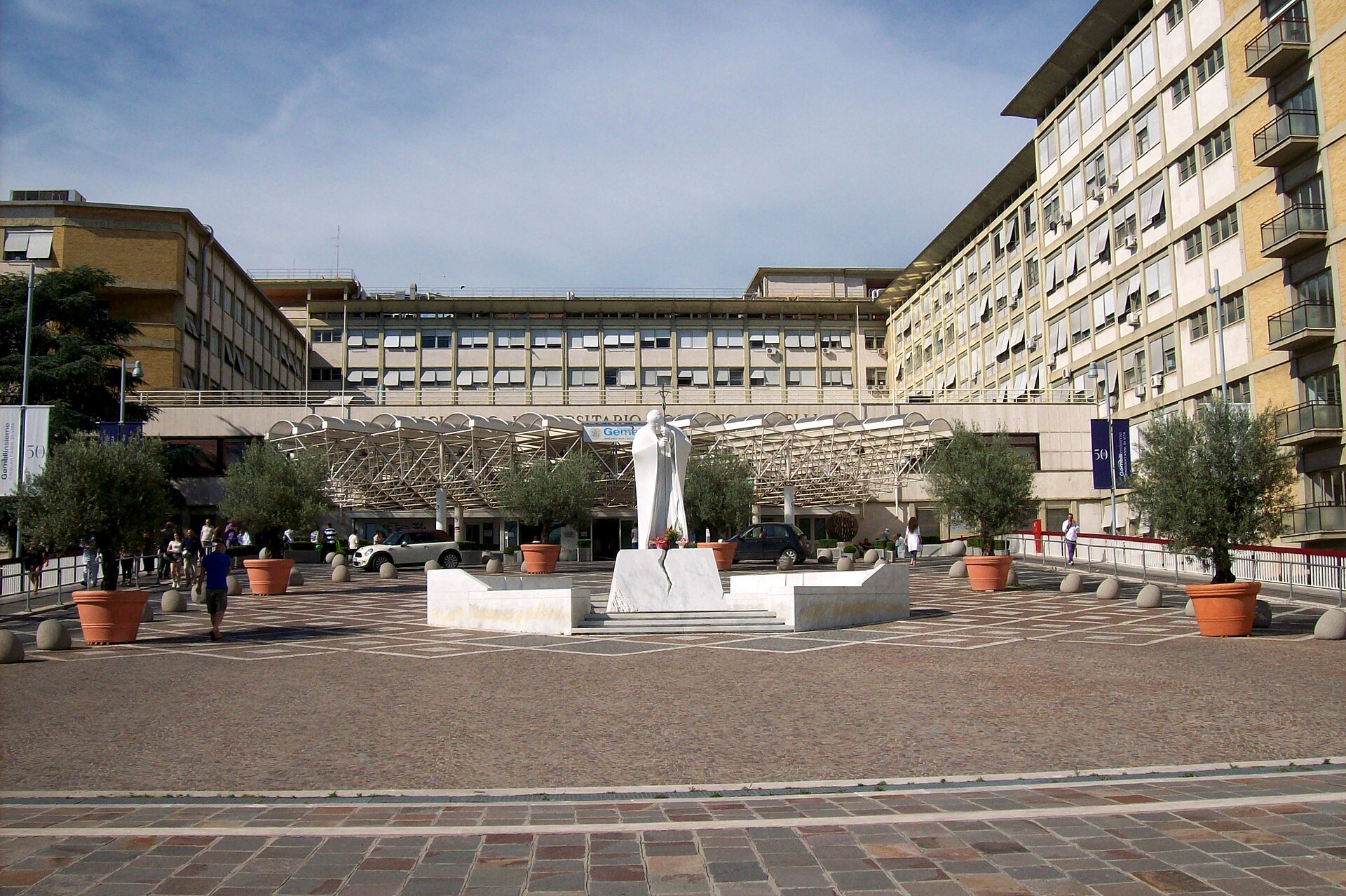
Vatican spokesman Matteo Bruni confirmed that the operation is scheduled for the first days of this week at Rome's Gemelli Hospital, the large Catholic teaching hospital in the north of the city where popes have been treated for decades. The estimated Pope Leo recovery time is about one week. In an update on Monday, October 12, CNN reported the more precise timetable now in place: the Pope will be admitted to Gemelli late Tuesday morning, October 13, ahead of the procedure, and all papal audiences have been cancelled until Tuesday, October 20.
Monday itself was deliberately ordinary. The Pope kept a normal schedule, holding meetings and a gathering of bishops, according to the Vatican's account carried by CNN. The institution around him, meanwhile, moved into the posture it adopts whenever a pope is incapacitated: the Vatican continues to function day to day, but decisions that require the Pope's own signature are on hold until he can give them. Italian Prime Minister Giorgia Meloni offered the Pope support, one of the first heads of government to respond publicly.
When is Pope Leo's surgery? The week ahead, day by day
The confirmed sequence is short. Sunday, October 11: the Pope announces the nodule himself at the Angelus and on @Pontifex. Monday, October 12: a normal working day of meetings and bishops. Late Tuesday morning, October 13: admission to the Gemelli Hospital ahead of the operation, which Bruni placed in the first days of the week. Then about a week of expected recovery, with audiences cancelled through Tuesday, October 20 — the date that, if the recovery goes as projected, marks the working end of the episode.
What a lung nodule is — and what is not known
A lung nodule is a small mass in the lung, by definition no more than about 3 centimetres across, most often found incidentally on a scan taken for another reason. That definition fits exactly the language the Pope used: small, localized, found on recent medical exams. Most lung nodules are benign — the residue of old infections, inflammation or scar tissue — and never require treatment at all. The risk that a nodule is something more serious rises with age, and standard medical practice is that a nodule which is new, growing, or has features doctors cannot confidently classify is removed or biopsied so it can be examined directly. Surgery, in other words, is often the diagnostic step as much as the treatment: only pathology on the removed tissue can say definitively what a nodule is.
That is why the honest answer to the question readers are asking — is it cancer? — is that nobody outside the Pope's medical team knows, and the Vatican has not claimed otherwise. The reassuring facts are real: detection at a very early stage, a well-localized finding, a projected one-week recovery, and a Pope who worked a full schedule the day after announcing it. The cautionary fact is equally real: doctors do not recommend lung surgery for a finding they are certain is harmless, which is why the operation, and the pathology that follows it, is the event that will actually answer the question. A balanced Pope Leo health update has to hold both of those truths at once.
Why this matters
A pope's health is never only a medical story. The Pope is the head of the Catholic Church and a head of state; there is no vice-pope, no designated successor who can sign in his place, and no mechanism for a temporary transfer of his authority. When a pope goes under anaesthesia, the government of a global institution of 1.4 billion people pauses with him — which is why the detail that decisions needing his signature are on hold is not a footnote but the institutional heart of the story. Every previous modern papal illness, from John Paul II's long decline to Francis's hospital stays, has eventually raised the same questions about continuity, conclaves and succession. Leo's team has clearly tried to keep this episode too small to raise them: early detection, a short operation, a week's recovery, a return date already named.
The second reason this matters is the way it was announced. For most of modern history, the Vatican disclosed papal illness late, vaguely, or not at all; John Paul II's Parkinson's disease was visible for years before it was ever acknowledged. Francis shifted that practice toward regular medical bulletins during his Gemelli stays. Leo has now gone a step further: he announced his own diagnosis himself, in person, in the square, on a Sunday, and then posted it on his own account. Supporters will read that as candour that starves rumour. Critics of Vatican communications — including Catholics who thought Francis's bulletins still revealed too little, too late — will note that self-announcement also lets the institution frame the story before any independent medical detail exists. Both readings can be true, and the test will be what is disclosed after the pathology comes back.
Background: the first American pope, and Gemelli's history
Leo XIV is the first U.S.-born pope in history — born Robert Francis Prevost in Chicago — elected in May 2025 after the conclave that followed Pope Francis. At 71 he is, by recent papal standards, comparatively young and notably active: he is known to play tennis and has projected an image of physical energy through the first year and a half of his pontificate. This is the first major health issue he has publicly disclosed since his election, which is part of why a comparatively small finding — a nodule of at most a few centimetres — is drawing worldwide attention. There is no baseline of papal illness in this pontificate to measure it against.
The setting carries its own history. The Gemelli Hospital's tenth-floor papal suite is effectively a small Vatican annex: John Paul II was rushed there after the 1981 assassination attempt and returned repeatedly through the 1980s and 1990s, famously calling it a third Vatican alongside the Vatican itself and Castel Gandolfo. Francis was treated there for intestinal surgery in 2021 and for respiratory illness in 2023 and again in the long final hospitalisation of 2025. The hospital, the staff and the protocol are practiced at exactly this: treating a pope while the world's press waits outside and the institution holds its breath inside. Leo's expected stay — days, not the weeks of his predecessors — is, if it holds, the clearest signal yet of the operation's intended scale.
Who is affected, and how
For Catholics, the immediate effect is pastoral: a week without papal audiences, a paused Angelus rhythm, and a request for prayers from the Pope himself that parishes around the world took up on Monday. For the Vatican's diplomats, the effect is a frozen calendar — audiences cancelled to October 20 means a week of postponed meetings with bishops, ambassadors and visiting leaders that must be rebuilt. For the Pope's critics and supporters alike in the Church's ongoing internal debates, an illness inevitably, if unfairly, becomes a lens: every faction will watch the recovery for signs of the vigour or frailty it already believes in. The medical facts, when they come, will matter more than any of those readings.
What happens next
The next confirmed milestone is Tuesday's admission to Gemelli. After the operation, the disclosures that matter are three: that the Pope came through surgery as expected, what the pathology on the removed nodule shows, and whether the projected one-week recovery holds. If it does, audiences resume after October 20 and the episode closes quickly. If pathology requires further treatment, the Vatican will face the first real communications test of this pontificate — how much to say, and how fast, about a diagnosis it has so far, correctly, declined to name.
The larger date on the horizon is November 6–17: Leo's planned 11-day trip to South America, taking in Uruguay, Argentina and Peru — Peru being the country where he served for years as a missionary and bishop before coming to Rome, and a journey with deep personal as well as diplomatic weight. The trip begins roughly three weeks after his expected recovery ends, so on the current timetable it proceeds as scheduled, and officials have given no indication of a change. But an 11-day, three-country tour with long flights is the most physically demanding item on the papal calendar, and it will inevitably become the public proof of recovery: if Leo walks off the plane in Montevideo on November 6 on schedule, the lung nodule will have become a footnote of his pontificate. If the trip is shortened or postponed, the questions Sunday's announcement so carefully pre-empted will return at once.
Related coverage: Pope Leo urges peace concessions as Ukraine war drags on · Pope Leo celebrates outdoor Mass in Paris before 800,000 · Pope Leo at Lourdes on assisted dying
Sources: Vatican News and the Holy See Press Office (statement by spokesman Matteo Bruni on the Gemelli operation and expected one-week recovery); Pope Leo XIV's announcement at the Sunday Angelus, October 11, 2026, and his post on @Pontifex; Reuters; Associated Press; CNN (October 12 update — Tuesday admission, audiences cancelled until October 20, normal Monday schedule, decisions requiring the Pope's signature on hold, and Prime Minister Giorgia Meloni's offer of support); USA Today.