World / Politics — The Wall Street Journal reported on Sunday that the Trump administration has encouraged Viktor Orbán, Hungary’s former prime minister, to run for UN secretary-general as a candidate Washington, Moscow and Beijing could all support. Orbán has declined to comment, neither Russia nor China has confirmed any backing, and the officials who described the plan say it still awaits a final decision — but in a race deadlocked after six straw polls, the report alone has reset the contest to succeed António Guterres.
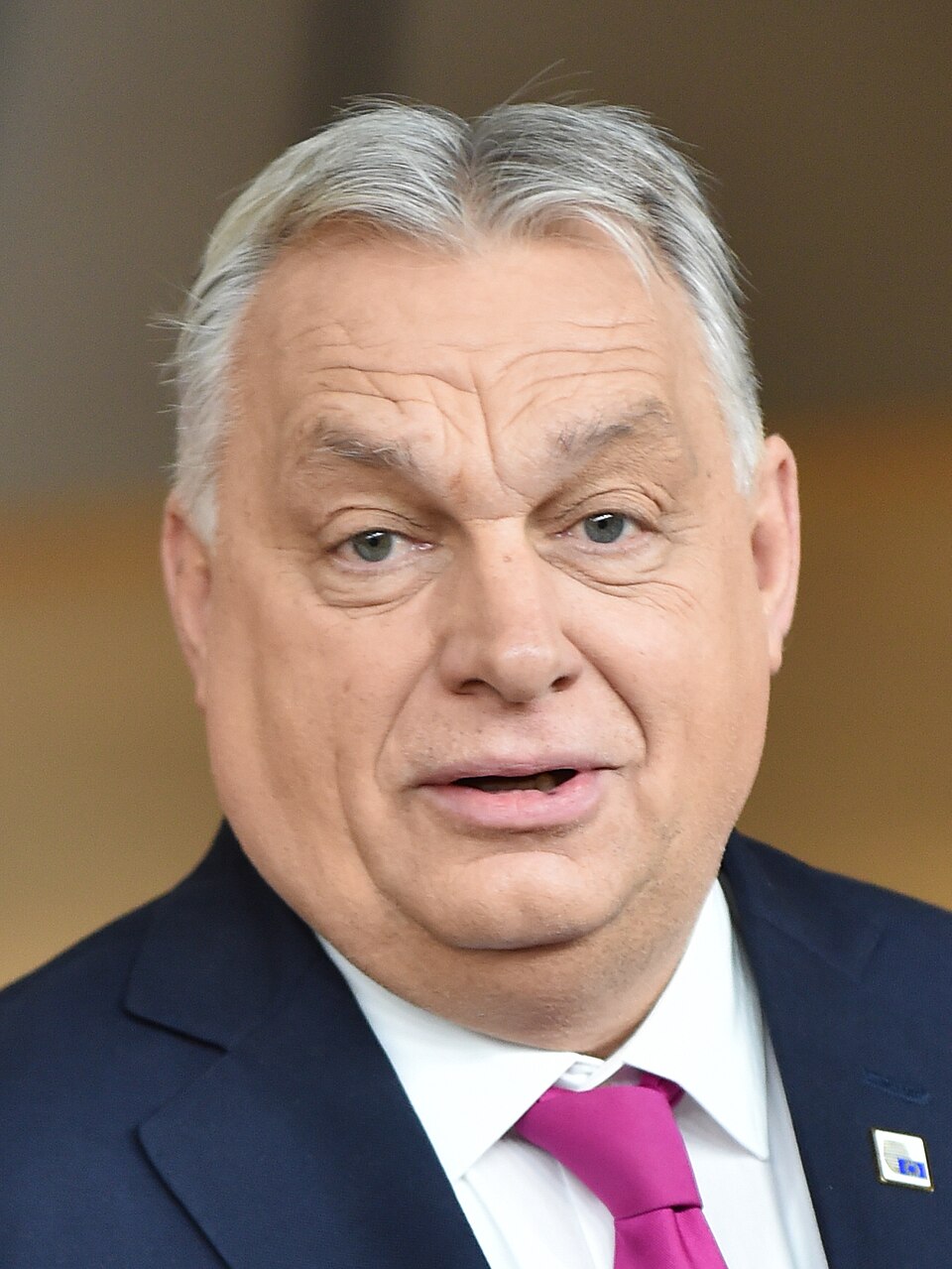
The race to choose the next head of the United Nations took its strangest turn yet on Sunday, when The Wall Street Journal reported that Washington is pushing the Orban UN secretary general candidacy — an effort, described by sources in three countries, to make former Hungarian Prime Minister Viktor Orbán the joint choice of the United States, Russia and China for the world’s top diplomatic job. Nothing about the plan is confirmed. Orbán declined to comment, neither Russia nor China has announced any position, and the Journal reported that the idea awaits a final decision. But the report lands in a selection process already deadlocked after six straw polls, with António Guterres’s term ending on December 31 — and it has immediately reset the calculations of every capital involved.
Inside the reported plan: “someone like Orbán”
According to the Journal’s account, the idea did not begin with Orbán himself. US officials, the paper reported, first concluded that they wanted “someone like Orbán” at the top of the UN, then raised the idea with Russian and Chinese counterparts — who reacted favourably — and only after that approached Orbán directly. A State Department official quoted by the Journal called Orbán “the dream MAGA-conservative candidate”, citing his stance against mass migration, against liberal NGOs and against Hungary’s left-leaning courts and press, and conceded that the idea “sounds crazy at first”. It is important to be precise about the status of all of this: the favourable Russian and Chinese reactions are as reported by the Journal’s sources, not announced by Moscow or Beijing, and no formal nomination of Orbán by any government has been made public.
The sequencing in the report is the story. A candidacy sounded out with two rival powers before it is announced is a different proposition from an ordinary national nomination: it suggests the plan was constructed backwards from the Security Council’s veto arithmetic, starting with the three permanent members whose agreement is hardest to obtain and presenting the remaining two with a package already half-assembled. It also fits the pattern this site has tracked through the autumn, in which the Trump administration made clear it found the existing field of candidates unsatisfactory and wanted the race reopened. What the report does not contain is any word from Orbán himself. He was reported to be receptive but cautious — unwilling to run unless confident he could win — and he declined to comment when the Journal approached him.
The arithmetic: nine votes, and no veto
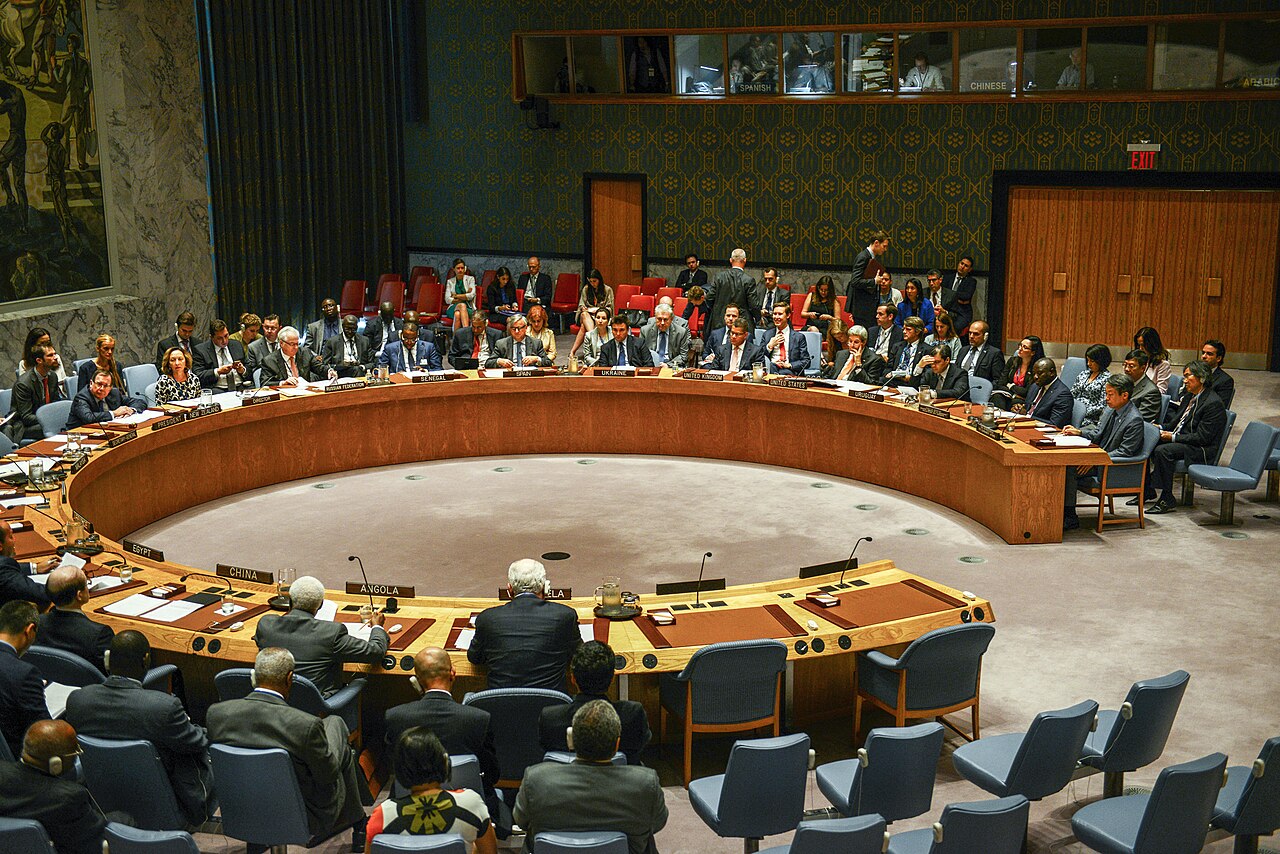
A secretary-general is appointed by the 193-member General Assembly on the recommendation of the 15-member Security Council. In practice the recommendation is everything: a candidate needs at least nine of the Council’s 15 votes and, decisively, no veto from any of the five permanent members — the United States, Russia, China, Britain and France. The State Department official quoted by the Journal estimated that Orbán could take eight of the 15 votes “comfortably”, with ten within reach. Read that estimate closely and it describes both the plan’s strength and its exposure. On its own side’s count, the reported candidacy starts one vote short of the threshold; and the whole construction depends on the two permanent members who have taken no public position at all. Britain and France have said nothing. The Journal noted that London and Paris are typically cautious about using their vetoes — which is precisely the restraint the plan appears designed to exploit.
The strategic bet, then, is that a candidate actively wanted by Washington, Moscow and Beijing at the same time would be harder for London and Paris to block than to accept: a veto would mean two European democracies single-handedly killing the first secretary-general candidacy the three largest powers have converged on in decades, in defence of a process that has produced no viable candidate in six ballots. The counter-consideration is just as stark. In a formal Council vote, a single permanent-member “no” ends the candidacy outright, whatever the other fourteen members do — which is why Orbán’s reported insistence on running only if he is confident of winning is not vanity but arithmetic.
The deadlock this plan would break
The vacancy is real and the clock is short. Guterres’s second term ends on December 31, 2026, and his successor is due to take office on January 1, 2027. Six Security Council straw polls since July 30 have failed to produce a candidate who avoided two or more “discourage” votes from the permanent members. The frontrunner, Rebeca Grynspan — a former vice president of Costa Rica and the secretary-general of the UN trade body UNCTAD — has led most rounds, but two permanent members do not support her, which in a formal vote would be enough to stop her. Every other candidate in the field faces the same wall, which is why diplomats have spent weeks waiting for a new name to enter, and why our report on Lana Nusseibeh’s late entry into the race described a contest that had exhausted its original field.
Into that vacuum, the reported Orbán plan is not simply one more candidacy. The existing candidates were each built forwards from a region, a résumé or a historic first; the reported plan is the first to be described as built backwards from the veto math — assembled around the question of who three mutually hostile permanent members could all say yes to. Whether that is a cynical carve-up or the only realistic route out of a paralysed process depends on the observer, and diplomats quoted across the autumn have argued both sides. What is not in dispute is the fact the plan responds to: as of Sunday, the formal race had no candidate who could pass.
Why this matters
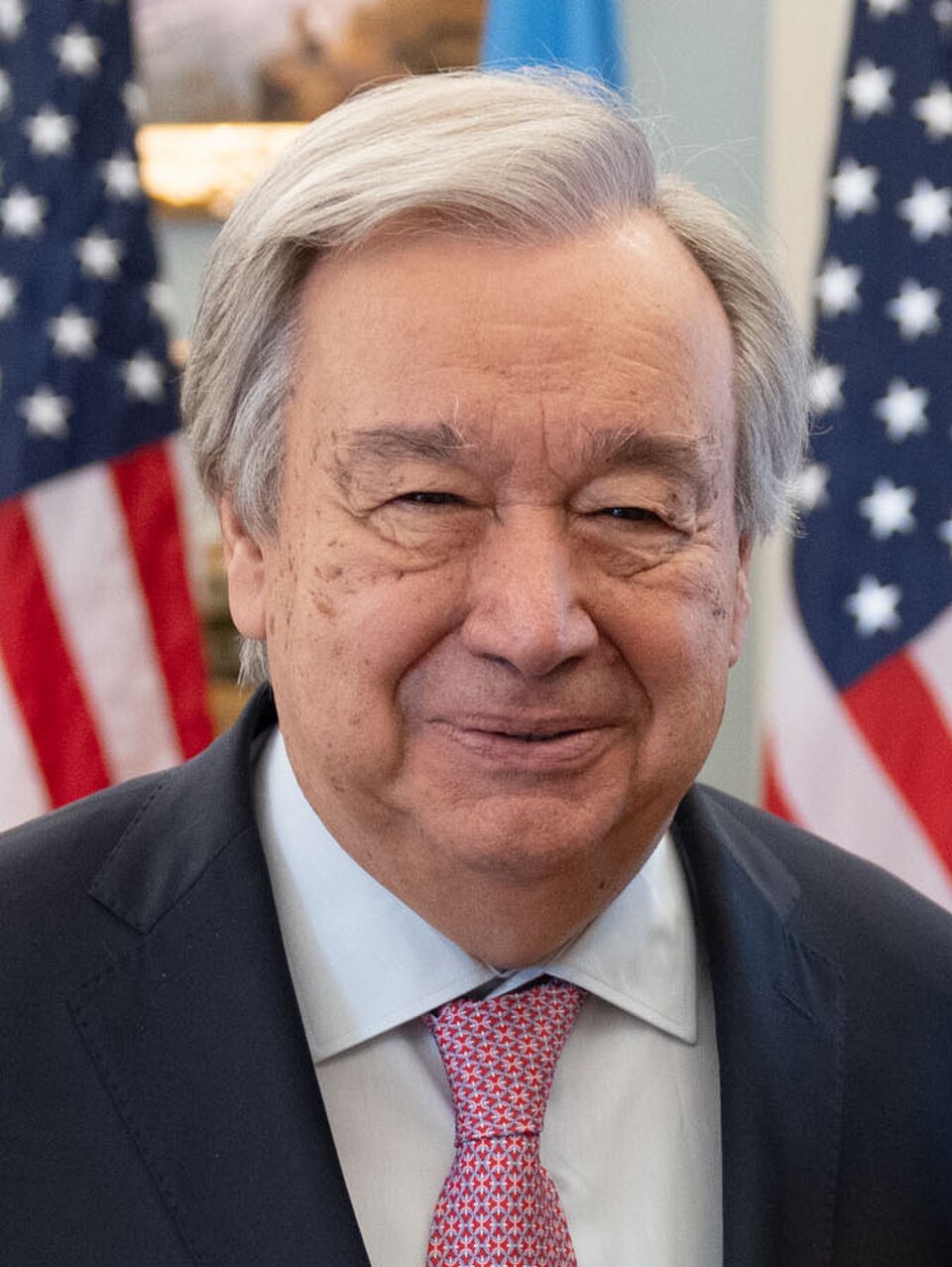
The secretary-general is the world’s top diplomat in title and, in practice, something subtler: the one official who can convene enemies, shame governments, set the agenda on crises and run the machinery of peacekeeping, aid and refugee protection on which millions of people depend. The choice, made in private by 15 ambassadors, will shape how — or whether — the UN responds to the wars and funding crises of the five years from January 2027. Selections for the job are normally settled by an unwritten regional rotation and a consensus candidate nobody loves and nobody vetoes. The reported plan would replace that method with an explicit great-power bargain. If it proceeds, it will say as much about the UN’s next five years as the identity of the man chosen.
Who benefits: Washington, Moscow, Beijing — and Orbán himself
Each capital’s gain is easy to name. Washington would get a secretary-general ideologically aligned with the administration on migration, sovereignty and suspicion of the liberal NGO sector — the qualities the State Department official itemised. Moscow would get a UN chief who has spent years resisting Western pressure over Ukraine and who owes his elevation partly to Russian assent. Beijing would get a candidate whose Hungary stayed open to Chinese investment and conspicuously free of criticism of China. And Orbán personally would complete one of the most abrupt reversals in recent European politics: six months after losing power at home, the largest job in world diplomacy. Reporting since May has linked his interest in a senior UN role to the legal pressure building around him in Hungary, an angle examined below; his camp has not publicly addressed that link, and it remains reported context rather than an established motive.
Who loses: Grynspan, the rotation claim and two silent veto powers
The clearest loser, if the plan proceeds, is Rebeca Grynspan. She has done everything the traditional process asks — led most of the straw polls, held the support of the regional group whose turn this is — and would watch the race be re-founded on a basis where her two permanent-member opponents matter more than her poll leads. Behind her stands the wider claim of Latin America and the Caribbean, the region whose “turn” 2026 is widely treated as under the unwritten rotation; a second consecutive European secretary-general, following Portugal’s Guterres, would keep the post in European hands into a third decade. Britain and France lose something less visible: leverage. Their silence is currently the plan’s greatest asset, but the longer the contest is framed as a three-power consensus, the more expensive a veto becomes — and the less their eventual assent is worth.
The domestic shadow: defeat, a rewritten constitution and a corruption inquiry
Any account of why Orbán might want the job has to start with what he lost. On April 12, 2026, after 16 years in office, he was beaten when Péter Magyar’s Tisza party won a two-thirds majority in Hungary’s election; Orbán remains leader of his Fidesz party, but out of power for the first time since 2010. Hungary’s new government then amended the constitution to cap prime ministers at eight years in office, calculated back to 1990 — a change Fidesz says was drafted specifically to keep Orbán from ever returning to the premiership. On September 28, prosecutors detained two ministers from Orbán’s former governments as part of a corruption inquiry. Reporting since May has linked Orbán’s interest in a senior United Nations post to those investigations, noting a structural fact about the top job itself: the secretary-general enjoys diplomatic immunity under the 1946 Convention on the Privileges and Immunities of the United Nations. That link is reported, not proven, and nothing in the reporting cited here establishes that the candidacy is driven by it; but it is now part of the public record around the plan, and it will follow any formal nomination.
What critics say
The critics’ case writes itself, and parts of it were audible within hours of the report. A politician whose international brand rests on opposition to migration and to liberal civil society would head an organisation whose largest field operations are refugee protection and human rights. The immunity question, however unfair its framing, would hang over the selection. And a secretary-general chosen as one camp’s ideological standard-bearer, critics argue, would arrive with his authority pre-divided: half the membership would regard him as an imposition of three capitals rather than a servant of all 193. The supporters’ counter-argument, as the Journal’s official framed it, is that those objections mistake the job’s reality. A secretary-general actively wanted by three of the five veto powers can actually move the institution; the straw-poll graveyard — six ballots, no passable candidate — is what the consensus route has produced. Both arguments are now live, and neither London nor Paris has yet tipped which way it will weigh them.
What happens next: the midterm wait and three scenarios
The immediate timeline runs through Washington’s electoral calendar. President Trump and Vice-President JD Vance are expected to support Orbán, the Journal reported, but any announcement may be held until after the US midterm elections in November — a delay that would also give London and Paris weeks to decide, privately, whether they can live with the plan, and give Orbán the certainty he is reported to require before running. Three scenarios follow. In the first, a post-midterms announcement meets quiet British and French acquiescence, Orbán becomes the consensus candidate by acclamation rather than by ballot, and the Council closes the selection comfortably before December 31. In the second, a veto signal from London or Paris — which need not even be public to be fatal — collapses the plan and throws the race back to the straw-poll field, with Grynspan re-emerging by default. In the third, the final decision the Journal described simply never arrives, Orbán stays on the sidelines, and the deadlock eventually produces a late compromise candidate of the kind deadlocked selections have found before.
What is certain is the clock. The term ends on December 31, the successor takes office on January 1, and a race that produced no viable candidate in six polls now contains, on paper, its most consequential name — reported by one newspaper, sourced to officials in three countries, confirmed by none of the principals. Orbán declined to comment. Moscow and Beijing have announced nothing. London and Paris are silent. The next fact in this story will come from one of those five capitals, and until it does, the Orban UN secretary general plan remains exactly what the Journal reported it to be: a plan, awaiting a decision.
Related coverage: Lana Nusseibeh, the UAE’s Veteran UN Ambassador, Enters the Deadlocked Race to Be the Next UN Secretary General · China and Russia Veto Iran Sanctions Panel at UN Debate
Sources
- The Wall Street Journal, October 25, 2026 — report, citing sources in three countries, that the Trump administration has encouraged former Hungarian Prime Minister Viktor Orbán to run for UN secretary-general as a potential joint candidate of the United States, Russia and China, with the plan awaiting a final decision; US officials first sought “someone like Orbán”, sounded out Russian and Chinese counterparts and then approached Orbán; a State Department official’s description of Orbán as “the dream MAGA-conservative candidate” who “sounds crazy at first”, and the estimate that he could take eight of the 15 Security Council votes comfortably with ten within reach; Orbán reported receptive but cautious and declining to comment; any announcement potentially held until after the US midterm elections.
- Anadolu Agency coverage via EuropeSays, October 26, 2026 — reporting on the Journal’s account of the proposed candidacy and the state of the race to succeed António Guterres, whose term ends December 31, 2026.
- Brussels Signal, October 26, 2026 — European coverage and analysis of the reported candidacy, the Security Council vote arithmetic and the implications for the European Union and Hungary.
- Hungarian Conservative, October 26, 2026 — Hungarian coverage of the report, Orbán’s position after his April 2026 election defeat, and the domestic debate over his possible candidacy.