War — Oman’s foreign minister used a Cambridge lecture to propose what five decades of Gulf security policy has avoided: a formal non-aggression pact that puts Iran inside the region’s security order instead of building that order against it. The pitch revives an ambition first aired in Muscat in 1976, and it lands while Gulf capitals are separately planning how to avert a renewed US-Iran war.
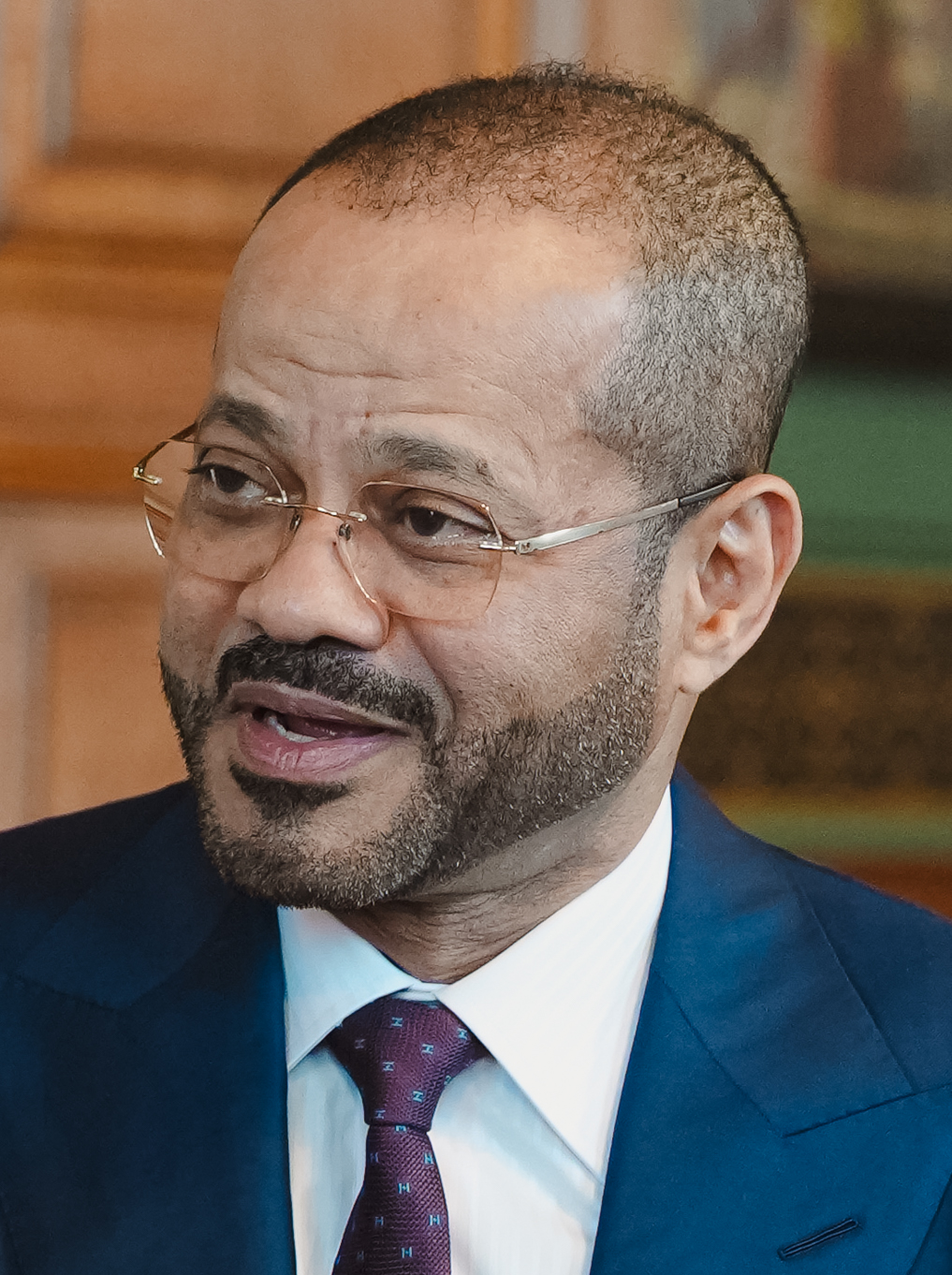
Oman’s foreign minister, Badr al-Busaidi, has called on the six Gulf Cooperation Council states, Iraq and Iran to unite under a single non-aggression security pact, arguing that the region must take responsibility for its own security instead of relying on outside powers. Speaking at Girton College, University of Cambridge, on Monday, October 26, during a diplomatic visit to Britain, al-Busaidi said it was time for the Gulf “to step up and take responsibility for our own security”, and to do so inclusively — with Iran inside the arrangement rather than cast as the threat it is built against.
Track it live: Iran war tracker · Middle East map
What he proposed
Al-Busaidi set out a two-part framework: a broad regional security dialogue, and a formal non-aggression pact among the eight Gulf littoral states — Saudi Arabia, the United Arab Emirates, Qatar, Kuwait, Bahrain and Oman, plus Iraq and Iran. Under such an arrangement, he said, the United States would in future no longer be the primary provider of security in the region, and outside partnerships would shift over time toward trade and investment. He acknowledged the proposal could appear counterintuitive, and that talks might be difficult.
The argument from Cambridge
Al-Busaidi said the antagonism toward Iran promoted by the United States for almost half a century had come at “a terrible cost” for the region, holding back its ability to solve its own problems. “The nuclear issue and the Hormuz issue are both impossible to resolve because external powers continue to define the terms of engagement, while regional powers are unable to take collective responsibility for making their own security arrangements and reach a consensus on them,” he said. A security structure that leaves Iran out, he argued, would be structurally unsound. He also said the February round of US-Iran talks that Oman mediated had been making significant progress and that an agreement was within reach — a judgment he said Oman still stands by. Oman and Iran, he noted, have reached a temporary agreement on managing shipping traffic through the Strait of Hormuz, but it is on hold until the United States and Iran lift their respective blockades — the stalemate traced in our report on the US-Iran talks and the Hormuz Seven-Day Plan.
The same day, in Tehran
The speech came amid a flurry of regional diplomacy. On the same Monday, senior officials from Saudi Arabia, Turkey and Pakistan — the Mecca Defence Alliance — met Iranian leaders in Tehran to discuss ending the US-Iran war and a longer-term regional security architecture. Iran’s supreme national security council secretary, Mohsen Rezaei, said the talks showed US threats had little impact on regional diplomacy and marked the start of a “real transformation”. No other Gulf government had formally responded to al-Busaidi’s pact proposal at the time of reporting.
Why this matters
Analysis. Al-Busaidi is the first Gulf foreign minister to break ranks this explicitly — urging mainly Sunni Gulf monarchies to build a security arrangement WITH Iran, a long-standing aspiration of Tehran’s that most of its neighbours have treated as unthinkable. Coming from Oman — the Gulf’s habitual intermediary, which mediated the February US-Iran talks — the speech is both a diagnosis and a bid: if Washington’s role shrinks, someone must design what replaces it, and Muscat is volunteering the blueprint. It also lands while Gulf capitals are separately working on plans to avert a renewed US-Iran war — the scenario set out in our report on US preparations to resume strikes on Iran — which gives the proposal a live policy context rather than a purely academic one.
Context and background
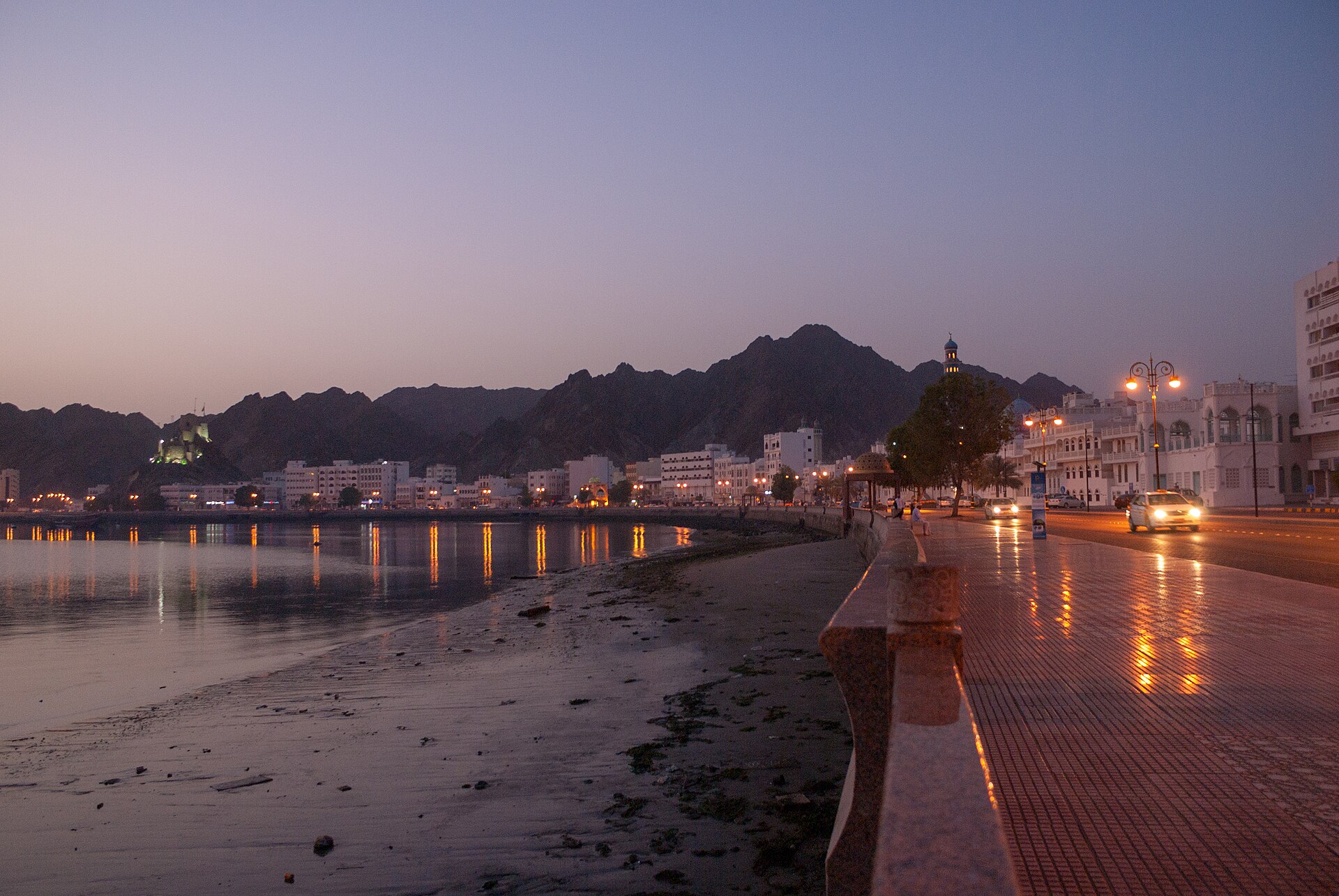
The idea is not new. In 1976, Muscat hosted a meeting of the foreign ministers of the eight Gulf littoral states to discuss collective security arrangements — an ambition that was never realised. For five decades since, Gulf security has instead been organised around US bases, US arms and bilateral guarantees, with Iran positioned outside the structure. Oman’s pitch is, in effect, to revive the 1976 ambition with the region’s geopolitics inverted: the state the old architecture was built against would become a signatory to the new one.
Angles and obstacles
Supporters say an inclusive framework is the only durable way to settle the issues that keep reigniting — Hormuz shipping, missile strikes on Gulf infrastructure, and Yemen, where Iran-backed Houthi forces have attacked Saudi Arabia directly. Sceptics note what the speech did not contain: no verification mechanism, no enforcement provisions, no commitments covering non-state armed actors, and no signatory beyond Oman. Gulf capitals have deep, recent reasons for mistrust — Iranian strikes on Gulf infrastructure are weeks, not years, old — and the United States remains the region’s largest arms supplier and security guarantor, a role Washington has shown no sign of vacating. Iran, for its part, has long demanded exactly this kind of regional framework, which is itself a reason some neighbours will read Muscat’s proposal cautiously.
What the numbers mean
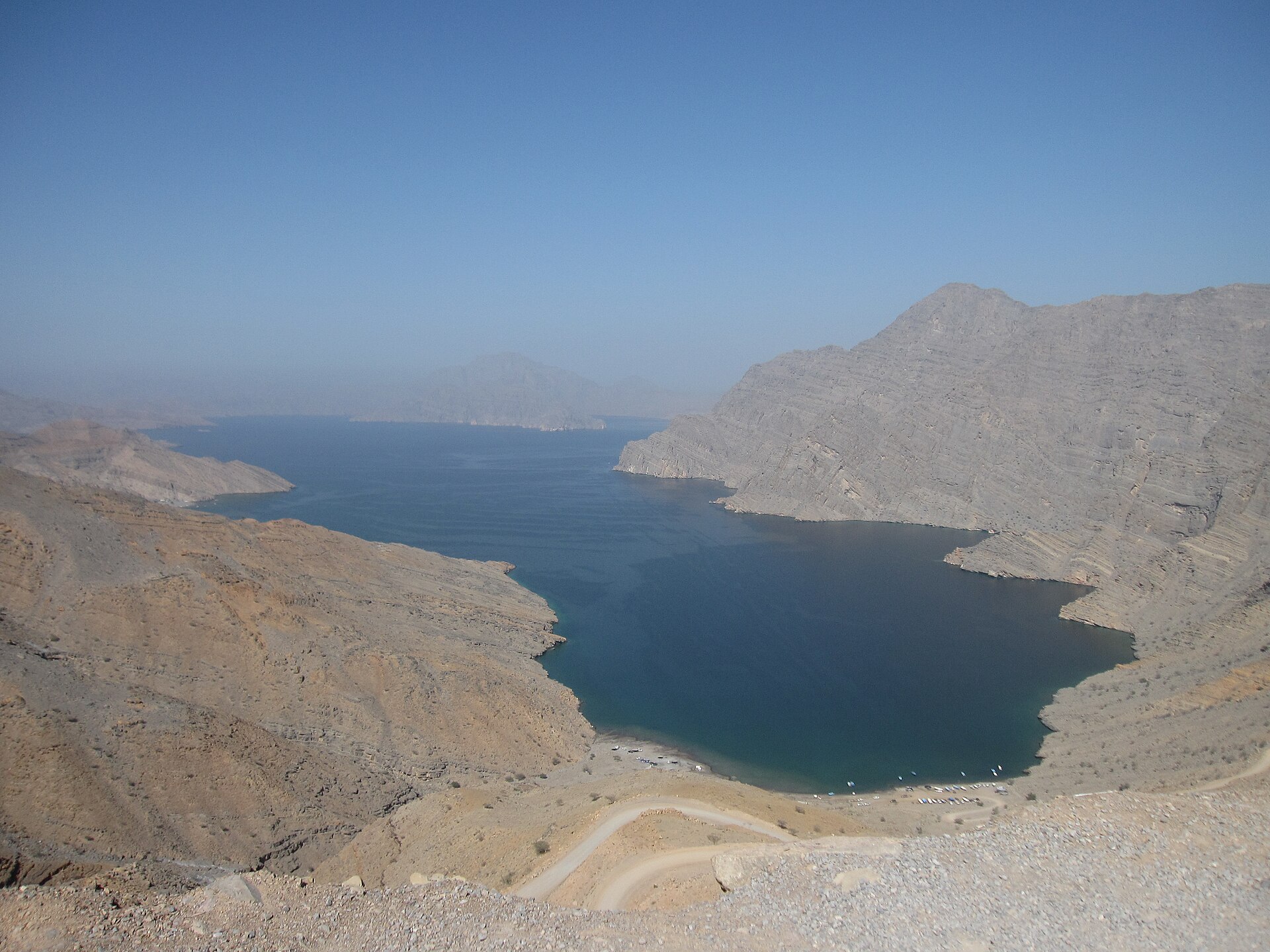
Eight states ring the Gulf; six of them form the GCC. Roughly a fifth of the world’s oil shipments pass through the Strait of Hormuz, the chokepoint the pact would most directly affect — which is why a paper promise about non-aggression, if it ever gathered signatures, would matter far beyond the region.
What happens next
Watch for the first formal response from Riyadh or Abu Dhabi — even a polite welcome would signal the idea is being priced rather than filed. Watch, too, whether the Tehran track (Saudi, Turkish and Pakistani officials talking directly to Iran) produces a written framework that Oman’s proposal could merge into, and whether Washington treats the speech as allied burden-sharing or as drift. For now it is a proposal, not a negotiation: one foreign minister, one speech, and an open question the region has avoided answering since 1976.
Sources
The Guardian, October 26, 2026 — the report of the Girton College speech, including the call for the Gulf “to step up and take responsibility for our own security”, the “terrible cost” of US-promoted antagonism toward Iran and al-Busaidi’s assessment that the February US-Iran talks had been within reach of agreement: theguardian.com (syndicated text). Middle East Eye, October 27, 2026 — the non-aggression pact call, the Mecca Defence Alliance talks in Tehran the same day and Mohsen Rezaei’s “real transformation” remarks: middleeasteye.net (syndicated text). Fana News, October 2026 — the Oman foreign ministry statement on the minister’s Cambridge visit and the proposed framework. Statements quoted are attributed in the text as stated. Uncertainty note: no Gulf government beyond Oman had formally responded to the proposal at the time of reporting, and the pact exists as a speech proposal, not a negotiated text.