Sports
Ben Williamson's walk-off single in the bottom of the 12th inning gave Tampa Bay a 4-3 win over Milwaukee at Tropicana Field on Tuesday night, after rookie Cooper Pratt's go-ahead home run had put the Brewers three outs from a sweep — and from the first championship in franchise history. Instead, the Rays are alive, the series goes to a Game 5 on Wednesday, and a World Series that looked finished produced its first classic.
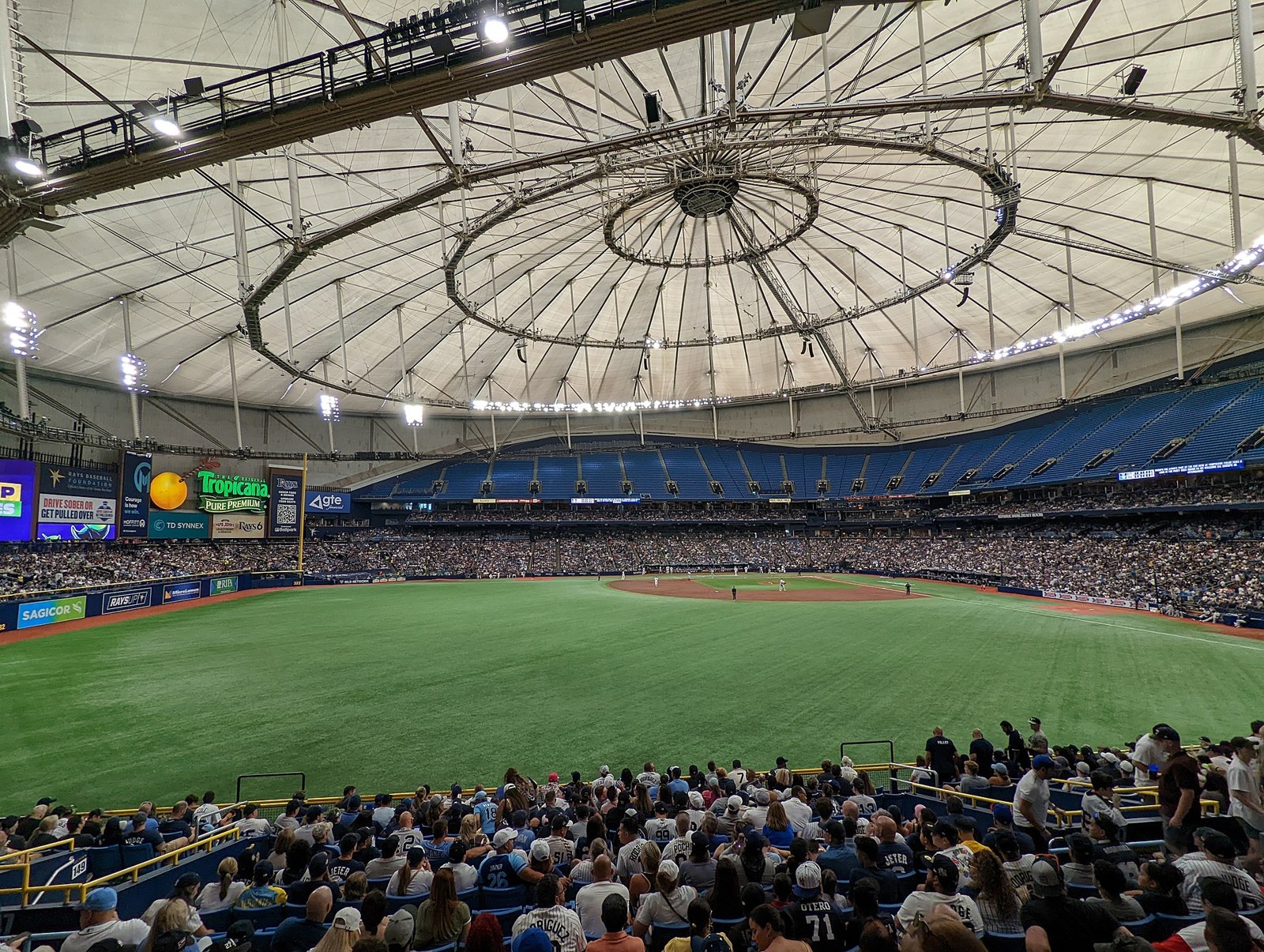
The Rays Brewers World Series Game 4 score is one that will be replayed in Tampa Bay for as long as this series is remembered: Tampa Bay Rays 4, Milwaukee Brewers 3, in 12 innings at Tropicana Field on Tuesday, October 27, 2026. Ben Williamson singled home Nick Fortes with the bases loaded and nobody out in the bottom of the 12th, completing a two-run rally that began with an error, ran through four consecutive hitters reaching base, and ended with the Rays pouring out of their dugout while the Brewers stood three outs short of a championship they had already started to taste. Milwaukee still leads the series 3-1. But the sweep is gone, the celebration is postponed, and for the first time in this World Series, the pressure has an address in the visitors' clubhouse too.
Start with how close Milwaukee came. The Brewers, who won the first three games of this series — a 10-1 rout in Game 3 after one-run wins in Games 1 and 2 — took a 3-2 lead in the top of the 12th on Cooper Pratt's solo home run, the rookie's fourth hit of the night. Three outs separated Milwaukee from the first World Series title in the history of the franchise. Tampa Bay never recorded an out in the bottom of the inning. Five Rays hitters came to the plate; all five reached; two of them scored. That is the whole story of Game 4 in miniature: a series that had been all Milwaukee, all the time, turned in the space of one half-inning that the Brewers could not stop.
Rays walk-off win Game 4: how a 2-2 game became an extra-inning classic
The early innings: Tampa Bay strikes first, Milwaukee answers twice
The game began as a contest of responses. Tampa Bay scored first, pushing a run across in the second inning to take a 1-0 lead in front of a home crowd that had watched its team lose the first game at Tropicana Field by nine runs the night before. Milwaukee tied it in the top of the fourth. Tampa Bay went back in front in the bottom of the fourth, 2-1. Milwaukee tied it again in the fifth, 2-2. The starters named in the published lineups — Dustin May for Milwaukee, Griffin Jax for Tampa Bay — handed the game to their bullpens with nothing decided, and what followed was one of the great scoreless stretches in recent World Series memory: from the fifth inning through the 11th, neither team scored. Seven innings of baseball, played across the late innings and into extras, produced not a single run.
Seven scoreless innings: the bullpens take over
The middle of Game 4 belonged to the relievers, and to one in particular. Aaron Ashby threw 2 1/3 perfect innings for Milwaukee — seven hitters, seven outs — and in doing so extended his scoreless postseason streak to 18 innings, reported as an unprecedented scoreless streak for a relief pitcher in a single postseason. Every out Ashby recorded pushed his name further into territory no reliever has occupied in October. Tampa Bay's bullpen matched the zeros inning for inning, keeping a 2-2 game frozen while the crowd at Tropicana Field understood, with each passing frame, that the season was being decided one at-bat at a time. Extra innings in an elimination game carry a particular cruelty: every half-inning is a chance to lose everything. The Rays lived in that tension for three extra innings. The Brewers, for all their control of this series, had to live in it too — and the longer the game went, the more the night tilted from a coronation toward a coin flip.
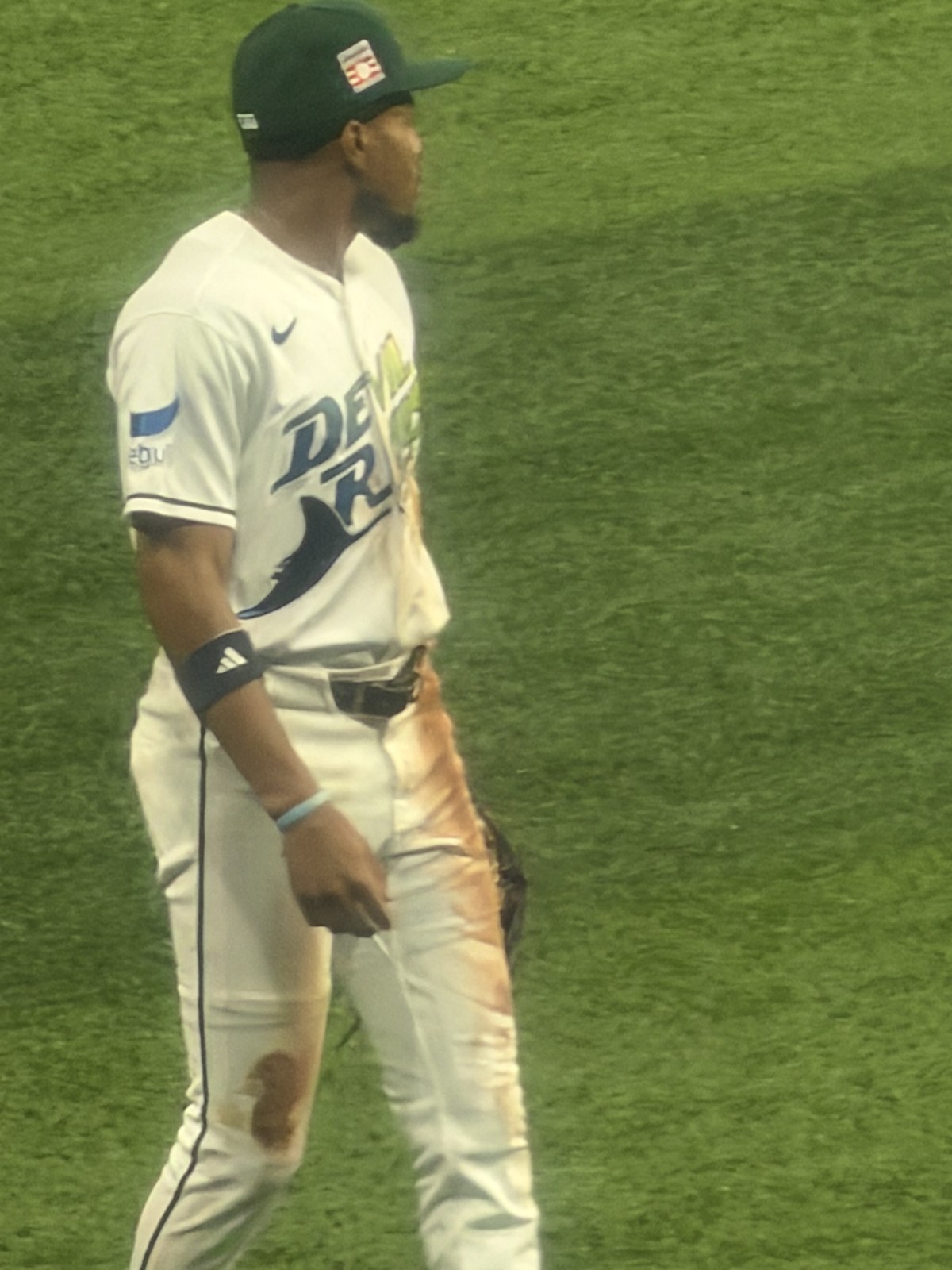
Cooper Pratt home run Game 4: the rookie who nearly ended the World Series
When the breakthrough finally came, it came from the unlikeliest star of this series. In the top of the 12th, Cooper Pratt hit a solo home run off Ian Seymour — reported by the Milwaukee Journal Sentinel live blog at 396 feet — to give Milwaukee a 3-2 lead and silence Tropicana Field. It was Pratt's fourth hit of the game, reported as the most hits ever by a rookie in a potential World Series-clinching game. Consider what that means: a rookie, in a game that could end the World Series, produced a four-hit night and its biggest swing, a home run in the 12th inning of a tied elimination game. Championships are supposed to be won by the famous names. Pratt was three outs from winning one with a performance that would have lived in Milwaukee forever — and, in a different way, it still might. What happened in the bottom of the inning does not erase his night. It does, however, change what his night means: from the final chapter of a sweep to the moment the series almost ended, one half-inning before it didn't.
Ben Williamson walk-off single: the bottom of the 12th, batter by batter
The rally that saved Tampa Bay's season took five hitters, and it never paused. Junior Caminero led off and reached on a throwing error by Joey Ortiz — the Brewers' second error of the night, and the crack in the door. Liam Hicks singled, moving the tying run to third. Cedric Mullins, who had pinch-run for Caminero, came home on Jonny DeLuca's single, and suddenly the game was tied 3-3 with nobody out. Chandler Simpson singled to load the bases, advancing Nick Fortes to third. And then Ben Williamson stepped in against Shane Drohan and singled home Fortes for the 4-3 final: Rays walk-off win Game 4, no outs recorded, season alive. There was no dramatic full-count battle, no warning-track fly ball, no play at the plate. There was simply a Brewers defense that could not record an out and a Rays lineup that refused to give one away. Five hitters, five times on base, two runs, ballgame. The box score will record the bottom of the 12th as the inning Milwaukee's championship wait was extended — by at least one more night.
Box score: Rays 4, Brewers 3 in 12 innings
The scoring summary tells the shape of the night. Tampa Bay scored one run in the second, one in the fourth and two in the 12th, finishing with four runs on nine hits and one error. Milwaukee scored one run in the fourth, one in the fifth and one in the 12th, finishing with three runs on eight hits and two errors — the second of those errors, Ortiz's throw in the 12th, opening the door for both runs that beat them. The line score reads 1-1 after four, 2-2 after five, 2-2 after nine, 2-2 after eleven, and then an explosion compressed into a single inning: Brewers 3, Rays 4, final, in twelve. In a series that had produced a one-run game, another one-run game and a nine-run blowout, Game 4 delivered the first extra-inning finish — and the first game of the World Series that either clubhouse will describe as a classic.
Brewers lead series 3-1: where the World Series stands
For all of Tuesday's drama, the standings of this series still favor Milwaukee heavily. The Brewers lead 3-1, and the route here matters. Milwaukee won Game 1, 3-2, and then produced the comeback of the series in Game 2, rallying from 4-0 down to beat the Rays 5-4. Game 3 in St. Petersburg was no contest at all, a 10-1 Brewers win that put the sweep — and the championship — one game away and framed the Game 4 preview around whether Tampa Bay had anything left. Game 4 answered that question. What the Rays won on Tuesday was not control of the series; Milwaukee can still end it on Wednesday. What they won was a tomorrow — one more game at home, one more chance to make the Brewers fly back to Milwaukee with the series still breathing, and the knowledge, now proven rather than hoped, that they can beat this team in a game that matters most.
Why this matters
Milwaukee's bullpen after 12 innings — and the Ashby question
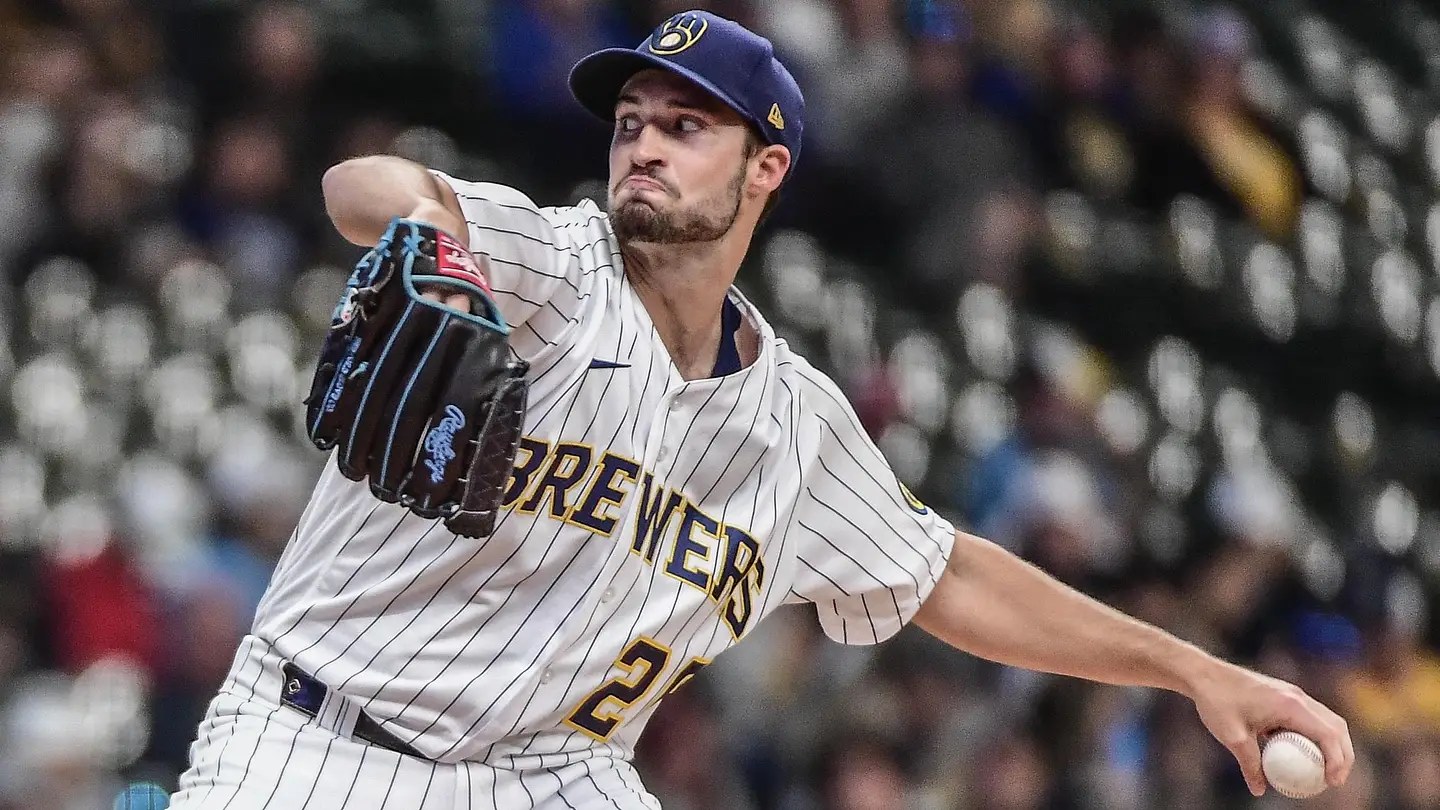
The hidden cost of Game 4 lands on Milwaukee's pitching staff. A 12-inning game taxes a bullpen in ways a regulation loss does not: more relievers used, more high-leverage pitches thrown, less recovery before a Game 5 that starts roughly a day later. Ashby is the sharpest version of the question. His 18 consecutive scoreless innings this postseason are a genuine asset — and a workload. He threw 2 1/3 perfect innings on Tuesday in a game Milwaukee lost anyway, which means the Brewers spent some of their most valuable relief innings and got nothing for them. How much of Ashby is available on Wednesday, and in what leverage, is now one of the central tactical questions of Game 5. Tampa Bay's bullpen paid a price too — extra innings are never free — but the Rays were playing for their season. Every arm they used was spent on survival, and survival is what they bought.
Tampa Bay's first win, and the shifting weight of pressure
Pressure in a playoff series is not distributed by the standings alone; it moves with momentum and expectation. Before Tuesday, all of it sat on Tampa Bay, the team facing a sweep at home. The Rays' win does not transfer the pressure wholesale — Milwaukee still needs one win in three chances — but it changes the questions each team carries into Game 5. The Brewers must now answer for a championship that was three outs away and slipped, in a clubhouse that had every reason to believe the series was over. The Rays, meanwhile, have converted desperation into something more dangerous: evidence. One win is a reprieve. A second win, on Wednesday, would turn this series into a genuine contest and send it back to Milwaukee at 3-2, where every remaining game is an elimination game for somebody. That is how comebacks actually begin — not with speeches, but with one win that makes the next win imaginable.
The historical 3-0 context, stated carefully
History still argues loudly for Milwaukee, and honesty requires saying so. No team has ever come back from 3-0 down to win a World Series. The Milwaukee Journal Sentinel's reporting adds the sharper edge: none of the previous 25 teams to lead a World Series 3-0 had even allowed the series to reach a Game 6. The Brewers' path to the title therefore remains the overwhelmingly likely outcome — one more win, in any of three games, two of them at home if the series lasts that long. But the same history is what makes Wednesday interesting. Every one of those 25 series ended in four or five games. If the Rays win Game 5, this series reaches a place only a handful of 3-0 series have ever visited, and the Brewers would fly home carrying a question no 3-0 leader wants to carry. Tuesday did not rewrite the odds. It kept them from becoming final.
Two franchises still chasing a first title: the background
Part of what gives this series its weight is that neither clubhouse has ever finished the job. Milwaukee's only previous World Series appearance came in 1982, and the Brewers have waited more than four decades to return; this October's run — through the National League bracket and into a 3-0 series lead — is the closest the franchise has ever come to a championship. Tampa Bay's history is shorter but similarly unfinished: the Rays reached the World Series in 2008 and again in 2020 and lost both times. One of these franchises will win its first title in the coming days. Tuesday night did not change that. It changed only who writes the ending, and how much longer everyone has to wait to read it. For Milwaukee, the wait was supposed to end in the 12th inning on Tuesday. For Tampa Bay, a franchise that has built its identity on doing more with less, surviving the night was entirely in character.
Who benefits, who loses
The clearest beneficiary is Tampa Bay's season itself, followed closely by Ben Williamson, whose walk-off single is now a permanent part of this franchise's October history whatever happens next — the hit that kept a World Series alive. Cooper Pratt presents the strangest ledger: his four hits and go-ahead home run were the best individual performance of the night, and he still ends it on the losing side, a reminder that baseball's biggest games do not always reward their best player. The losers, beyond the obvious, include Milwaukee's margin for error in the bullpen and the Brewers' cleanest narrative — a sweep would have made this team a wire-to-wire champion, and that story is gone even if the title is not. The series' broadcasters and the sport itself benefit too, though no one in either clubhouse will care about that this morning: a sweep is a footnote, and a series with a pulse is a story.
World Series Game 5 schedule: what happens next
Game 5 is set for Wednesday, October 28, at Tropicana Field in St. Petersburg — the final game of the series in Florida, and another elimination game for Tampa Bay. The Rays avoid sweep World Series story now becomes a simpler one: win, and the series returns to Milwaukee for Game 6 on Friday and, if necessary, Game 7 on Saturday, with the Brewers still one win from the title and the Rays suddenly the team with nothing left to protect. Lose, and Milwaukee's 44-year wait ends on Tampa Bay's field, a day later than planned. The pitching questions hang over everything: how the Brewers piece together Game 5 after 12 innings and Ashby's latest scoreless outing, and whether Tampa Bay can get one more night from a bullpen that has now carried an elimination game into the 12th and out the other side. First pitch on Wednesday will arrive quickly. After Tuesday night, nobody on either side will need reminding what is at stake.
Sources
Sources: Sportradar, final box score and play-by-play, Tampa Bay Rays vs. Milwaukee Brewers, World Series Game 4, October 27, 2026 (sportradar.com); Tampa Bay 28 (WFTS), "World Series Game 4: Rays walk it off in extras, keep season alive," October 27, 2026 (tampabay28.com) — AP photography; Milwaukee Journal Sentinel, Brewers vs. Rays World Series Game 4 live blog, October 27, 2026 (jsonline.com) — source of the 396-foot measurement on Pratt's home run and the historical 3-0 series context. This article is original reporting and analysis based on those sources.