US military prepares Iran strikes
The planning order moves Washington closer to operational readiness, not necessarily to war. Trump has not approved an attack, and no date has been set.
US military prepares Iran strikes is now more than political signaling: the Pentagon directed U.S. Central Command to complete preparations for renewed major combat operations against Iran, a U.S. official told Axios. Yet the most consequential fact is also the limiting one. President Donald Trump has not made a final decision, and no attack date has been set. The order creates options; it does not prove those options will be used.
That distinction matters because operational readiness can serve two opposite strategies. It can shorten the path to an attack, or strengthen coercive diplomacy by making a threat credible. The next signals will come not only from military movements, but also from Trump's negotiations, his conversations with Israeli Prime Minister Benjamin Netanyahu and the steps Gulf governments take to protect exposed energy facilities.
What the order says
Pentagon CENTCOM Iran combat preparations enter the final planning stage
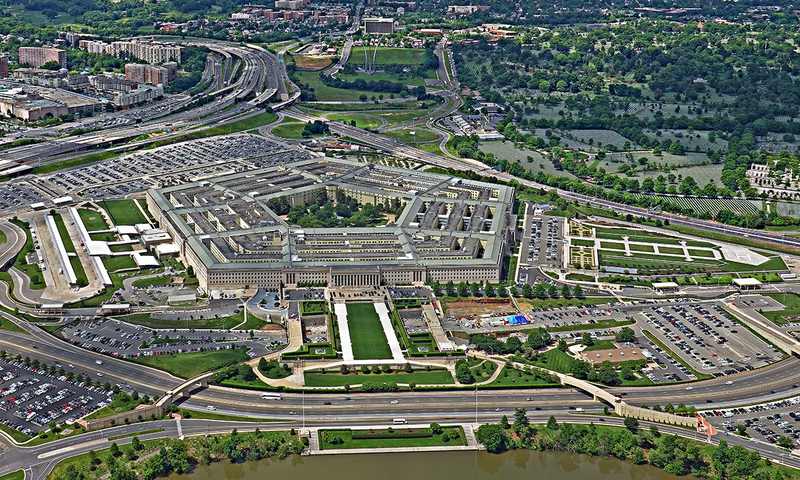
The directive asks CENTCOM to finish the practical work required for a large operation: target packages, sequencing, force protection, logistics and the ability to respond if Iran retaliates. A U.S. official told Axios the instruction was issued several days ago. The official also stressed that Trump had not decided to strike.
That is a meaningful escalation in readiness without being an authorization for combat. Military planners routinely prepare options before presidents decide whether to use them. The difference now is the combination of political warnings, incoming forces and explicit planning for major operations. Together, they reduce the time between a presidential order and action.
The Axios Pentagon Iran war report separates capability from intent
The strongest reading of the Axios Iran war report is narrow: Washington wants a usable plan on the shelf. The weaker—and more speculative—reading is that an attack is inevitable. There is not enough public evidence for that conclusion. Planning can be bargaining leverage, a hedge against rapidly changing events or the prelude to war. At this stage, it is impossible to know which.
The targets on the table
Iran energy infrastructure targets would widen the economic battlefield
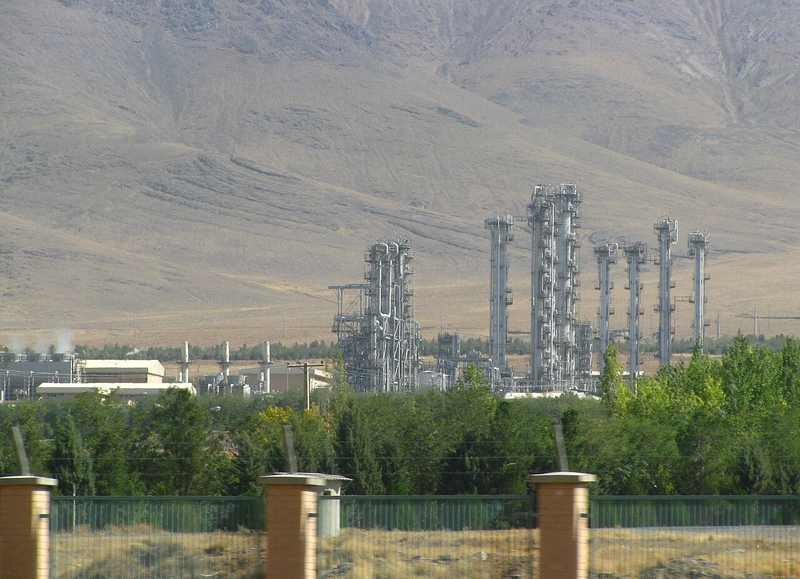
U.S. officials described a possible target set that includes Iranian energy infrastructure, military facilities and nuclear sites. Energy targets would carry the broadest economic spillover. Strikes could reduce state revenue or military fuel capacity, but they could also jolt shipping, insurance and crude markets far beyond Iran.
Gulf governments have reason to focus on that risk. Axios previously reported that Trump held back in early August after Saudi and Qatari officials raised fears that Iran could retaliate against their oil and gas facilities. Two additional U.S. Patriot batteries are now being sent to Saudi Arabia and Qatar to strengthen protection around those assets.
Iran nuclear sites strikes would be the hardest mission to contain
Iran nuclear sites strikes would present a different strategic problem. Nuclear facilities are dispersed, hardened and politically charged. An attack might delay parts of the program, while also strengthening Tehran's argument that deterrence requires deeper concealment or a more accelerated nuclear effort. Any assessment must therefore distinguish physical damage from long-term strategic effect.
The military-facility option could be more bounded, aimed at command centers, missiles or air defenses. Even then, Iran would retain choices for direct or indirect retaliation. The target list is therefore not simply a menu of sites; each category opens a different escalation ladder.
Why the timing matters
Trump Iran strikes midterms calculations meet Israel's election calendar
U.S. and Israeli officials told reporters that renewed combat could come before the November 3 U.S. midterm elections or Israel's October 27 elections. The Atlantic reported, citing two administration officials, that the White House asked the Pentagon for strike options that could be used before the midterms. Those dates create pressure, but they should not be mistaken for military deadlines.
Political timing can influence public messaging, coalition management and the appetite for risk. It does not erase operational constraints: target intelligence can change, defenses must be positioned, allies must be consulted and civilian consequences assessed. A timetable driven by elections would also invite scrutiny over whether strategic necessity or domestic politics is setting the pace.
Oil prices Iran war claims deserve skepticism on both sides
The economic argument is unsettled. Any White House claim that higher gasoline or oil costs would be brief and manageable would be a forecast, not a fact. Officials involved in the review warned that another strike could push oil prices higher. The Atlantic reported that they also flagged retaliation risks for roughly 50,000 U.S. troops in the region, with Iran's options including strikes on U.S. bases from Kuwait to Qatar using missiles, drones or aligned groups.
The opposite claim—that renewed fighting must produce a lasting price shock—is not certain either. Market effects would depend on the sites hit, Iran's response, shipping conditions and whether Gulf production continued. What can be said now is simpler: the downside is asymmetric. A contained exchange might produce a temporary jump; damage to regional energy infrastructure or maritime traffic could have much larger consequences. Disruption in the Strait of Hormuz — the chokepoint for much of the region's crude — would widen any price shock.
How we got here
Trump–Netanyahu call on Iran: diplomacy narrows after weeks of distance
Trump spoke with Netanyahu on Wednesday about Iran, their second conversation in days after weeks of limited contact. That renewed coordination matters because U.S. and Israeli military timelines have not always aligned. It could produce joint restraint, a common plan or simply better management of separate options.
Trump's public language has steadily tightened. In a September 17 Axios interview, he framed the choice as destroying the Iranian government or taking another course. At the United Nations on September 22, he warned of devastating consequences if Tehran refused U.S. demands. In an October 1 Time interview, he said expanded bombing after the midterms was possible. He also said Iran was near capitulation and predicted victory after the election, perhaps before it.
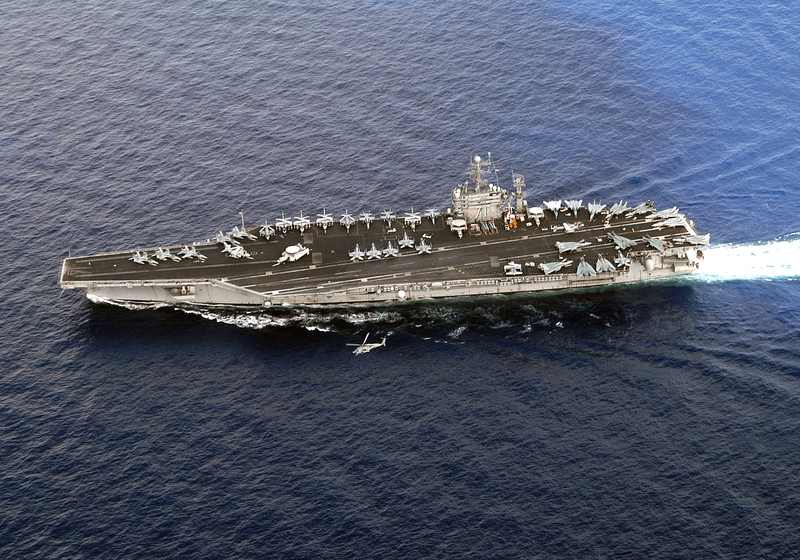
Words alone did not create the current moment. The United States is deploying a third carrier group, built around USS Theodore Roosevelt, and up to 10,000 additional personnel. Washington is also reinforcing air defense with two Patriot batteries and has imposed new Treasury sanctions on Iran's auto and rail sectors. For related background, read Signal Post News' analysis of the third carrier and troop deployment, the administration's stated terms for ending the war and Iran's response to Trump's leadership pressure.
Who gains, who loses
US Israel Iran war 2026 planning creates leverage—and shared exposure
Israel gains closer coordination with Washington after a period in which the two leaders spoke infrequently. A credible U.S. option can add pressure on Tehran and reduce the chance that either ally is surprised by the other's move. Yet coordination also binds the two governments more tightly to the results: tactical success would be shared, and so would the political cost of escalation.
Gulf states gain more air defense, but remain geographically exposed. Saudi Arabia and Qatar host important energy infrastructure and U.S. forces; their concern is not abstract. The approximately 50,000 American troops across the region would be vulnerable to missiles, drones or attacks by Iran-aligned groups. Iran's government faces greater military and economic pressure, while also gaining a rallying narrative if foreign strikes cause civilian harm or damage nationally significant facilities.
Oil consumers have the least control and potentially the broadest exposure. A price rise would reach drivers, airlines, manufacturers and import-dependent economies. Conversely, a diplomatic off-ramp that reduces the threat premium could benefit markets quickly. That is why military preparations and negotiation should be read together, not as competing stories.
What the numbers say
About 50,000: the number of U.S. troops already in the wider region who could face retaliation, according to officials cited in the reporting. Up to 10,000: additional personnel being sent as part of the current buildup. Three: carrier groups that could be available if Theodore Roosevelt joins the two already assigned. Two: extra Patriot batteries bound for Saudi Arabia and Qatar.
October 27: Israel's election date. November 3: the U.S. midterm date. Those are the political markers around which officials are discussing timing—not confirmed strike dates. The most important number remains zero: no final presidential authorization publicly announced.
What happens next
First, a decision after the midterms. Trump could keep the plans ready, use the buildup for leverage and wait until U.S. voting is over. That would fit his October 1 suggestion that expanded attacks were possible after November 3.
Second, action before Israel votes. A strike before October 27 would align with the most compressed scenario described by U.S. and Israeli officials, but it would carry the greatest risk of appearing entangled with electoral politics.
Third, continued deterrence without attack. Carriers, Patriots and completed plans could remain as a warning while sanctions and negotiations do the immediate work. This outcome should not be dismissed merely because visible preparations are advancing.
Fourth, a diplomatic off-ramp. A new agreement on nuclear activity, regional attacks or the terms of de-escalation could let both sides claim that pressure worked. The obstacle is that the same measures designed to create leverage can also harden positions.
The essential test is whether Washington can convert readiness into a better strategic choice rather than treating readiness as a reason to act. CENTCOM can prepare the battlefield. It cannot decide the political objective, guarantee escalation control or determine what peace would look like afterward.
Sources
- JFeed summary of Axios reporting — Pentagon direction to CENTCOM, decision status and timing.
- Newsmax — reported target categories and timeline of Trump's public statements.
- JFeed — summary of Axios and Atlantic reporting on planning, troops and oil-price risk.
- Political Wire — report on possible pre-midterm timing.
- JFeed — Trump-Netanyahu call reporting.